Tag

Insulin Sensitivity

All articles tagged with #insulin sensitivity

health24 days ago

Top Foods and Strategies to Manage Blood Sugar and Reduce Inflammation in Diabetes

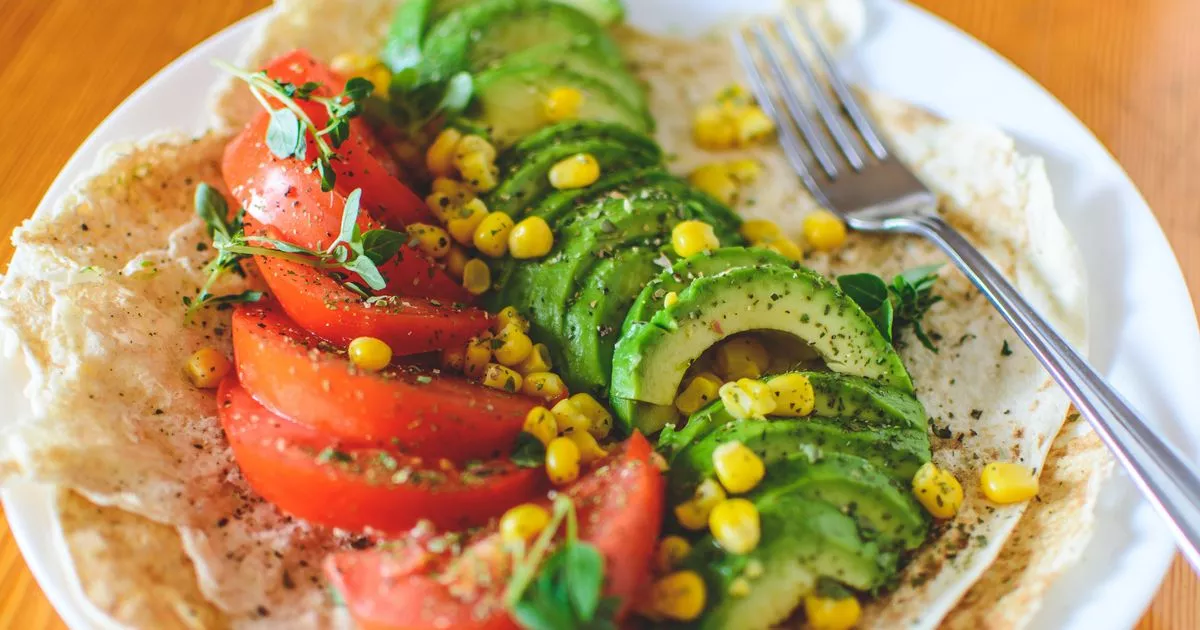
The article highlights 8 foods—such as sweet potatoes, berries, lentils, leafy greens, yogurt, nuts, oats, and certain vegetables—that can help manage blood sugar levels in diabetics by improving insulin sensitivity, reducing inflammation, and providing steady energy release. Incorporating these nutrient-rich foods into the diet can support better diabetes control and overall metabolic health.

health1 year ago

Dark Chocolate: A Sweet Solution to Lower Diabetes Risk

A study published in the British Medical Journal suggests that consuming at least five servings of dark chocolate per week can reduce the risk of developing Type 2 diabetes by 21%. The research, which analyzed data from over 190,000 U.S. health care professionals over 30 years, found that each additional weekly serving of dark chocolate further decreased diabetes risk by 3%. Unlike dark chocolate, milk chocolate was associated with weight gain, a risk factor for diabetes. The study attributes the benefits of dark chocolate to its high cocoa content and bioactive compounds that may improve insulin sensitivity.

health1 year ago

Bezisterim Phase 2 Trial for New Patients Set to Launch

BioVie is set to begin a Phase 2 clinical trial of bezisterim, an oral treatment for newly diagnosed Parkinson's disease patients, in early 2025. The trial, named SUNRISE-PD, will assess bezisterim as a first-line, stand-alone therapy aimed at reducing neuroinflammation and improving insulin sensitivity. The study will involve up to 60 participants and is funded with over $15 million. Bezisterim has shown promise in reducing both motor and nonmotor symptoms in previous trials.

health1 year ago

Plant-Based Diets: A Path to Reversing Diabetes and Enhancing Health

A wellness expert, Alex Dyer, advocates for a plant-based diet to reverse type 2 diabetes and improve overall health. This diet, rich in fruits, vegetables, whole grains, legumes, nuts, and seeds, enhances blood sugar control, insulin sensitivity, and promotes weight loss. It also supports cardiovascular health and reduces the risk of chronic diseases. While not strictly vegan or vegetarian, this approach emphasizes whole foods and can significantly lower HbA1c levels, aiding diabetes management. Dyer highlights the diet's potential to improve health and vitality, especially for active individuals.

health1 year ago

"Red Light Therapy: A Potential Aid for Lowering Blood Sugar Levels"

A study by UCL researchers found that red light therapy (RLT) can reduce blood glucose levels by 27.7% and glucose spikes by 7.5% after meals in healthy individuals. RLT, which enhances cellular function and reduces inflammation, shows potential for improving diabetes control by enhancing insulin sensitivity and glucose metabolism. However, it should be used as a complementary treatment alongside other diabetes management strategies.

health-medicine1 year ago

Groundbreaking Study Shows Low-Fat Vegan Diet Improves Insulin Sensitivity in Type 1 Diabetes

A groundbreaking study by the Physicians Committee for Responsible Medicine reveals that a low-fat vegan diet can reduce insulin needs and improve insulin sensitivity, glycemic control, cholesterol levels, kidney function, and weight for people with type 1 diabetes. The 12-week study, the first of its kind, showed that participants on the vegan diet reduced insulin needs by 28% and increased insulin sensitivity by 127%, while also experiencing weight loss and improved cholesterol levels. The findings suggest that a low-fat vegan diet may be beneficial for managing blood sugar levels and reducing cardiovascular risk in individuals with type 1 diabetes.

health-and-wellness1 year ago

"The Best Times to Eat for Burning Belly Fat, According to a Doctor"

Dr. Naheed Ali recommends eating breakfast around 7 a.m. and dinner around 7 p.m. to align with the body's natural circadian rhythms and enhance the ability to burn belly fat. Research suggests that finishing eating earlier in the day, around 3-4 p.m., and fasting for 12-16 hours can decrease cholesterol, inflammation, and hunger while improving circadian rhythm and insulin sensitivity.

health-and-wellness1 year ago

"Optimal Meal Timing for Belly Fat Burn, According to Doctor"

Dr. Naheed Ali recommends eating breakfast around 7 a.m. and dinner around 7 p.m. to align with the body's natural circadian rhythms and enhance the ability to burn belly fat. Research suggests that restricting eating to certain times, especially finishing eating earlier in the day, can reduce dangerous visceral fat. This approach supports insulin sensitivity and helps manage hunger hormones, aiding in the reduction of belly fat and potentially decreasing the risk of insulin resistance-related conditions like prediabetes and Type 2 diabetes.

health-genetics1 year ago

"Predicting Type 2 Diabetes Risk: Insights from Genetic and Epigenetic Research"

The largest genome-wide association study of type 2 diabetes to date has identified new genetic risk factors and clusters of variants that contribute to the disease, shedding light on different mechanisms underlying the condition. The study included data from over 2.5 million individuals and revealed 1,289 genetic variants, 145 of which were new discoveries. Researchers also found that certain genetic clusters were associated with specific cardiometabolic traits and could predict cardiovascular outcomes in individuals with type 2 diabetes. This research represents a significant advancement in understanding the genetic basis of type 2 diabetes and may lead to improved treatments and care for individuals with the condition in the future.