Tag

Animal Models

All articles tagged with #animal models

science2 months ago

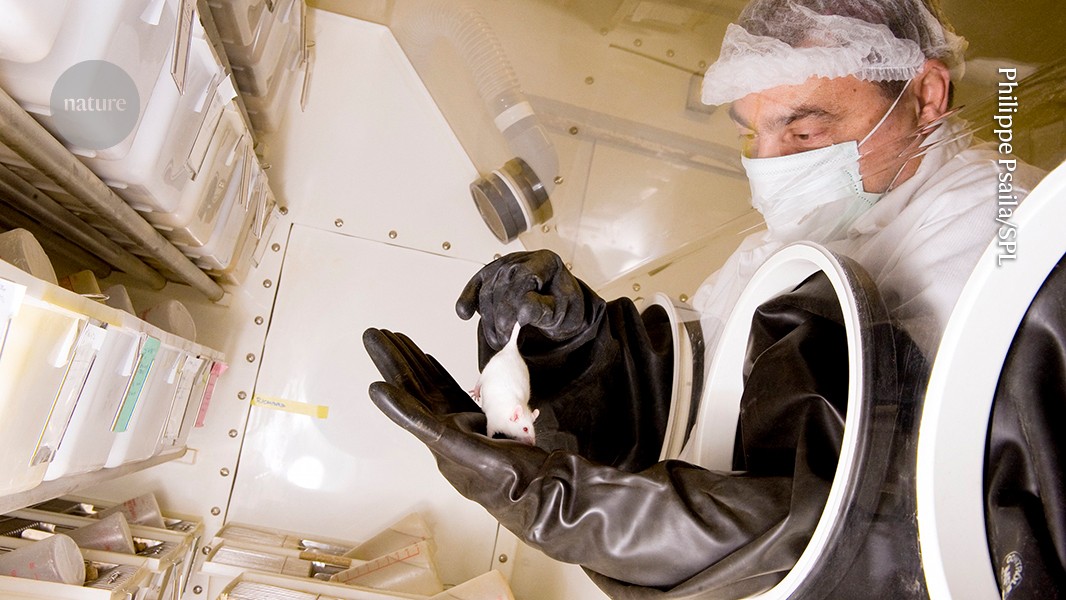
Rethinking Animal Testing in Biomedical Research

The article discusses the nuanced debate between traditional animal models and new approach methodologies (NAMs) in biomedical research, emphasizing that both have their strengths and limitations. It advocates for a balanced, model-specific approach rather than outright replacing animal testing with NAMs, highlighting technological advances and ethical considerations.

science1 year ago

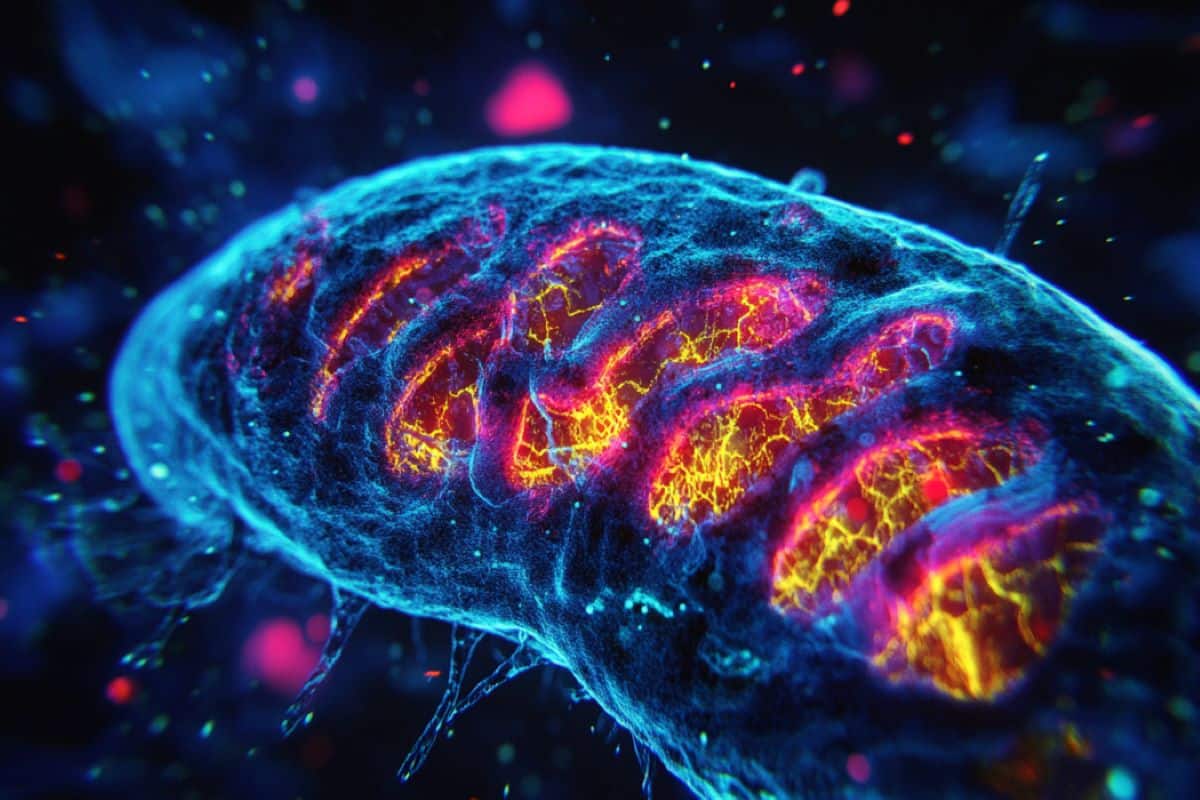
Mitochondrial Gene Editing Uncovers Memory and Metabolic Links

Researchers at Korea University College of Medicine used mitochondrial gene editing to induce mutations in the ND5 gene in mice, revealing significant impacts on brain function, metabolism, and thermoregulation. The study found that these mutations led to learning deficits, hippocampal atrophy, and obesity, highlighting the potential of mitochondrial gene editing for developing therapies for mitochondrial diseases and related neurodegenerative and metabolic disorders.

health-and-science1 year ago

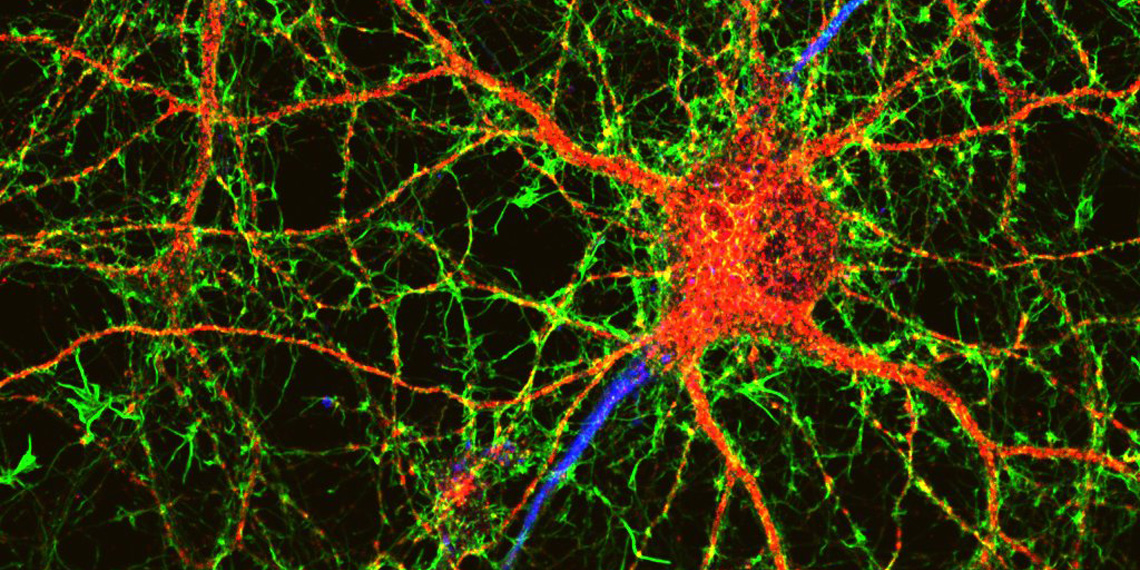
"Linking Altered Brain pH and Lactate Levels to Neuropsychiatric Disorders"

A global research effort involving 131 scientists from 105 laboratories across seven countries has identified alterations in brain pH and lactate levels as key indicators of metabolic dysfunction in a spectrum of neuropsychiatric and neurodegenerative disorders, including intellectual disability, autism spectrum disorders, schizophrenia, bipolar disorder, depressive disorders, and Alzheimer’s disease. The study, published in eLife, suggests a potential common biological underpinning for these conditions and highlights the impact of both genetic and environmental factors on brain metabolism. The findings could pave the way for new approaches to diagnosing and treating these complex disorders, although further research is needed to understand the exact mechanisms at play in humans.

health2 years ago

New Study Reveals Omicron BA.5 Subvariant's Increased Virulence and Replication Speed

A new study in mice has found that the Omicron BA.5 variant of SARS-CoV-2 is more virulent and replicates faster than its predecessors. The study, published in Science Advances, used genetically modified mice to compare different subvariants of Omicron and found that BA.5 caused more severe illness and death, likely due to its ability to rapidly replicate early during infection. This study provides a valuable animal model for studying the new Omicron variants and understanding their behavior, as previous animal models did not exhibit illness with other variants. The findings suggest that targeting cytokines with drugs could potentially lessen symptoms and provide a treatment option.