Mixing alcohol with certain medications such as anti-anxiety drugs, sleep aids, antihistamines, painkillers, antibiotics, and heart or diabetes medicines can cause serious health risks, including impaired reflexes, liver damage, and dangerous reactions. It is crucial to understand these interactions and consult healthcare professionals before consuming alcohol while on medication.
A Russian cardiologist warns that certain healthy foods like bananas, spinach, grapefruit, liquorice, soy sauce, and alcohol can be harmful to individuals with specific health conditions such as kidney issues, heart problems, or those on certain medications, emphasizing the importance of personalized dietary awareness and medical guidance.
Consuming coffee close to taking prescription drugs can interfere with their absorption and effectiveness, potentially causing adverse effects. Experts recommend waiting 30-60 minutes after medication before drinking coffee and consulting healthcare providers for personalized advice.
Many medications can interact negatively with coffee, especially antidepressants, blood thinners, antipsychotics, and certain asthma and blood pressure drugs. It's important to consult with a healthcare provider about potential interactions and timing of coffee consumption to avoid adverse effects.
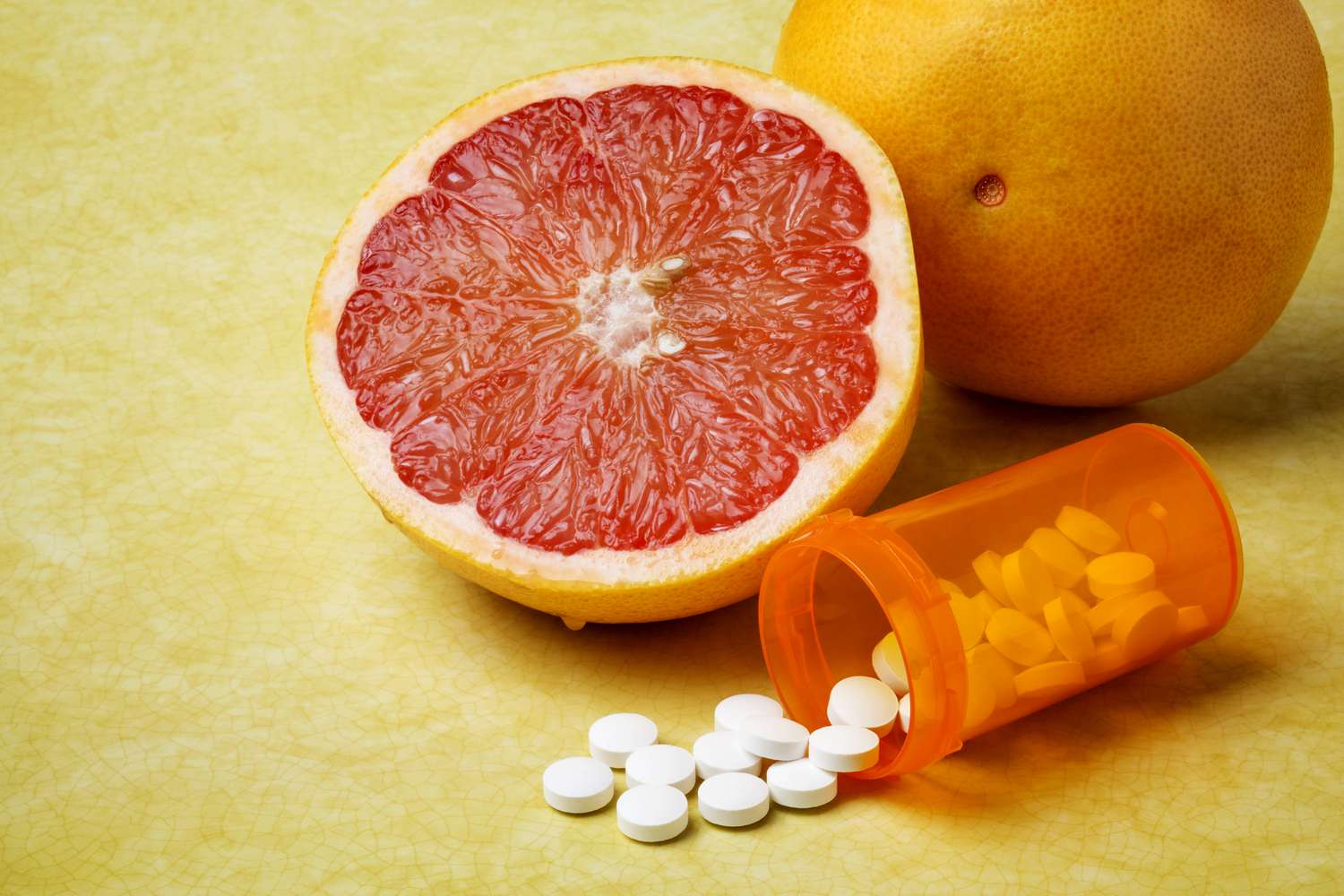
Millions in the UK, especially those on statins or ezetimibe, are warned to avoid grapefruit due to its compounds that can increase drug levels in the body, raising the risk of serious side effects like muscle damage and organ issues. Experts advise consulting healthcare providers before consuming grapefruit if on certain medications, as it can interfere with drug effectiveness and safety.
A pharmacist warns that drinking coffee can interact negatively with common medications such as thyroid drugs, antidepressants, ADHD medications, and cold remedies, potentially reducing their effectiveness or causing harmful side effects. Caffeine's stimulant properties can amplify the effects of certain drugs, increase side effects like heart issues, insomnia, and stomach bleeding, and interfere with drug absorption. Patients are advised to consult healthcare professionals about coffee consumption when on medication.
A registered dietitian highlights six common mistakes people make with dietary supplements, including taking unnecessary supplements, incorrect dosages, wrong forms, interactions with medications, excessive ingredient lists, and doubling up on ingredients. She emphasizes the importance of consulting healthcare providers and getting regular blood tests to ensure safe and effective supplement use.
Grapefruit can affect medication in three ways: by increasing medication levels in the blood, enhancing side effects, and blocking drug absorption. It can interact with various medications, including statins, high blood pressure medications, and anti-anxiety drugs. Patients should consult their healthcare provider or pharmacist to determine if it's safe to consume grapefruit while taking medication, and consider alternative fruits if necessary.
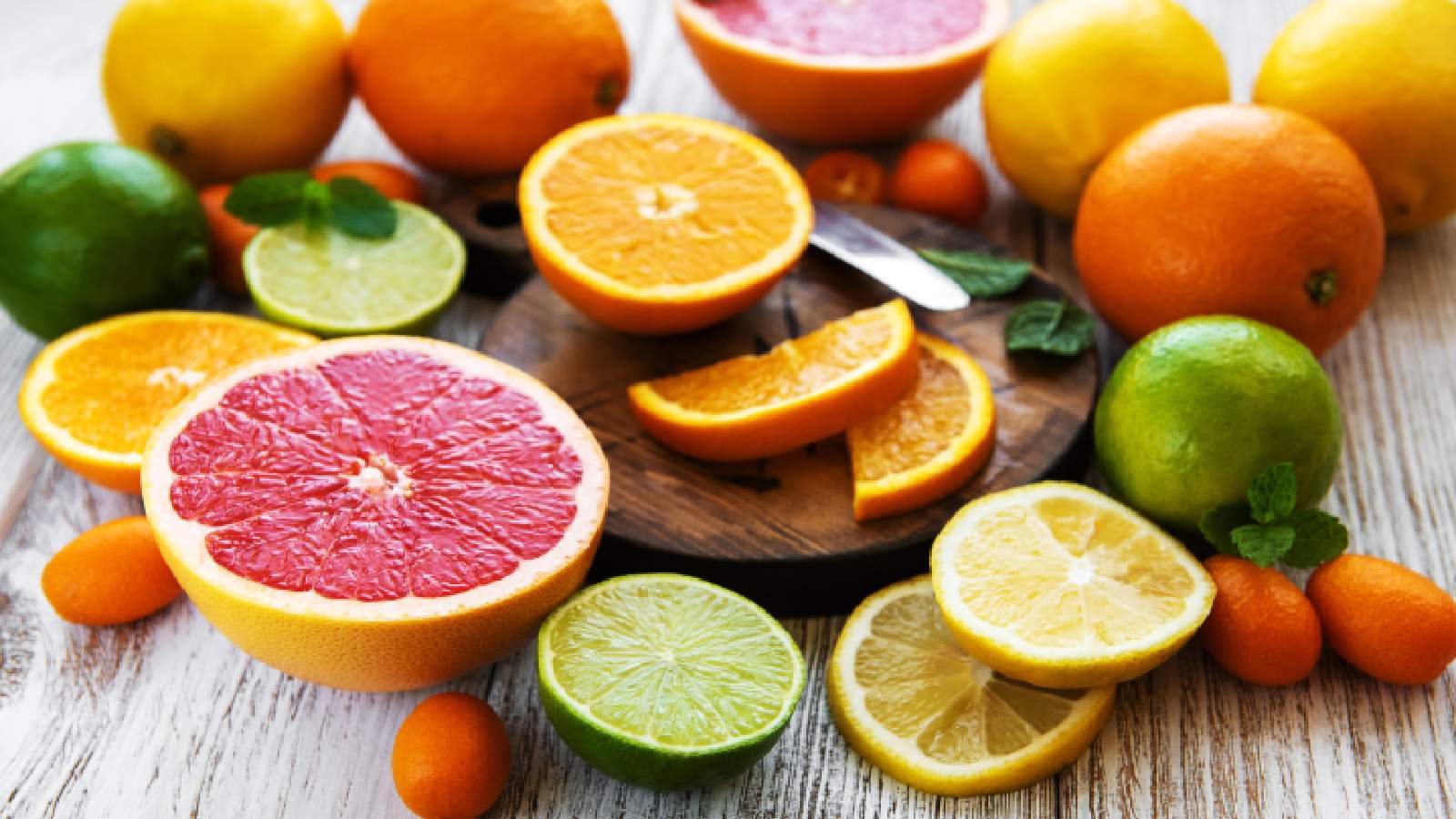
While citrus fruits like oranges and grapefruits offer numerous health benefits, consuming them immediately after a meal can lead to digestive discomfort, hinder nutrient absorption, cause blood sugar fluctuations, potentially contribute to weight gain, and interact with certain medications. It's recommended to wait at least 30 minutes to an hour after a meal before consuming citrus fruits to avoid these potential side effects.
Serotonin Syndrome is a condition caused by an excess of serotonin in the brain, often associated with certain medications and illicit drugs. Symptoms include confusion, palpitations, and muscle rigidity, and diagnosis is based on symptoms and medical history. Treatment involves discontinuing contributing medications, supportive care, and close monitoring, with prompt and appropriate treatment leading to full recovery in most cases. Prevention involves honesty with doctors about medications and adherence to prescribed dosages.