The FDA has issued a low-risk recall for over 11,000 bottles of Ziac, a blood-pressure medication, due to cross-contamination concerns with ezetimibe. Patients should check their bottles' lot numbers and NDC codes, and consult their healthcare providers for guidance. The recall highlights the importance of strict manufacturing practices and vigilant quality control to ensure medication safety.
The FDA has flagged 8 common OTC drugs as high-risk for people over 60 due to age-related changes in drug metabolism, including antihistamines, NSAIDs, PPIs, decongestants, and laxatives, urging seniors to review their medications with healthcare providers to avoid serious side effects and interactions.
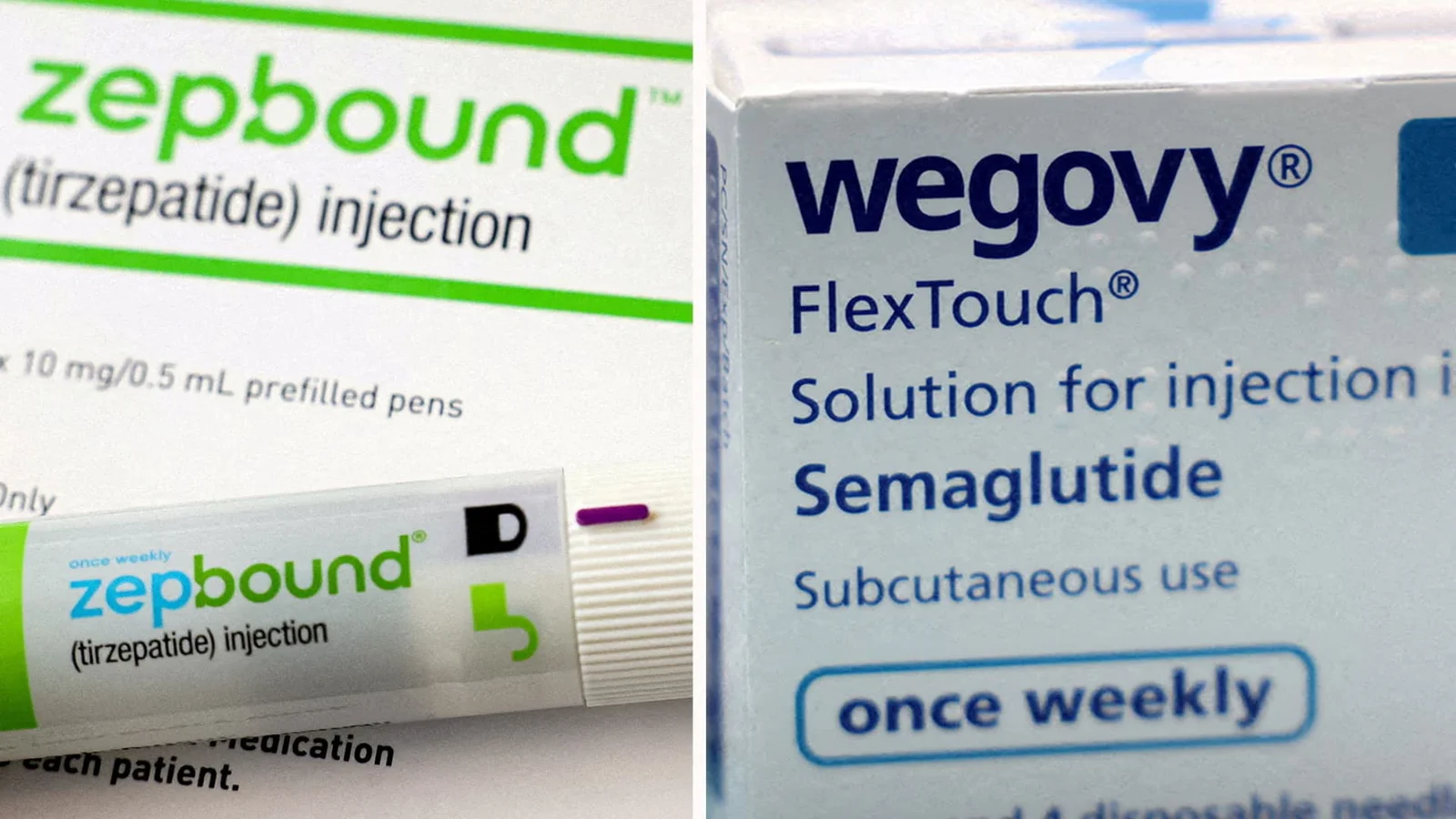
Some individuals are using unapproved 'GLP-3' drugs like retatrutide from the black market for dramatic weight loss, risking unknown side effects and contamination, as these drugs are still in clinical trials and not FDA-approved, highlighting concerns over safety and regulation.
ProPublica investigated the FDA's limited testing of generic drugs, revealing irregularities and quality concerns in widely used medications like bupropion and metoprolol, which could compromise their effectiveness and patient safety, highlighting the agency's reliance on manufacturers and sporadic testing practices.
ProPublica launches Rx Inspector, a database revealing the manufacturing origins and FDA inspection histories of generic drugs in the U.S., addressing transparency gaps left by the FDA.
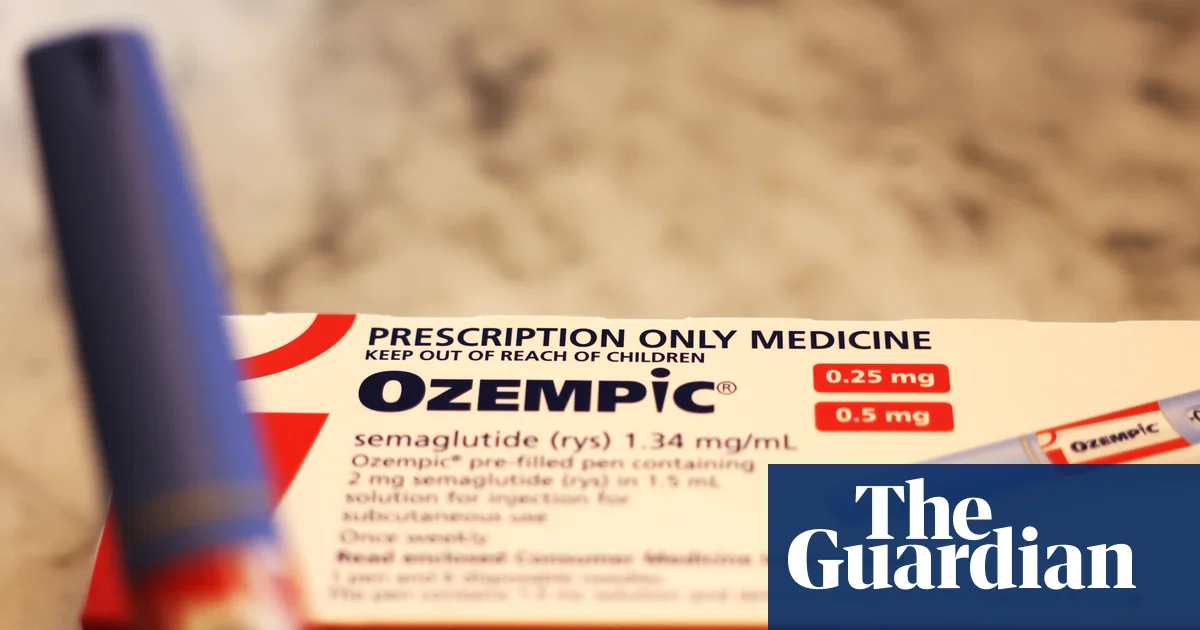
Australia’s drug regulator has issued safety warnings for weight-loss and diabetes drugs like Ozempic, highlighting potential risks of suicidal thoughts and mental health issues, especially in vulnerable patients, and advising caution with contraception use due to possible reduced effectiveness. The warnings are based on international signals and adverse event reports, emphasizing the importance of monitoring and awareness during treatment.
Mixing alcohol with certain medications such as anti-anxiety drugs, sleep aids, antihistamines, painkillers, antibiotics, and heart or diabetes medicines can cause serious health risks, including impaired reflexes, liver damage, and dangerous reactions. It is crucial to understand these interactions and consult healthcare professionals before consuming alcohol while on medication.
The FDA's top official for drugs, Dr. George Tidmarsh, resigned amid investigations into his personal conduct and a lawsuit alleging he made false statements and pursued vendettas against a pharmaceutical company's chair, highlighting ongoing leadership instability at the agency.
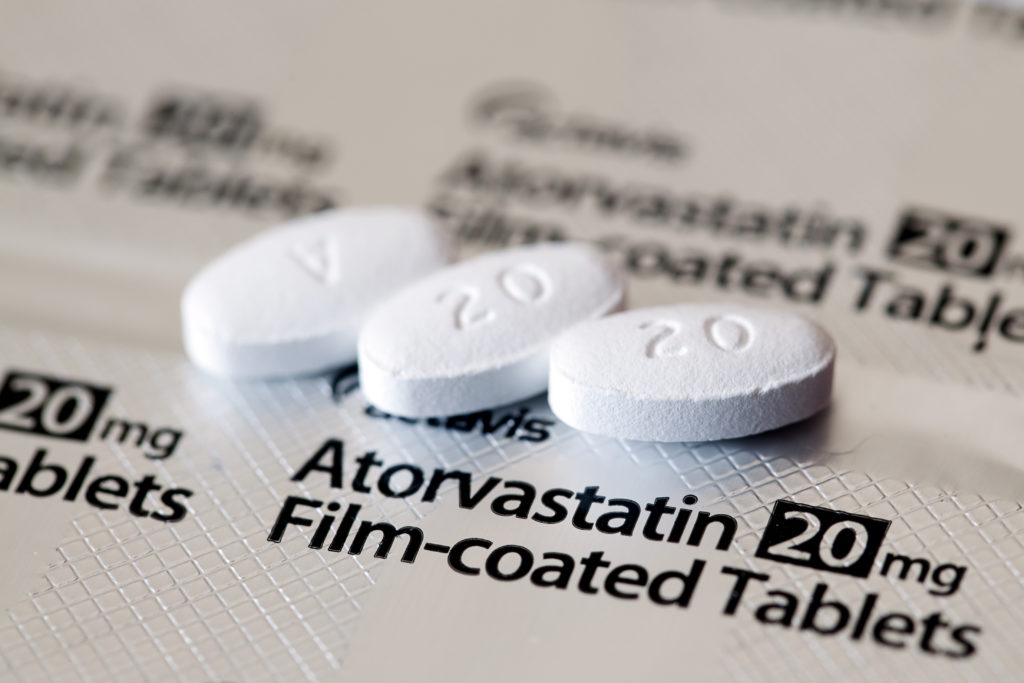
A large recall of atorvastatin, a widely used cholesterol-lowering drug, was issued due to manufacturing defects that affected drug dissolution, potentially reducing its effectiveness and increasing cardiovascular risk. Patients should check if their medication is affected and consult their healthcare provider before stopping or switching drugs. The recall highlights ongoing concerns about overseas manufacturing oversight and the need for vigilant consumer awareness.
A recent study highlights a significant link between the hair loss drug finasteride and increased risks of mood disorders and suicidal thoughts, criticizing regulatory and manufacturer oversight for underreporting and neglecting these dangers over the past two decades.
Many medications can interact negatively with coffee, especially antidepressants, blood thinners, antipsychotics, and certain asthma and blood pressure drugs. It's important to consult with a healthcare provider about potential interactions and timing of coffee consumption to avoid adverse effects.
The Trump administration is cracking down on misleading pharmaceutical ads by sending cease-and-desist letters to drug companies, increasing transparency requirements, and closing a loophole that allowed companies to hide safety information, aiming to reduce deceptive practices and improve public trust in drug advertising.
President Trump signed a memorandum to enforce transparency laws on pharmaceutical advertising, especially on social media, by sending enforcement and warning letters to ensure accurate and complete information about drug risks, aiming to curb misleading promotions and improve public safety.
A comprehensive study reveals that classical psychedelics interact with multiple brain receptors beyond the well-known 5-HT2A serotonin receptor, including dopamine and adrenergic receptors, which may explain their diverse effects and therapeutic potential. The research highlights the importance of receptor polypharmacology in understanding psychedelic effects and safety, providing a valuable dataset for future drug development.
Vinay Prasad, a dedicated and intelligent physician, recently left his role at the FDA amid controversy over drug safety and political pressures, highlighting the challenges of maintaining scientific integrity in regulatory decisions.