A study reveals that tamoxifen, a life-saving breast cancer drug, can directly activate the PI3K pathway in the uterus, increasing the risk of secondary tumors without the need for genetic mutations, challenging previous assumptions about therapy-related cancers and opening avenues for safer treatments.
A recent study suggests that gabapentin, a drug commonly prescribed for chronic back pain, may be associated with an increased risk of dementia, especially in adults under 65, raising concerns about its long-term effects on brain health.
A study by Case Western University found that gabapentin, a drug used for nerve pain and seizures, may significantly increase the risk of dementia and cognitive impairment, especially with frequent use, raising concerns about its long-term safety.
Millions in the UK, especially those on statins or ezetimibe, are warned to avoid grapefruit due to its compounds that can increase drug levels in the body, raising the risk of serious side effects like muscle damage and organ issues. Experts advise consulting healthcare providers before consuming grapefruit if on certain medications, as it can interfere with drug effectiveness and safety.
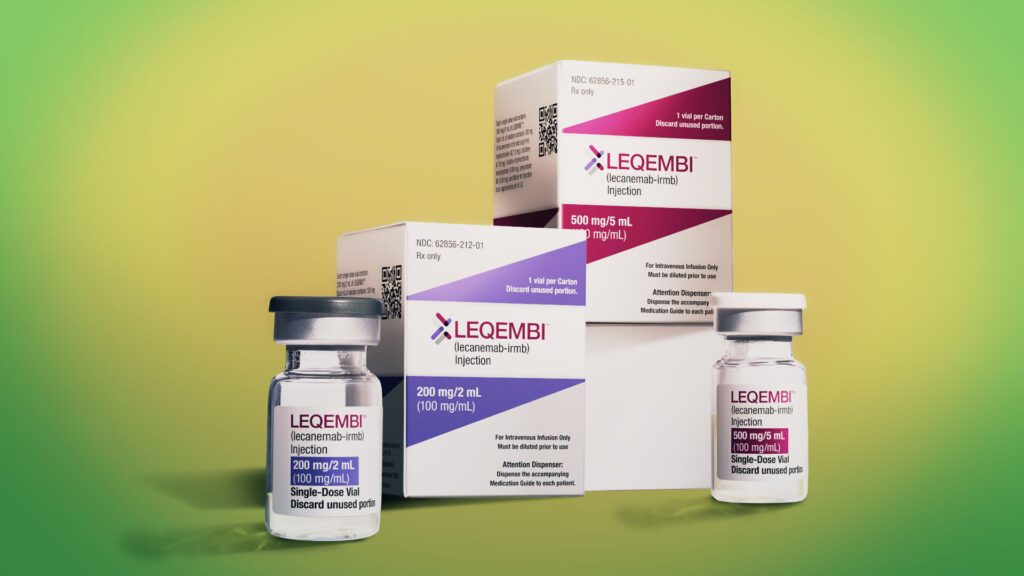
Scientists are warning against the approval of drugs like lecanemab and donanemab for Alzheimer's disease, citing risks such as brain shrinkage, swelling, and bleeding. While these drugs claim to slow cognitive decline by clearing out amyloid protein, they have been associated with serious side effects, including fatal outcomes and significant brain volume loss. The marginal improvement in cognitive function does not outweigh the potential harm, raising concerns about the utility of these treatments.
Experts have raised concerns about the potential approval of Alzheimer's drugs donanemab and lecanemab, which have shown to slow the progression of the disease but may also cause brain shrinkage in patients. Trial results indicate that a significant percentage of participants experienced brain swelling or bleeding, leading to warnings about potential serious side effects. While the drugs offer potential benefits, the observed brain volume loss has raised doubts about their overall safety and efficacy.
Manufacturers of Alzheimer's drugs, such as lecanemab, need to be more transparent about the potential side effects, specifically brain swelling and bleeding known as amyloid-related imaging abnormalities (ARIA). While the benefits of these drugs have been highlighted, the common side effects have received less attention. Clinical trials have shown that ARIA occurred in 12%-35% of treated patients compared to 3%-13% in those receiving a placebo. Serious symptoms such as seizures, impaired speech, and vision problems have been reported in 1-2% of patients. The lack of transparency and timely reporting of adverse events by drug manufacturers hinders the ability to learn from these cases and protect future patients. Physicians and regulators should insist on full disclosure of adverse events and require timely reporting and data sharing from clinical trials.