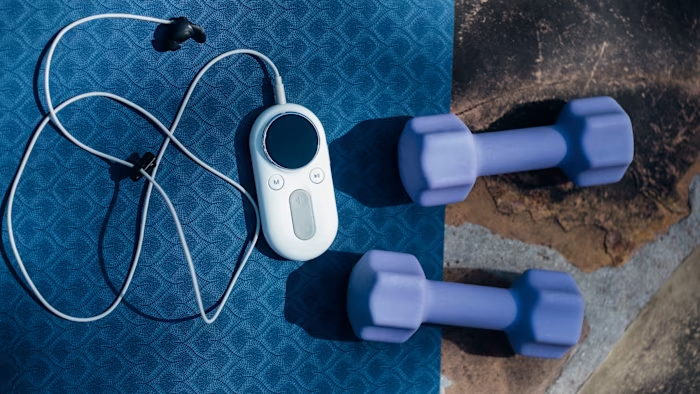
Vagus nerve stimulation (VNS) involves using devices to send electrical pulses to the vagus nerve, which can be done invasively or through skin patches, and is used for conditions like epilepsy and cluster headaches. While some users report benefits such as increased energy and improved sleep, scientific evidence is limited, and the effectiveness of these devices remains uncertain, with some experts suggesting placebo effects may play a role.
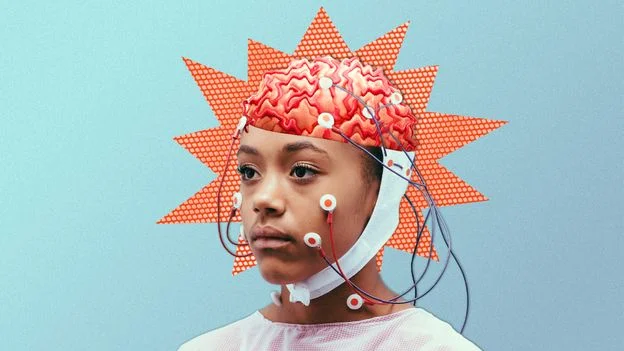
Research shows that individuals with visual snow syndrome experience heightened face pareidolia, seeing faces in random patterns more frequently due to hyperexcitability in the visual cortex, which amplifies false perceptual signals and offers insights into how the brain interprets visual information.
A neurologist recommends that individuals over 65 should stop drinking alcohol entirely to protect brain health and reduce the risk of dementia and falls, citing the negative impact of alcohol on neurons as we age.
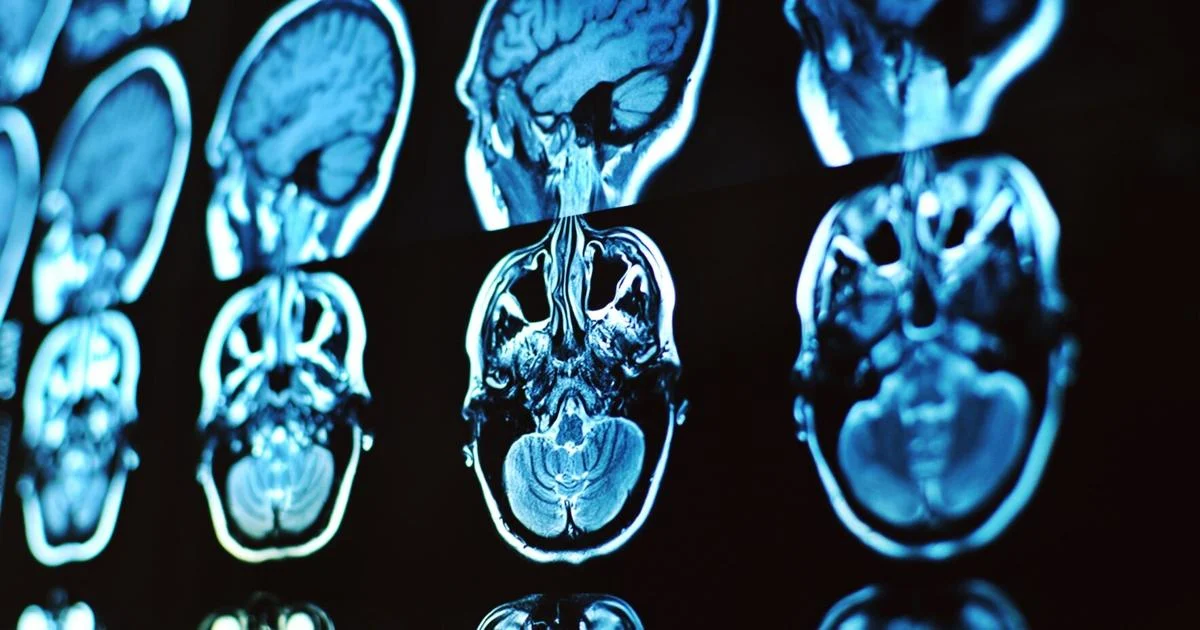
Kim Kardashian underwent a brain scan on 'The Kardashians' that showed low activity in her frontal lobes, which she took as an explanation for her stress, though medical experts question the reliability of such scans and their interpretation, highlighting the influence of celebrity culture on health narratives.
Mark Hallett, a renowned neuroscientist and expert in movement disorders who contributed significantly to understanding brain physiology and neurodegenerative diseases, has died at 82 due to glioblastoma. His pioneering work at NIH and Harvard, mentorship, and global influence in neurology leave a lasting legacy.
Research from the University of Oslo reveals extensive genetic links between neurological and psychiatric disorders, challenging traditional distinctions and suggesting a more integrated approach to treatment and understanding of brain conditions.
Scientists believe they have made a significant breakthrough in understanding the cause of brain fog associated with long COVID, potentially paving the way for targeted treatments.
A Ballynahinch man with MND advocates for wider access to the groundbreaking drug Tofersen, which may slow disease progression, emphasizing the importance of timely treatment to improve quality of life and extend independence. The drug is currently not widely available in the UK, with efforts ongoing to increase access and funding.
Neurologists are researching medications that could potentially help the brain heal itself after injuries like strokes, offering hope for improved recovery outcomes.
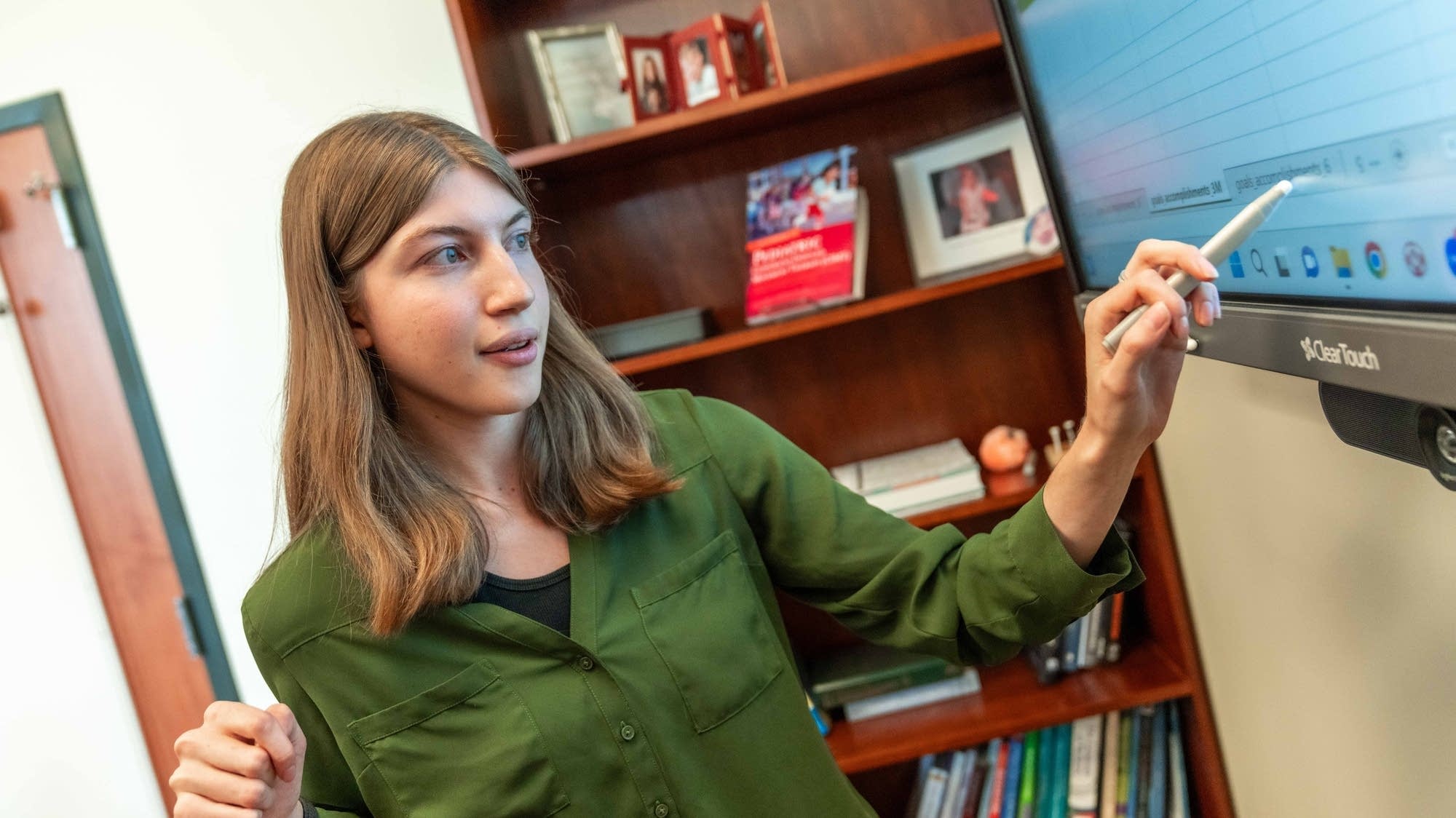
Arden Grim, a Duluth native with cerebral palsy, overcame early diagnosis and received life-changing therapy as a child. Now a senior at Smith College, she returned to the research clinic that helped her as a child to study therapy outcomes and aims to become a pediatric neurologist to support children with similar conditions.
A neurologist highlights five subtle signs that may indicate a higher risk of developing dementia, including balance issues, difficulty with squats, acting out dreams, loneliness, and weak grip strength, emphasizing the importance of early detection and consultation with healthcare professionals.
Scientists have discovered a gene linked to chronic pain, potentially paving the way for new, more effective treatments for the over 600 million people affected worldwide, as current understanding and therapies remain limited.
Two leading neurologists suggest that Parkinson's disease, the fastest growing brain disorder, may be entirely preventable through early intervention and lifestyle changes, as discussed in the 'In Good Health' series.
Scientists have found that subtle signs of multiple sclerosis (MS) may appear up to 15 years before an official diagnosis, highlighting the potential for earlier detection and intervention.
A woman from New York suffered for six years with unexplained neurological symptoms until a neurologist diagnosed her with functional neurological disorder (FND), leading to a multidisciplinary treatment approach that significantly improved her condition.