Tag

Nutrient Absorption

All articles tagged with #nutrient absorption

5 Supplements to Avoid Mixing with Coffee, Experts Say

Originally Published 5 months ago — by AOL.com

Featured image for 5 Supplements to Avoid Mixing with Coffee, Experts Say
Source: AOL.com

Coffee can interfere with the absorption of certain nutrients like iron, vitamin D, B vitamins, magnesium, and calcium due to its polyphenols and diuretic effects. To maximize nutrient uptake, it's recommended to space out supplement intake from coffee by at least an hour and consider consuming supplements with meals or vitamin C-rich foods. Not everyone needs supplements, so consulting a healthcare provider is advised.

Vitamin Deficiencies in Diabetes: B12 and Beyond

Originally Published 5 months ago — by Times of India

Featured image for Vitamin Deficiencies in Diabetes: B12 and Beyond
Source: Times of India

People with diabetes often experience deficiencies in vitamins D, B12, B1, B6, and C due to medication effects, high blood sugar, and dietary restrictions, which can impact bone health, nerve function, and immune health. Consulting healthcare providers for proper management is recommended.

Pregnancy Triggers Gut Remodeling, Study Reveals

Originally Published 1 year ago — by Livescience.com

Featured image for Pregnancy Triggers Gut Remodeling, Study Reveals
Source: Livescience.com

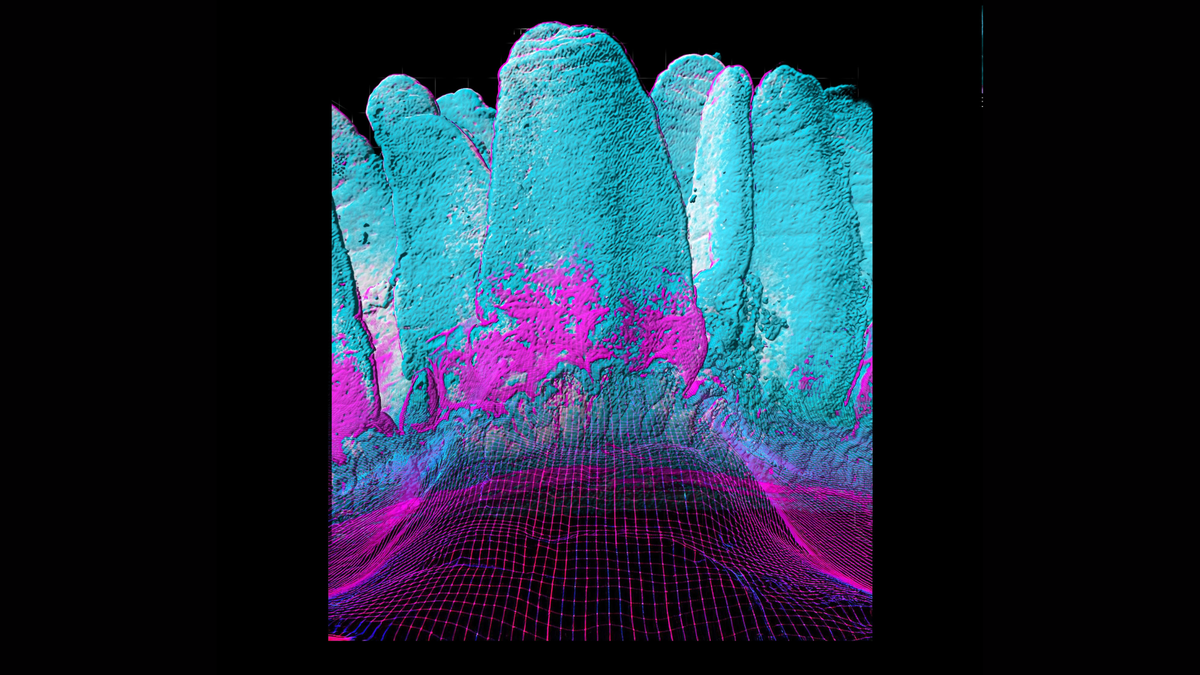
A new study reveals that during pregnancy and breastfeeding, the small intestine's lining, or epithelium, undergoes structural changes, doubling in size to enhance nutrient absorption. This adaptation, observed in mice and 3D human tissue models, is linked to the signaling molecule RANK, which is crucial for these changes. The research suggests that these gut modifications help mothers absorb more nutrients to support their babies' development. The findings, published in Nature, highlight a previously unknown aspect of maternal physiological adaptation.

How Your Gut Microbiome Influences Food Digestion

Originally Published 1 year ago — by Neuroscience News

Featured image for How Your Gut Microbiome Influences Food Digestion
Source: Neuroscience News

A study by the University of Copenhagen reveals that individual differences in gut physiology and environment significantly influence digestion, nutrient absorption, and gut microbiome composition. Using a smart capsule to track gut conditions, researchers found variations in digestion time and pH levels among individuals, highlighting the need for personalized dietary strategies. This research underscores the uniqueness of each person's gut environment and its impact on health outcomes.

"Essential Considerations Before Trusting a Dietary Supplement"

Originally Published 1 year ago — by National Geographic

Featured image for "Essential Considerations Before Trusting a Dietary Supplement"
Source: National Geographic

Before trusting supplements, it's important to consider that they aren't strictly regulated by the FDA, may not be suitable for everyone, and can lead to vitamin toxicity if overdone. Certain vitamins are absorbed differently in the body, and it's crucial to be cautious with fat-soluble vitamins like A and E. Ultimately, getting nutrients from whole, unprocessed foods is often a more efficient and safer way to maintain a healthy diet.

"Uncovering the Intricacies of Small Intestine Functionality: A Breakthrough for Scientists"

Originally Published 1 year ago — by Medical Xpress

Featured image for "Uncovering the Intricacies of Small Intestine Functionality: A Breakthrough for Scientists"
Source: Medical Xpress

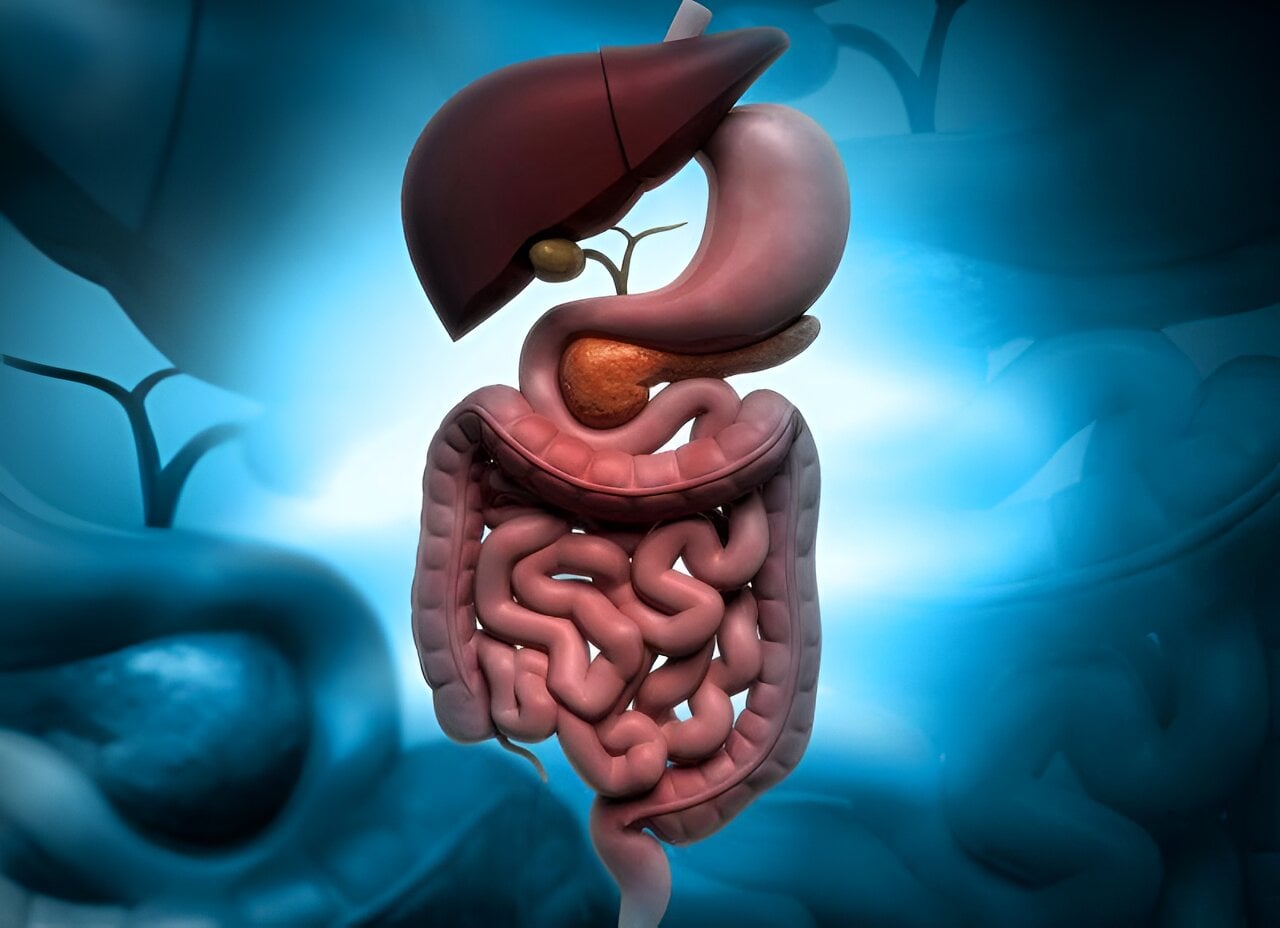
U.S. researchers have identified that the small intestine is comprised of five distinct segments, each responsible for the absorption of various nutrients. This discovery could lead to a better understanding of gastrointestinal diseases such as intestinal cancers, ileitis, and celiac disease. The study examined the genetic makeup of 30 different sections of the organ and found that each region is associated with different aspects of nutrient absorption and exhibits distinct responses to changes in diet. The findings, published in Nature Cell Biology, provide valuable insights into the cellular and molecular processes of the small intestine and its role in gastrointestinal diseases.

"The Surprising Side Effects of Citrus Fruit Consumption After Meals"

Originally Published 1 year ago — by Health shots

Featured image for "The Surprising Side Effects of Citrus Fruit Consumption After Meals"
Source: Health shots

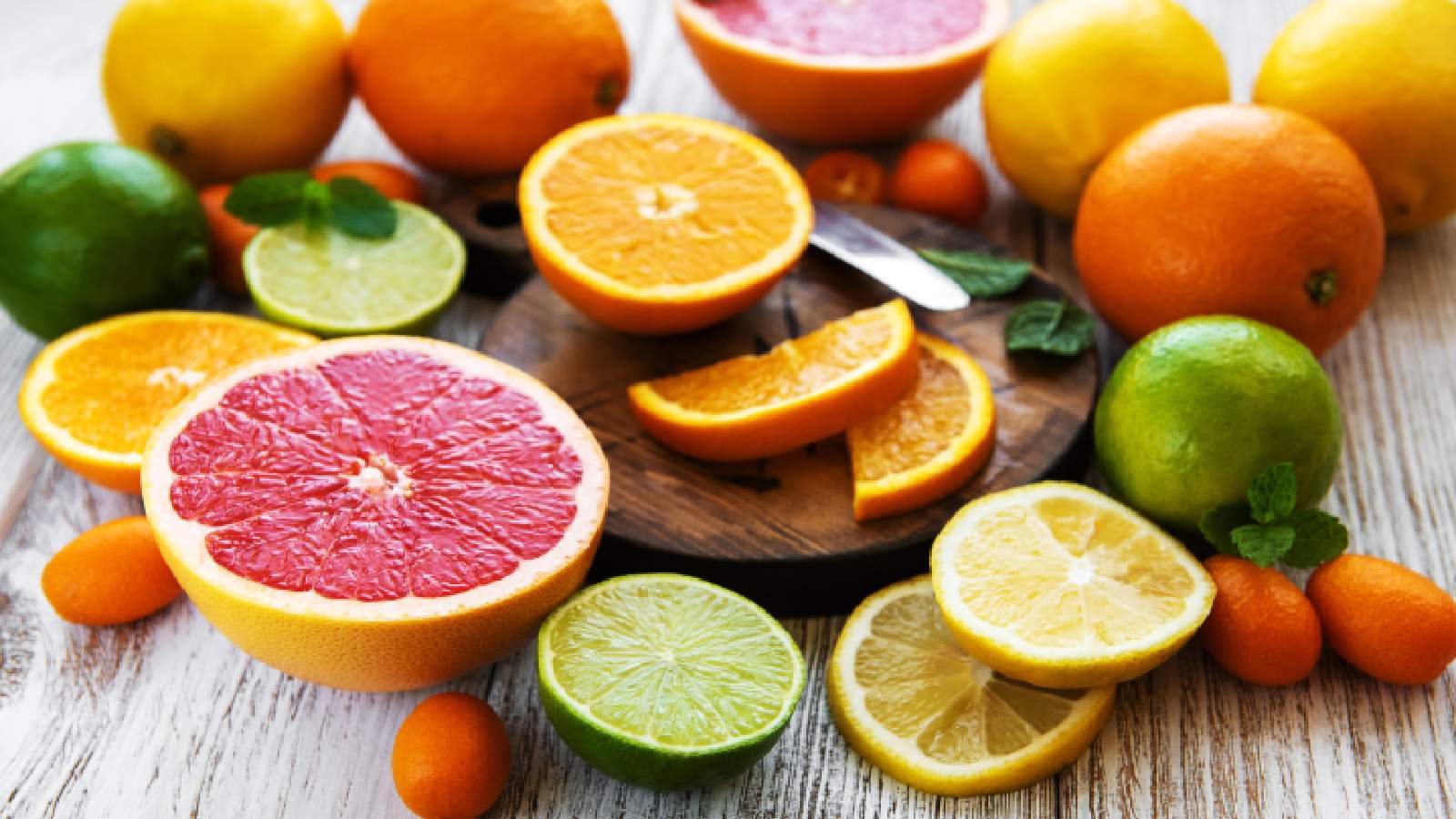
While citrus fruits like oranges and grapefruits offer numerous health benefits, consuming them immediately after a meal can lead to digestive discomfort, hinder nutrient absorption, cause blood sugar fluctuations, potentially contribute to weight gain, and interact with certain medications. It's recommended to wait at least 30 minutes to an hour after a meal before consuming citrus fruits to avoid these potential side effects.

"Expert-Recommended: The Top 7 Grain-Free Dog Food Brands for Your Pup"

Originally Published 2 years ago — by Study Finds

Featured image for "Expert-Recommended: The Top 7 Grain-Free Dog Food Brands for Your Pup"
Source: Study Finds

Grain-free dog food has gained popularity among pet owners due to perceived benefits for canine health, such as improved digestion, reduced allergic reactions, enhanced energy levels, weight management, and overall health and well-being. The top seven best grain-free dog food brands recommended by experts include Wellness Complete Health, Open Farm, Taste of the Wild, Acana, Merrick Grain-Free, Blue Buffalo, and Canidae. However, it is important to consult with a veterinarian before making any dietary changes for your dog.

Microbes and Probiotics Aid in Detoxifying Mercury in Gut

Originally Published 2 years ago — by Neuroscience News

Featured image for Microbes and Probiotics Aid in Detoxifying Mercury in Gut
Source: Neuroscience News

Researchers at Pennsylvania State University have found that gut microbes could be used to block the absorption of toxic metals like mercury while promoting the absorption of beneficial ones like iron. The team developed a probiotic specifically designed to detoxify a harmful type of mercury frequently found in the human diet by inserting genes from a highly resistant bacteria into a genus of lactic acid bacteria. The ultimate goal of the research is to understand how gut microbes interact with various metals, aiming to create interventions that can reduce levels of dangerous metals and boost absorption of beneficial ones.

"Boost Your Health with Digestive Enzymes: 7 Benefits Unveiled"

Originally Published 2 years ago — by mindbodygreen

Digestive enzymes aid in the breakdown and absorption of nutrients from the foods we consume. They are primarily produced endogenously throughout the digestive system but can also be taken as a supplement for further digestive support. Digestive enzymes can aid in nutrient absorption, promote healthy digestion, enhance gut microbiota and intestinal barrier, support a healthy inflammatory response, enhance immune response, promote healthy cholesterol levels, and support muscle recovery. They can be obtained through the body's natural production, food, and supplementation. However, they are not a substitute for addressing the root cause of digestive issues.