Tag

Medical Science

All articles tagged with #medical science

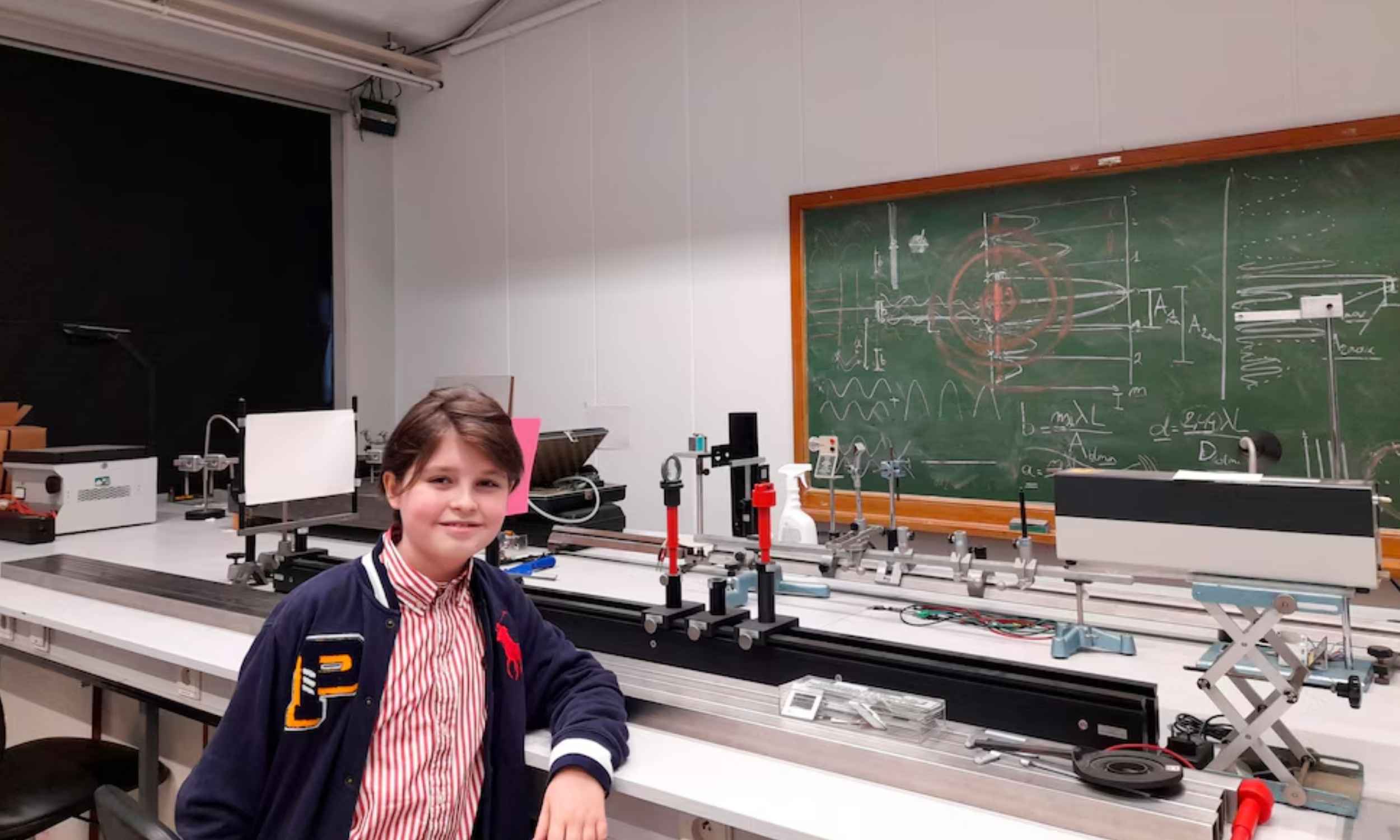
15-Year-Old Quantum PhD Plans to Create AI-Enhanced Superhumans

Originally Published 16 days ago — by Earth.com

Featured image for 15-Year-Old Quantum PhD Plans to Create AI-Enhanced Superhumans
Source: Earth.com

A 15-year-old Belgian researcher, Laurent Simons, has earned a PhD in quantum physics and is working towards creating superhumans, focusing on medical applications and longevity, while conducting advanced research in ultracold quantum systems. His work emphasizes careful experimentation, ethical considerations, and collaborative efforts to ensure meaningful progress in extending healthy lifespan.

Calls for Kennedy's Resignation Over CDC Controversies

Originally Published 4 months ago — by IDSA

A coalition of medical, scientific, and public health organizations calls for the resignation of HHS Secretary Robert F. Kennedy Jr. due to concerns that his policies undermine science and public health efforts, risking increased foodborne illnesses, reduced disease surveillance, weakened vaccination programs, and diminished emergency response capabilities, ultimately threatening the health and safety of Americans.

The Shocking Truth Behind How Anesthesia Works

Originally Published 1 year ago — by LADbible

Featured image for The Shocking Truth Behind How Anesthesia Works
Source: LADbible

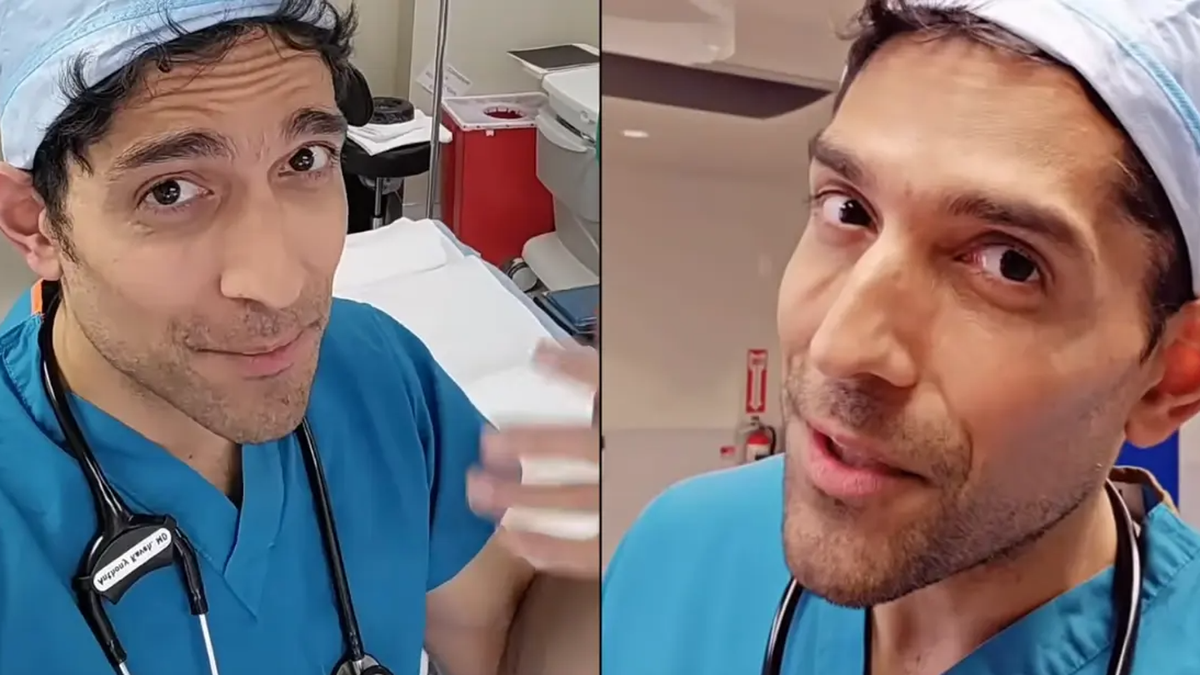
A recent explanation of how anaesthesia works has surprised many, revealing that it doesn't induce sleep but rather turns off the brain, rendering the patient unconscious and unable to perceive pain. This process also involves medications that can paralyze the body and erase memories to reduce anxiety and PTSD risk. The revelation, shared by a medical expert on YouTube, has sparked anxiety and fear among viewers, with some sharing traumatic experiences of waking up mentally during surgery while being physically paralyzed.

"Startup Unveils AI-Powered Head Transplant System, Promises First Procedure Within Decade"

Originally Published 1 year ago — by New York Post

Featured image for "Startup Unveils AI-Powered Head Transplant System, Promises First Procedure Within Decade"
Source: New York Post

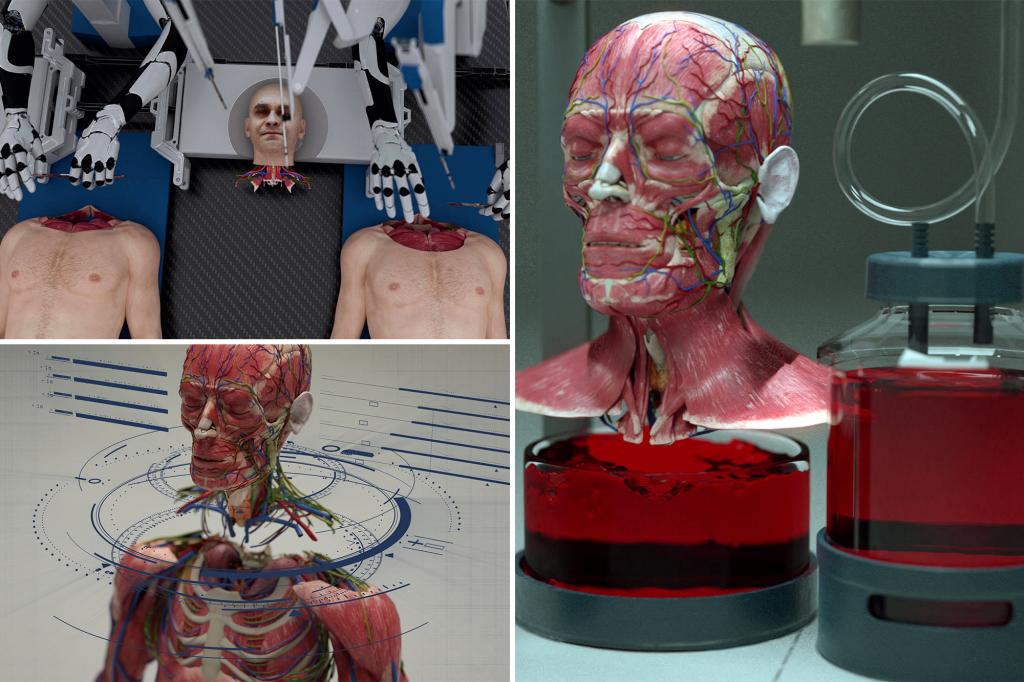
BrainBridge, a neuroscience and biomedical engineering startup, claims to have developed an AI-mechanized system for performing head transplants, with the first procedure planned within a decade. The innovative surgery aims to help patients with untreatable conditions and neurological diseases, maintaining the memories, cognitive abilities, and consciousness of the transplanted individual. The company plans to utilize surgical robots and artificial intelligence for precise reconnection of the spinal cord, nerves, and blood vessels, and aims to attract top scientists to the project.

"The Indestructible Nature of Crocodiles: Unveiling 3 Reasons"

Originally Published 1 year ago — by Forbes

Featured image for "The Indestructible Nature of Crocodiles: Unveiling 3 Reasons"
Source: Forbes

Crocodilians, including crocodiles, gharials, alligators, and caimans, have survived for over 200 million years due to a combination of anatomical and behavioral adaptations. Their almost impenetrable body armor, powerful antioxidants in their blood, and ability to remain still for long periods contribute to their resilience. These survival tactics have drawn the attention of researchers for potential applications in treating human diseases, showcasing how nature's resilience can inform and transform our approach to health challenges.

"Breakthrough: Successful Multi-Gene-Edited Pig Kidney Transplant in Human"

Originally Published 1 year ago — by South China Morning Post

Featured image for "Breakthrough: Successful Multi-Gene-Edited Pig Kidney Transplant in Human"
Source: South China Morning Post

Chinese scientists have achieved another milestone in pig organ transplants by successfully transplanting a pig's kidney with multiple gene edits into a brain-dead human recipient, following their recent world's first pig liver transplant on a human. The transplanted kidney has been functioning well for 13 days, offering hope for end-stage kidney disease patients. The use of pig organs, with gene editing to reduce rejection risk, could provide a solution to organ shortages and help patients waiting for human donors. This breakthrough in xenogenic organ transplantation may pave the way for life-saving operations for millions of people.

"Unveiling the Diversity of Developing Human Heart Cells"

Originally Published 1 year ago — by Livescience.com

Featured image for "Unveiling the Diversity of Developing Human Heart Cells"
Source: Livescience.com

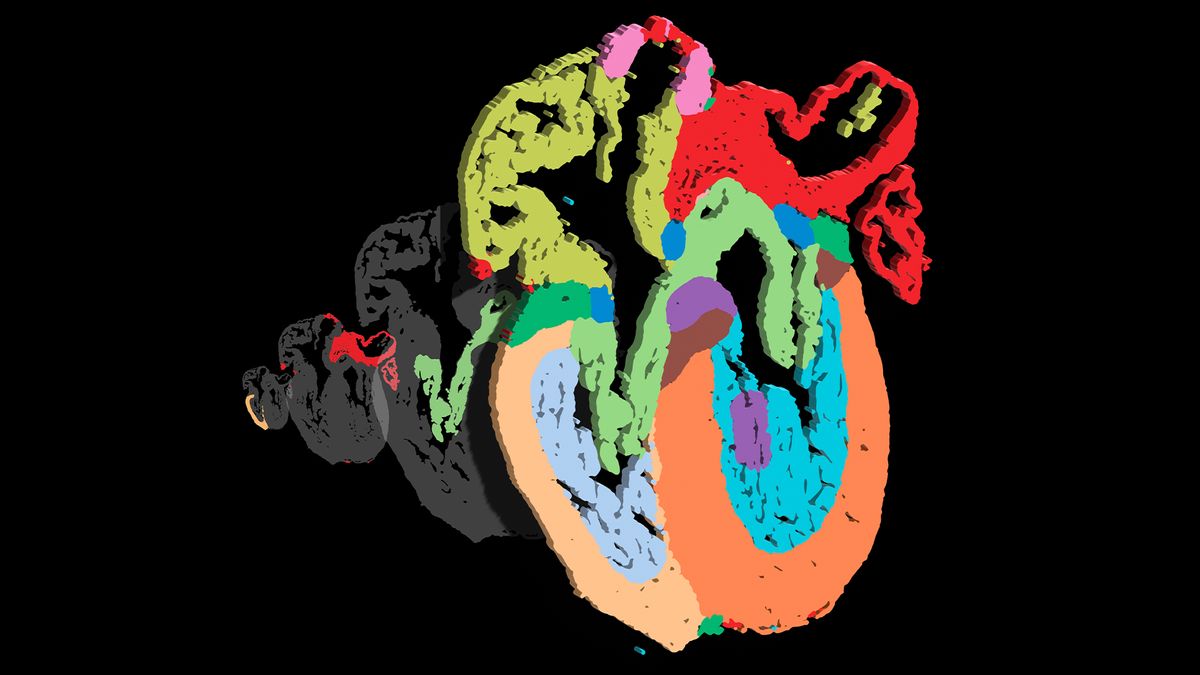
Scientists have created the most detailed map of the developing human heart, revealing 75 types of heart cells, including previously unseen cell types in the heart's valves and muscles. The research, published in Nature, utilized advanced techniques to study whole human hearts donated between weeks 9 and 16 of fetal development, shedding light on how different cells organize to form the heart's structures. The atlas has important implications for understanding congenital heart disease and regenerative medicine, and the next step is to create a full 3D model and a "4D atlas" to track heart development over time.

"Growing Mini Organs from Fetal Cells: A Breakthrough in Personalized Medicine"

Originally Published 1 year ago — by The Economist

Featured image for "Growing Mini Organs from Fetal Cells: A Breakthrough in Personalized Medicine"
Source: The Economist

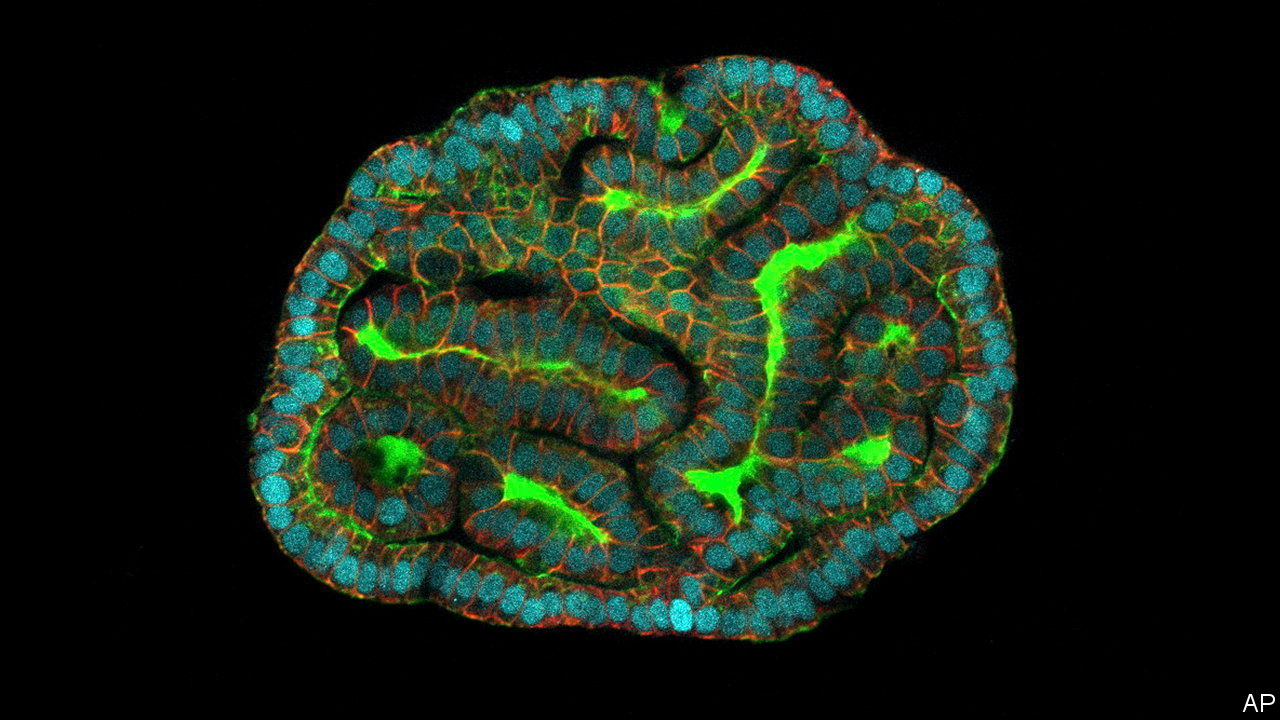
Scientists have developed a method to create simplified versions of a fetus's organs using cells from the amniotic fluid, allowing doctors to study and test treatments without risking the pregnancy. These organoids, resembling simplified organs, can reveal individual features of diseases and their responses to drugs or treatments. The technique has been successfully used to grow kidney, small-intestine, and lung organoids from amniotic-fluid cells, and has shown promise in studying and treating conditions such as congenital diaphragmatic hernia and premature births. While fetal organoids may not be able to replicate all organs and require further research, they hold potential for improving prenatal treatments and understanding fetal development.

"Harvard Scientists' Breakthrough Paves Way for Human Limb Regeneration"

Originally Published 1 year ago — by The Debrief

Featured image for "Harvard Scientists' Breakthrough Paves Way for Human Limb Regeneration"
Source: The Debrief

Harvard University scientists, in collaboration with Kyushu University, have made significant progress in the research of limb regeneration by reprogramming fibroblast cells to mimic limb progenitor cells, which are responsible for limb development in embryos. The team successfully identified a group of genes that, when introduced to fibroblast cells, caused them to take on the properties of limb progenitor cells. While the process has not yet been applied to human cells, the researchers believe it is a significant step toward the goal of helping humans regrow lost limbs and are working to replace the method used to inject genetic information into the cells to reduce the risk of cancerous growth.

"Maximizing Vaccine Effectiveness: The Power of Alternating Arms"

Originally Published 1 year ago — by SciTechDaily

Featured image for "Maximizing Vaccine Effectiveness: The Power of Alternating Arms"
Source: SciTechDaily

New research suggests that alternating arms for multi-dose vaccinations, such as the COVID-19 vaccine, can lead to a significant increase in immune response, up to four times, challenging previous assumptions. The study, involving 947 participants and published in The Journal of Clinical Investigation, found that receiving shots in both arms resulted in a heightened immune response to both the original SARS-CoV-2 strain and the omicron variant. While further research is needed, the findings could have implications for enhancing vaccine efficacy against variants and may apply to other multi-dose vaccinations.

"Remembering Sir Anthony Epstein: Discoverer of the First Cancer-Causing Virus"

Originally Published 1 year ago — by The Telegraph

Featured image for "Remembering Sir Anthony Epstein: Discoverer of the First Cancer-Causing Virus"
Source: The Telegraph

Professor Sir Anthony Epstein, a renowned pathologist and virologist, co-discovered the Epstein-Barr virus, which causes Burkitt lymphoma and glandular fever. His groundbreaking work led to the understanding of how viruses can cause cancer in humans and paved the way for the development of vaccinations. Throughout his career, he made significant contributions to medical science, received numerous accolades, and was a passionate advocate for science education. Professor Sir Anthony Epstein passed away at the age of 102, leaving behind a lasting legacy in the field of cancer research.