Tag

Antiviral

All articles tagged with #antiviral

Top Clinical Trials and Results to Watch in Early 2026

Originally Published 6 days ago — by BioPharma Dive

Featured image for Top Clinical Trials and Results to Watch in Early 2026
Source: BioPharma Dive

The article previews ten significant clinical trials expected in the first half of 2026, focusing on Eli Lilly's obesity drug retatrutide, Merck's flu antiviral CD388, Regenxbio's gene therapy for Duchenne muscular dystrophy, Novartis' Lp(a) cardiovascular treatment, and other innovative therapies for rare diseases and cardiovascular conditions. Success in these trials could lead to major advancements and market approvals in their respective fields.

Link Between Herpes Virus and Alzheimer's Disease Explored

Originally Published 5 months ago — by OregonLive.com

Featured image for Link Between Herpes Virus and Alzheimer's Disease Explored
Source: OregonLive.com

The article discusses the potential link between herpes virus infections and Alzheimer's disease, noting that while L-lysine may help reduce herpes outbreaks, there is no conclusive evidence yet that it prevents Alzheimer's. Vaccination against shingles may lower Alzheimer's risk, but more research is needed. The article also emphasizes the importance of proper treatment for severe allergic reactions, warning against using over-the-counter alternatives like Primatene Mist for anaphylaxis.

"Paxlovid's Limited Efficacy in Shortening Covid Symptoms for Vaccinated Adults Revealed"

Originally Published 1 year ago — by Endpoints News

Featured image for "Paxlovid's Limited Efficacy in Shortening Covid Symptoms for Vaccinated Adults Revealed"
Source: Endpoints News

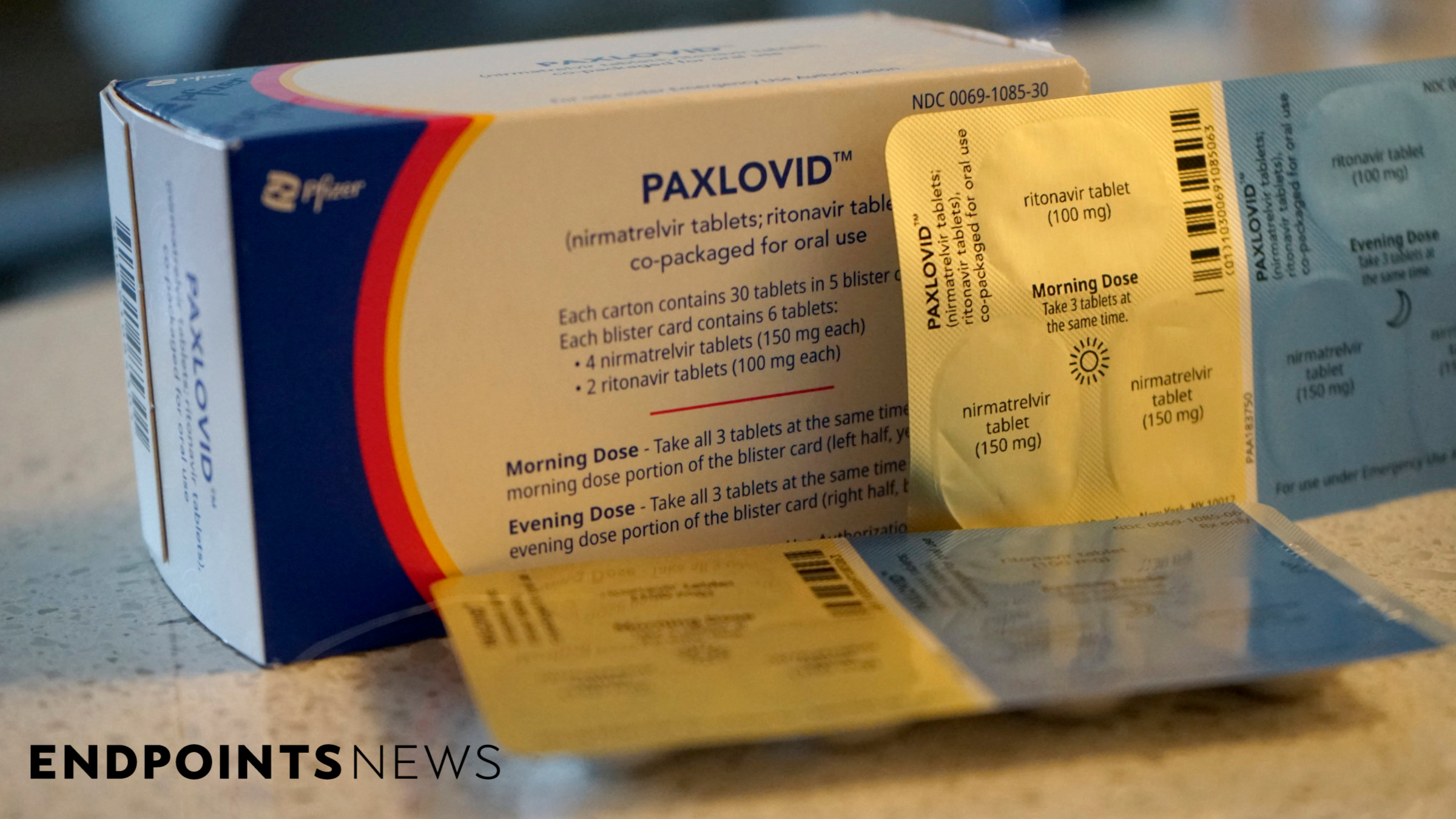
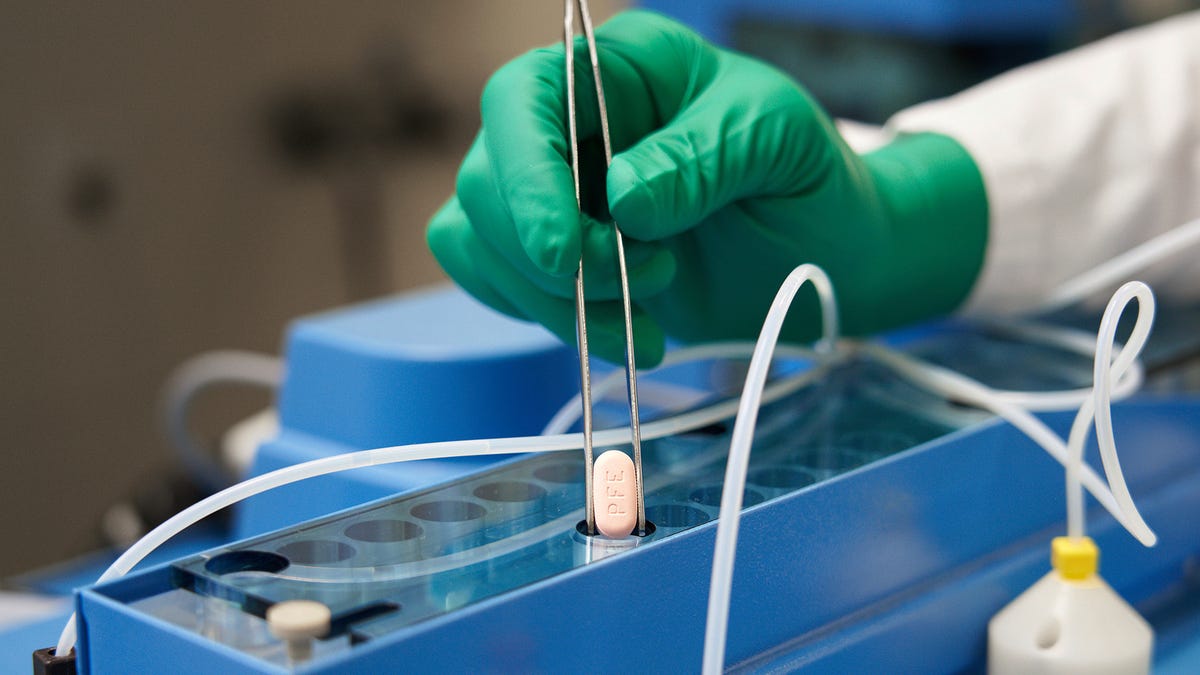
Full trial results published in the New England Journal of Medicine confirm that Pfizer's antiviral drug Paxlovid did not shorten Covid-19 symptoms in vaccinated adults and those at low risk for severe symptoms, despite being marketed as a treatment for the virus. The pill was granted full approval last May to treat mild-to-moderate Covid-19 in adults at high risk for developing severe symptoms.

"Harnessing the Power of Willow Bark Extract for Antiviral Defense"

Originally Published 2 years ago — by SciTechDaily

Featured image for "Harnessing the Power of Willow Bark Extract for Antiviral Defense"
Source: SciTechDaily

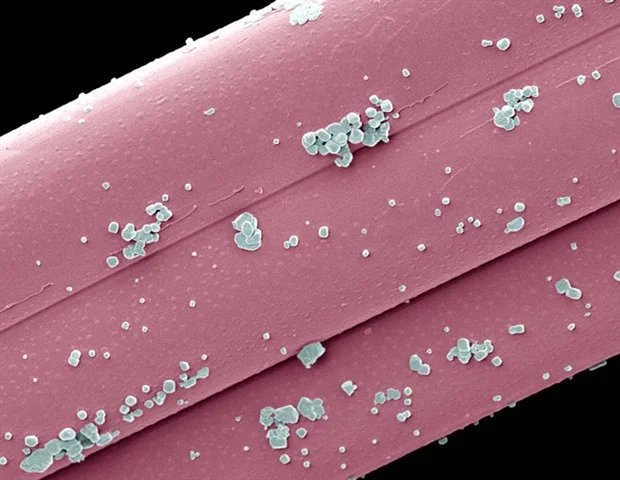
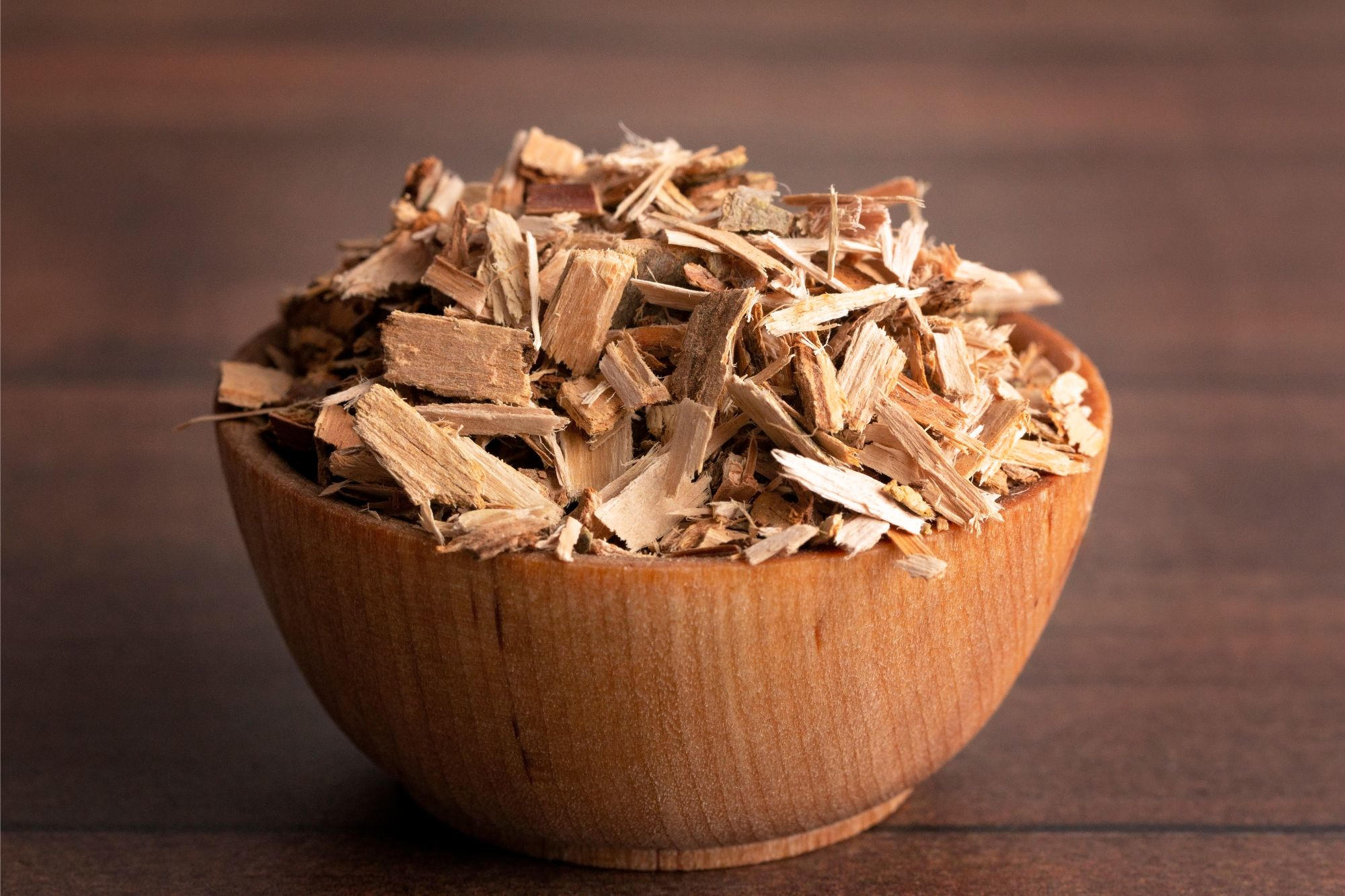
Researchers in Finland have discovered that willow bark extract exhibits potent antiviral properties against a range of viruses, including COVID-19 and enteroviruses. The extract, derived from the same plant that yields aspirin, has shown promise in inhibiting viral activity without harming cells. The study's findings suggest that willow bark extract could lead to the development of new antiviral treatments, offering a potential solution for combating viral infections and addressing future outbreaks. Further research is needed to identify the specific bioactive compounds responsible for the extract's antiviral effects, with the aim of developing revolutionary new antiviral medications.

"Understanding Paxlovid: The Antiviral Pill for Preventing COVID Deaths"

Originally Published 2 years ago — by USA TODAY

Featured image for "Understanding Paxlovid: The Antiviral Pill for Preventing COVID Deaths"
Source: USA TODAY

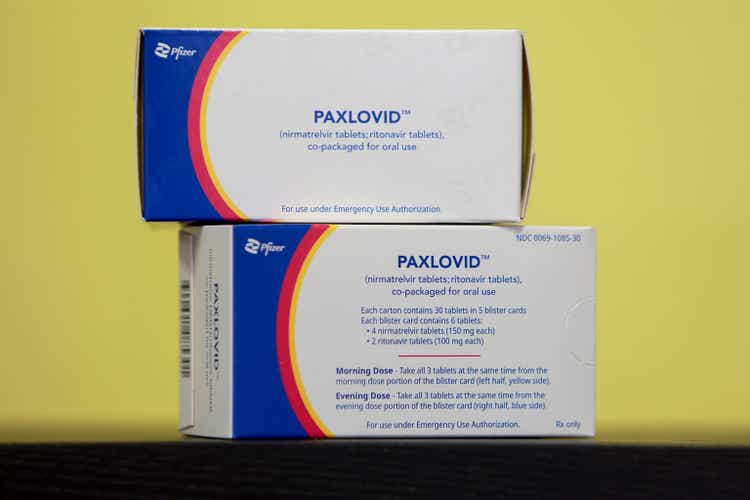
Despite its effectiveness in reducing hospitalizations and deaths among high-risk COVID-19 patients, the antiviral drug Paxlovid has seen slow uptake due to concerns about interactions with other medications, minor side effects, and affordability. The medication, a combination of ritonavir and nirmatrelvir, is given in a five-day course and is available by prescription for those aged 12 and older at high risk for severe disease. While the federal government initially provided the drug for free, Pfizer now distributes it at a cost, raising concerns about access for some patients. Despite its potential to prevent hospitalizations and deaths, Paxlovid's slow adoption represents a missed opportunity in the fight against COVID-19.

Real-world study shows lower efficacy of Pfizer's Paxlovid

Originally Published 2 years ago — by Seeking Alpha

Featured image for Real-world study shows lower efficacy of Pfizer's Paxlovid
Source: Seeking Alpha

A real-world observational study has revealed that Pfizer's COVID-19 antiviral, Paxlovid, is not as effective in preventing hospitalization or death in high-risk patients as previously shown in earlier studies. The study found that Paxlovid was 37% effective, compared to earlier studies that reported efficacy rates as high as 89%. It is worth noting that the earlier studies were conducted in an unvaccinated population. The study also examined Merck's COVID antiviral, Lagevrio, which demonstrated a 41% reduction in hospitalizations and death compared to placebo. The research was based on the medical records of approximately 69,000 patients in Florida and Ohio.

"Unlocking the Power of Star Anise: Nature's Immune-Boosting Digestive Aid"

Originally Published 2 years ago — by First For Women

Featured image for "Unlocking the Power of Star Anise: Nature's Immune-Boosting Digestive Aid"
Source: First For Women

Star anise, a spice commonly used in cooking, has been used in Traditional Chinese Medicine for thousands of years and is known for its immune-boosting benefits. It contains potent antiviral, antimicrobial, and anti-inflammatory compounds that can help fight respiratory infections, soothe digestive issues, promote better sleep, and more. The spice is rich in antioxidants and specific compounds like shikimic acid, which is also found in the antiviral drug Tamiflu. Research suggests that star anise may even have the ability to ward off the SARS-CoV-2 virus. It can be consumed in various forms, such as whole star, ground, oil, or capsules, and can be added to dishes or brewed into tea for its health benefits.

FDA Fully Approves Pfizer's Oral Antiviral Paxlovid for COVID-19 Treatment in Adults

Originally Published 2 years ago — by FDA.gov

Featured image for FDA Fully Approves Pfizer's Oral Antiviral Paxlovid for COVID-19 Treatment in Adults
Source: FDA.gov

The FDA has approved Paxlovid, an oral antiviral pill, for the treatment of mild-to-moderate COVID-19 in adults who are at high risk for progression to severe COVID-19. Paxlovid is the fourth drug and the first oral antiviral pill approved by the FDA to treat COVID-19 in adults. The efficacy of Paxlovid was primarily supported by the final results of the EPIC-HR clinical trial, which showed an 86% reduction in the proportion of people with COVID-19 related hospitalization or death from any cause through 28 days of follow-up.

Unveiling the Wonders of Buransh: Benefits and Uses

Originally Published 2 years ago — by Times of India

Featured image for Unveiling the Wonders of Buransh: Benefits and Uses
Source: Times of India

Buransh, also known as Rhododendron, is a flowering tree found in the Himalayas that has been used for its medicinal and therapeutic properties for ages. Its juice and squash are known to have anti-inflammatory, anti-cancer, and insulin-balancing properties, among others. Buransh has also been found to have antiviral properties and was used in the creation of the vaccine for SARS-CoV-2. To make Buransh juice or squash at home, soak the flowers in water, cook them till the water turns pinkish, strain the blend, and mix it with sugar/honey/stevia and chilled water.

Molnupiravir's impact on post-COVID sequelae: cohort study findings.

Originally Published 2 years ago — by The BMJ

Featured image for Molnupiravir's impact on post-COVID sequelae: cohort study findings.
Source: The BMJ

A cohort study conducted by the US Department of Veterans Affairs found that treatment with the antiviral drug molnupiravir within five days of a positive COVID-19 test result was associated with a reduced risk of post-acute sequelae of SARS-CoV-2 (PASC) in people with at least one risk factor for severe COVID-19. The study also found that molnupiravir was associated with reduced risk of post-acute death, post-acute hospital admission, and eight of the 13 prespecified post-acute sequelae. The findings suggest that molnupiravir use may be a viable approach to reduce the risk of PASC in people at high risk of severe COVID-19.