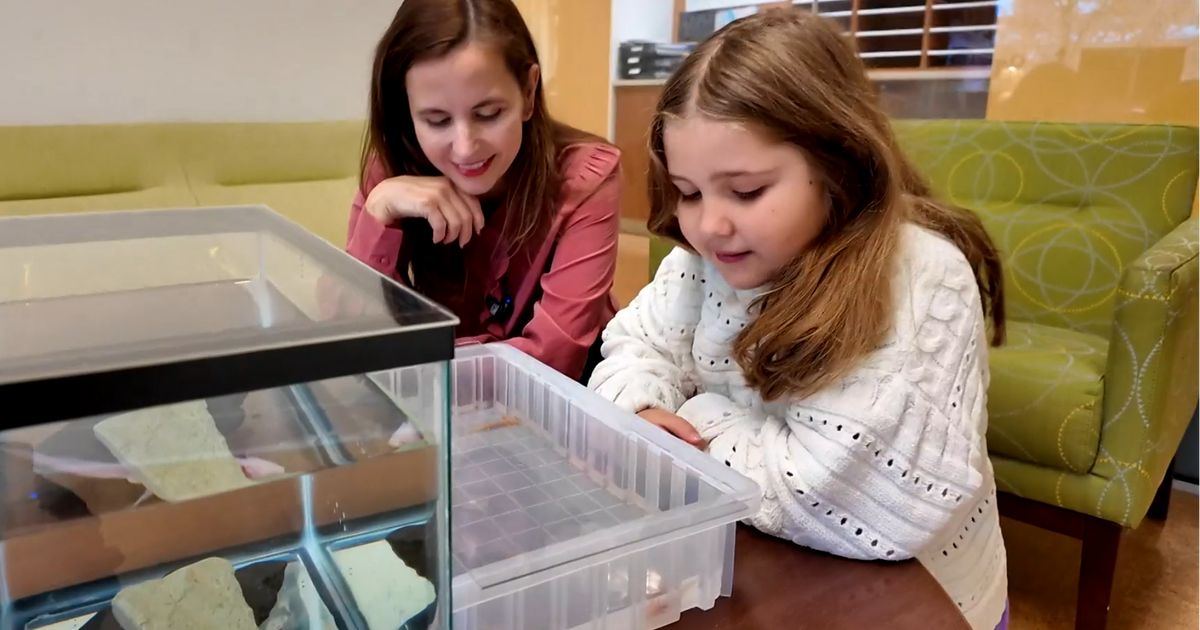
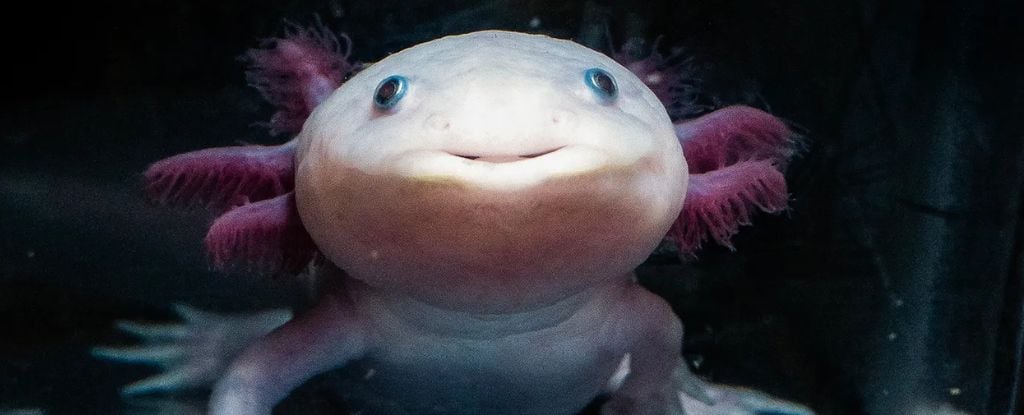
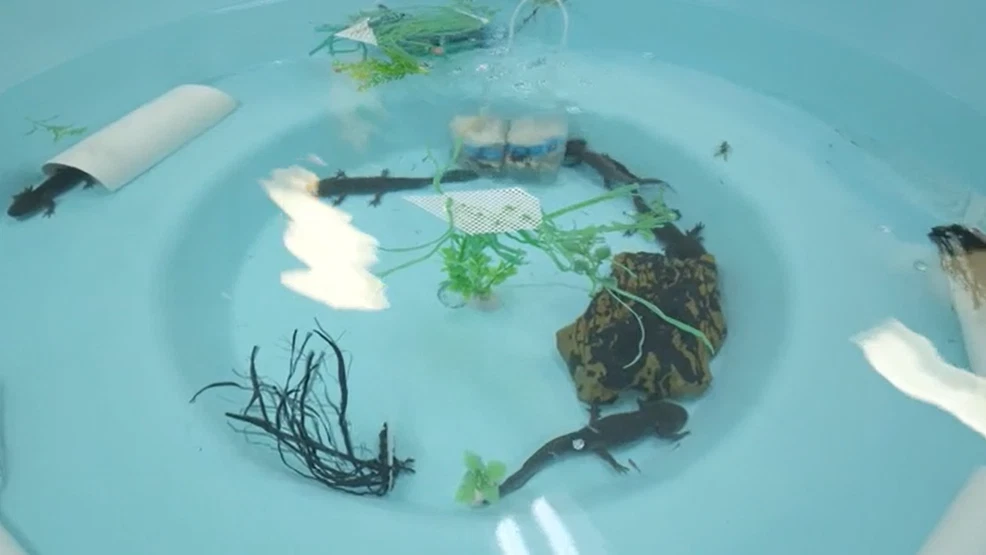
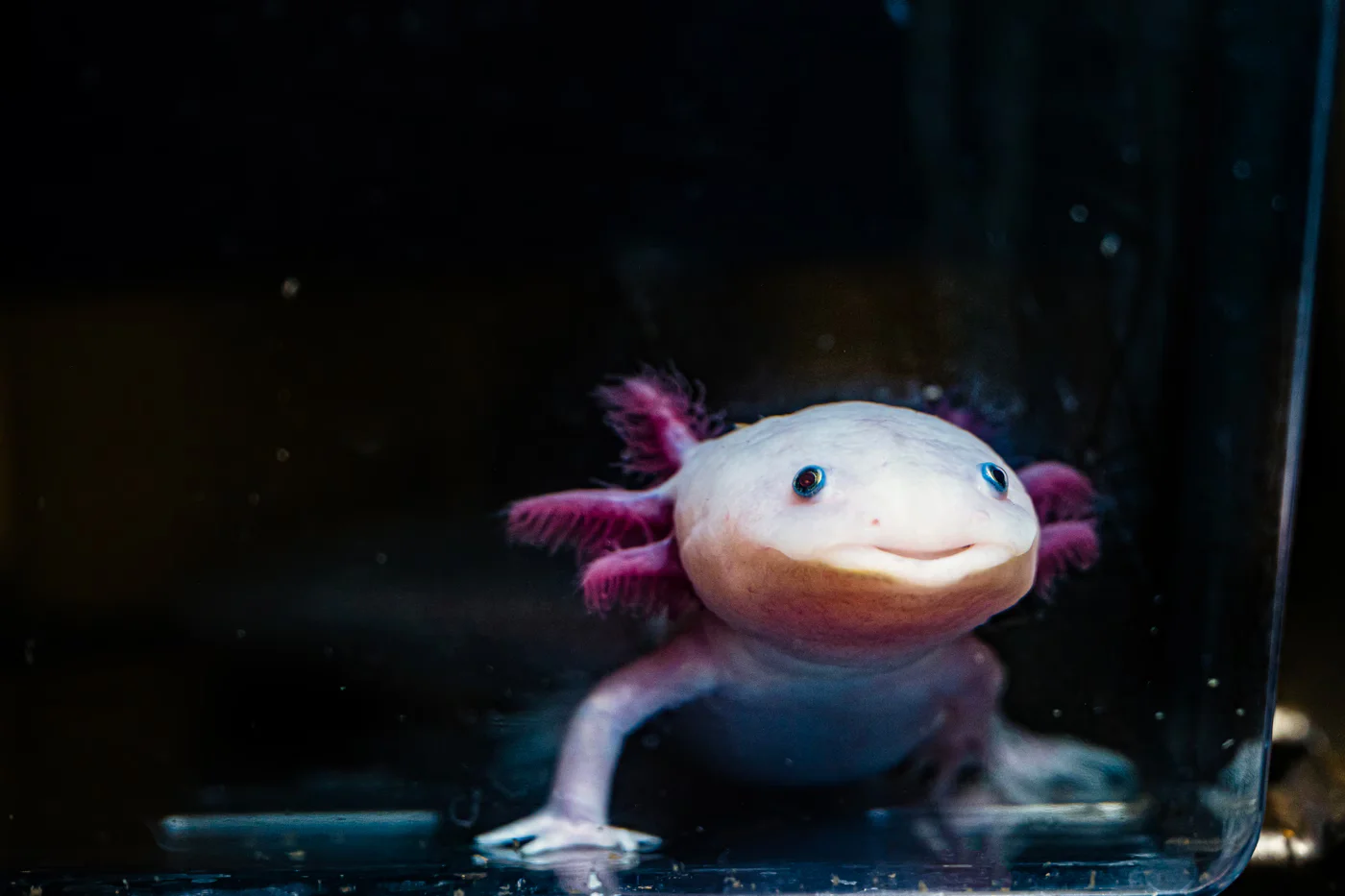
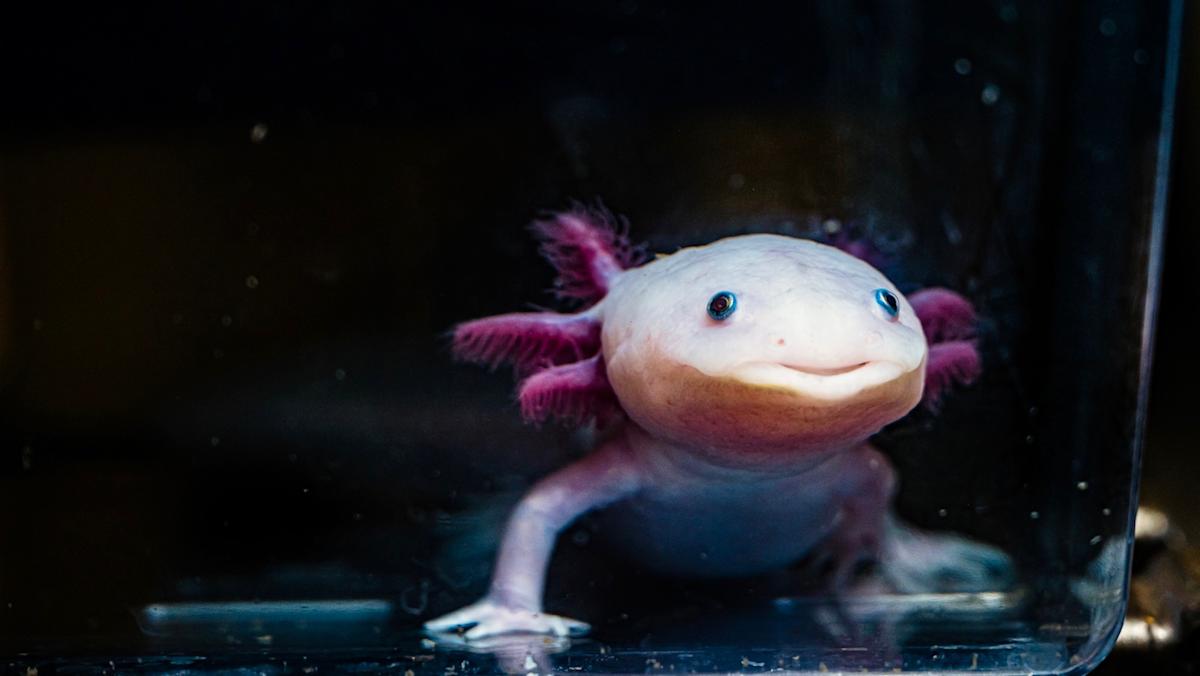
A Harvard research team studying axolotls lost funding but was saved by a 6-year-old girl, Marianne Cullen, who raised about $1,000 to support their work on limb regeneration, highlighting the impact of individual contributions on scientific research.
Scientists have identified a key molecule, retinoic acid, involved in axolotl limb regeneration, which could lead to advances in human regenerative medicine, including scar-free healing and limb regrowth. The research suggests that understanding and manipulating cellular responses to these signals in humans might one day enable us to grow back limbs or repair tissues more effectively.
A study by Northeastern University has identified retinoic acid, a compound used in acne treatments, as a key factor in the axolotl's ability to regenerate limbs, bringing scientists closer to applying similar regenerative techniques in humans.
A study by Northeastern University has identified retinoic acid, a compound used in acne treatments, as a key factor in the axolotl's ability to regenerate limbs, bringing scientists closer to applying similar regenerative techniques in humans.
Scientists have discovered that a chemical called retinoic acid, found in acne medicine, plays a crucial role in limb regeneration in axolotls by guiding tissue growth and patterning, bringing us closer to potential human limb regeneration in the future.
Harvard University scientists, in collaboration with Kyushu University, have made significant progress in the research of limb regeneration by reprogramming fibroblast cells to mimic limb progenitor cells, which are responsible for limb development in embryos. The team successfully identified a group of genes that, when introduced to fibroblast cells, caused them to take on the properties of limb progenitor cells. While the process has not yet been applied to human cells, the researchers believe it is a significant step toward the goal of helping humans regrow lost limbs and are working to replace the method used to inject genetic information into the cells to reduce the risk of cancerous growth.
Researchers at EPFL and TU Dresden have discovered new insights into the limb regeneration abilities of axolotls, challenging previous assumptions. By creating an atlas of single-cell transcriptomes from multiple species, including humans and axolotls, the study revealed that axolotls have cells with characteristics similar to those essential for limb development in other species. However, the study also found that axolotls do not fully reform apical-ectodermal-ridge (AER) cells during limb regeneration, suggesting a unique approach to limb regrowth. These findings open up new possibilities for exploring limb regeneration strategies in mammals, including humans.
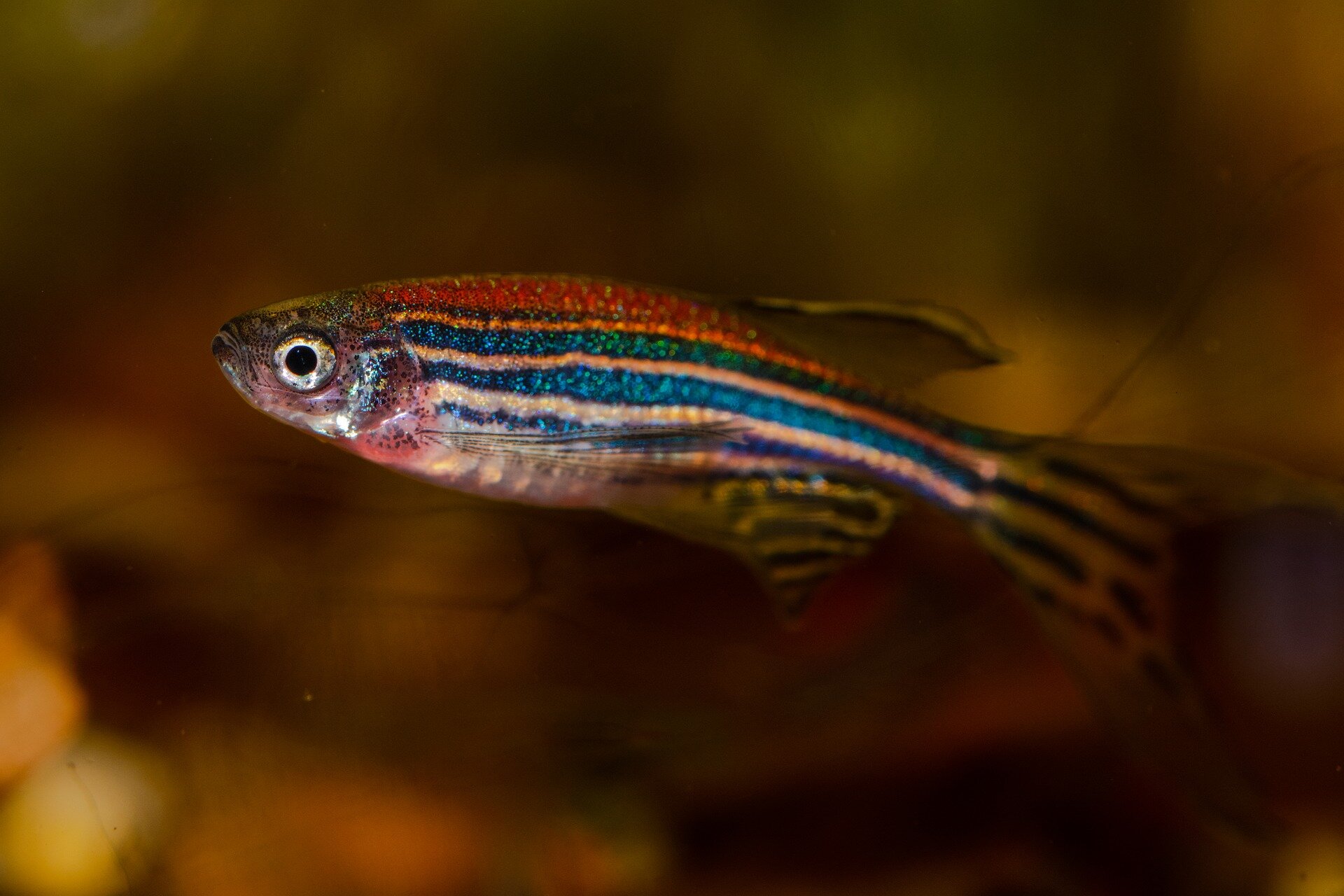
Biologists from Taiwan and the Philippines have identified mechanical waves involved in the regeneration of amputated tailfins in zebrafish. Through live-cell imaging, they observed a cell density wave propagating away from the amputated tissue during the regeneration process. The researchers developed mechanical models to explain this wave behavior, suggesting the involvement of an in vivo position-sensing mechanism based on traveling density waves in the regeneration process.