Scientists have developed a less invasive method to collect amniotic stem cells, which could reduce risks for pregnant individuals and fetuses, and aid in treating congenital conditions like spina bifida and heart defects.
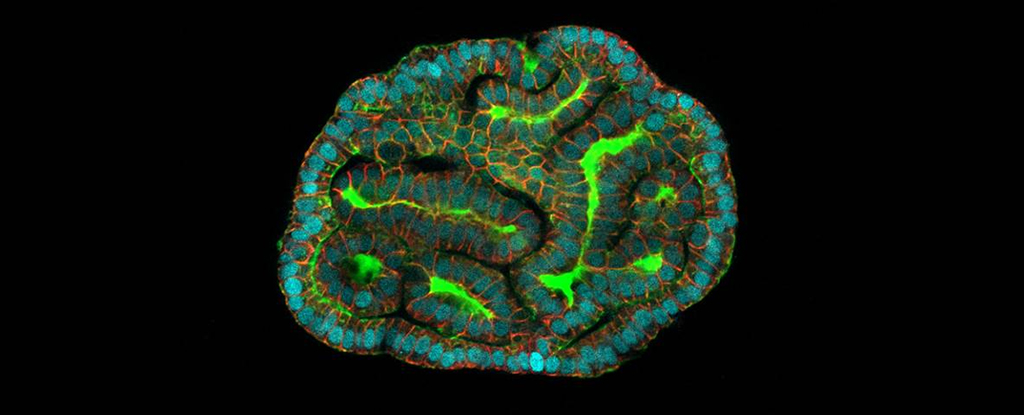
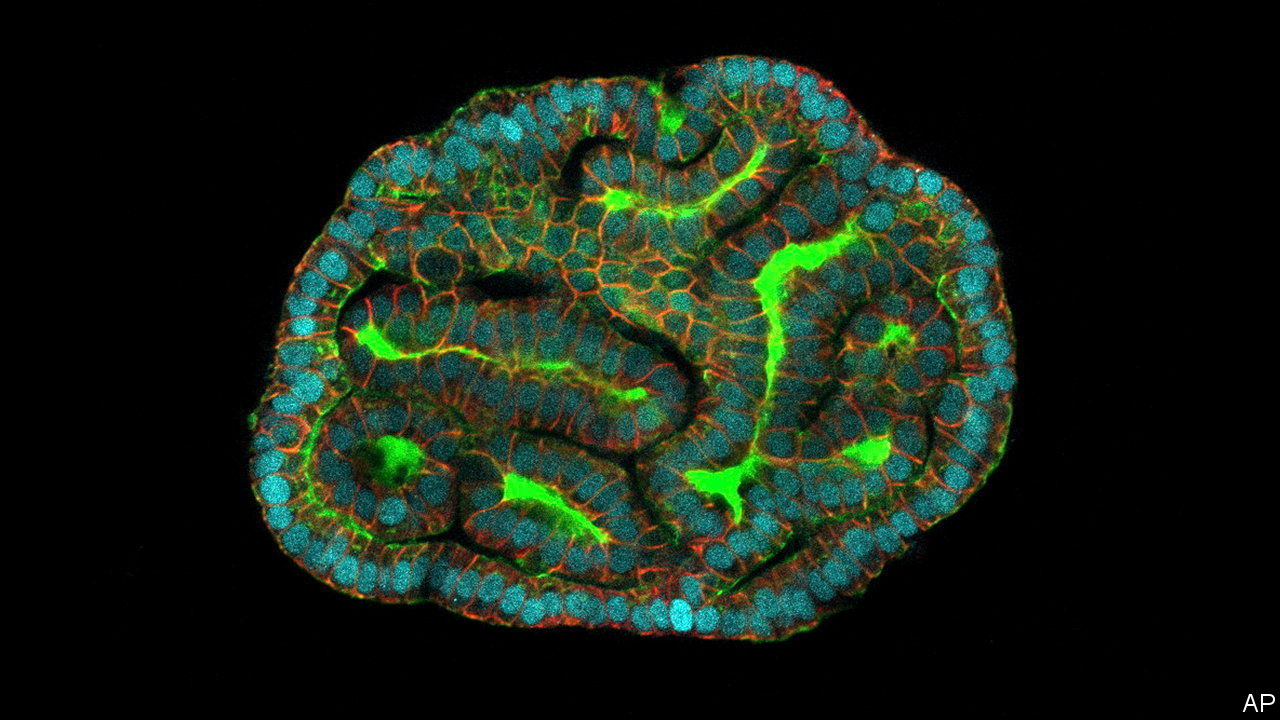
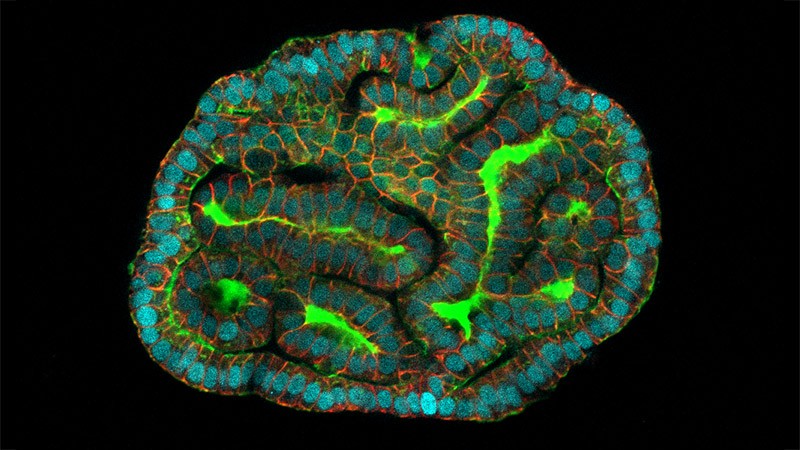
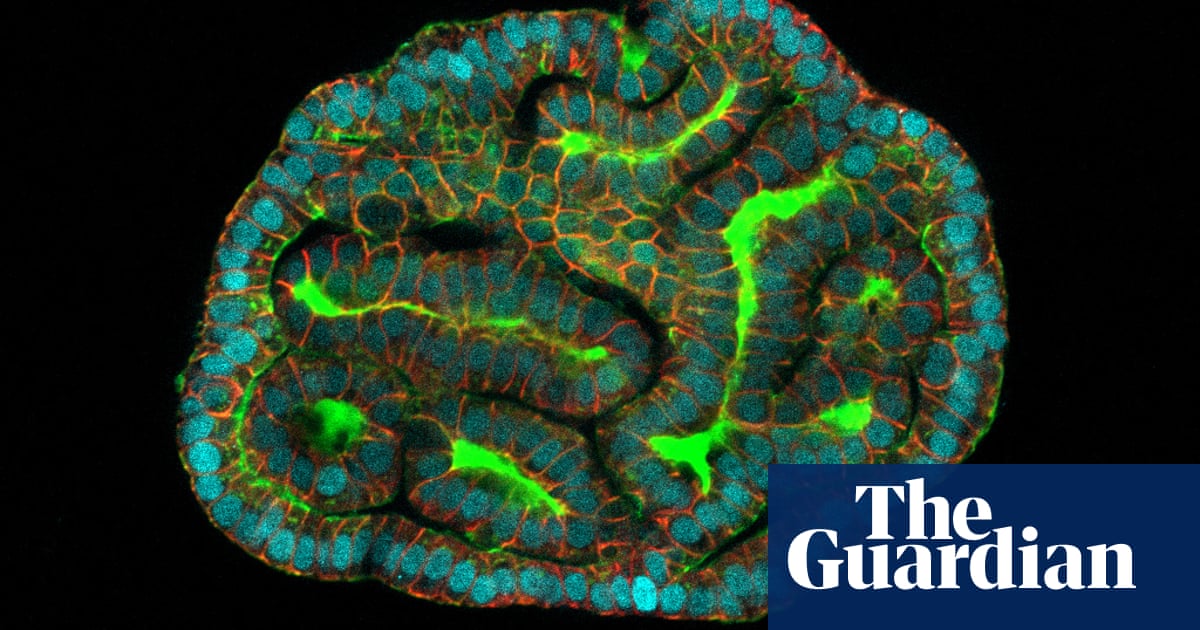
Scientists have successfully grown organoids of human organs from live fetus cells, offering new insights into prenatal development and potential treatments for malformations. These organoids, developed from amniotic fluid cells, mimic the functions of real tissues and can be used to study diseases and human biology. The breakthrough could lead to prenatal diagnosis and treatment of conditions such as congenital diaphragmatic hernia, offering a new avenue for prenatal medicine and drug testing for unborn babies.
Scientists have developed a method to create simplified versions of a fetus's organs using cells from the amniotic fluid, allowing doctors to study and test treatments without risking the pregnancy. These organoids, resembling simplified organs, can reveal individual features of diseases and their responses to drugs or treatments. The technique has been successfully used to grow kidney, small-intestine, and lung organoids from amniotic-fluid cells, and has shown promise in studying and treating conditions such as congenital diaphragmatic hernia and premature births. While fetal organoids may not be able to replicate all organs and require further research, they hold potential for improving prenatal treatments and understanding fetal development.
Researchers have successfully grown organoids from cells found in amniotic fluid collected from ongoing pregnancies, offering a potential new way to study and understand congenital diseases that develop in the fetus during pregnancy. The organoids, which mimic tissue, were grown from lung, kidney, and small intestine cells and could provide insights into how congenital conditions progress and potentially personalize treatment for individual fetuses in the future. This method could offer a simpler and faster alternative to growing organoids from induced pluripotent stem cells, but further research is needed to determine their usefulness for modeling diseases and drug testing.
Scientists have successfully grown mini-organs, known as organoids, from cells shed by foetuses in the womb, using untreated cells from amniotic fluid. This breakthrough could provide unprecedented insights into human development during late pregnancy and help diagnose and treat congenital disorders. The research has shown promise in studying conditions such as congenital diaphragmatic hernia and could potentially lead to testing drugs on organoids before administering them to unborn babies with congenital disorders. This approach may also shed light on the early origins of adult diseases and provide a new way to understand how key organs form and function in unborn babies.
The FDA has issued a public safety notification warning people not to use eye drops containing amniotic fluid, which is largely fetal urine, to treat eye conditions such as dry eyes and inflammation. The drops are unapproved and require an investigational new drug application and full FDA approval before hitting the market. The agency has found unapproved products on the market, raising potential significant safety concerns, and there is only one published clinical trial of amniotic fluid eye drops, which found them to be ineffective.