Starting January 1, five states (Indiana, Iowa, Nebraska, Utah, and West Virginia) will implement new restrictions on certain foods, like soda and candy, that can be purchased with SNAP benefits, aiming to improve public health but facing industry and logistical challenges.
A draft MAHA strategy suggests limited changes to pesticide regulations, favoring industry interests, while proposing new food and vaccine policies focused on voluntary commitments, labeling, and safety improvements, amidst ongoing debates over pesticide safety and vaccine efficacy.
The release of Kennedy's MAHA strategy, which aims to overhaul responses to childhood chronic diseases and impact food, farm, and health policies, has been delayed. Stakeholders and industry groups have heavily lobbied on its contents, and while the White House has previewed the report, its public release has been postponed amid ongoing political and lobbying pressures, especially from advocates pushing for stricter pesticide bans and vaccine restrictions.
President-elect Donald Trump's decision to appoint Robert F. Kennedy Jr. to head the Department of Health and Human Services has raised concerns among U.S. farmers and agriculture experts. They fear Kennedy's unscientific views could disrupt the $1.5 trillion food industry, particularly his opposition to genetically modified seeds and pesticides. Additionally, Trump's proposal to impose tariffs on Chinese goods is causing alarm, as it could significantly impact U.S. soybean and corn farmers. Some support Kennedy's focus on reducing corporate influence in food policy, but the overall response is mixed.
Dr. Mark Hyman, a wellness expert, supports Robert F. Kennedy Jr.'s potential appointment to address chronic disease in the U.S., despite Kennedy's controversial views on vaccines. Hyman emphasizes the need for systemic changes in food and health policies, criticizing ultra-processed foods as a major health threat. Kennedy, who has been critical of vaccines, aims to reform public health agencies, though many experts express concern over his influence. Hyman also warns against relying on drugs like Ozempic for weight loss, advocating for dietary changes instead.
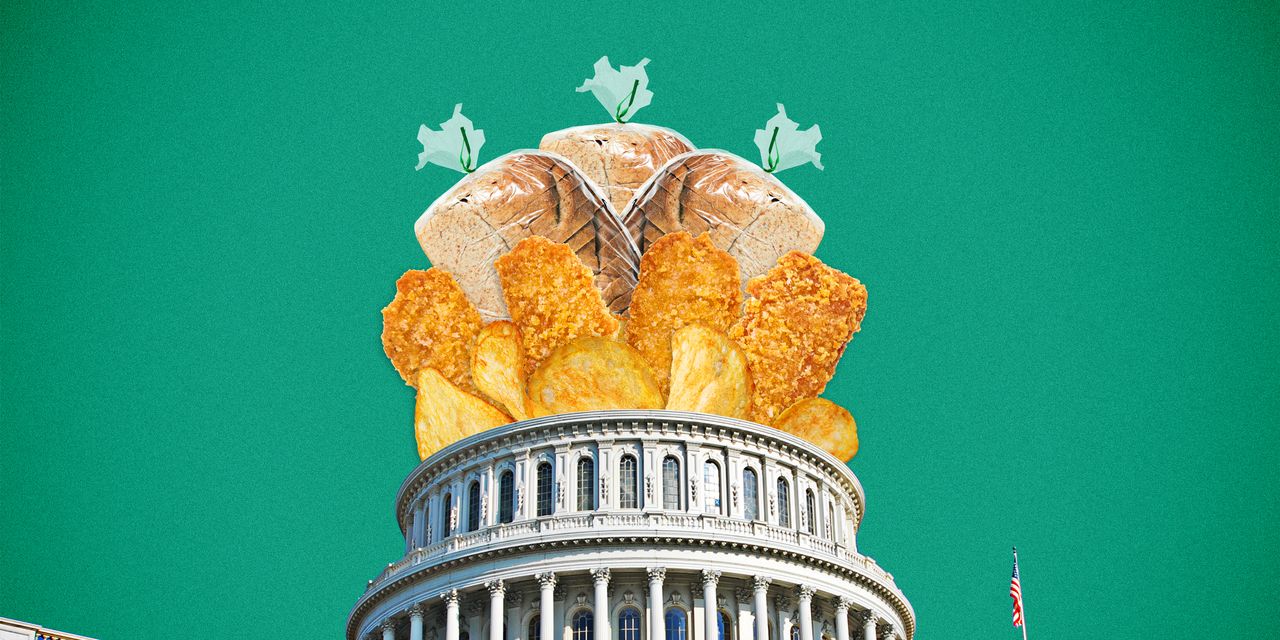
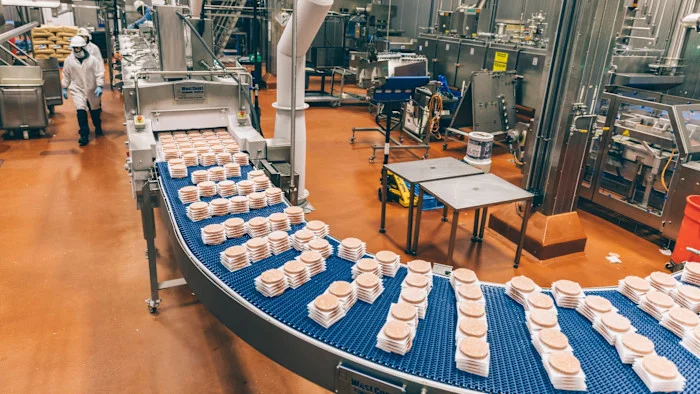
The food industry is facing a new challenge with the term "ultra-processed foods" as manufacturers fear its impact on U.S. food policy and consumer perception. This term is causing a stir in the industry, with concerns about its potential to influence regulations and consumer choices, adding to the ongoing battle over food labeling and health implications.