Tag

Mass Spectrometry

All articles tagged with #mass spectrometry

chemistry1 year ago

"Chemistry's Workhorse Separates Mirror-Image Molecules"

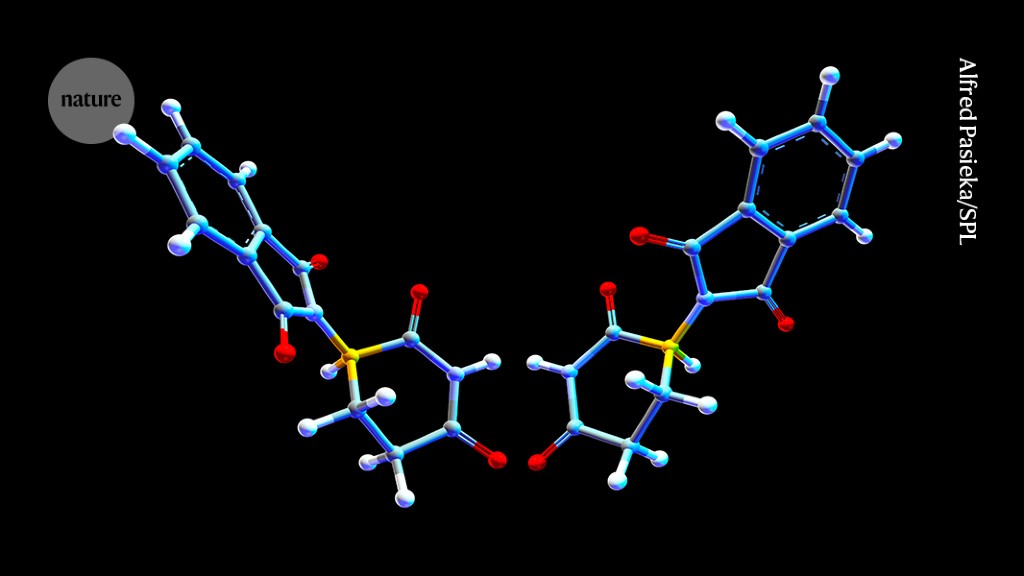
Chemists have demonstrated the use of mass spectrometry to separate chiral molecules, which exist as mirror-image structures with different properties. This breakthrough could streamline the laborious process of separating enantiomers, crucial in drug discovery, by allowing for quick determination of enantiomeric excess and confirmation of molecular structures. The technique, described in Science, has the potential to simplify and expedite the preparation of pure samples of enantiomers in larger quantities, with implications for drug design and discovery.

science-and-technology1 year ago

"microbeMASST: Advancing Microbial Metabolomics with Taxonomic Insight and Mass Spectrometry"

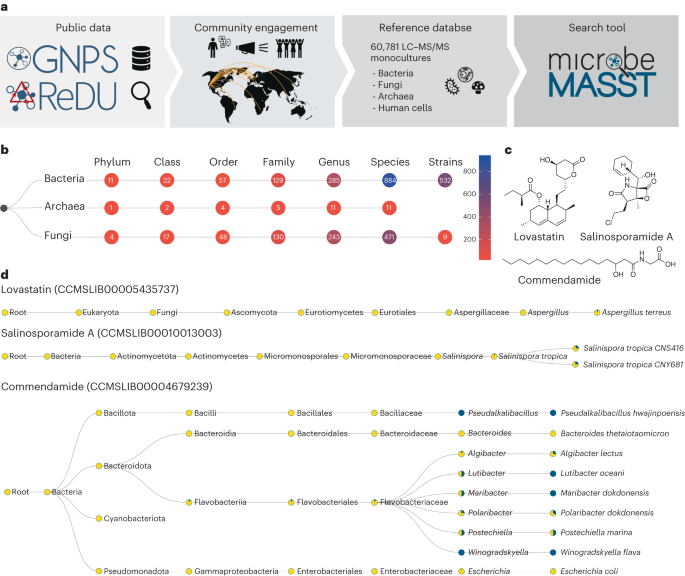
microbeMASST is a new search tool that leverages public mass spectrometry repository data to identify the microbial origin of known and unknown metabolites and map them to their microbial producers. It contains a reference database of microbial monocultures and allows users to search tandem mass spectrometry (MS/MS) spectra obtained from their experiments against the repository. The tool provides search results within seconds and displays them in interactive taxonomic trees, enabling users to filter results and access additional information. It has been used to identify microbial metabolites in mouse datasets and has the potential to enhance understanding of microbial metabolites across various ecosystems.

science-and-technology2 years ago

Unveiling Human Chemical Structures through Reverse Metabolomics

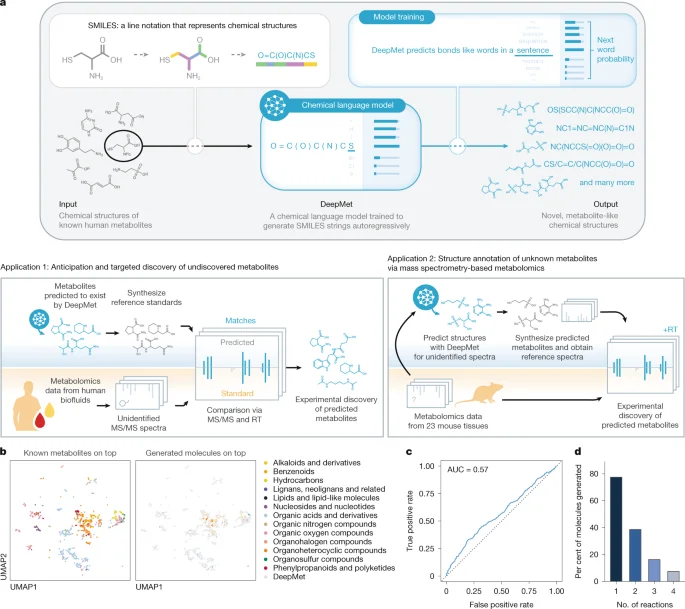
Researchers from the Skaggs School of Pharmacy and Pharmaceutical Sciences at the University of California San Diego have developed a technique called reverse metabolomics to identify chemical structures in the human body. By analyzing mass spectrometry data, the researchers were able to map the metabolic pathways of various compounds, including those produced by the human microbiome. This approach has the potential to advance our understanding of human health and disease, as well as aid in the discovery of new therapeutic targets.

science-and-technology2 years ago

Streamlining Structural Biology: Innovations in Soft-Landing Techniques

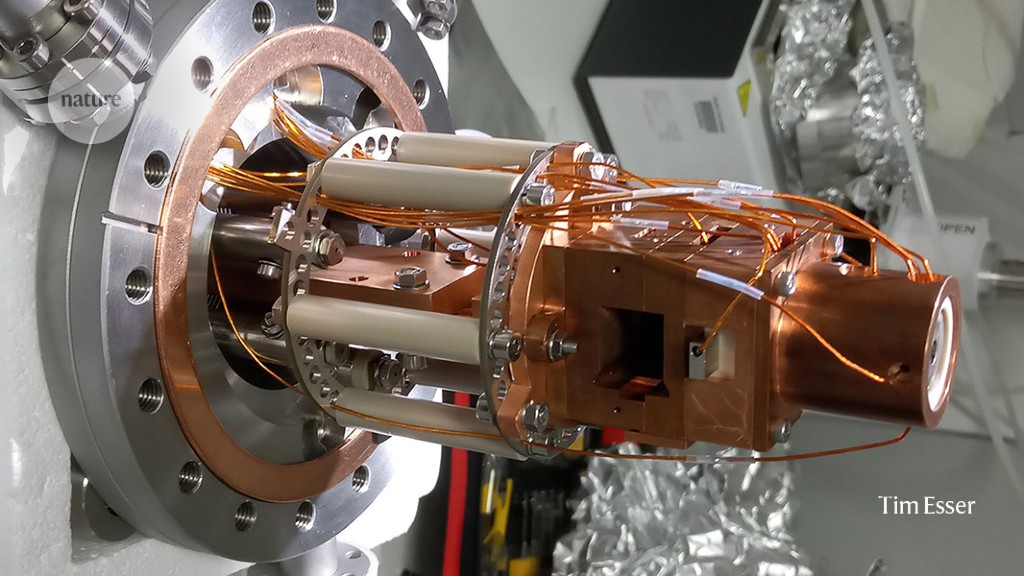
Soft-landing mass spectrometry, a technique that gently lands intact proteins for analysis, shows promise in simplifying protein structure determination for cryo-electron microscopy (cryo-EM). By minimizing damage to proteins during the landing process, researchers have achieved near-atomic-resolution cryo-EM structures for proteins. This method could revolutionize protein sample preparation, allowing for the generation of high-resolution protein structures with greater precision and efficiency. However, further research is needed to optimize the technique and ensure that proteins retain their natural structure throughout the process. Soft-landing mass spectrometry also holds potential for single-molecule protein analysis and other structural analysis methods.

science-and-technology2 years ago

Unraveling the Mystery: Scientists Seek the Hidden 99 Percent

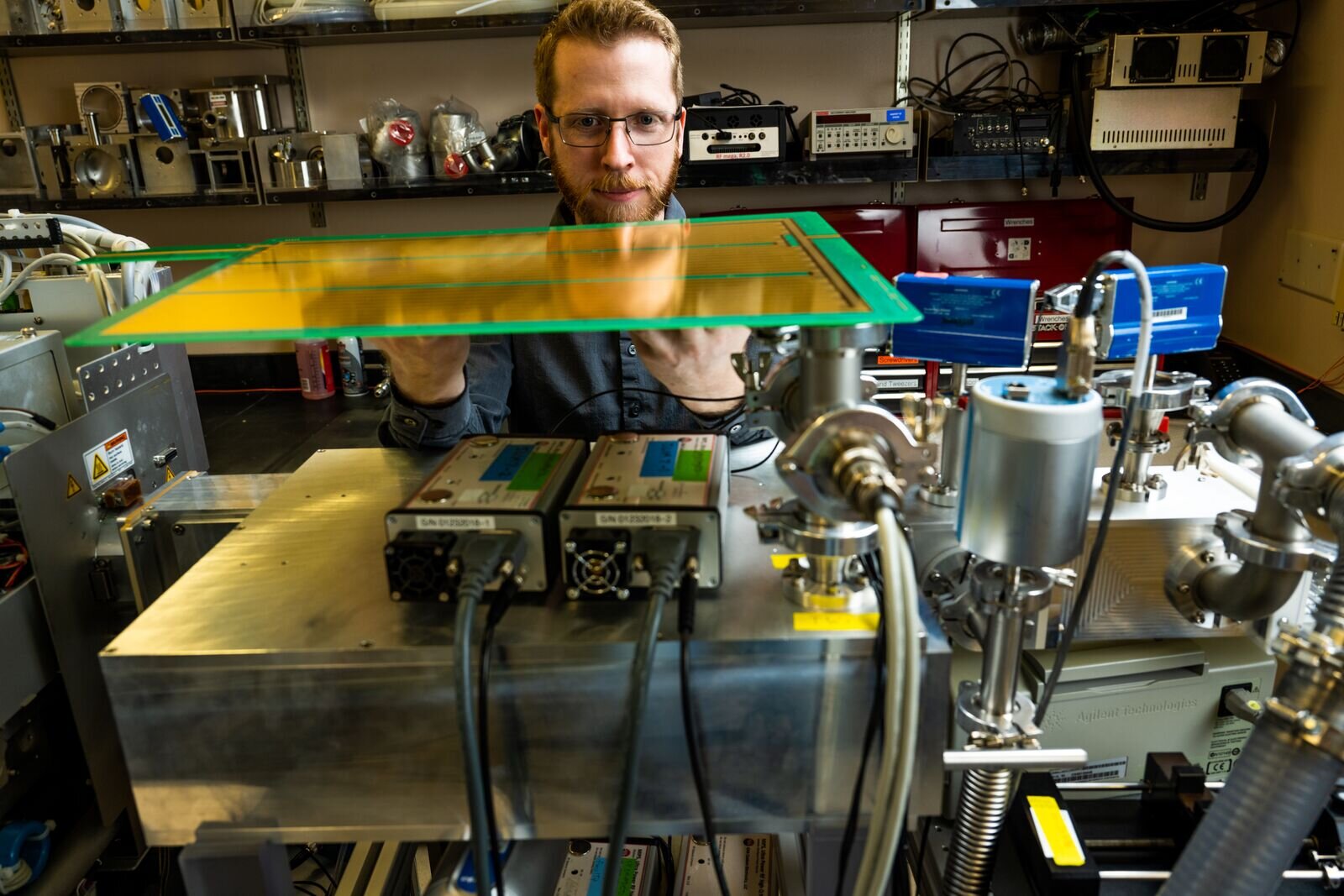
Scientists at the Department of Energy's Pacific Northwest National Laboratory are developing new mass spectrometry techniques to identify the 99% of chemical compounds that have not yet been characterized. By combining two high-resolution instruments, they aim to unlock potential cures for diseases, tackle climate change, and identify new chemical threats. This research is part of the m/q Initiative, which seeks to explore the vast sea of unknown compounds and revolutionize the field of mass spectrometry. The new technique allows for faster and more accurate measurements of chemical compounds, providing valuable information about their structure and potential applications.

health2 years ago

"Breakthrough: Researchers Unveil Rapid and Reliable COVID-19 Detection Method"

Researchers from Martin Luther University Halle-Wittenberg have developed a rapid and adaptable method using commercially available mass spectrometers to detect SARS-CoV-2 in just two hours. The technique, which leverages MALDI-TOF spectrometry, can also be used to detect other pathogens. While not as sensitive as the PCR test, this method offers the advantage of speed and flexibility, making it a valuable tool in managing future pandemics. The researchers aim to further optimize the method and undergo a certification process for clinical use.

science-and-technology2 years ago

"Unlocking Nature's Hidden Chemical Universe with Innovative Mass Spectrometry Combo"

Scientists at the Pacific Northwest National Laboratory are developing new techniques in mass spectrometry to explore the vast sea of unknown chemical compounds. By combining two high-resolution instruments, they can now make multiple measurements about chemical compounds in one experiment, providing important information faster and more accurately. This research has the potential to uncover new cures for diseases, address climate change, and identify chemical or biological threats. The scientists are using the m/q Initiative to expand beyond the limitations of traditional mass spectrometry and create a new way of identifying unknown compounds.

science-and-technology2 years ago

Decoding the Structure of Ion Channels Solves Decades-Old Eye Mystery.

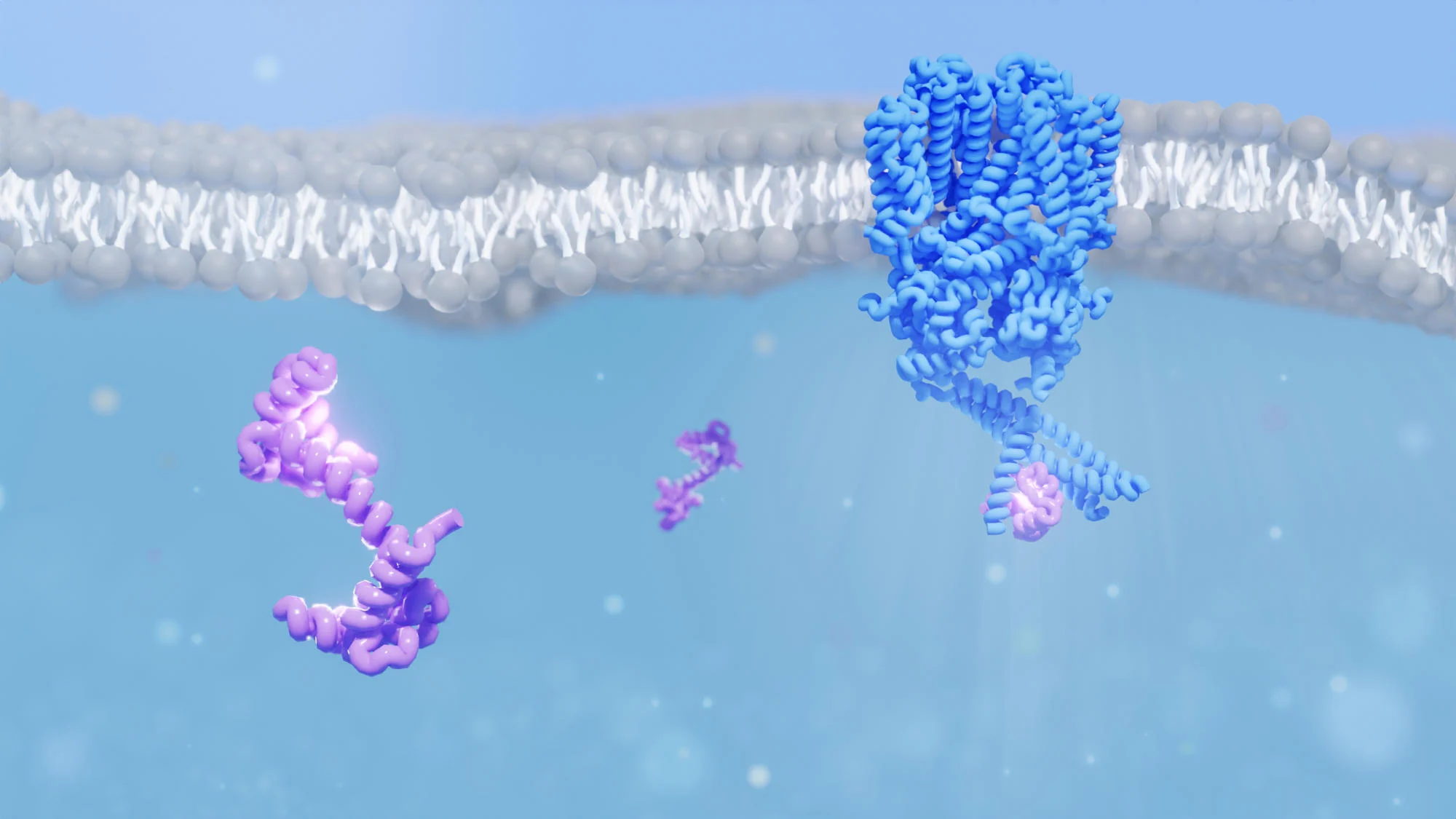
Researchers have used cryo-electron microscopy and mass spectrometry to decipher the structure of an ion channel in the eye as it interacts with the protein calmodulin, a puzzle that has stumped scientists for 30 years. This interaction could explain how our eyes can achieve such remarkable sensitivity to dim light. The researchers believe that this is nature’s way of holding the channels closed to reduce spontaneous channel openings that would cause background noise so that our eyes can be sensitive to dim light. Calmodulin regulates ion channels not only in the eye but throughout the body, controlling electrical signals that are essential to the correct functioning of diverse muscles and organs.

physics2 years ago

Insights into Neutron Stars from Precision Mass Measurements of Nuclei

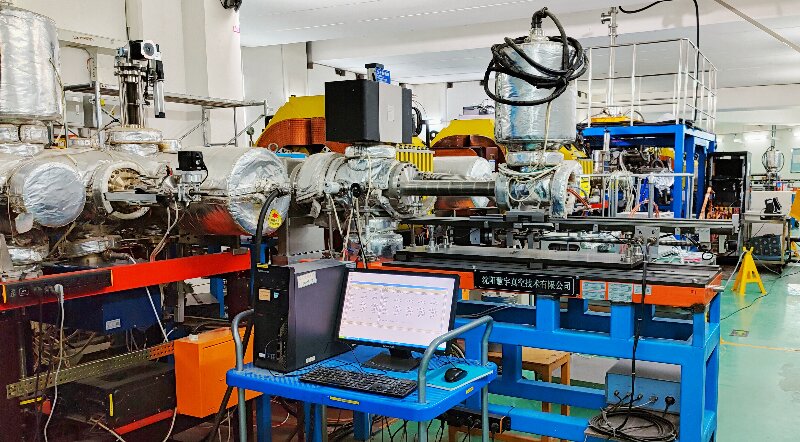
Researchers at the Institute of Modern Physics in China have used ultrasensitive mass spectrometry to measure the masses of several key nuclei with high precision, including germanium-64, which plays a decisive role in the nuclear reaction sequence that powers X-ray bursts on the surface of neutron stars. By using the new data to model X-ray bursts, the researchers set constraints on the properties of neutron stars, finding that the density of the neutron star is lower than expected and the temperature of the outer shell of the neutron star should be higher than generally believed after the X-ray burst.

science2 years ago

Insight into outer space through meteorites.

Scientists have used ultra-high resolution mass spectrometry to analyze the organic material of two meteorites, identifying tens of thousands of molecular "puzzle pieces," including a larger amount of oxygen atoms than expected. By understanding the organic makeup of these meteorites, researchers can obtain information about where and when the rocks formed, and what they ran into on their journey through space. The team will next turn their attention to analyzing a few grams of lunar dust from the Apollo 12 and 14 missions to learn more about the moon's surface.