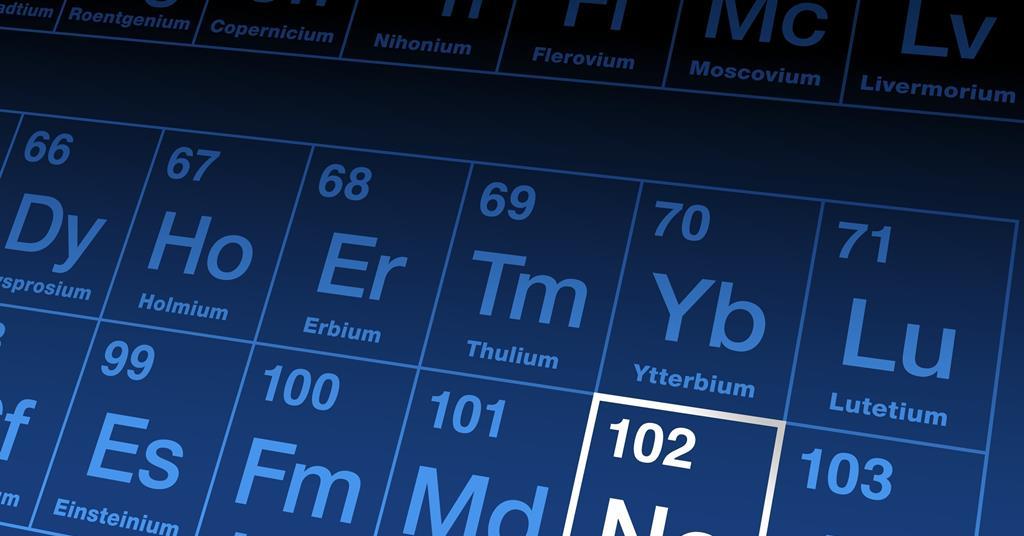
Nobelium, the heaviest element with confirmed compounds, has been directly detected in molecular form, expanding understanding of its chemistry and aiding research on the placement of elements in the periodic table's actinide series.
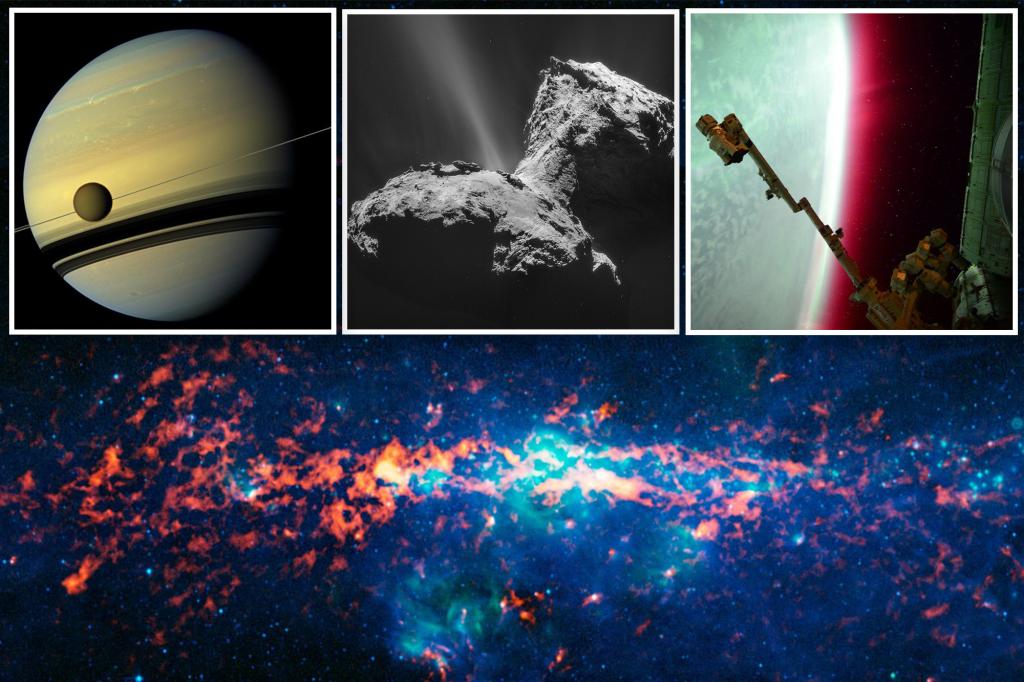
Space has a variety of smells, including metallic, burnt meat odors attributed to Polycyclic aromatic hydrocarbons, a boozy scent linked to a dust cloud at the center of the galaxy, and the putrid smell of flatulence on Uranus. Comets emit a stench of rotten eggs and urine, while Saturn's moon Titan has a gasoline-like aroma due to its hydrocarbon-rich atmosphere.
Scientists have only identified 1% of the billions of potential chemical compounds in the universe. Discovering new compounds could lead to breakthroughs in areas such as greenhouse gas removal and medicine. While there are rules in chemistry, they can be flexible, allowing for more possibilities. Chemists search for new compounds by modifying known compounds or using new starting materials. They also study the natural world for inspiration. Determining the structure of new compounds has become easier with techniques like X-ray and MRI. However, actually making the compounds remains a challenge.
A new study published in Nature Communications has shed light on how plants communicate and warn each other of danger. When a plant is injured, it emits certain chemical compounds that can infiltrate a healthy plant's tissues and activate its defense mechanisms. This discovery could help scientists and farmers fortify plants against insect attacks or drought by triggering stress responses in advance. The study also revealed that plants communicate through volatile organic compounds, with green leafy volatiles playing a crucial role in signaling and activating defense responses. Further research is needed to understand the specific receptors involved in this communication process.
Scientists have only identified 1% of the billions of chemical compounds in the universe, and the search for new compounds with potential applications in areas such as greenhouse gas removal and medicine is ongoing. While there are rules in chemistry, they can be flexible, allowing for more possibilities. Chemists explore known compounds and reactions to find related compounds, but they also look to the natural world for inspiration. Determining the structure of new compounds has become easier with techniques like X-ray and MRI, but actually making these compounds remains a challenge.
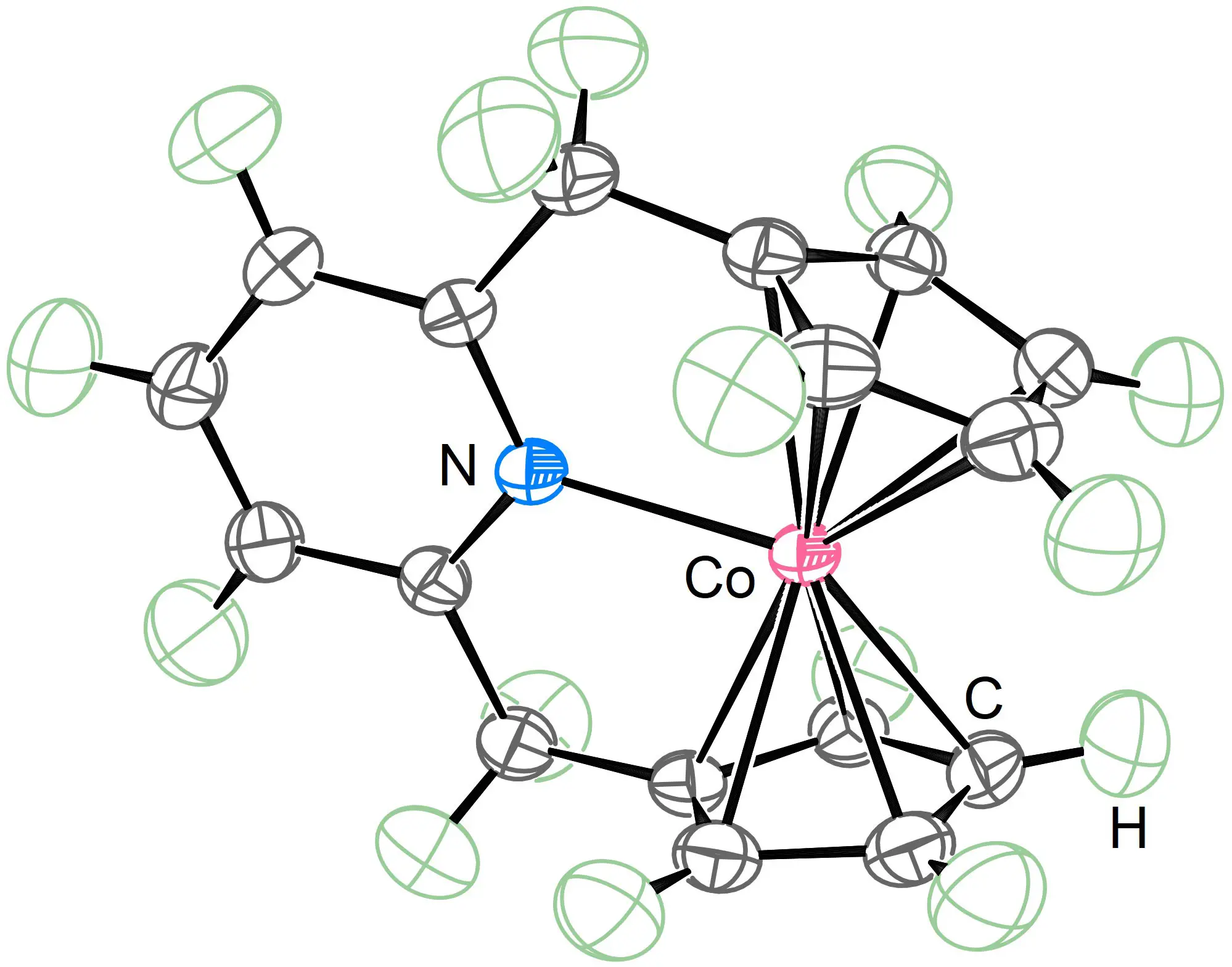
Researchers at the Okinawa Institute of Science and Technology have successfully developed a stable 21-electron metallocene compound, a type of organometallic compound known for its versatile "sandwich" structure. This breakthrough opens up new possibilities in medicine, catalysis, and the energy sector. The researchers overcame the challenge of maintaining the sandwich structure while bonding nitrogen to cobalt, and their findings have been published in the journal Nature Communications. Future research will focus on utilizing the 21-electron metallocene for catalysis and material science, as well as exploring unprecedented organometallic chemistry based on this discovery.
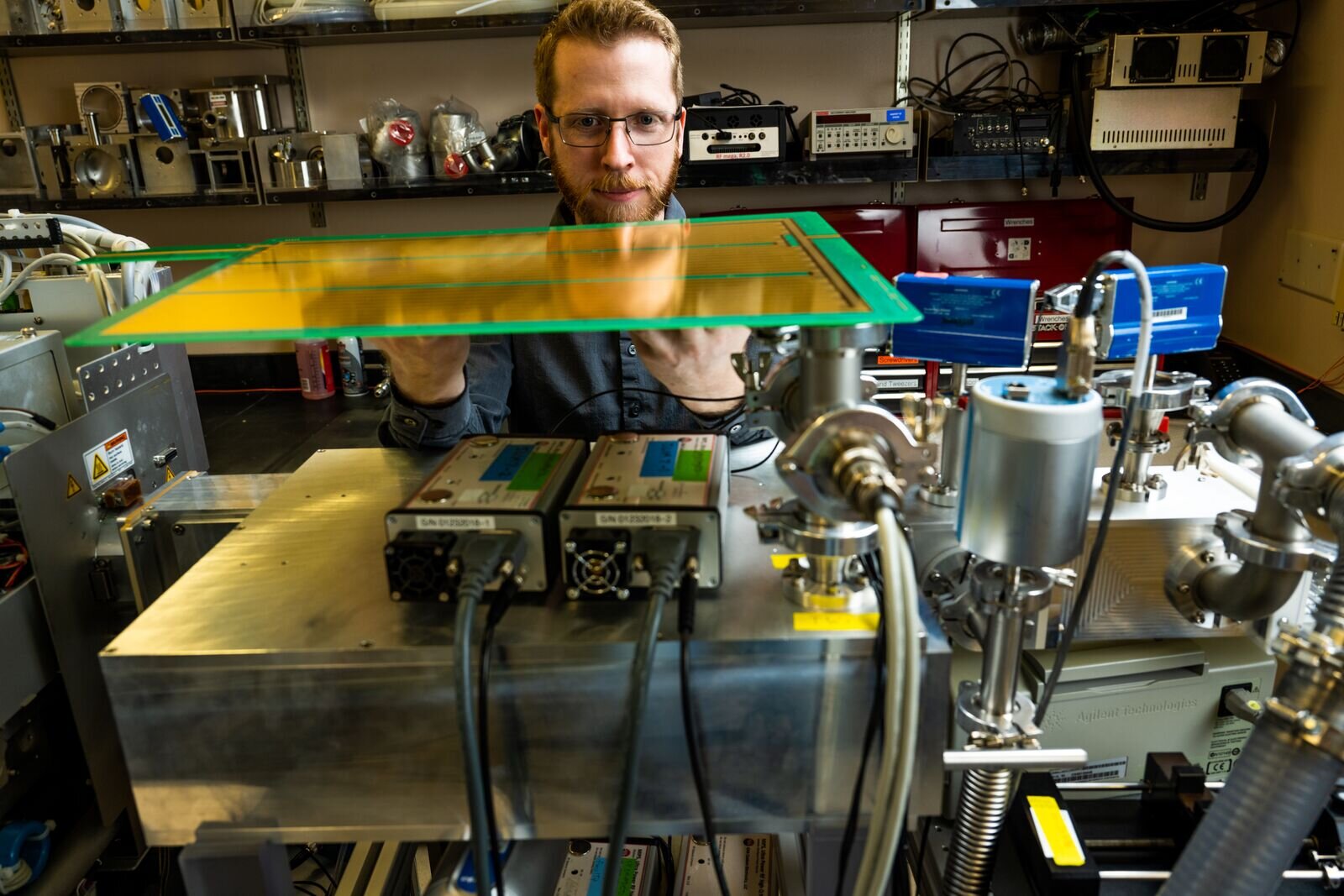
Scientists at the Department of Energy's Pacific Northwest National Laboratory are developing new mass spectrometry techniques to identify the 99% of chemical compounds that have not yet been characterized. By combining two high-resolution instruments, they aim to unlock potential cures for diseases, tackle climate change, and identify new chemical threats. This research is part of the m/q Initiative, which seeks to explore the vast sea of unknown compounds and revolutionize the field of mass spectrometry. The new technique allows for faster and more accurate measurements of chemical compounds, providing valuable information about their structure and potential applications.
Scientists from Harvard and MIT have discovered six chemical compounds that can reverse key signs of aging in cells. The "chemical cocktails" were found to restore youthful properties to cells within four days of treatment. Unlike risky gene therapies, these chemicals act via epigenetics, controlling gene expression without altering DNA sequences. Preparations are underway for human clinical trials of "age reversal gene therapy." The findings have attracted interest from tech billionaires investing in longevity research, with the potential to extend human lifespans and improve health in old age.
Scientists at the Pacific Northwest National Laboratory are developing new techniques in mass spectrometry to explore the vast sea of unknown chemical compounds. By combining two high-resolution instruments, they can now make multiple measurements about chemical compounds in one experiment, providing important information faster and more accurately. This research has the potential to uncover new cures for diseases, address climate change, and identify chemical or biological threats. The scientists are using the m/q Initiative to expand beyond the limitations of traditional mass spectrometry and create a new way of identifying unknown compounds.
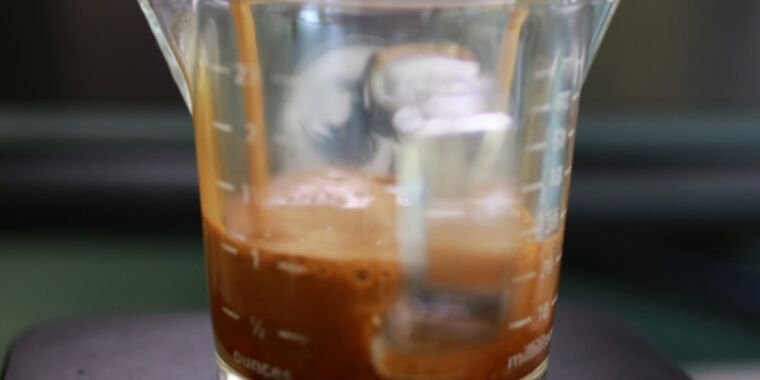
Scientists in Switzerland have identified six distinct compounds that contribute to the unique flavor of fermented coffee, with three definitively identified as 2-methylpropanal, 3-methylbutanal, and ethyl 3-methylbutanoate, all associated with distinctive "raspberry notes with a hint of rose water." Understanding how the aromas are generated will help producers standardize their fermentation processes, which is currently largely done by trial and error, and could scale up the availability of fermented coffees with very unique, fruity, and delicious flavors.
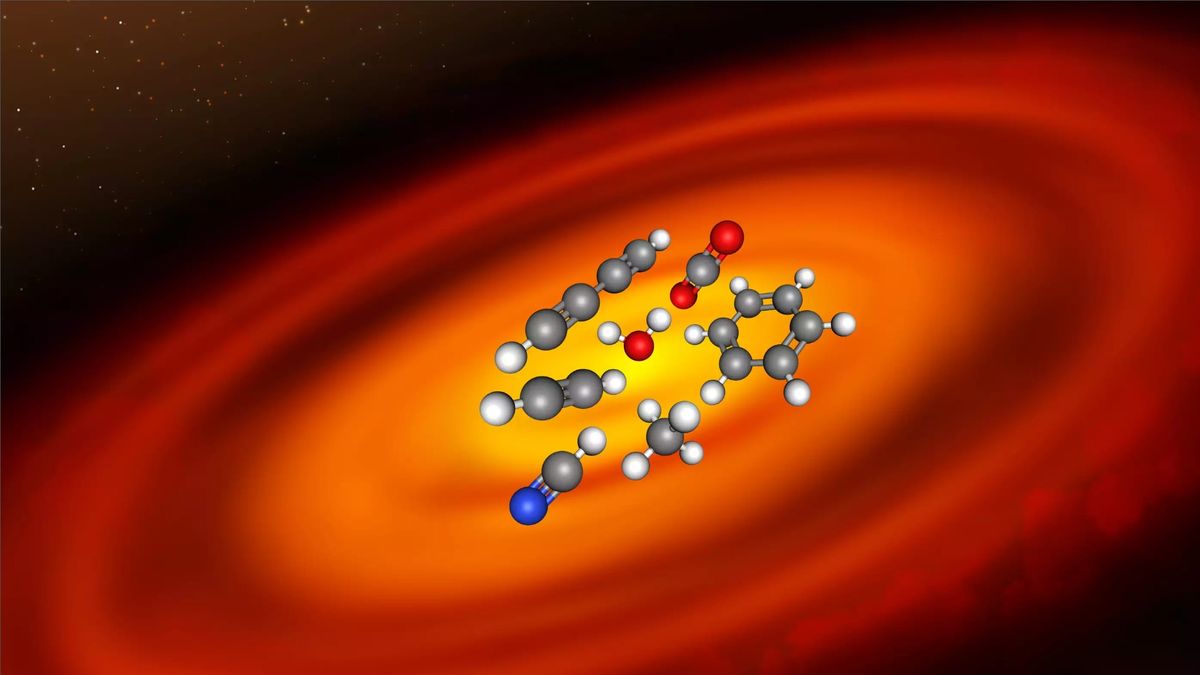
The James Webb Space Telescope has detected a variety of chemical compounds in the disks of gas and dust surrounding three low-mass stars, including organic molecules like carbon dioxide, carbon monoxide, acetylene, and the first detections of benzene, as well as water. The stars studied are only a few million years old, which means the chemicals spotted by the telescope will ultimately be inherited by planets and their atmospheres that will form in these cosmic nurseries. Webb's data allows astronomers to determine physical conditions like densities and temperatures across and inside those planet-forming disks, directly where the planets grow.