Researchers discovered that espresso coffee can effectively stain biological samples for electron microscopy, offering a safe, inexpensive, and non-toxic alternative to traditional heavy metal stains like uranyl acetate, with promising results in imaging zebrafish mitochondria, though further testing across different tissues is needed.

Chinese scientists have developed a new RNA-mapping technology called Stereo-seq V2 that shows potential in analyzing old biological samples, including Einstein's preserved brain, to explore the cellular basis of genius, though challenges due to preservation methods remain.
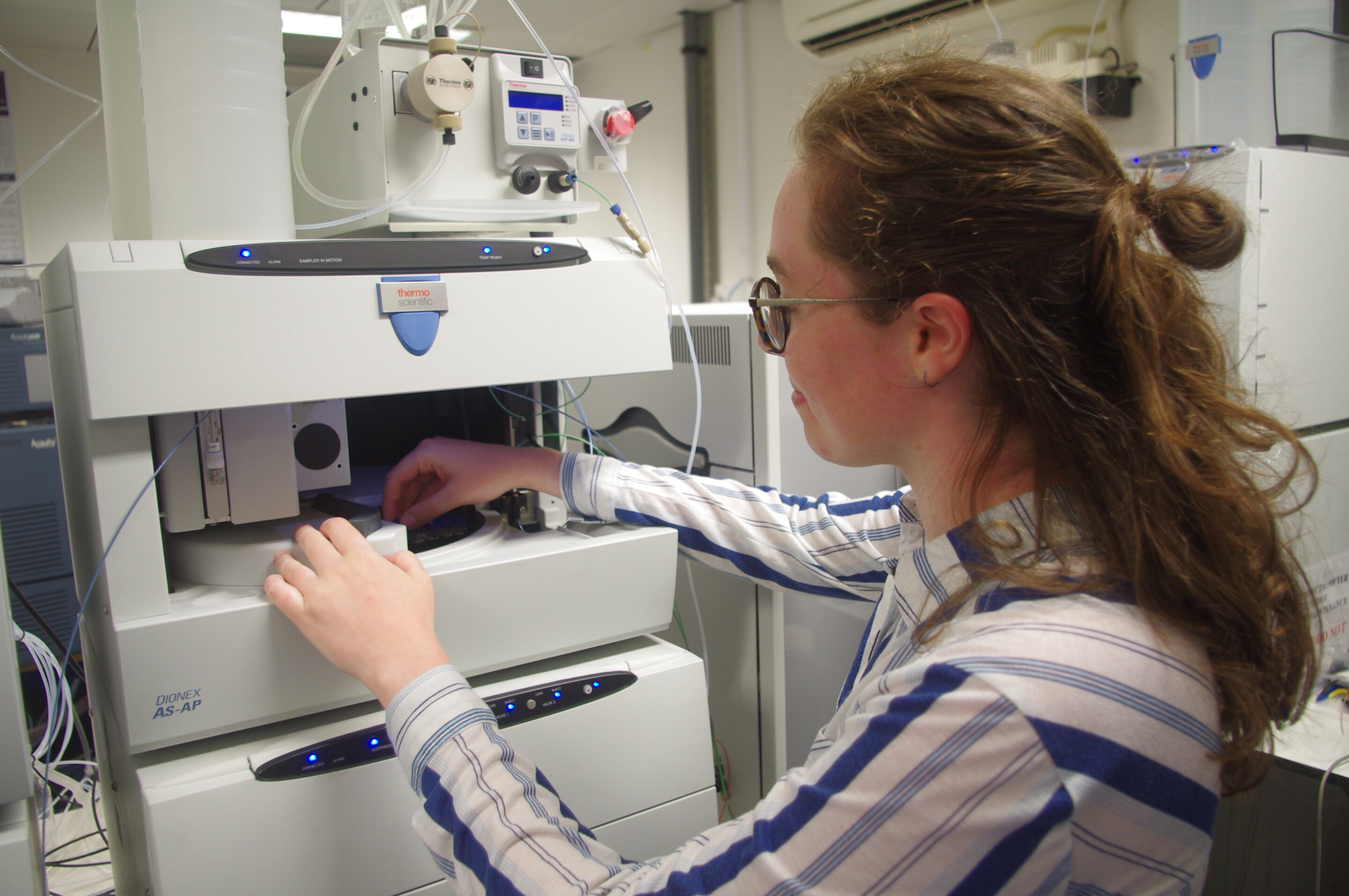
Researchers from Oxford have developed a novel AEC-MS method for large-scale analysis of polar and ionic metabolites in biological samples, enhancing capabilities in metabolomics research and enabling new applications in health and disease studies.
A research team has resolved a long-standing issue in microscopy by developing a depth-dependent scaling factor to correct the flattening effect caused by different mediums in the lens and sample. This breakthrough allows for more precise imaging of biological structures, potentially aiding in the study and understanding of abnormalities and diseases. The team has provided a web tool and software for determining the corrective factor, which can significantly reduce time and costs associated with microscopy experiments.
Chinese astronauts have installed a biological radiation exposure experiment outside the Tiangong space station's Mengtian science module. The experiment payload contains 13 sample box units loaded with biomaterials to study the impact of cosmic radiation and microgravity on organisms. The equipment can be used for in-orbit experiments on biological samples, including plant seeds, microorganisms, and small animals. The experiment was developed jointly by the NSSC and Dalian Maritime University and is intended to operate for five years.
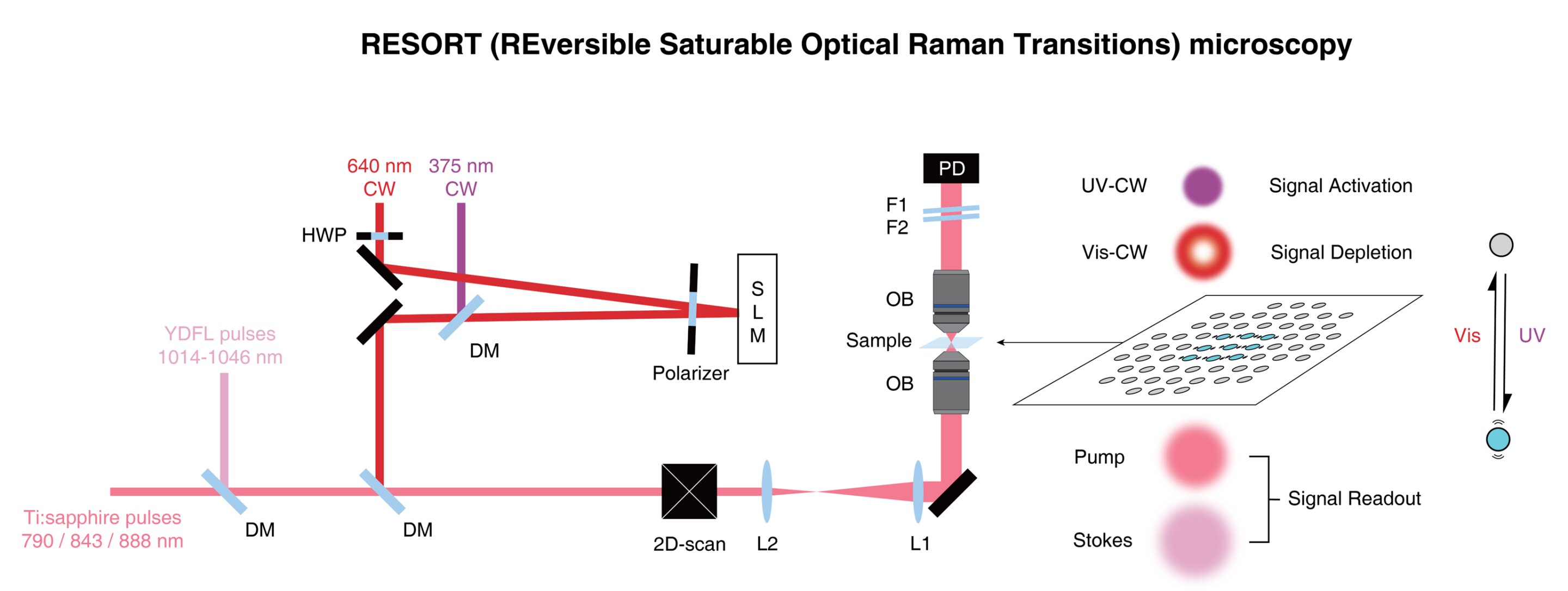
Researchers have developed a new imaging technique called RESORT, which combines the benefits of super-resolution fluorescence and vibrational imaging without inheriting the detriments of either. The laser-based technique uses Raman scattering to identify what's in a sample under the microscope. The team's main aim was to improve microscopic imaging for use in the medical research field and related areas. The advancements made in the design of the laser could be used in other laser applications as well, where high power or precise control is required, such as materials science.