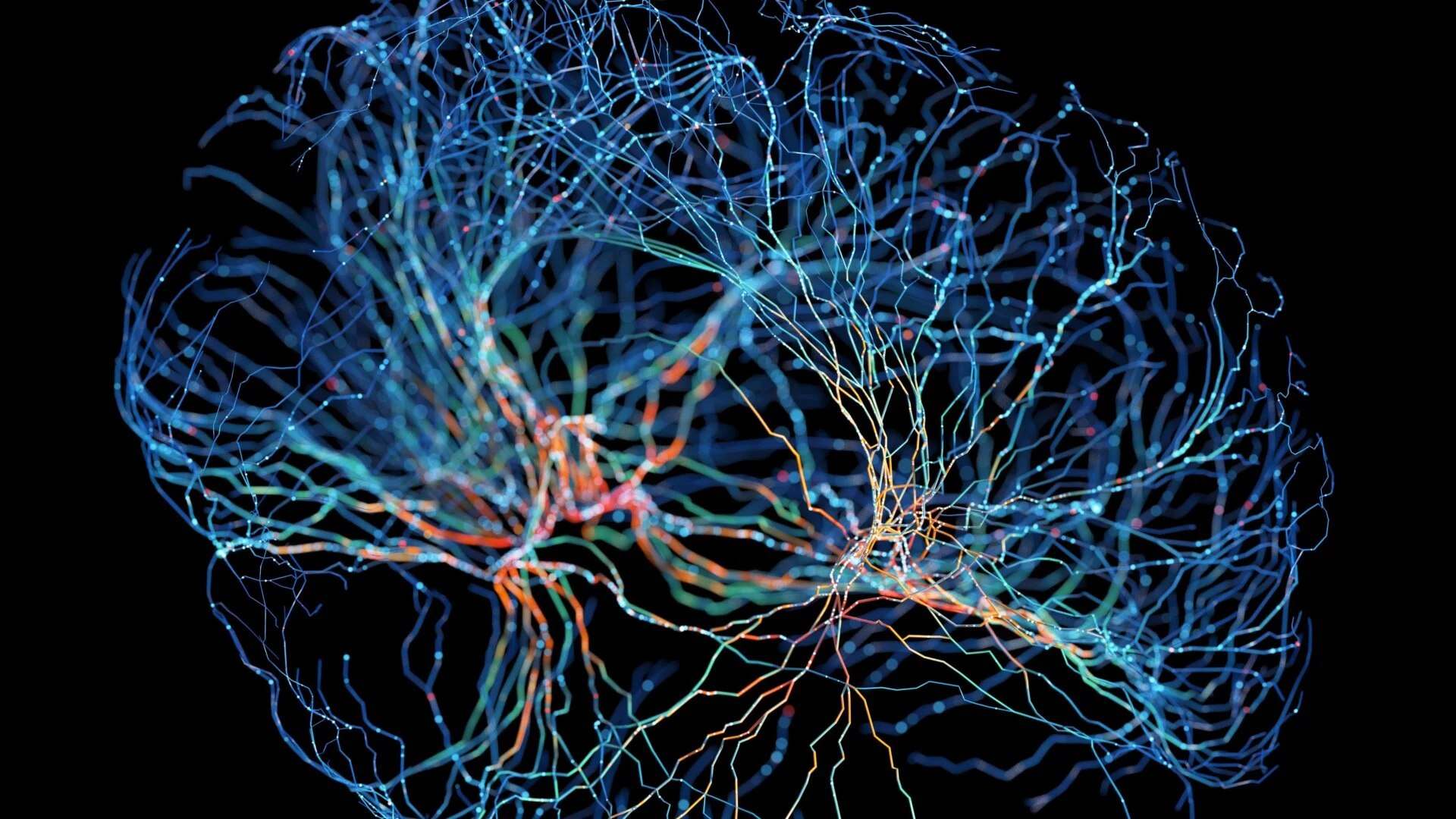
A survey of 312 neuroscientists suggests that most believe memories have a physical basis, stored in neural connections, and there is about a 40% chance that future technology could extract memories from preserved brains and emulate human consciousness, though significant scientific challenges remain.
Scientists have developed a groundbreaking method to extract and analyze proteins from preserved soft tissues, including human brains up to 300 years old, using urea and mass spectrometry, opening new avenues for understanding evolution, diet, and physiology from ancient biological archives.
Neuroscientist Dr. Ariel Zeleznikow-Johnston advocates for brain preservation as a means to potentially achieve immortality, arguing that current technology could allow us to pause biological processes until future medical advancements can cure terminal conditions. His book, "The Future Loves You," explores the possibility of using techniques like aldehyde-stabilised cryopreservation to preserve brain structures, with the hope of future revival through advanced technologies such as nanomedicine or mind-uploading. While controversial, Zeleznikow-Johnston believes this approach could offer a new perspective on life and death.
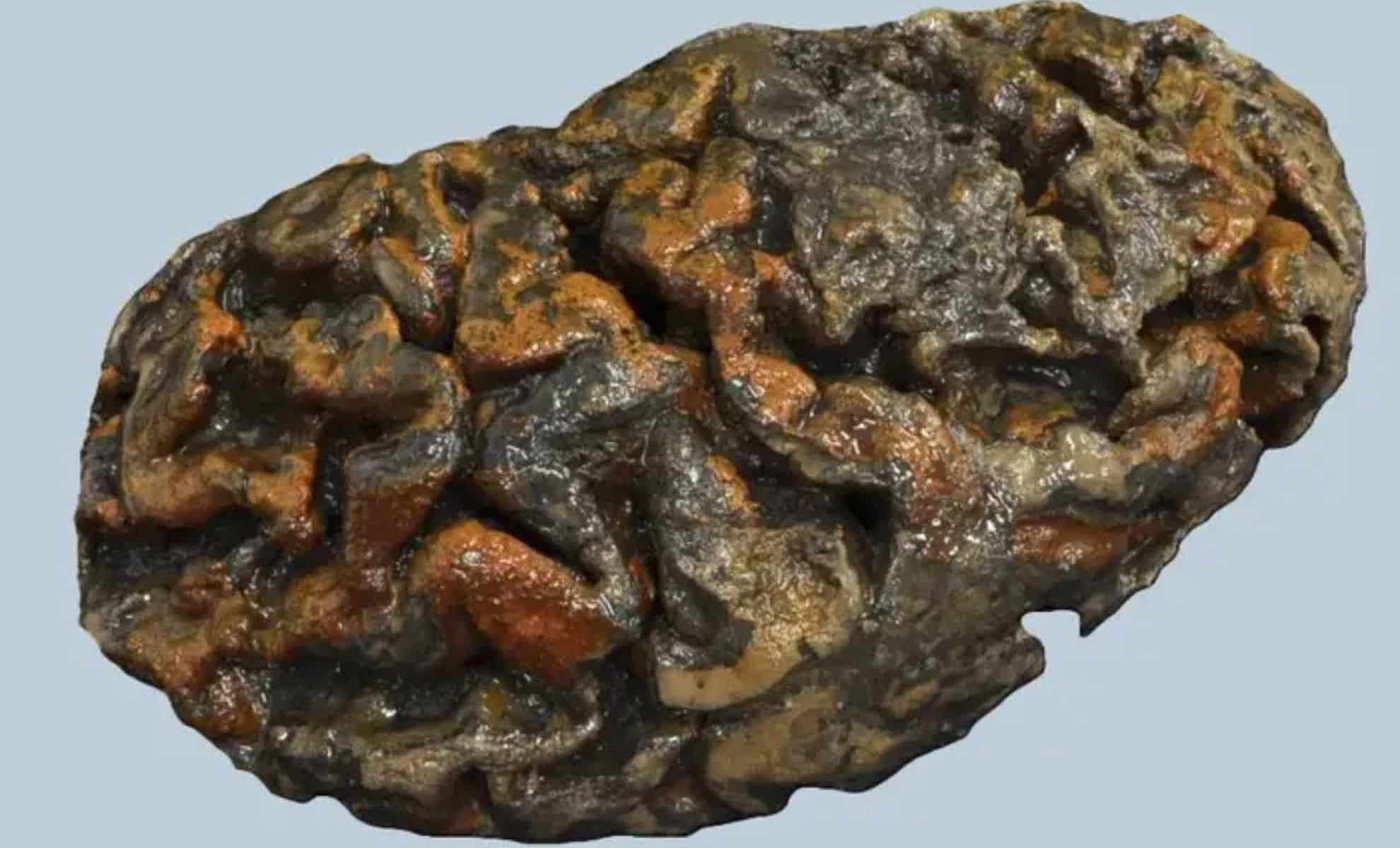
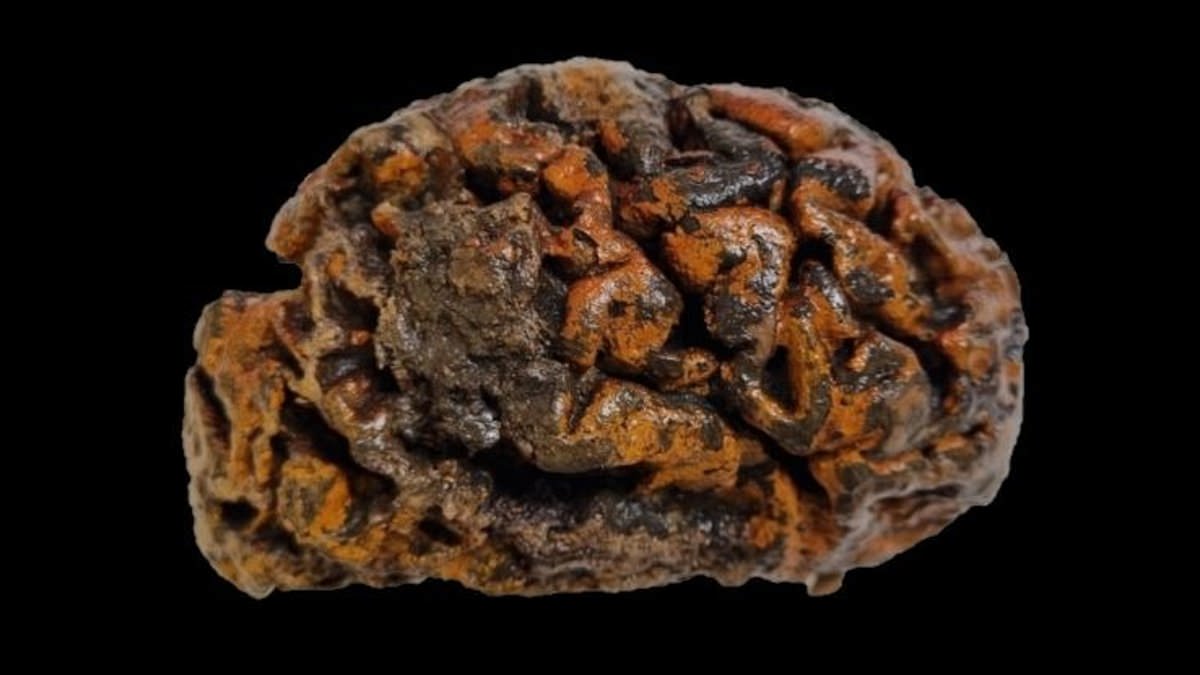
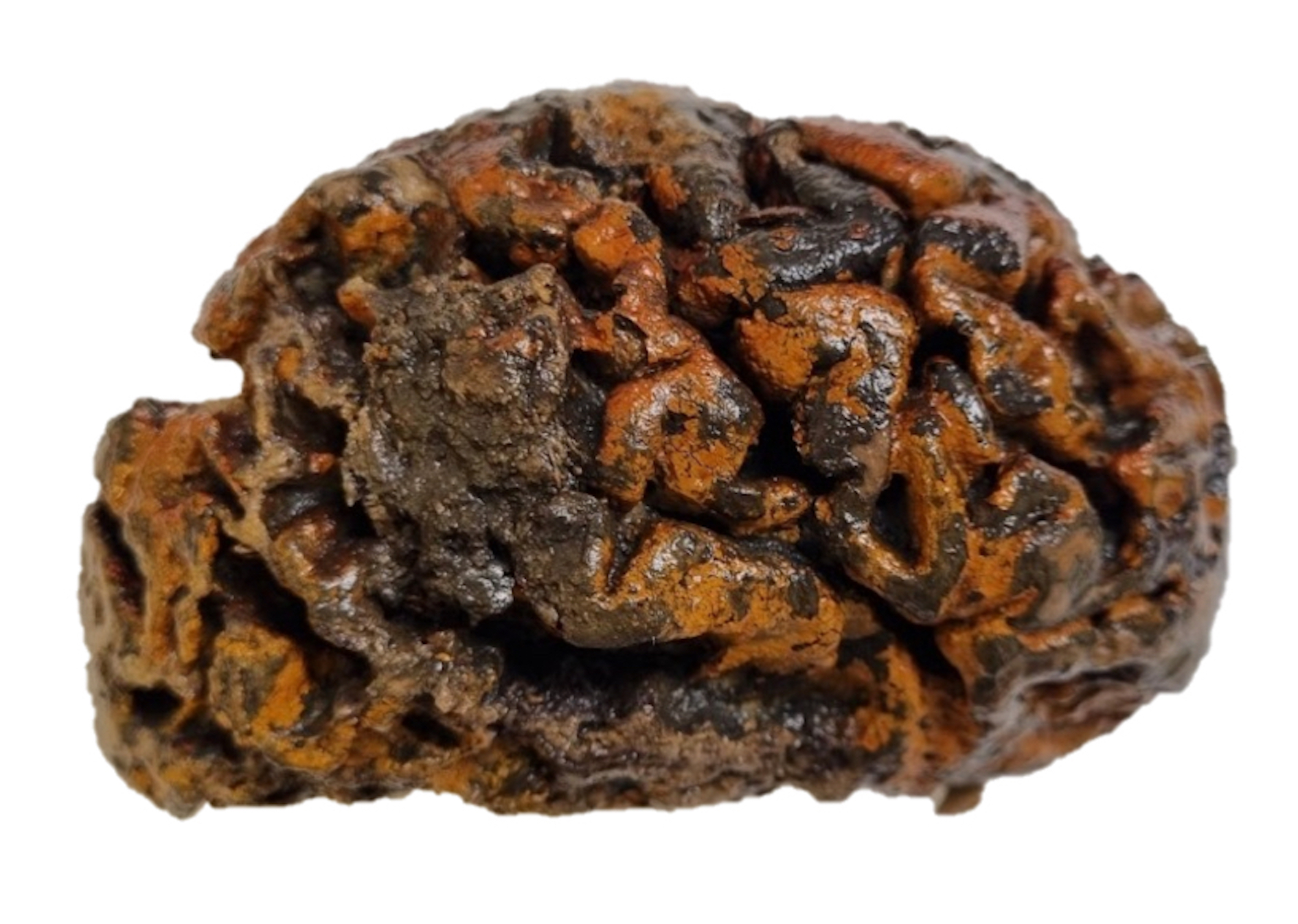
A team of scientists at Oxford University has discovered that human brains can preserve quite well, challenging the long-held belief that they quickly decompose after death. Through an analysis of over 4,000 human brains dating back 12,000 years, the researchers identified five distinct preservation methods, including saponification, freezing, tanning, dehydration, and an unknown category. The study suggests that local environmental conditions play a significant role in brain preservation, and it raises questions about how nearly a third of the brains have lasted as long as they have.
A global archive of over 4,400 preserved human brains, some dating back 12,000 years, has provided groundbreaking insight into soft tissue preservation, challenging the perception that naturally preserved brains are extremely rare. The brains, originating from various environments worldwide, were found to have been preserved through mechanisms such as dehydration, freezing, saponification, and tanning. This research could offer valuable information on human evolution, ancient health, and diseases, including neurodegenerative conditions like Alzheimer's. The study highlights the need for excavating archaeologists to remain open to unexpected discoveries and emphasizes the scientific value of studying these preserved human remains.
Scientists have successfully kept a pig brain alive for five hours outside of its body using a method called extracorporeal pulsatile circulatory control (EPCC), providing a potential breakthrough in brain preservation and study. This novel technique could offer new insights into brain function and pave the way for studying animal and human brains in unprecedented detail, potentially unlocking a deeper understanding of the brain's workings.