Researchers from Imperial College London, the Zoological Society of London, and the University of Canterbury have introduced a new metric called "evolutionary heritage" to better capture the unique traits of species over time. This approach challenges the traditional concept of "living fossils" by emphasizing the ongoing evolution and unique features of species rather than their superficial resemblance to ancient ancestors. The new framework aims to enhance biodiversity assessments and has potential applications in conservation and ecological research.
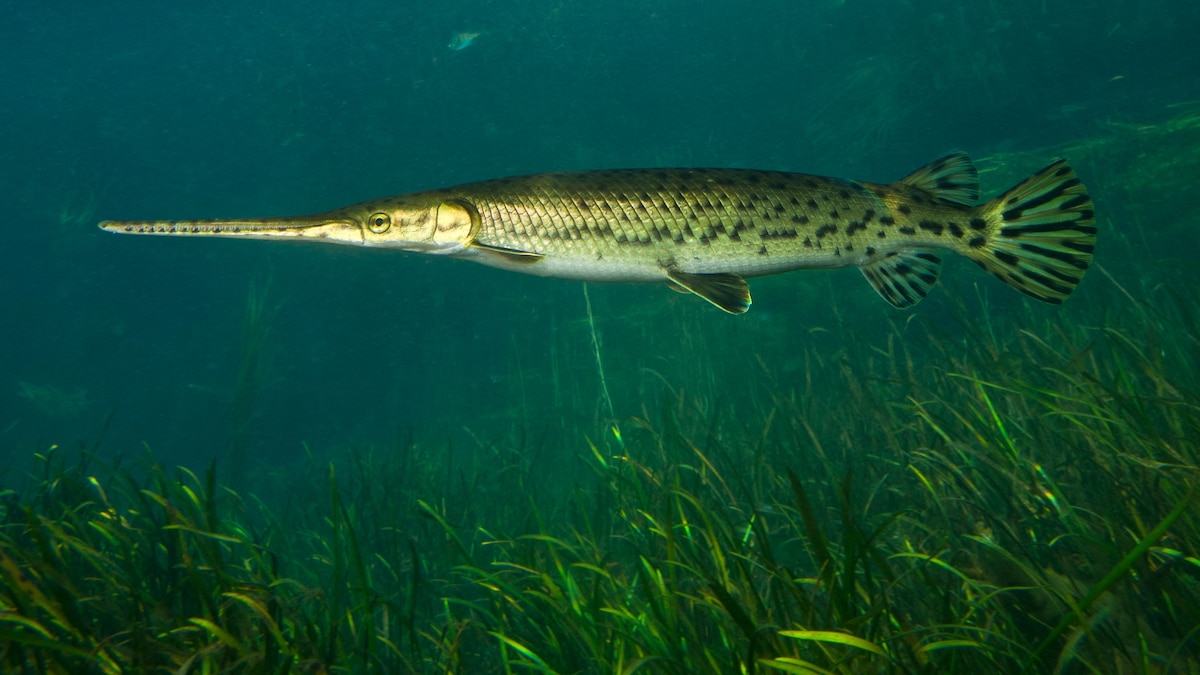
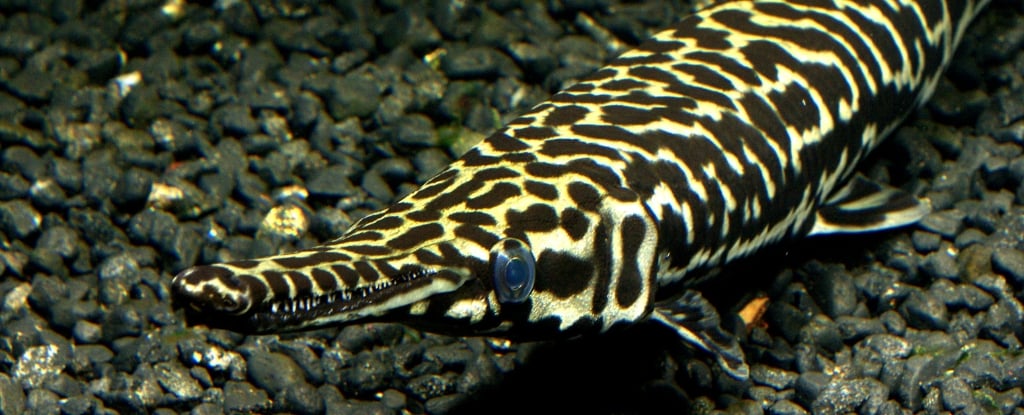
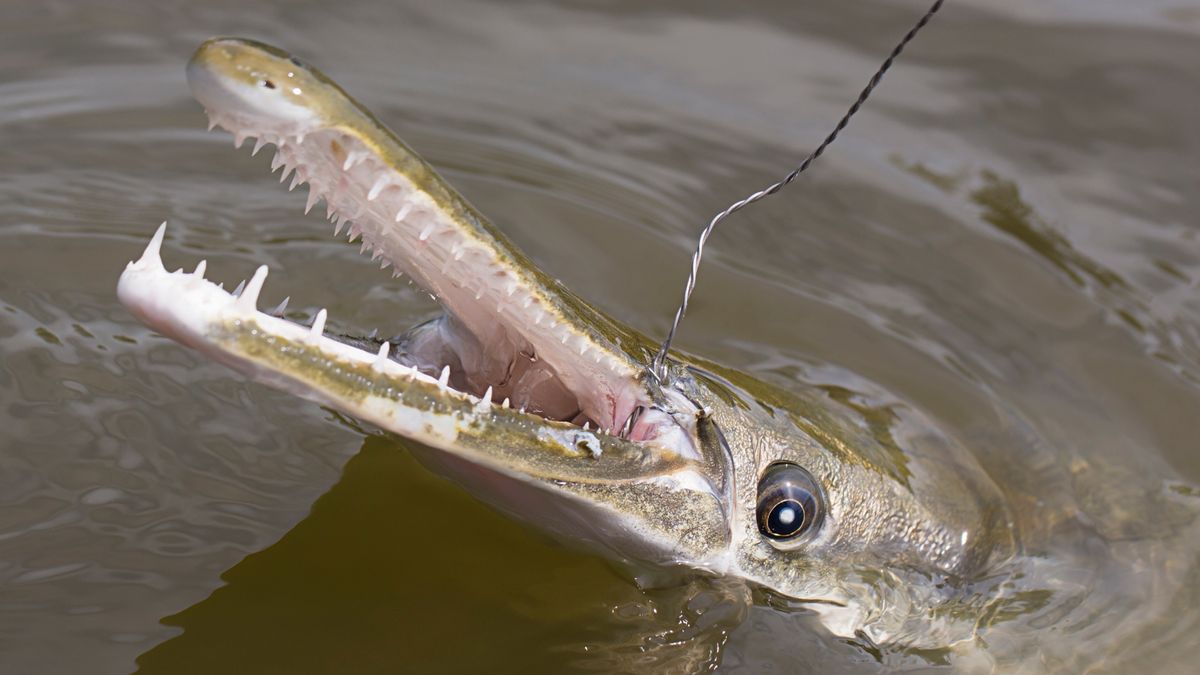
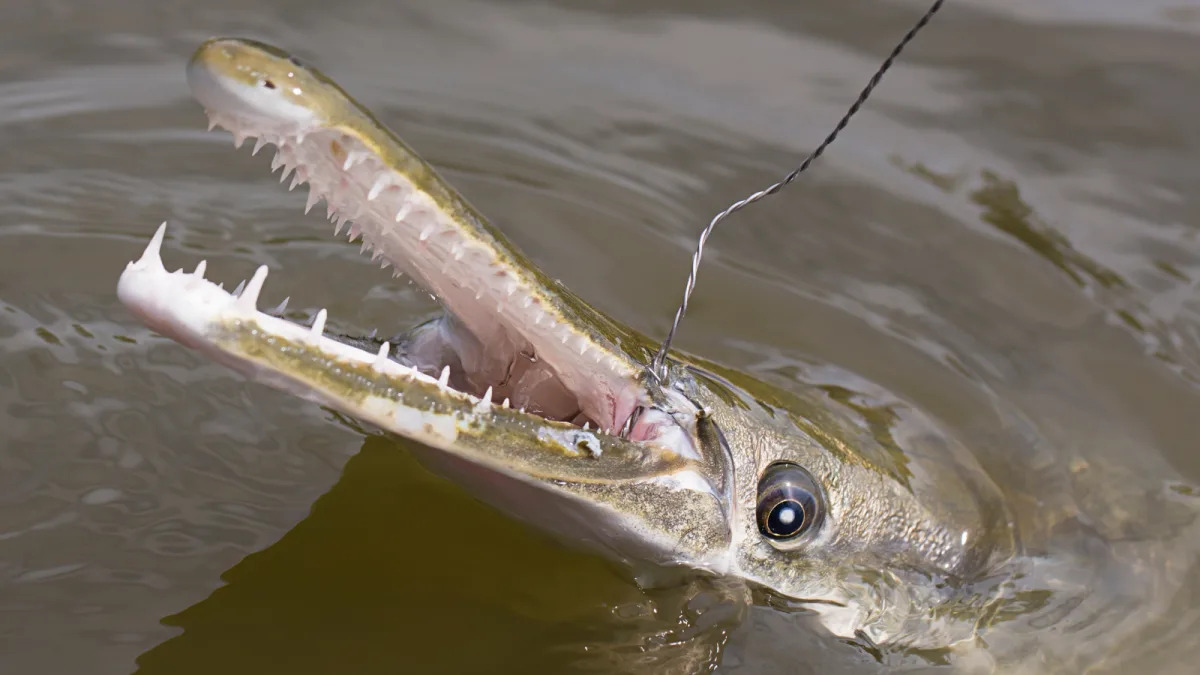
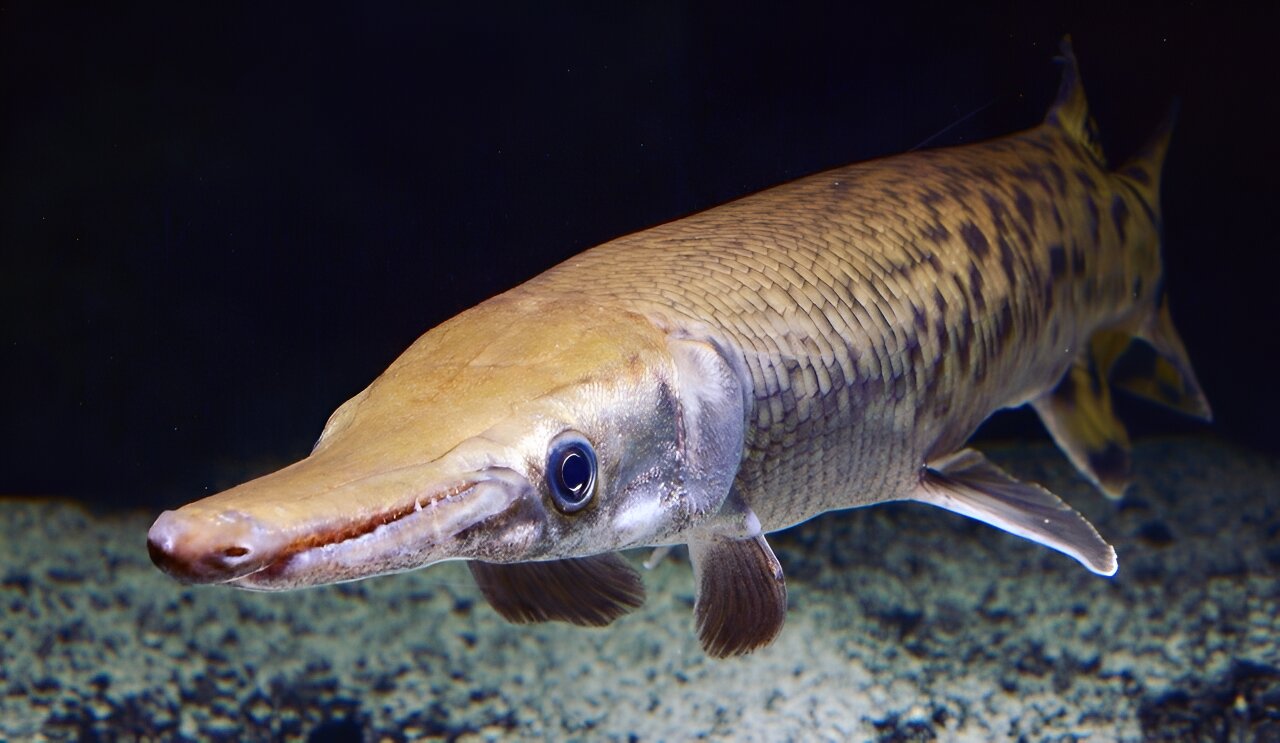
Gars, known as "living fossils," have the slowest rate of molecular evolution among vertebrates, indicating an over-active DNA repair mechanism that could have implications for human health. A recent study led by researchers at Yale University found that gars' DNA and RNA have changed up to three orders of magnitude more slowly than any other major group of vertebrates. Additionally, gars are the most distantly diverged organisms known to hybridize, with their extremely slow evolutionary trajectory potentially allowing distantly related cousins to continue producing fertile offspring. The study suggests that understanding the gars' efficient DNA-repair mechanism could lead to advances in human medicine and disease prevention.
Research into ancient gars has revealed that their slow molecular evolution rates have led to the production of fertile hybrid offspring between species that haven't shared a common ancestor for 105 million years, providing a biological mechanism behind their status as "living fossils." This discovery sheds light on the evolutionary process in nature and could have implications for medical research.
The article discusses five "living fossils" that have survived for millions of years, including the horseshoe crab, tuatara, nautilus, coelacanth, and ginkgo tree. These organisms are descendants of ancient lineages and closely resemble their fossilized ancestors. Despite their outward similarity, their DNA has evolved over time. The survival of these living fossils is attributed to their tolerance for environmental conditions and marine habitats. However, human interference and exploitation have endangered some of these species, highlighting the importance of conservation efforts.
Gars, known as "living fossils" for their minimal evolution over 100 million years, have been found to possess a slow rate of molecular evolution, attributed to a strong DNA repair ability. This slow evolution limits speciation but allows for viable hybrid offspring. Yale University researchers hope to apply this self-repairing mechanism to human health, as it could potentially aid in cancer research. The study sheds light on the evolutionary process and its implications for biodiversity and medical research.
Gars, a type of prehistoric fish, have been found to have one of the slowest rates of evolution among jawed vertebrates, making them the ultimate living fossils. A study revealed that gars and related sturgeons have evolved at an exceptionally slow pace, with low rates of gene substitution and mutation over time. This slow evolution has led to the stability of their few species over millions of years, allowing even species separated by 100 million years to interbreed. The research has raised questions about the mechanisms behind the low substitution rate and the stability of the genomes of gars and other living fossils.
Gars, ancient fish dating back to the dinosaur age, have evolved at an exceptionally slow rate, making them the ultimate living fossils. A recent study found that gars and related sturgeons have the slowest rates of molecular evolution among all jawed vertebrates, leading to minimal physical changes and speciation. Surprisingly, gars from different evolutionary periods can still interbreed, producing fertile hybrids, raising questions about the stability of their genomes and the mechanisms behind their low substitution rate.
A new study on gars, a group of ancient ray-finned fishes considered "living fossils," reveals that they have the slowest rate of molecular evolution among all jawed vertebrates, leading to low species diversity. This slow evolution rate is linked to the process of hybridization, where two different gar species produce viable offspring, despite last sharing a common ancestor during the age of the dinosaurs. The researchers speculate that gars have an efficient DNA repair mechanism, which could have implications for human health, particularly in understanding and potentially treating cancers. The study provides key genetic insights into the evolutionary process and suggests potential applications in medical research.
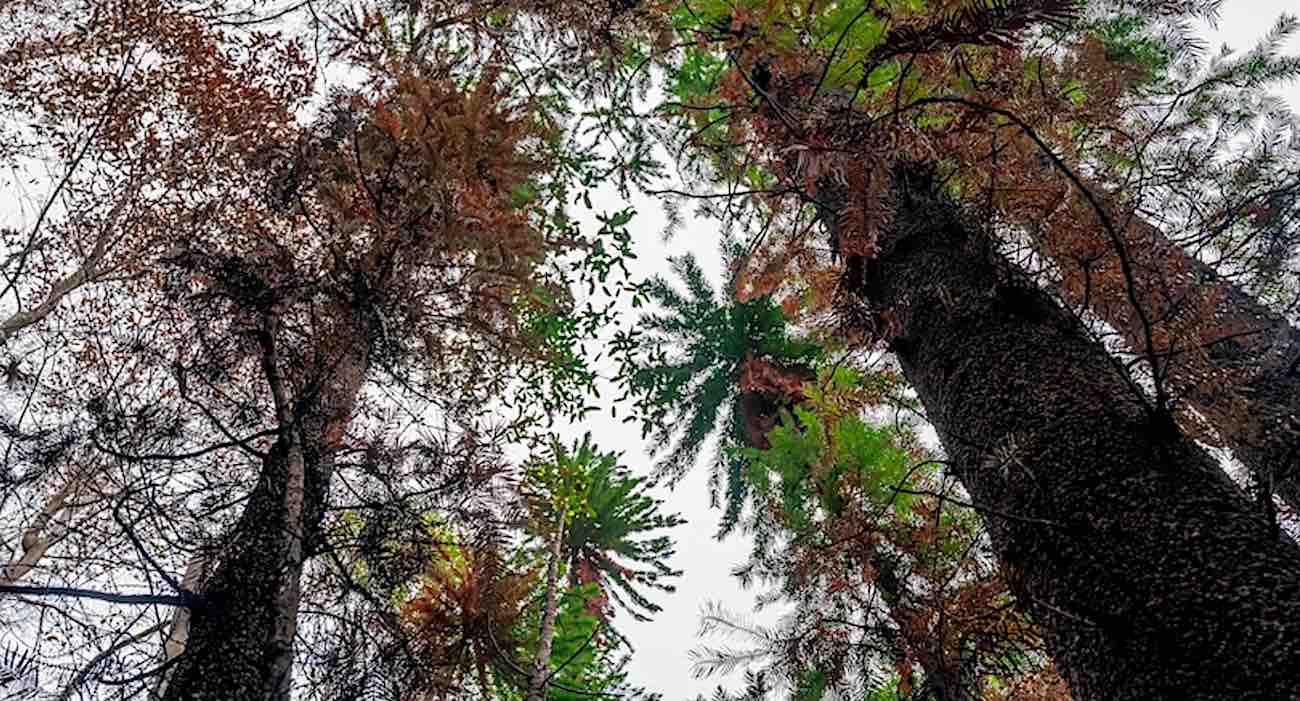
A park ranger in Australia discovered a grove of 90 Wollemi pine trees, which are believed to have evolved 91 million years ago and were thought to have gone extinct 2 million years ago. The National Parks and Wildlife Service has been working in extreme secrecy to plant the slow-growing pine trees in other locations to ensure their survival. The level of security around the trees is high, with unauthorized entry punishable by law, and efforts are being made to ship seedlings across the world to botanical gardens in order to save the species from extinction.