Australian scientists developed PROTEUS, a system that uses biological 'artificial intelligence' to rapidly evolve molecules with new functions directly in mammal cells, potentially accelerating drug development and gene therapies by mimicking natural evolution in a lab setting.
Researchers discovered that an ancient DNA-binding protein can function in both its natural and mirror-image forms, challenging long-held beliefs about molecular handedness and offering new insights into early life evolution.
Biophysicists have discovered that simple heat flows in primordial times could have fostered the first prebiotic reactions, leading to the selective accumulation and up-concentration of prebiotic building blocks in rock fissures. This process could have created a "molecular kitchen" in large geological network systems, providing the necessary conditions for the emergence of life's ingredients. The researchers aim to further investigate the potential of this system in preparing the "dishes" of life as part of the Collaborative Research Centre "Molecular Evolution in Prebiotic Environments."
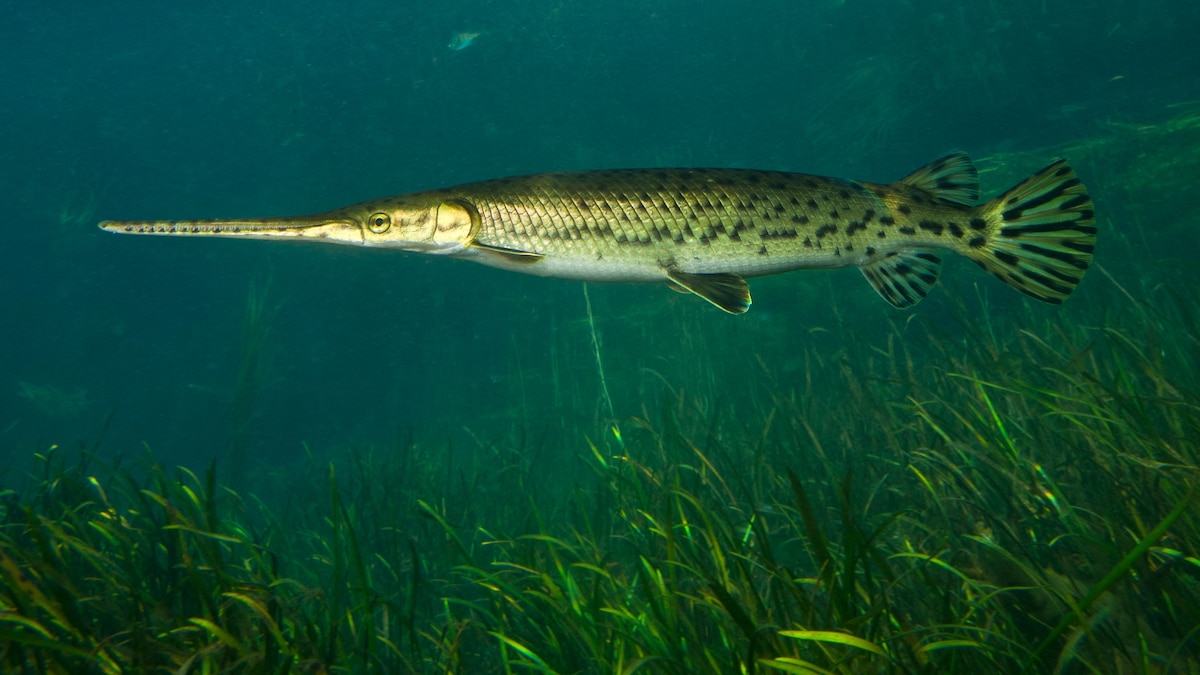
Gars, known as "living fossils," have the slowest rate of molecular evolution among vertebrates, indicating an over-active DNA repair mechanism that could have implications for human health. A recent study led by researchers at Yale University found that gars' DNA and RNA have changed up to three orders of magnitude more slowly than any other major group of vertebrates. Additionally, gars are the most distantly diverged organisms known to hybridize, with their extremely slow evolutionary trajectory potentially allowing distantly related cousins to continue producing fertile offspring. The study suggests that understanding the gars' efficient DNA-repair mechanism could lead to advances in human medicine and disease prevention.
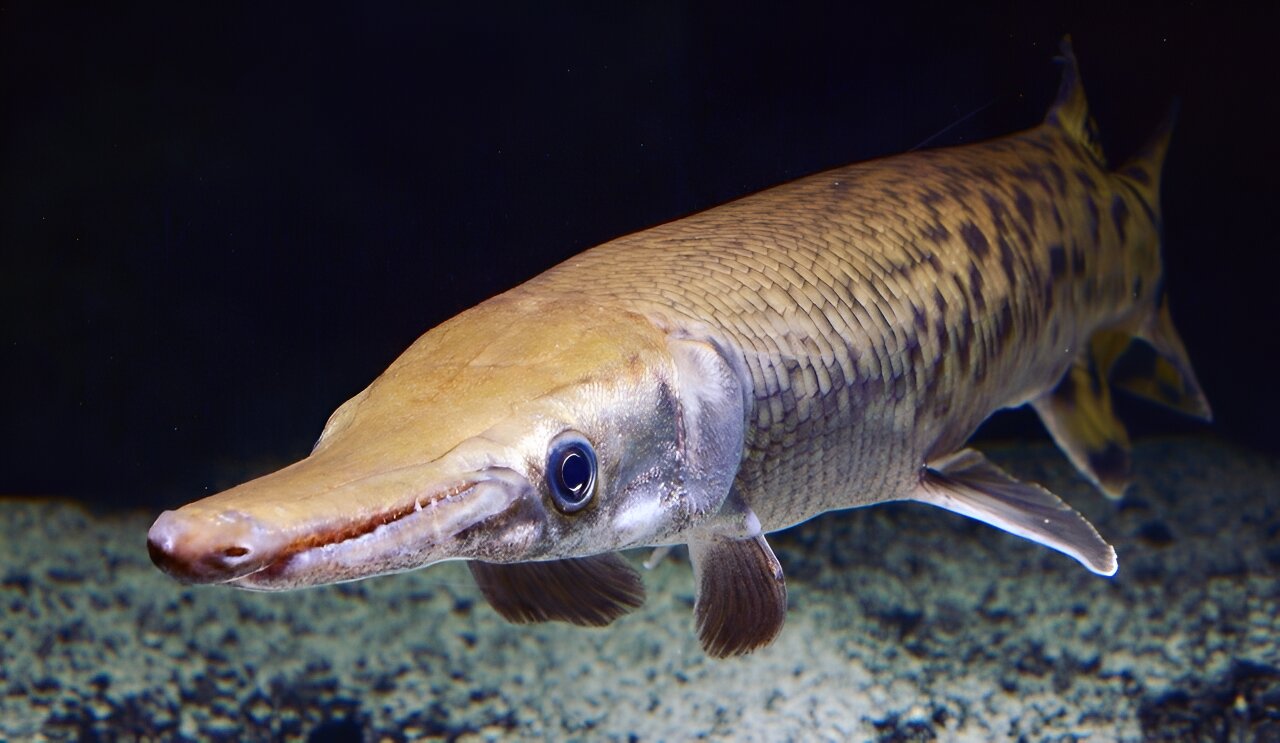
A new study on gars, a group of ancient ray-finned fishes considered "living fossils," reveals that they have the slowest rate of molecular evolution among all jawed vertebrates, leading to low species diversity. This slow evolution rate is linked to the process of hybridization, where two different gar species produce viable offspring, despite last sharing a common ancestor during the age of the dinosaurs. The researchers speculate that gars have an efficient DNA repair mechanism, which could have implications for human health, particularly in understanding and potentially treating cancers. The study provides key genetic insights into the evolutionary process and suggests potential applications in medical research.