"Unlocking Longevity Secrets: Studying Ancient Gars, Earth's Primitive 'Living Fossils'"
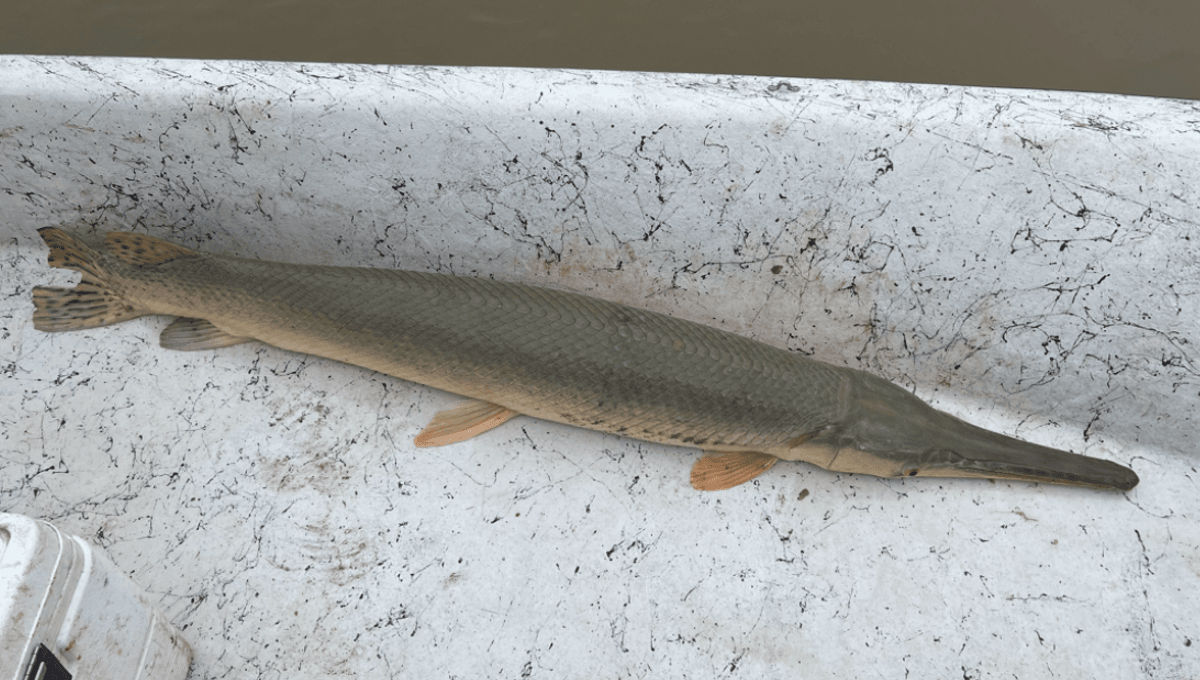
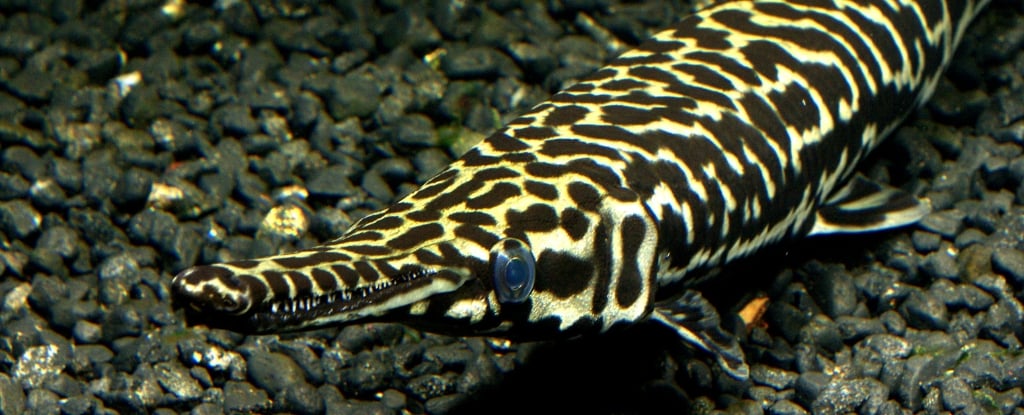
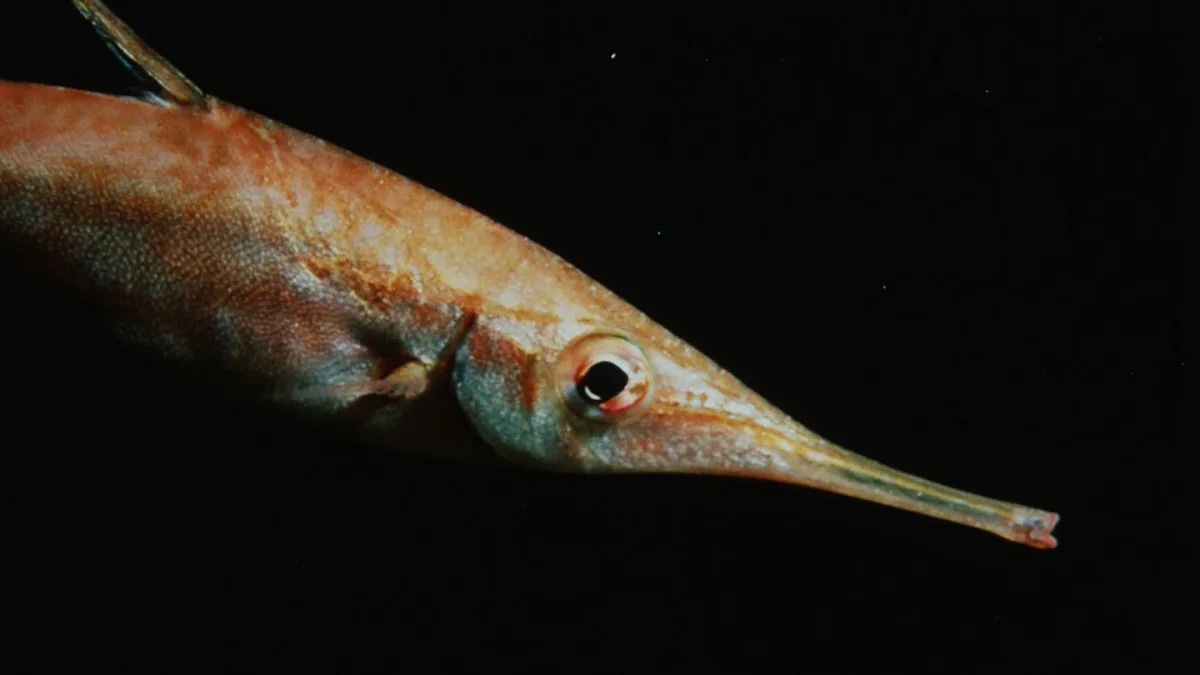
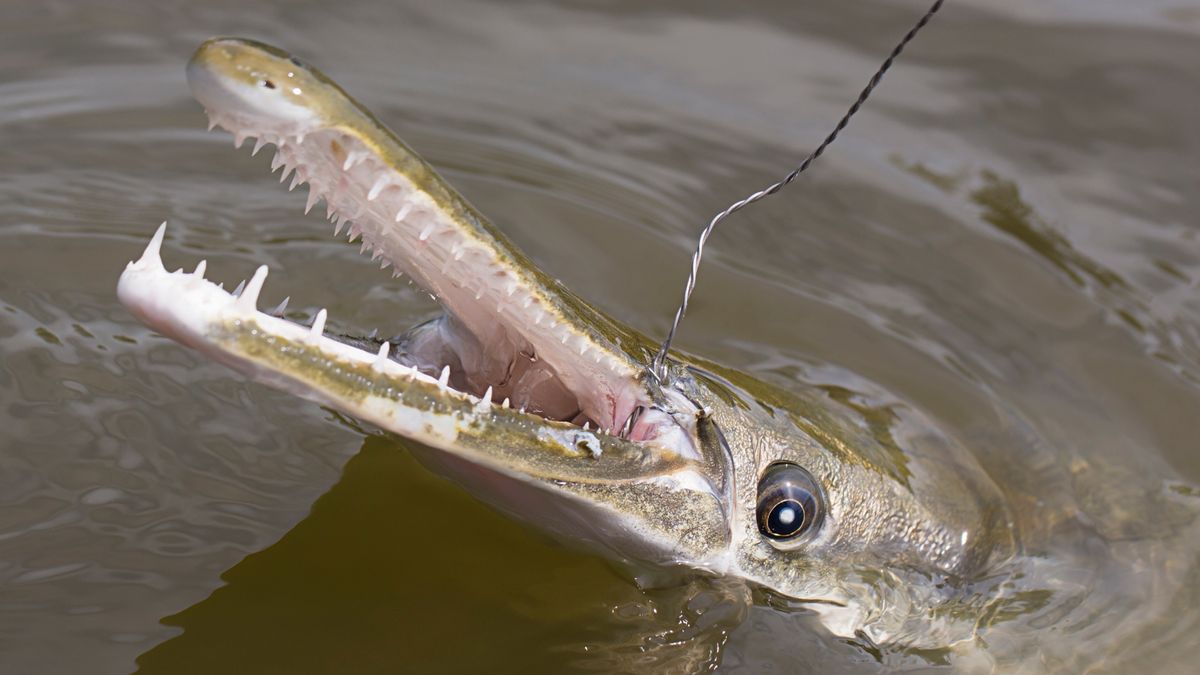
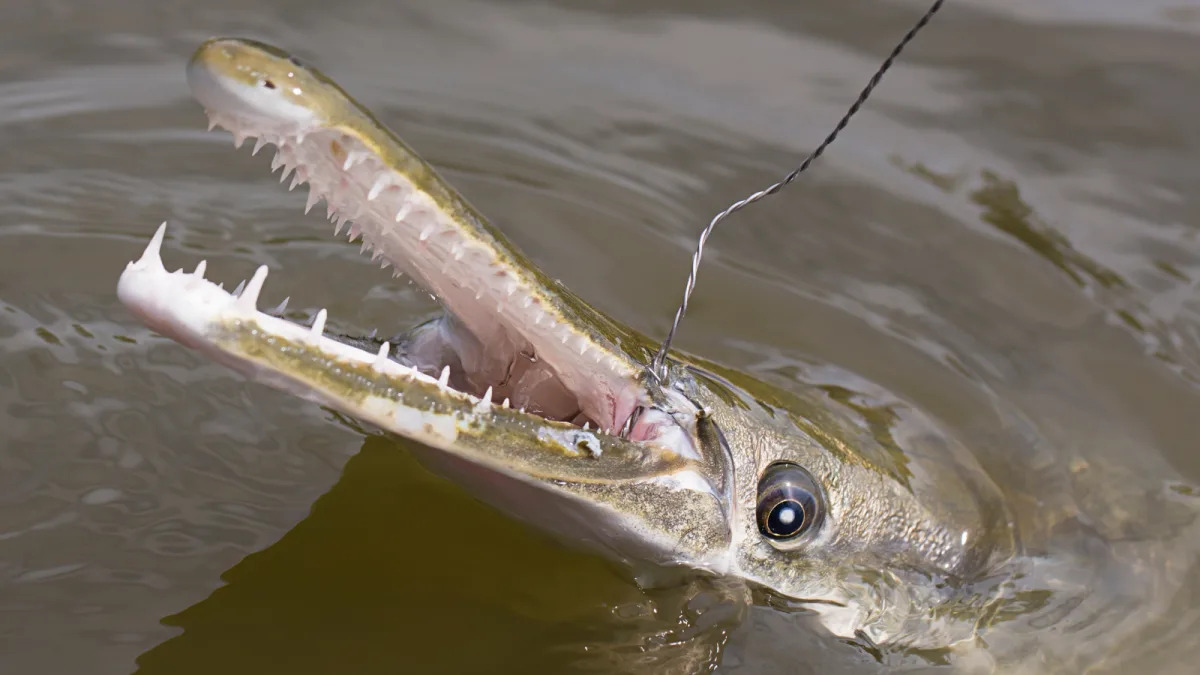
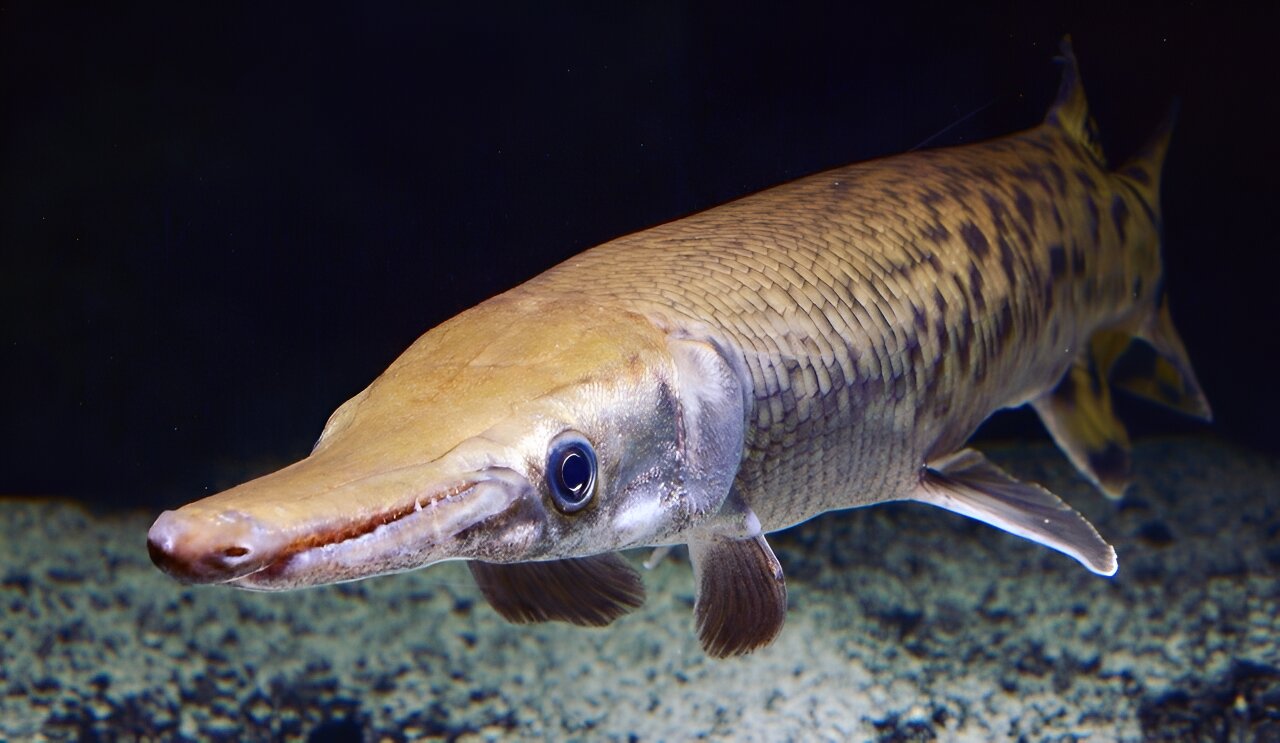
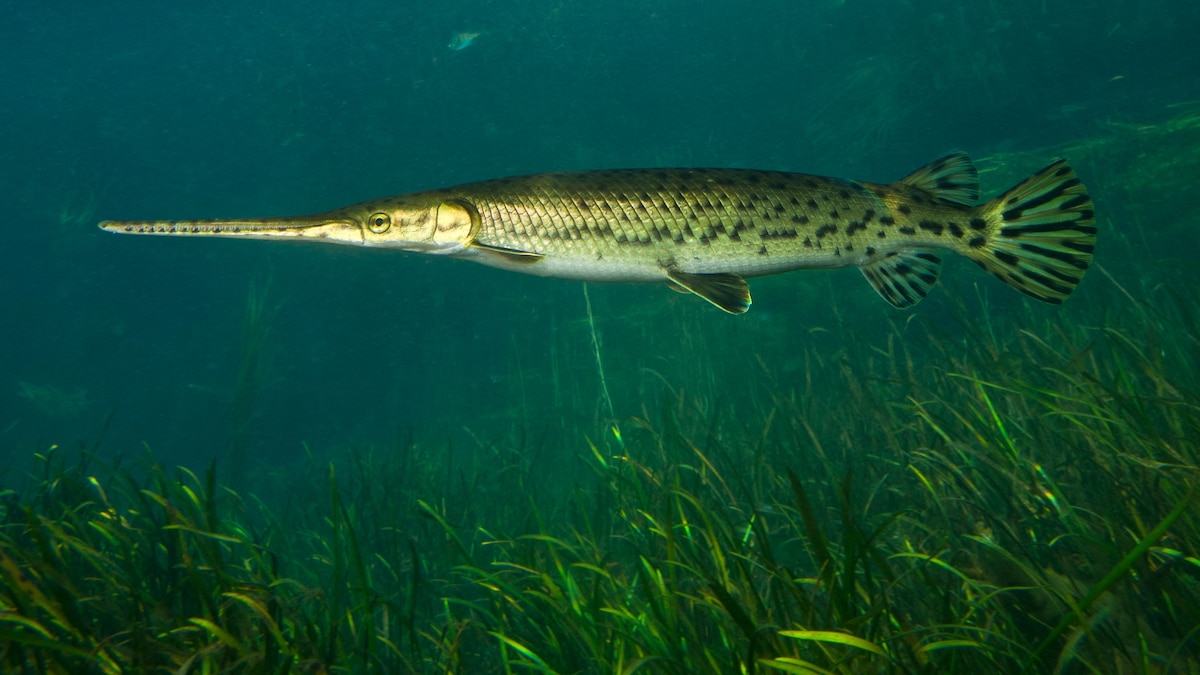
Gars, known as "living fossils," have the slowest rate of molecular evolution among vertebrates, indicating an over-active DNA repair mechanism that could have implications for human health. A recent study led by researchers at Yale University found that gars' DNA and RNA have changed up to three orders of magnitude more slowly than any other major group of vertebrates. Additionally, gars are the most distantly diverged organisms known to hybridize, with their extremely slow evolutionary trajectory potentially allowing distantly related cousins to continue producing fertile offspring. The study suggests that understanding the gars' efficient DNA-repair mechanism could lead to advances in human medicine and disease prevention.