Tag

Hybridization

All articles tagged with #hybridization

Uncovering the 9-Million-Year-Old Tomato Connection to Potato Origins

Originally Published 5 months ago — by NPR

Featured image for Uncovering the 9-Million-Year-Old Tomato Connection to Potato Origins
Source: NPR

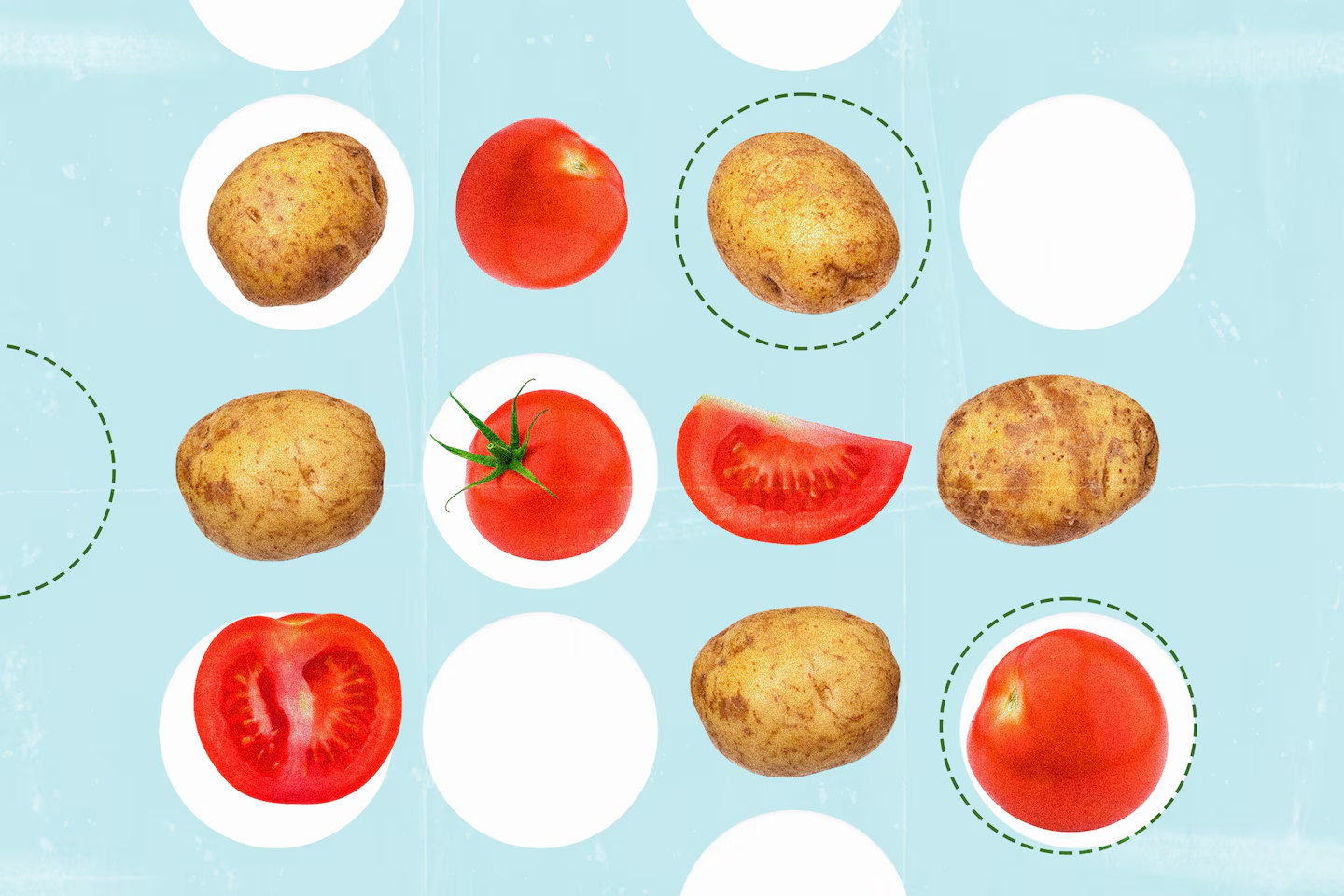
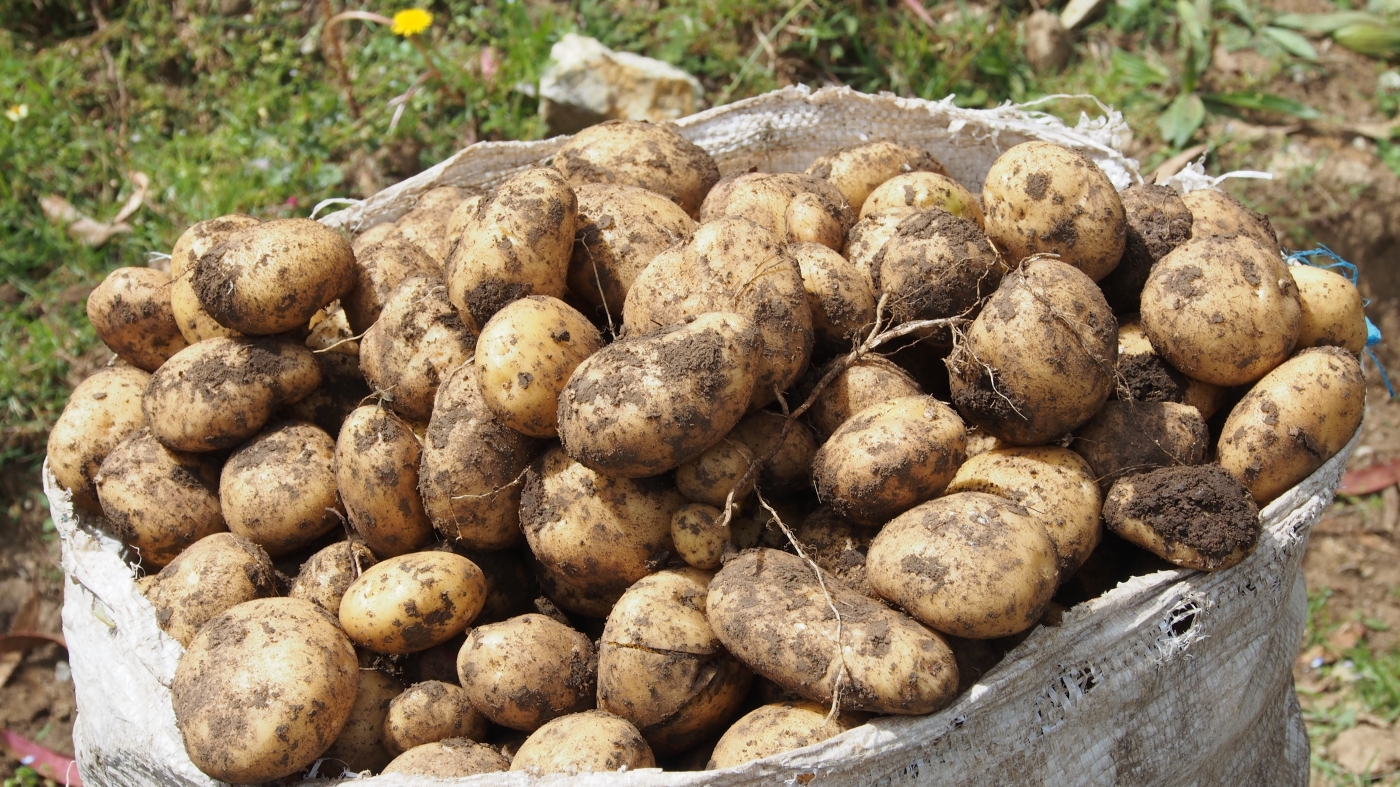
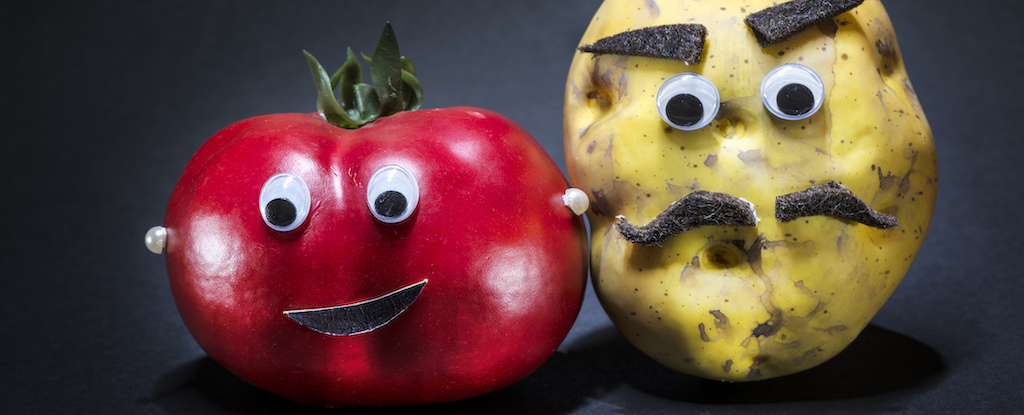
Scientists discovered that potatoes originated from a hybridization event between ancestors of tomatoes and Etuberosum around 9 million years ago, which allowed them to adapt to high-altitude habitats in the Andes and eventually led to domesticated varieties. This hybridization provided potatoes with unique traits like tuber formation, and understanding this process could help develop disease-resistant and climate-resilient potato crops through genetic engineering.

Potatoes Evolved from Tomatoes in a 9 Million-Year-Old Genetic Mix

Originally Published 5 months ago — by The Washington Post

Featured image for Potatoes Evolved from Tomatoes in a 9 Million-Year-Old Genetic Mix
Source: The Washington Post

Scientists have discovered that the modern potato originated from hybridization between ancestors of tomato plants and a potato-like plant called etuberosum in South America around 9 million years ago, leading to the development of the petota lineage which includes cultivated and wild potato species.

"Lizard's Superhero Genes Unleash Hulk-Like Transformation"

Originally Published 1 year ago — by Ars Technica

Featured image for "Lizard's Superhero Genes Unleash Hulk-Like Transformation"
Source: Ars Technica

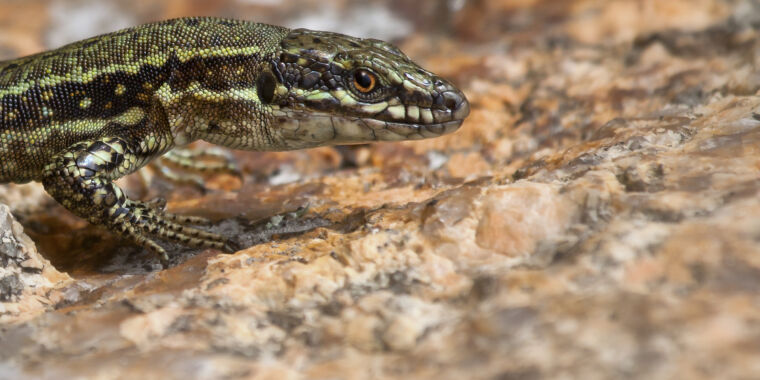
A subspecies of the common wall lizard, Podarcis muralis nigriventris, found in central Italy, exhibits larger size, green skin, and heightened aggression due to genetic introgression from another lineage. Researchers identified specific genes regulating neural crest cells that contribute to these traits, revealing the genetic basis for the lizard's distinctive appearance.

"Hybridization Drives Evolutionary Breakthrough in Butterflies"

Originally Published 1 year ago — by National Geographic

Featured image for "Hybridization Drives Evolutionary Breakthrough in Butterflies"
Source: National Geographic

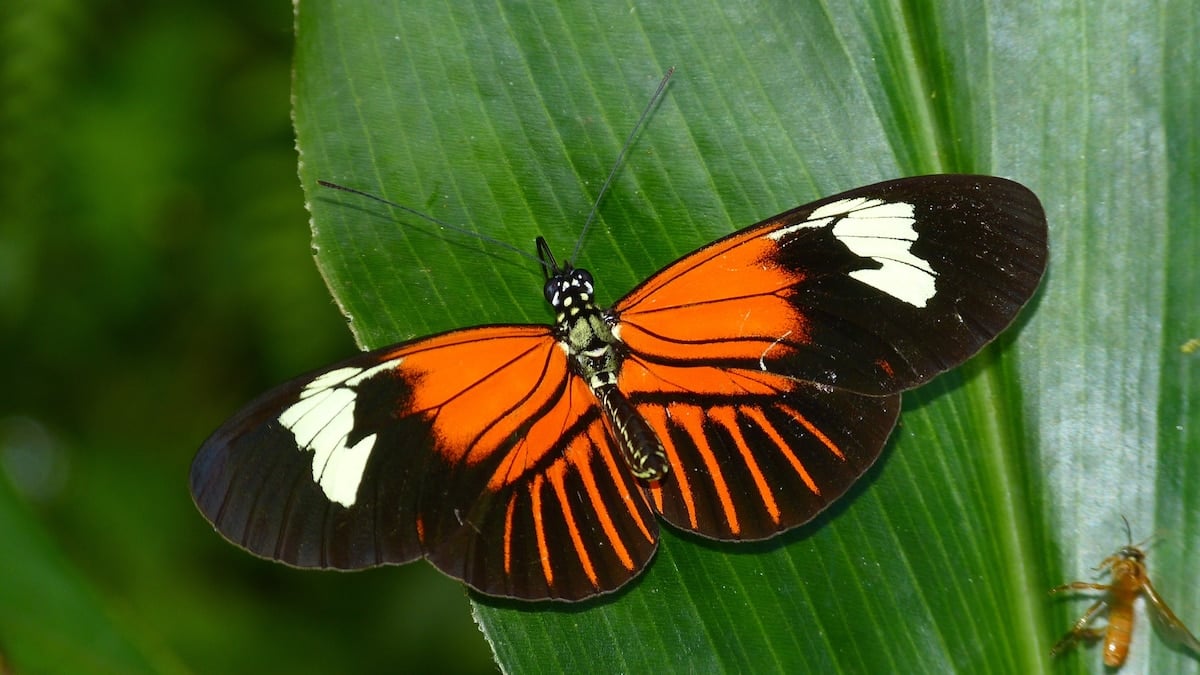
Scientists have discovered the first animal species that arose from the merging of two parental species' genomes, providing evidence that hybridization can drive the evolution of new species. The Amazonian butterfly species Heliconius elevatus is a genetic mixture of 1 percent H. melpomene and 99 percent H. pardalinus, with the hybridization event occurring around 180,000 years ago. This finding challenges the traditional "tree of life" model and suggests that there may be more hybrid butterfly species waiting to be discovered through genomic data analysis.

"Unlocking Longevity Secrets: Studying Ancient Gars, Earth's Primitive 'Living Fossils'"

Originally Published 1 year ago — by National Geographic

Featured image for "Unlocking Longevity Secrets: Studying Ancient Gars, Earth's Primitive 'Living Fossils'"
Source: National Geographic

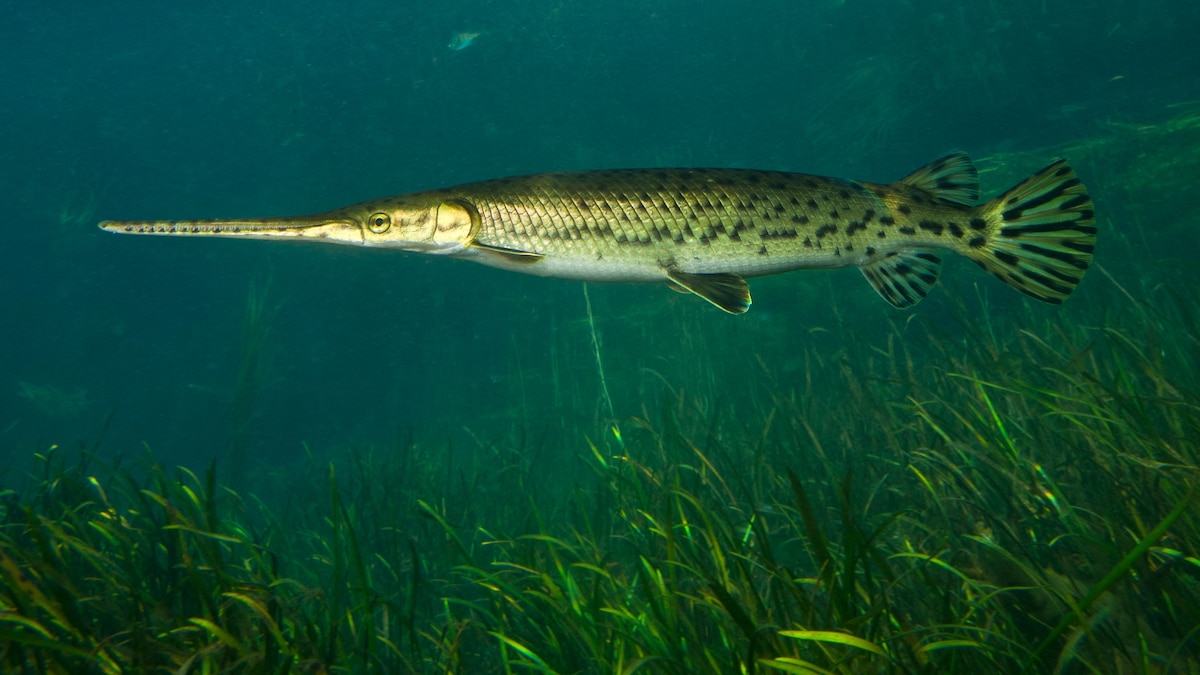
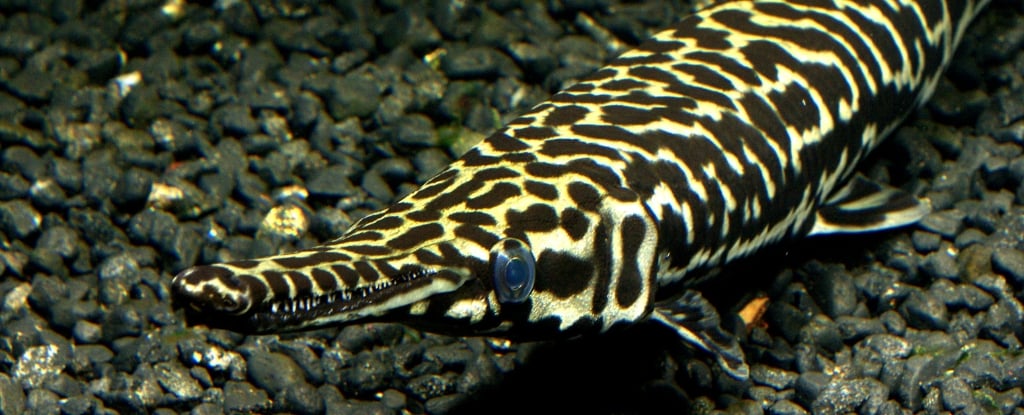
Gars, known as "living fossils," have the slowest rate of molecular evolution among vertebrates, indicating an over-active DNA repair mechanism that could have implications for human health. A recent study led by researchers at Yale University found that gars' DNA and RNA have changed up to three orders of magnitude more slowly than any other major group of vertebrates. Additionally, gars are the most distantly diverged organisms known to hybridize, with their extremely slow evolutionary trajectory potentially allowing distantly related cousins to continue producing fertile offspring. The study suggests that understanding the gars' efficient DNA-repair mechanism could lead to advances in human medicine and disease prevention.

Unraveling the Genetic Mysteries of the Bengal Cat

Originally Published 1 year ago — by Phys.org

Featured image for Unraveling the Genetic Mysteries of the Bengal Cat
Source: Phys.org

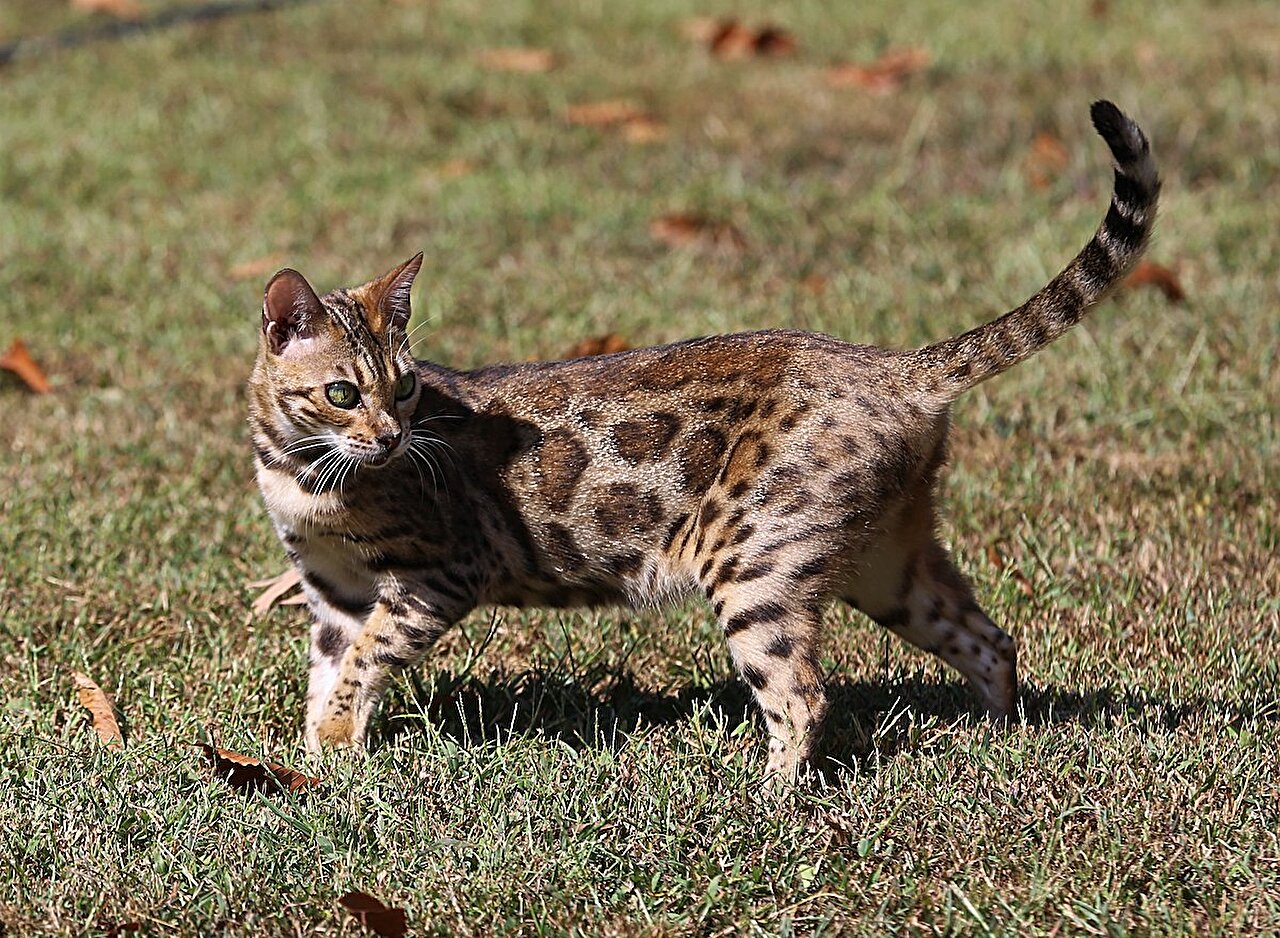
A study published in Current Biology explores the genetics of Bengal cats, a hybrid breed created by crossing domestic cats with Asian leopard cats in the 1960s. The research reveals that Bengal cats trace their heritage to species from millions of years ago and that their unique appearance is influenced by a small percentage of Asian leopard DNA. The study also uncovers that traits like the "glitter" coat in Bengal cats are caused by mutations in specific genes, offering valuable insights for cat lovers and scientists interested in hybridization and selection.

"Unraveling the Genetic Secrets of Slowly Evolving 'Living Fossil' Fish"

Originally Published 1 year ago — by ScienceAlert

Featured image for "Unraveling the Genetic Secrets of Slowly Evolving 'Living Fossil' Fish"
Source: ScienceAlert

Research into ancient gars has revealed that their slow molecular evolution rates have led to the production of fertile hybrid offspring between species that haven't shared a common ancestor for 105 million years, providing a biological mechanism behind their status as "living fossils." This discovery sheds light on the evolutionary process in nature and could have implications for medical research.

"Surprising Discovery: Blue Whales Found to Have Hybrid Offspring with Other Species"

Originally Published 1 year ago — by Livescience.com

Featured image for "Surprising Discovery: Blue Whales Found to Have Hybrid Offspring with Other Species"
Source: Livescience.com

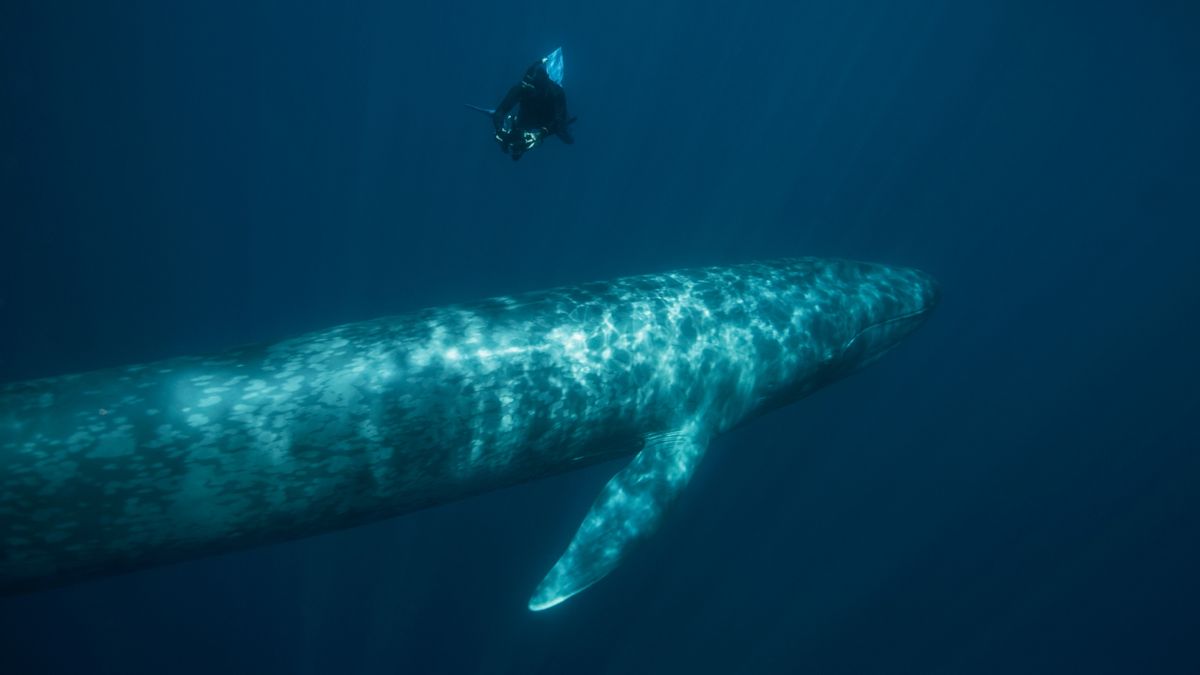
A study reveals that Atlantic blue whales have a surprising amount of fin whale DNA in their genomes, indicating that the two species have been mating and producing viable hybrid offspring. The findings suggest that these hybrids are capable of reproducing, contrary to previous beliefs. While the genetic diversity and gene flow among the North Atlantic blue whale population are positive signs for their resilience, the potential impact of introgression on the whales' ability to adapt to environmental challenges, such as human-induced climate change, raises concerns for conservation efforts.

"Hybridization Drives Rapid Evolution of 500+ Fish Species in Single Lake"

Originally Published 1 year ago — by IFLScience

Featured image for "Hybridization Drives Rapid Evolution of 500+ Fish Species in Single Lake"
Source: IFLScience

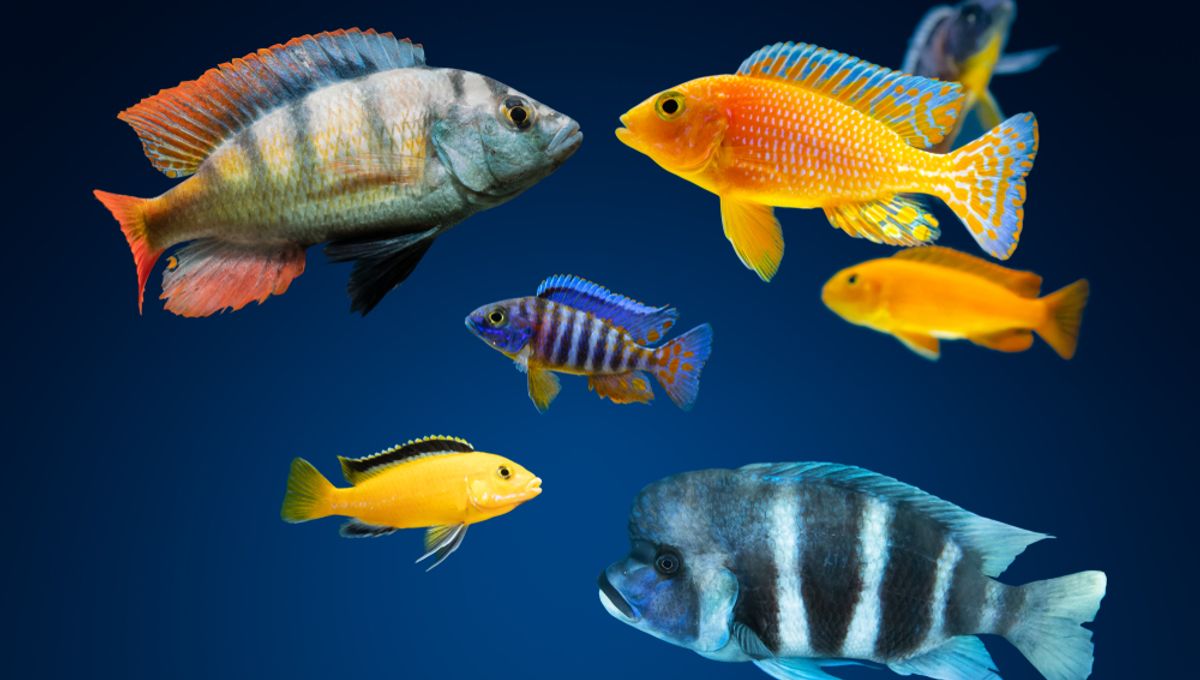
Over 500 species of cichlid fish in Lake Victoria have rapidly evolved within just 16,000 years through hybridization, challenging the traditional understanding of evolution. Scientists discovered that these diverse species originated from three lineages that arrived in the lake and interbred, generating a wide array of hybrids that eventually evolved into different species. This phenomenon challenges the assumption that hybrids are an evolutionary dead-end and highlights the potential benefits of genetic diversity through hybridization in various species, including humans.

Climate Change Spurs Evolution: New Hybrid Puffin Subspecies Emerges

Originally Published 2 years ago — by Ars Technica

Featured image for Climate Change Spurs Evolution: New Hybrid Puffin Subspecies Emerges
Source: Ars Technica

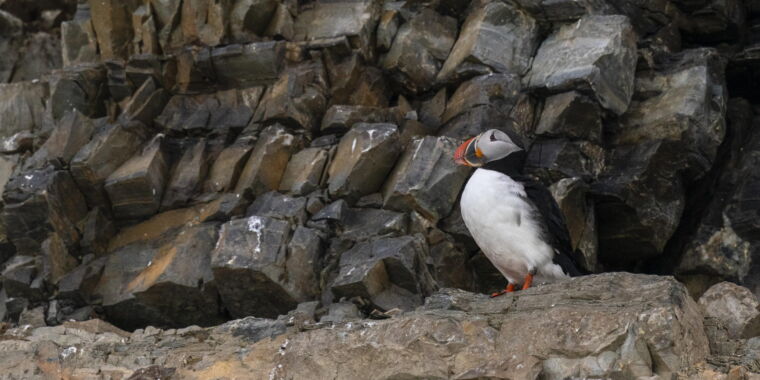
Climate change-driven warming in the Arctic has led to the emergence of a new hybrid subspecies of Atlantic puffins on the Norwegian island of Bjornoya, according to a study published in Science Advances. The hybridization occurred between two subspecies within the past century, coinciding with the onset of faster global warming. Surprisingly, the hybridization occurred after a subspecies migrated southward, not poleward toward cooler temperatures. The study also highlights a significant loss of genetic diversity in the puffin populations, raising concerns about the health of Arctic puffins. The findings underscore the impact of recent years on Arctic communities and the importance of analyzing both modern and historical DNA data.

"Jurassic Species Reunited: The Sturddlefish Hybrid Bridges Ancient Divide"

Originally Published 2 years ago — by IFLScience

Featured image for "Jurassic Species Reunited: The Sturddlefish Hybrid Bridges Ancient Divide"
Source: IFLScience

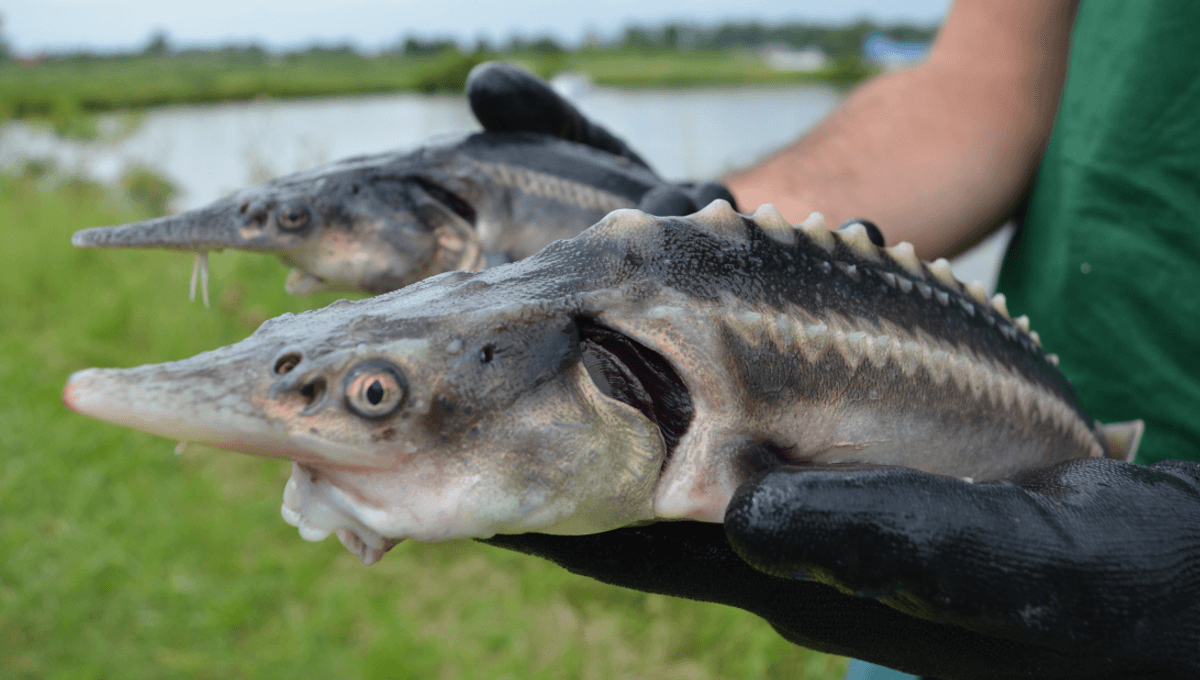
In a surprising fertilization event, American paddlefish and Russian sturgeon successfully bred to create a hybrid group of animals called "sturddlefish." These two species, which diverged during the Jurassic period, were thought to be too distantly related to hybridize. The accidental hybridization occurred during a scientific experiment to introduce asexual reproduction into the endangered paddlefish and sturgeon populations. Despite their evolutionary distance, the hybrid sturddlefish exhibited different ratios of features from the two species and showed survival rates beyond 30 days. However, the offspring were sterile. This unexpected result highlights the potential for hybridization between distantly related species and the resilience of life.