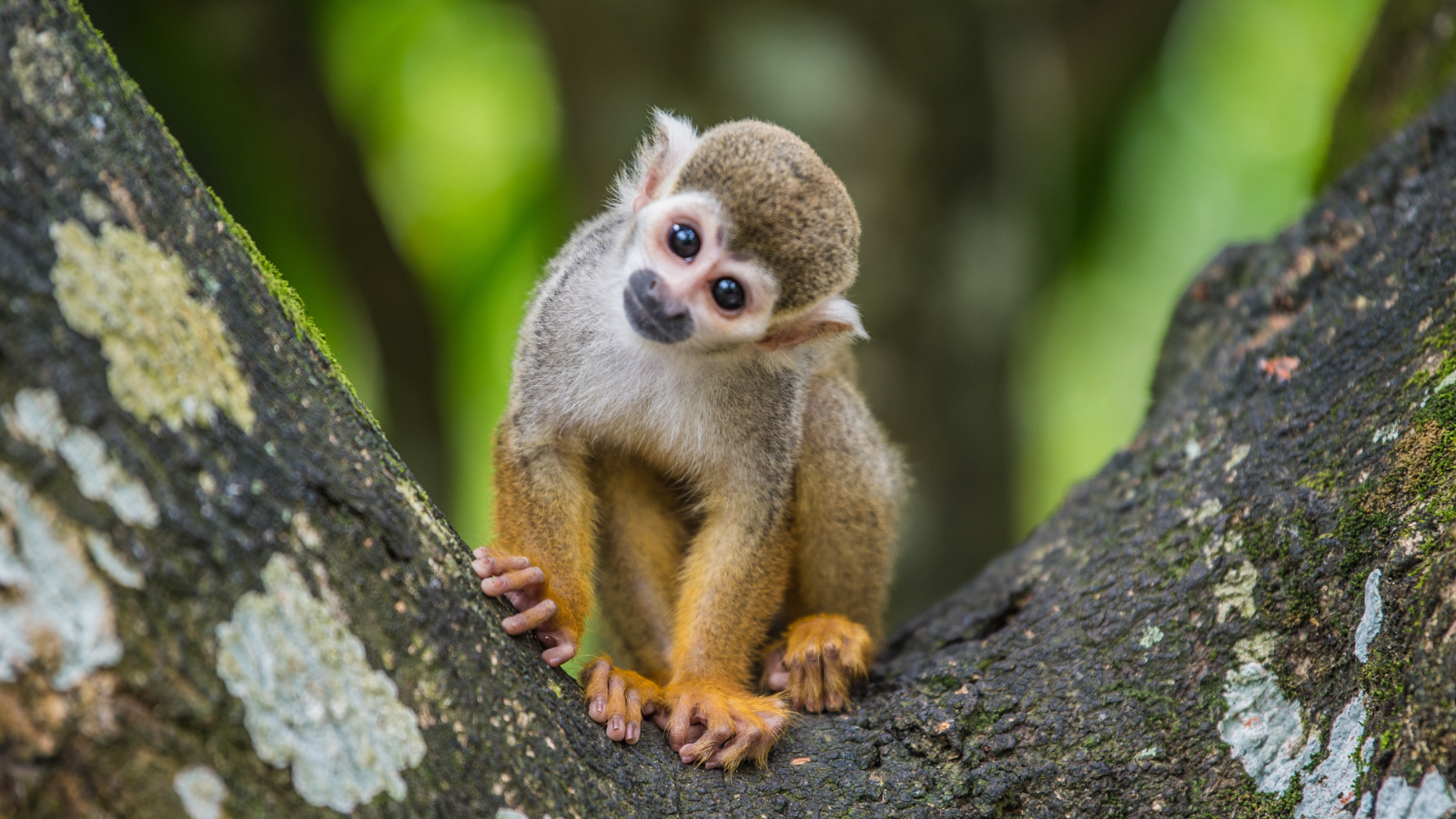
Primates are a highly diverse mammal group with over 200 species, found across multiple continents, but the majority are threatened with extinction. The article covers primate classification, characteristics, and interesting facts about their evolution and conservation status.
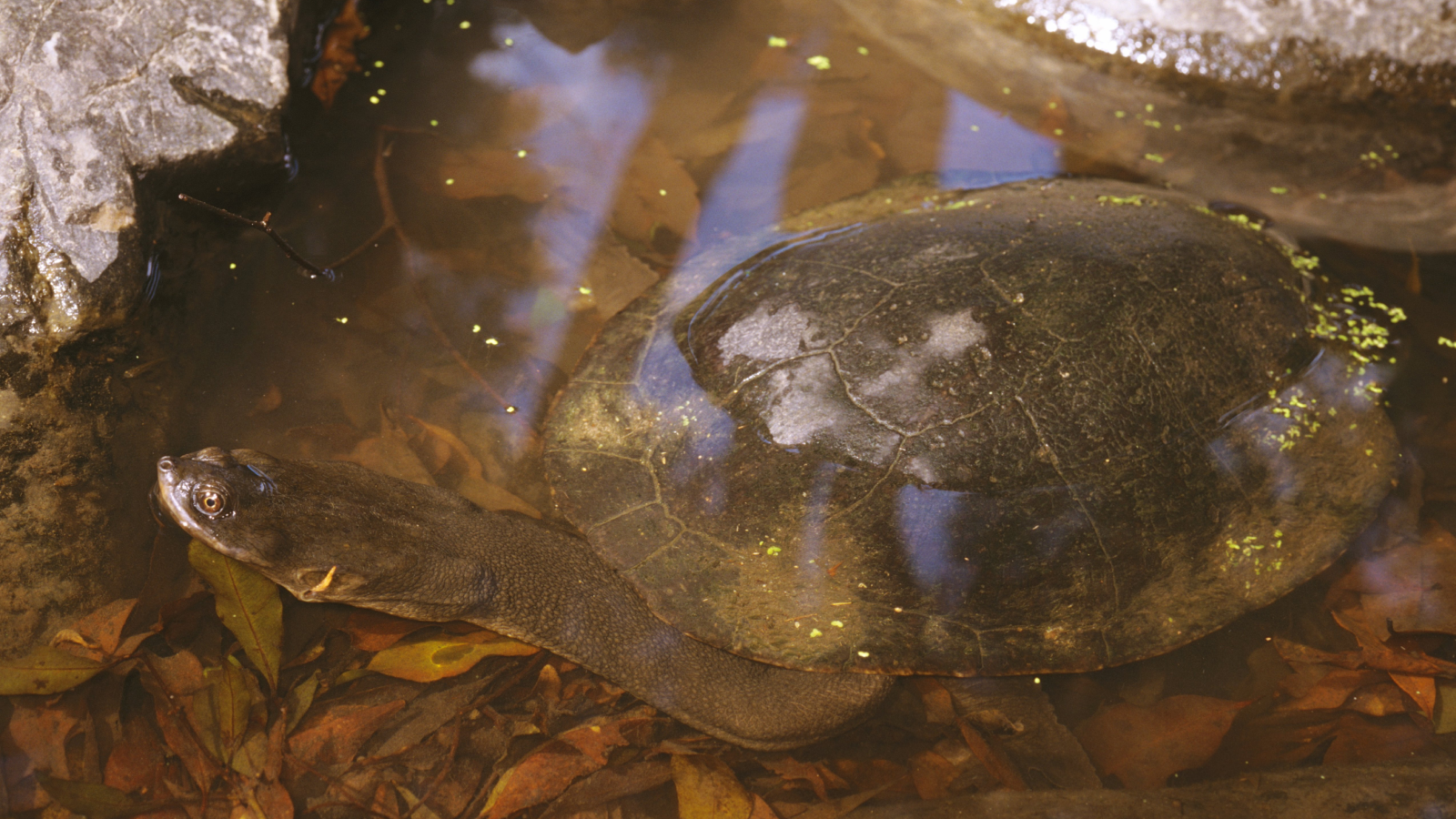
Some turtles, like side-neck turtles and box turtles, can tuck their heads into their shells as a defense mechanism, but sea turtles cannot due to their lighter shells. The turtle shell evolved over nearly 300 million years primarily for protection and support, with different species developing various ways to utilize or not utilize this feature. Fossil evidence shows the shell's evolution from wider ribs and other skeletal modifications, not solely for defense.
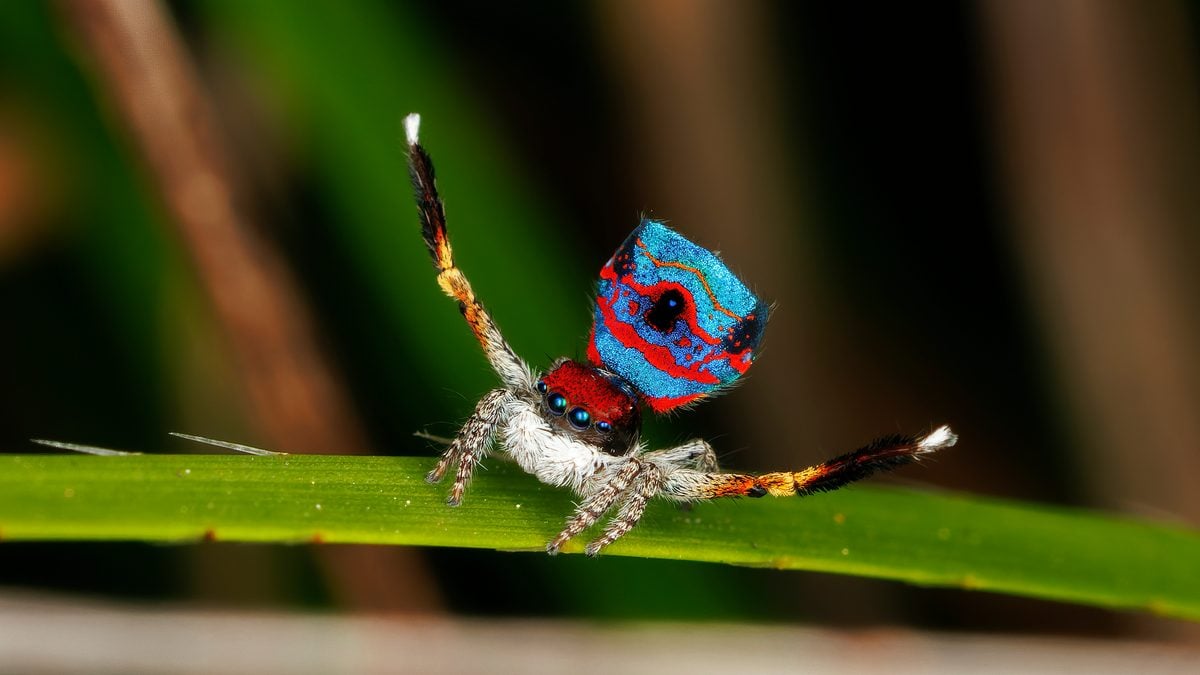
The article showcases the beauty of various spiders, highlighting species like the peacock spider, ladybird spider, peacock tarantula, wasp spider, and mirror spider, emphasizing their vibrant colors and unique features that challenge common perceptions of spiders as frightening creatures.
Originally Published 3 months ago — by Hacker News
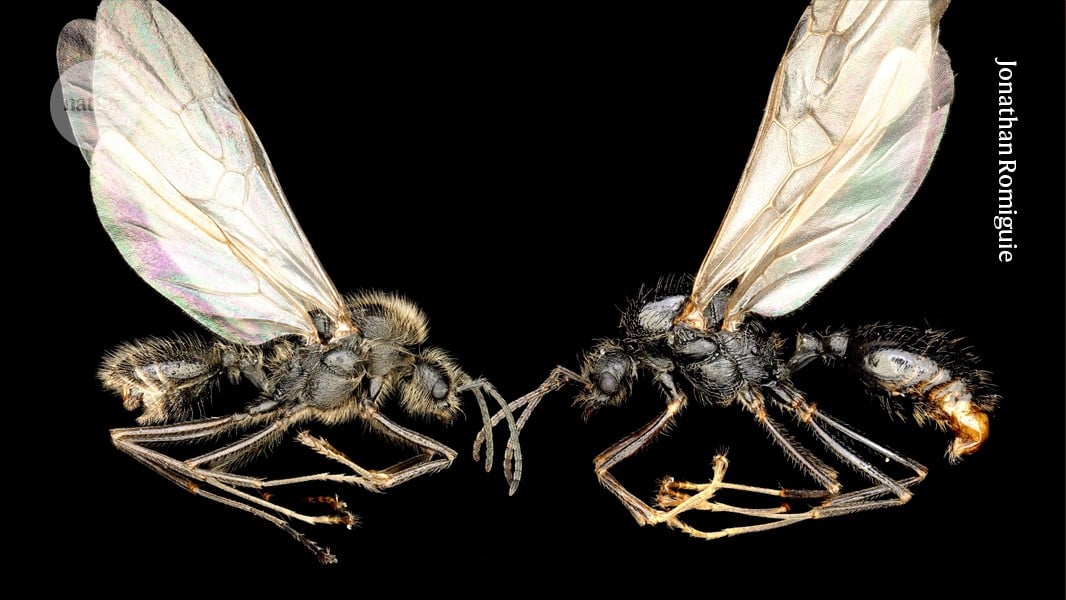
Some ants, like M. ibericus, exhibit extraordinary reproductive behaviors, including laying eggs that hatch into another species, through mechanisms like removing their own genetic material from eggs and cloning males, challenging traditional understanding of species and evolution.
Scientists discovered that the Iberian harvester ant queen can produce offspring from two different species through a complex process involving cloning and cross-species reproduction, challenging current understanding of evolutionary biology.
Iberian harvester ants (Messor ibericus) can clone males of a different species, Messor structor, to produce hybrid workers and maintain their colony, even in areas where M. structor is absent, showcasing a remarkable and almost unimaginable biological system.
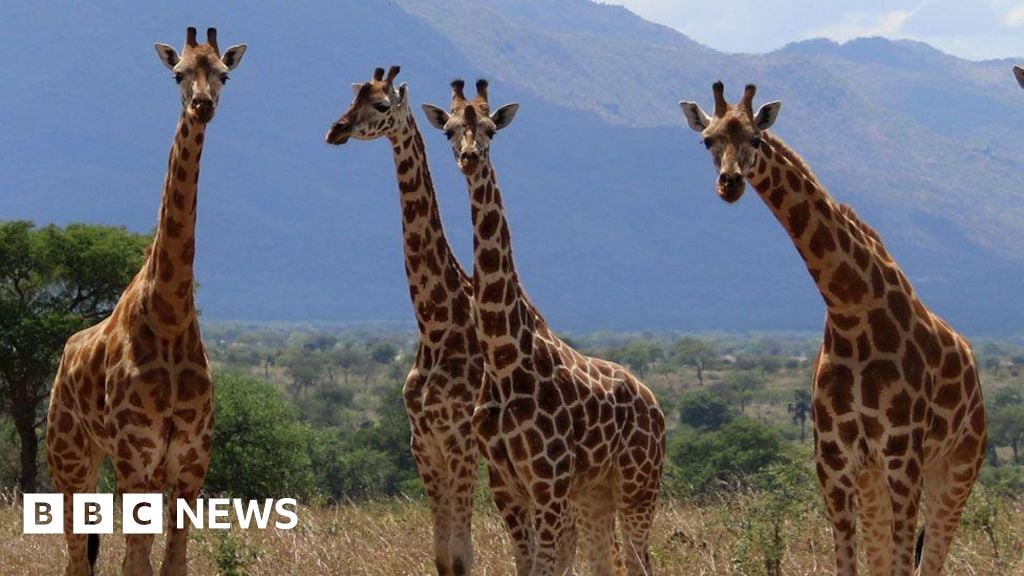
Scientists have identified three additional giraffe species beyond the previously recognized single species, based on genetic and physical differences, which has important implications for conservation efforts to protect these animals.
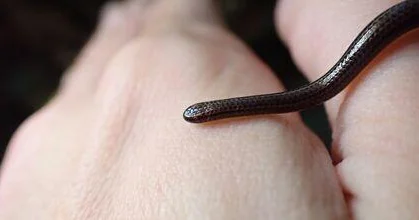
The world's smallest-known snake, the Barbados threadsnake, was rediscovered after nearly 20 years in Barbados, highlighting its rarity and the importance of habitat conservation.
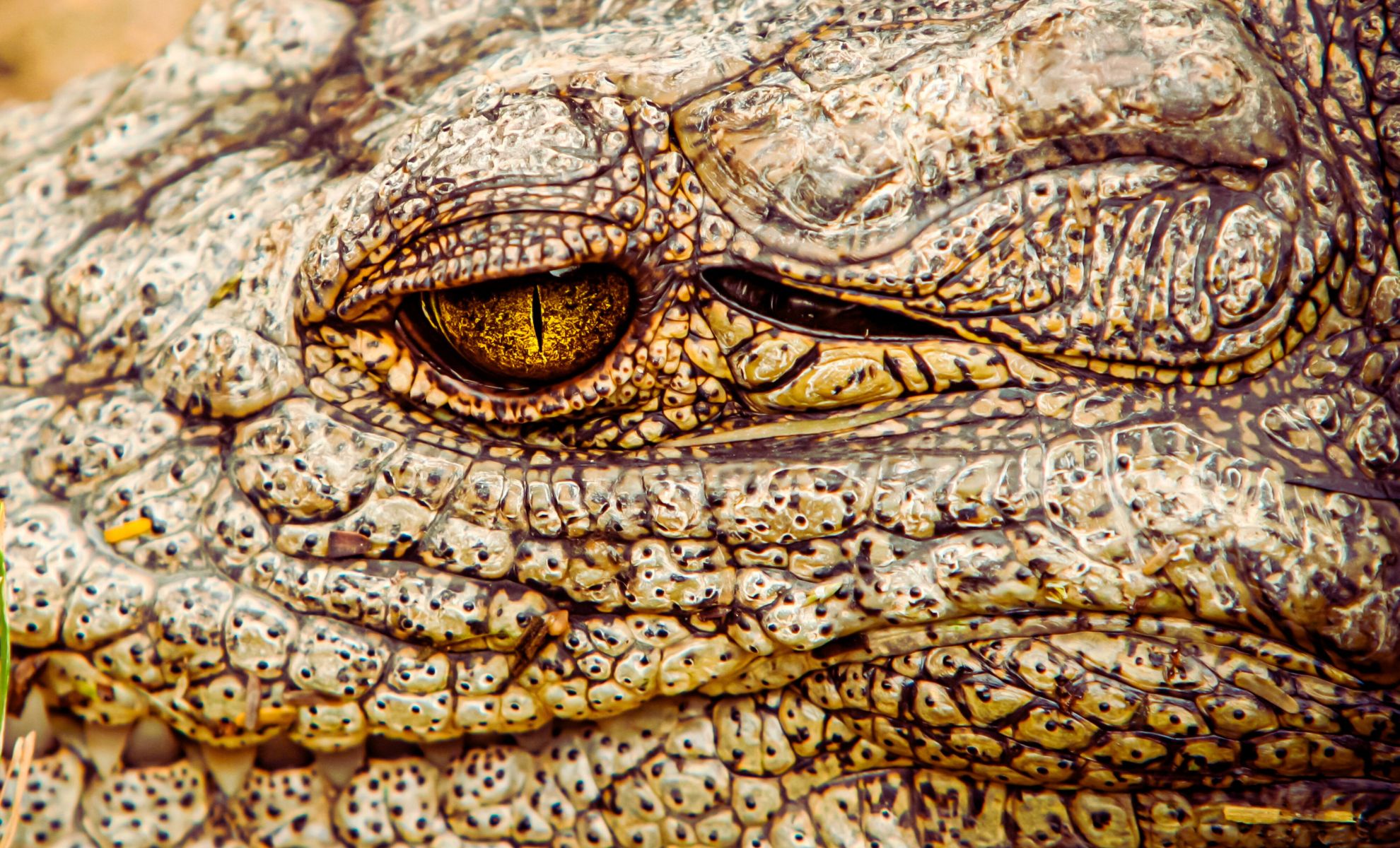
Henry, the world's oldest crocodile at 124 years old, resides in South Africa and has fathered over 10,000 offspring, exemplifying crocodilian longevity and resilience, possibly due to unique biological factors like negligible senescence and gut microbiome health.
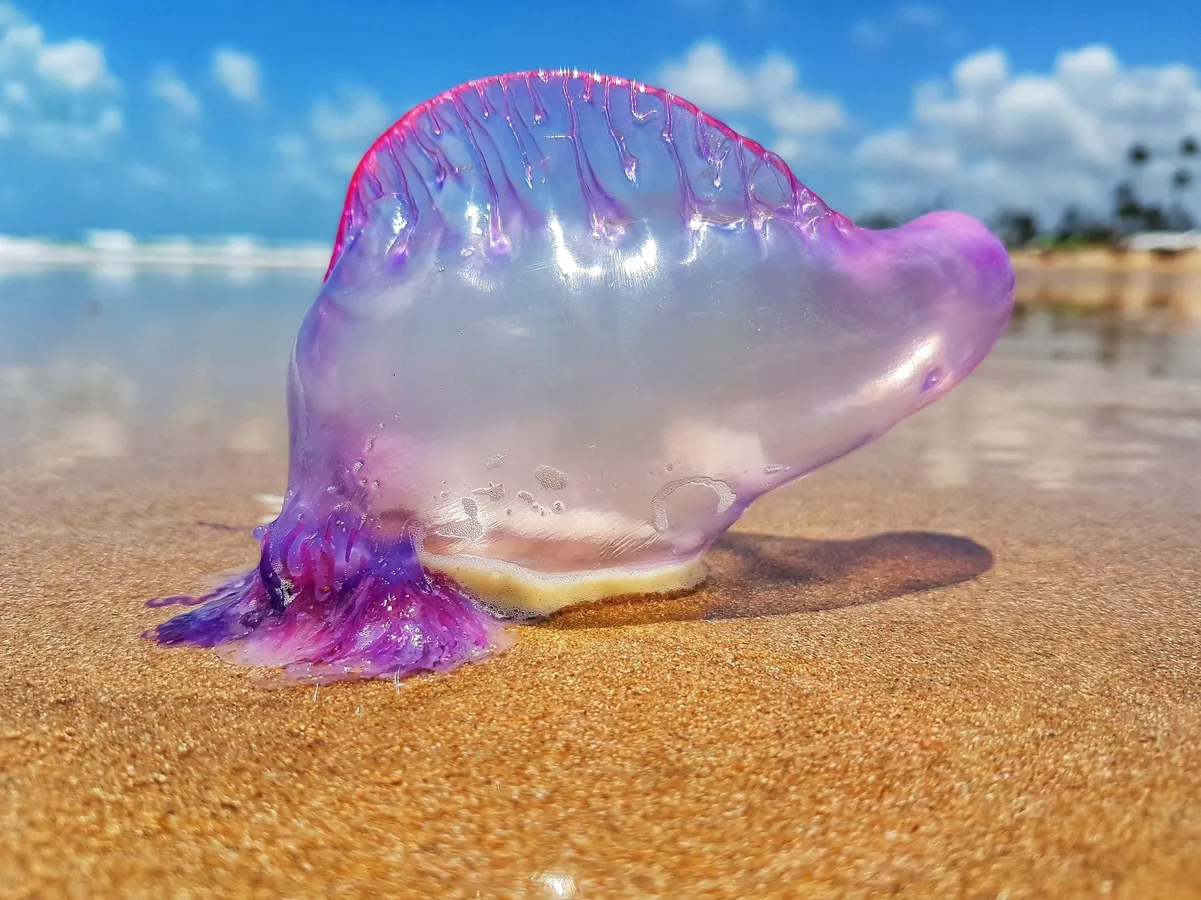
Genomic research has revealed that the Portuguese man o’ war is not a single species but at least four distinct species with unique morphologies, genetics, and distributions, challenging long-held assumptions about open-ocean biodiversity.
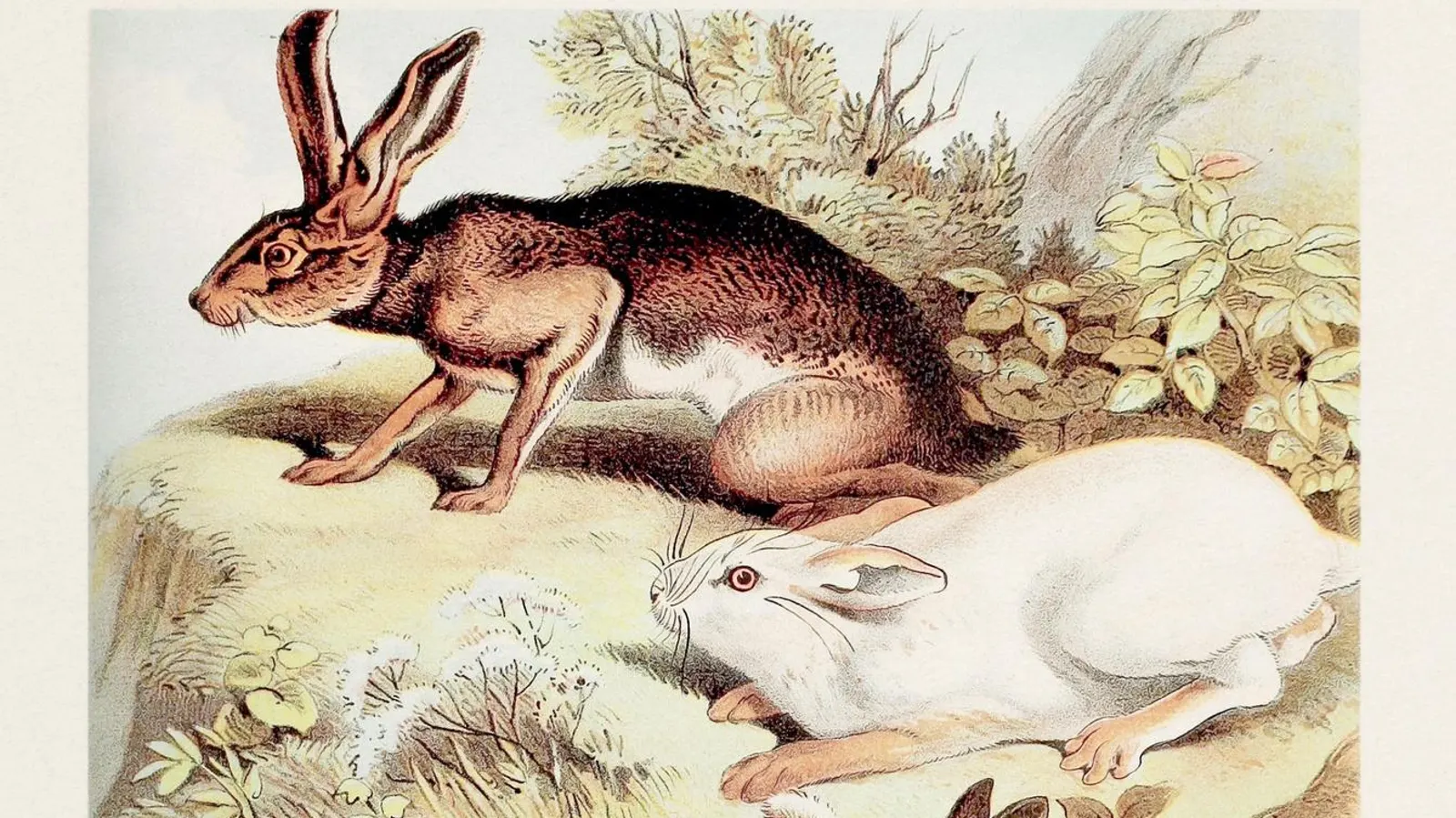
The article explains the importance of accurately distinguishing closely related animal species, such as hares vs. rabbits, bison vs. buffalo, dolphins vs. porpoises, and crows vs. ravens, highlighting their physical and behavioral differences that reflect their unique evolutionary paths and ecological niches.
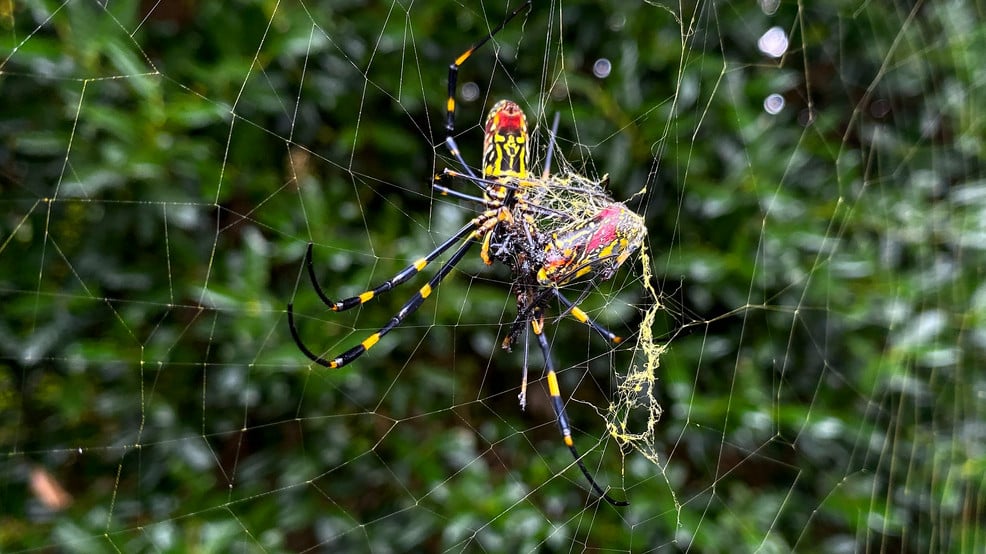
Concerns are rising over the invasion of the venomous Joro spider in the United States, with populations growing in the South and East Coast. While officials state the spiders are not harmful to people or animals and do not seek to enter homes, they may still pose a risk. URI professor Laura Meyerson advises removing their webs and relocating the spiders if found. The species is expected to reach New York and New Jersey this summer.
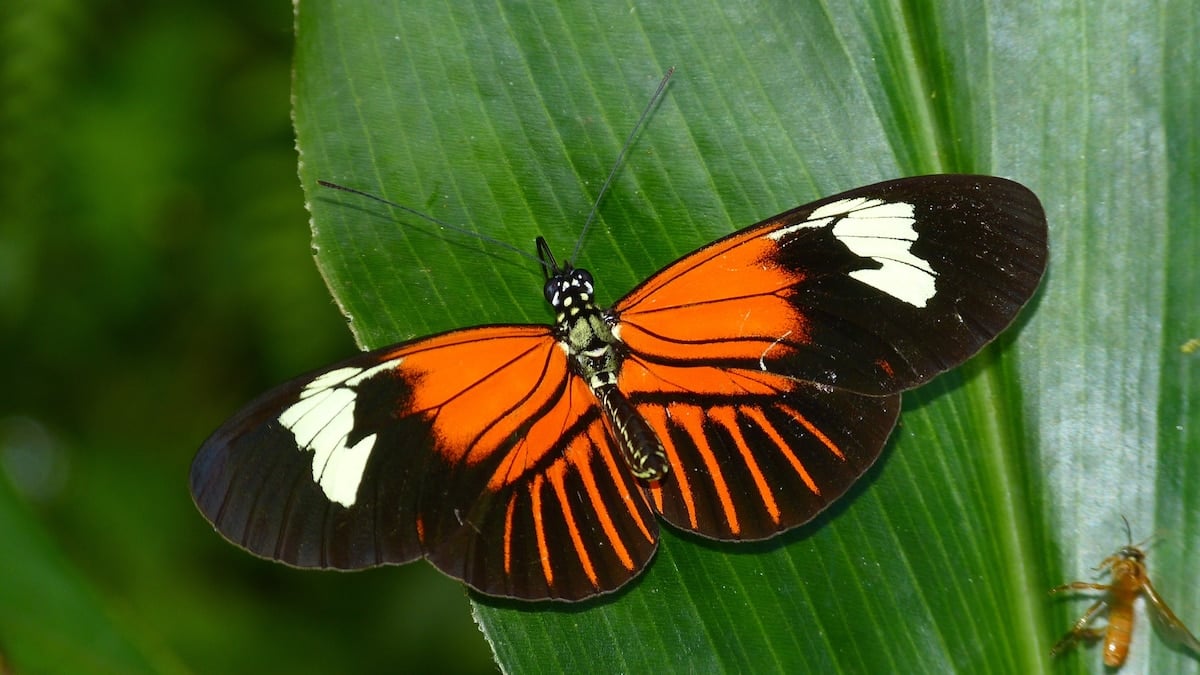
Scientists have discovered the first animal species that arose from the merging of two parental species' genomes, providing evidence that hybridization can drive the evolution of new species. The Amazonian butterfly species Heliconius elevatus is a genetic mixture of 1 percent H. melpomene and 99 percent H. pardalinus, with the hybridization event occurring around 180,000 years ago. This finding challenges the traditional "tree of life" model and suggests that there may be more hybrid butterfly species waiting to be discovered through genomic data analysis.
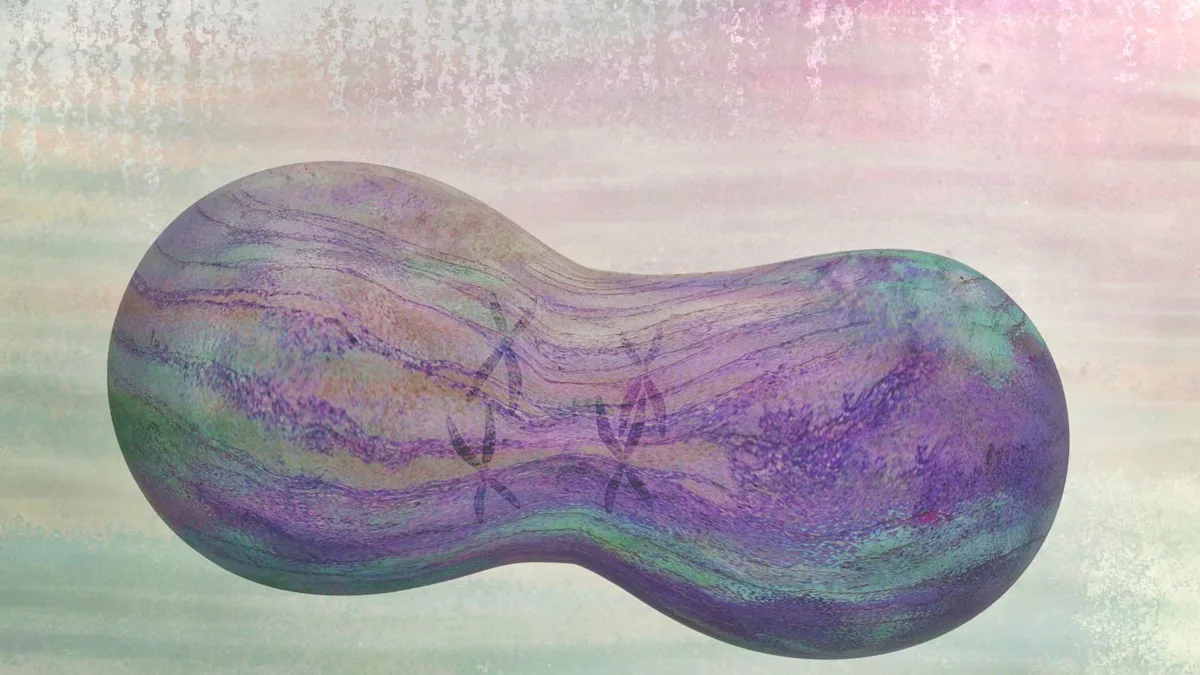
Spanish scientists identified over 7,000 groups of genes that can be traced back to the last common ancestor of bilaterians, shedding light on the genetic legacy of animals including mammals, insects, and reptiles that originated 700 million years ago.