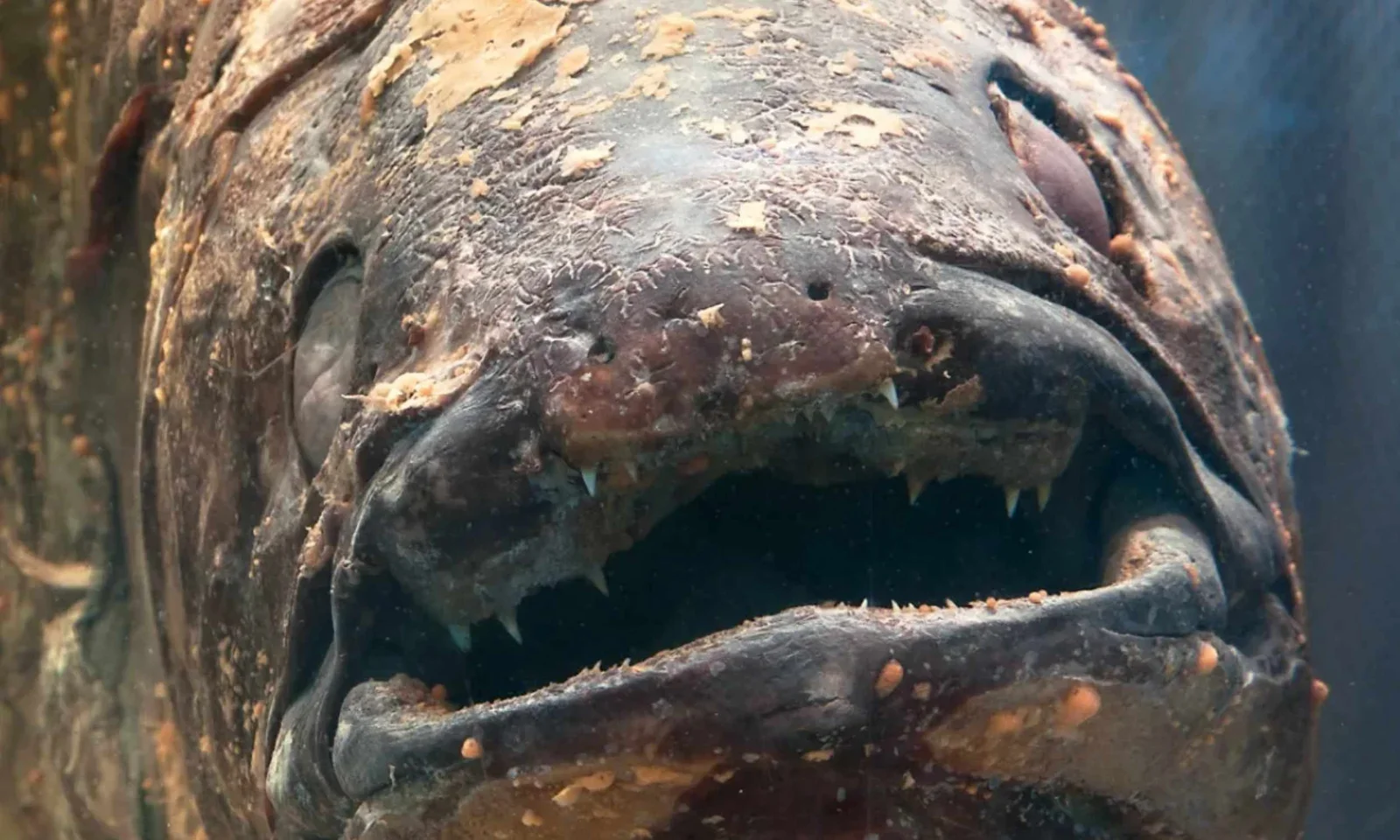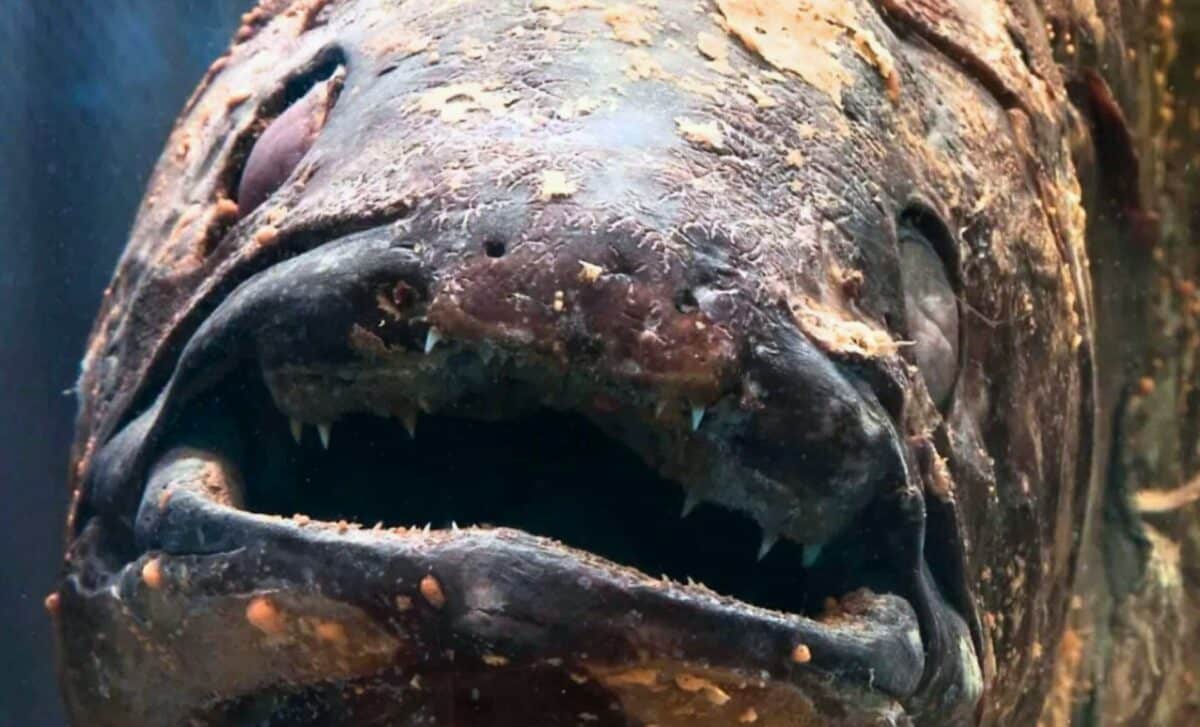
Deep technical divers in Indonesia captured the first-ever live footage of a Sulawesi coelacanth in its natural habitat, confirming its survival and extending its known range, highlighting the species' rarity and the need for conservation efforts.
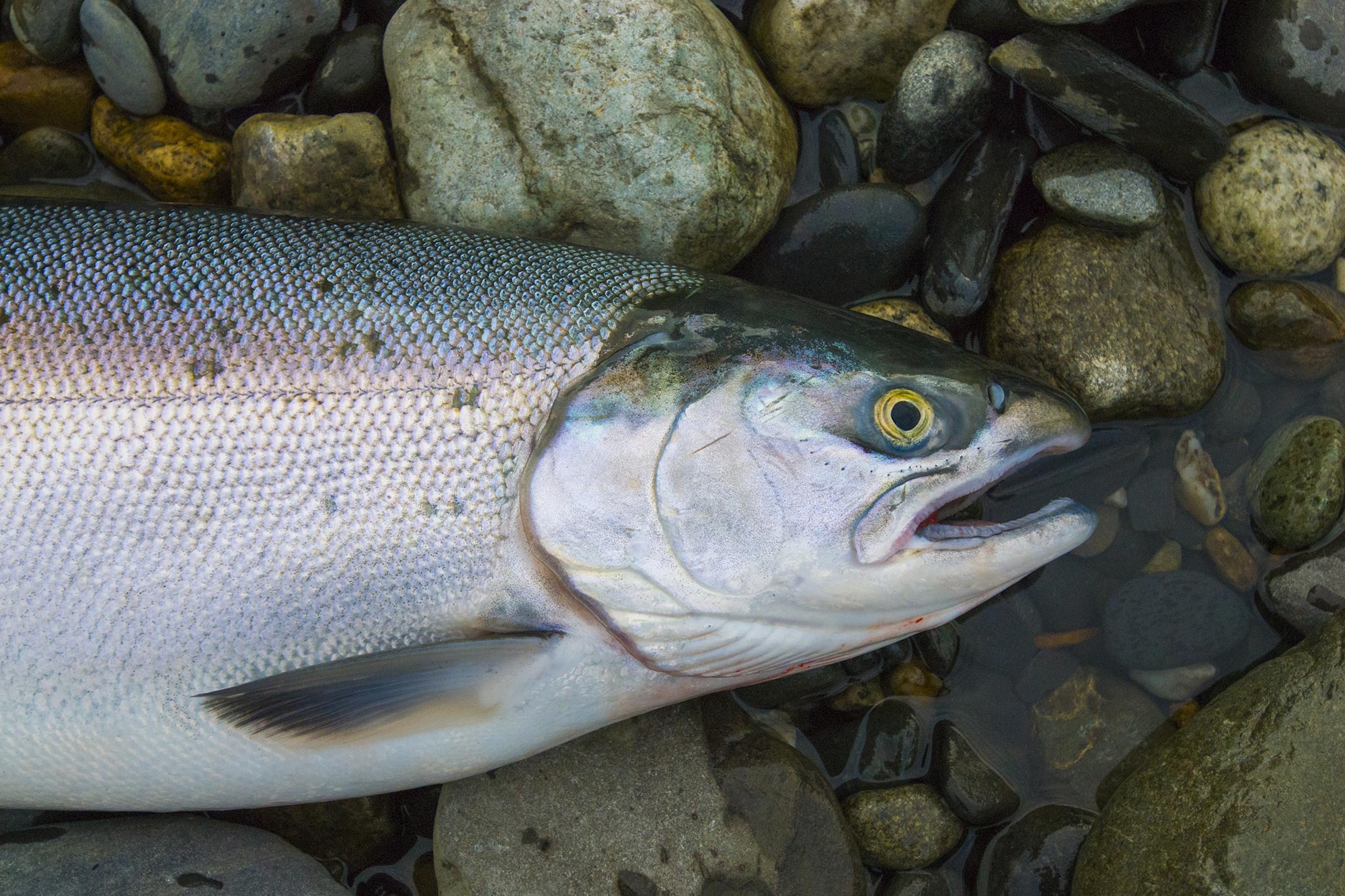
Scientists discovered the world's oldest salmon fossil in Arctic Alaska, dating back 73 million years, revealing that ancient salmonids thrived during the Cretaceous period and suggesting their origins in northern high-latitude regions.
Scientists in Indonesia captured the first live photos of the rare and ancient coelacanth fish, Latimeria menadoensis, revealing its habitat and emphasizing the importance of conservation efforts to protect this vulnerable species, which has survived for over 400 million years and offers insights into fish evolution and limb development.
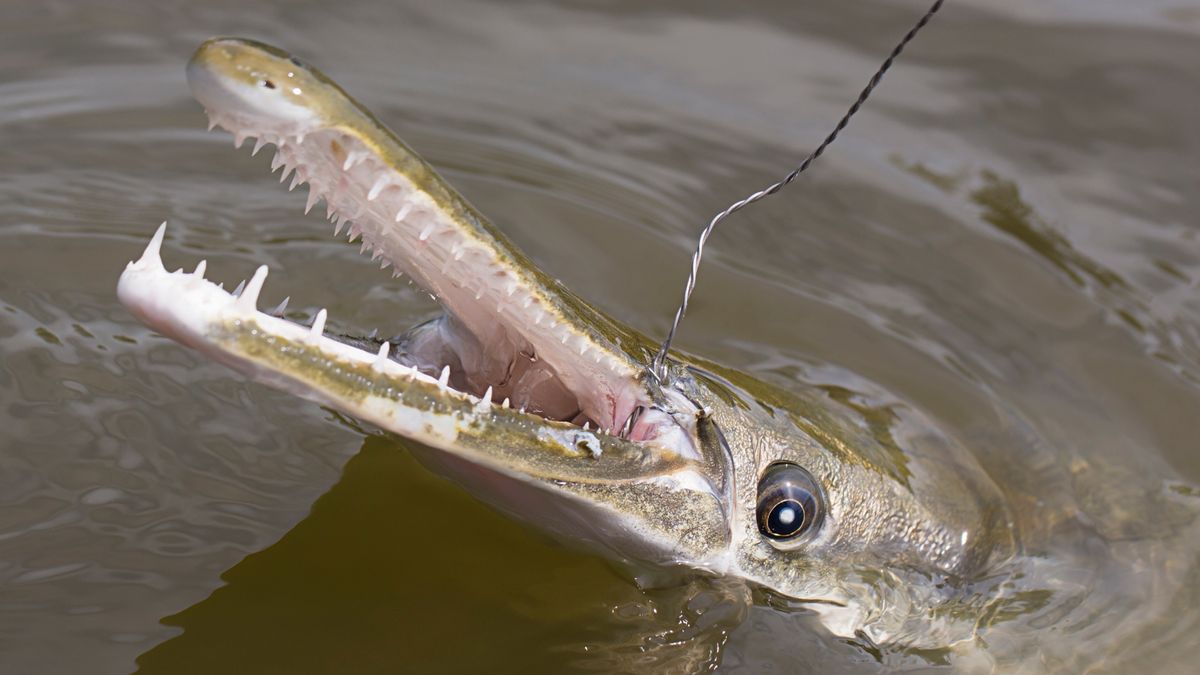
Gars, a type of prehistoric fish, have been found to have one of the slowest rates of evolution among jawed vertebrates, making them the ultimate living fossils. A study revealed that gars and related sturgeons have evolved at an exceptionally slow pace, with low rates of gene substitution and mutation over time. This slow evolution has led to the stability of their few species over millions of years, allowing even species separated by 100 million years to interbreed. The research has raised questions about the mechanisms behind the low substitution rate and the stability of the genomes of gars and other living fossils.
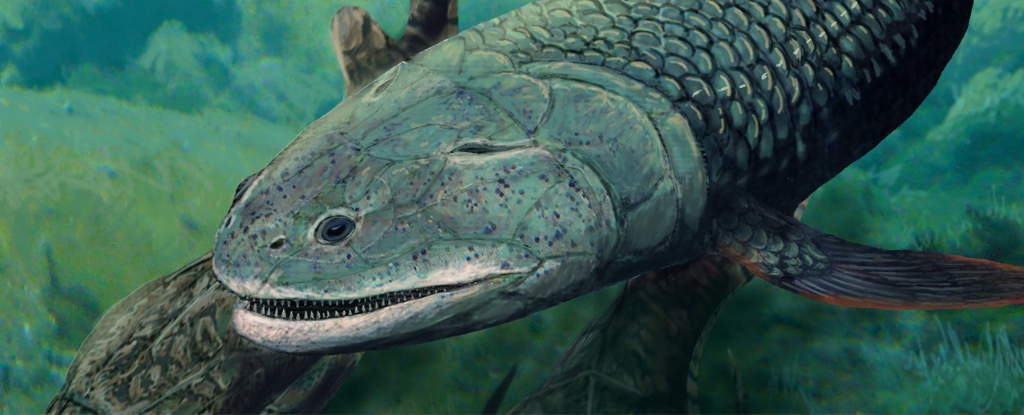
Fossil remains of a 380-million-year-old predatory fish named Harajicadectes zhumini have been discovered in central Australia, representing the first reasonably complete bony fish found from Devonian rocks in the region. This air-breathing fish, measuring up to 40 centimeters in length, had sharp teeth, fangs, and large spiracles on its skull, suggesting it may have been an apex predator in ancient rivers. The presence of these spiracles, similar to those in early limbed vertebrates, provides insight into the evolution of air breathing in backboned animals.
The famous prehistoric fish fossil, Tiktaalik roseae, discovered by paleontologists Ted Daeschler and Neil Shubin, returns to Philadelphia for a new exhibit at the Academy of Natural Sciences. The exhibit explores the significance of Tiktaalik's discovery and its impact on understanding the evolution of life on land. The exhibit also celebrates Daeschler's storied career as he retires from his position as curator and chair of Vertebrate Zoology. Tiktaalik, a 375-million-year-old carnivore, filled a critical gap in the fossil record and is considered one of the most important paleontological finds in decades.
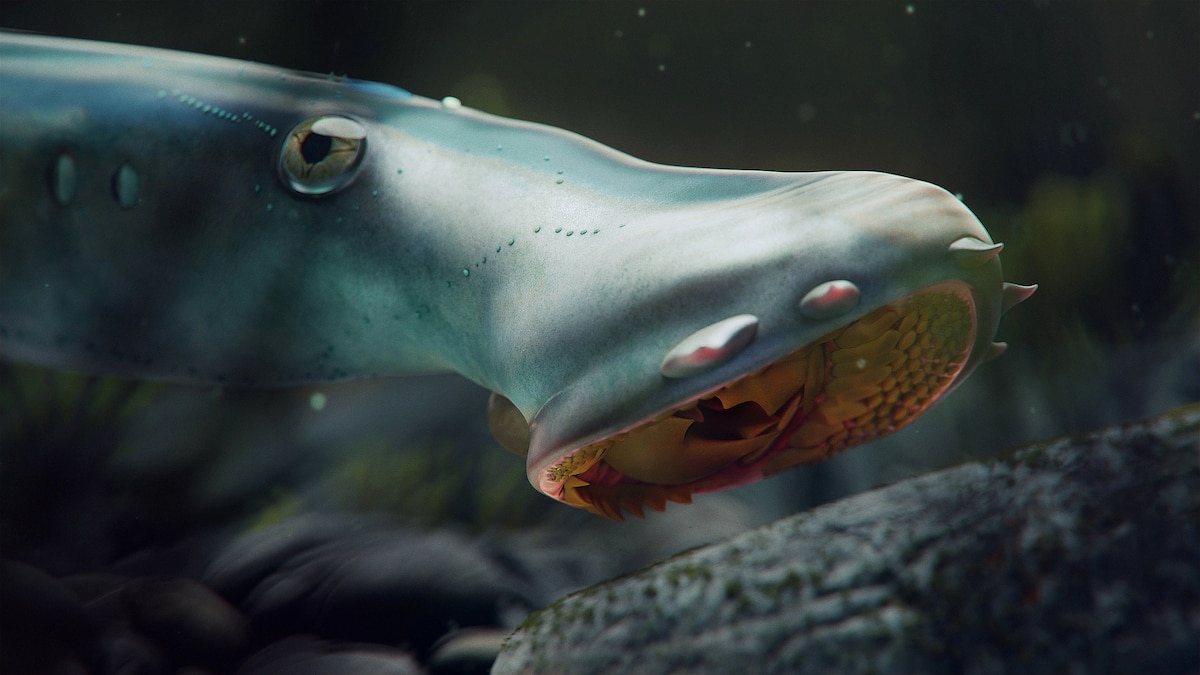
Fossils of two new lamprey species discovered in China reveal the evolution of these ancient fish into formidable predators. The fossils, dating back 160 million years, show specialized mouthparts that allowed the lampreys to scoop flesh out of their prey. The larger species, Yanliaomyzon occisor, was over two feet long and had sharp teeth, indicating a shift towards a parasitic lifestyle. The fossils also provide insights into the lampreys' multi-stage life cycle and their evolution from flesh-eating ancestors. These findings contribute significantly to the sparse fossil record of lampreys and shed light on their ancient history.