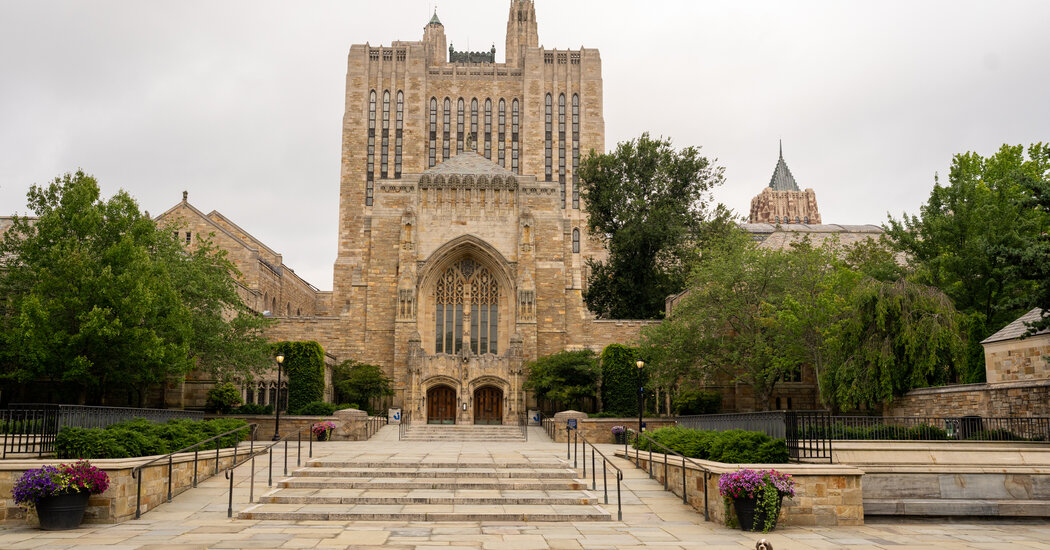
Researchers at Yale University have discovered how thirteen-lined ground squirrels manage to suppress thirst during their long hibernation periods. The squirrels maintain ion levels in their blood and use hormones as antidiuretics to conserve water. Despite being offered water during brief awakenings, the squirrels show no desire to drink, indicating a brain mechanism that prevents thirst signals from being processed. Understanding this mechanism could have implications for human space travel and medical procedures.

A Yale University study reveals that social interactions significantly influence the human gut microbiome, with people sharing microbial species and strains not only with family but also with friends and other social connections. Conducted in isolated Honduran villages, the research found that socially central individuals have gut flora more similar to the overall community. The study suggests that social structures impact microbial profiles, which can affect health conditions like obesity and depression. The findings highlight the role of social interactions in shaping our microbiomes, though the health implications remain complex.
Researchers at Yale University have discovered a new type of superconducting material that supports the theory of superconductivity driven by electronic nematicity. Using a scanning tunneling microscope, they studied iron selenide materials mixed with sulfur at extremely low temperatures, revealing a "superconducting gap" that aligns with theoretical predictions. This breakthrough enhances understanding of superconductivity mechanisms and could lead to the development of advanced technologies like efficient power grids and high-speed computing systems.
A Yale-led research team has provided strong evidence for a new type of superconductivity linked to electronic nematicity, a phase where particles break rotational symmetry. The study, published in Nature Physics, focused on iron selenide crystals mixed with sulfur, revealing a superconducting gap indicative of nematic fluctuation-driven superconductivity. This breakthrough could lead to new ways of achieving superconductivity without energy loss, advancing fundamental physics research.
Yale University will offer a course titled "Beyoncé Makes History: Black Radical Tradition History, Culture, Theory & Politics through Music," taught by Professor Daphne Brooks. The class will explore Beyoncé's influence on Black feminist and liberation politics, as well as her innovative use of the album form. This course is part of a trend in academia to study pop culture icons, similar to classes on Taylor Swift and Lady Gaga.
Yale University is launching a new course titled "Beyonce Makes History: Black Radical Tradition History, Culture, Theory & Politics Through Music," focusing on Beyoncé's influence on Black intellectual thought and activism. The course, taught by Black studies scholar Daphne Brooks, will explore her music and performance politics through the lens of Black feminist theory and other scholarly fields. This initiative is part of a broader trend in academia to study the cultural impact of pop icons like Beyoncé, Taylor Swift, and Lady Gaga.
Jennifer Lopez's sister, Lynda Lopez, visited Ben Affleck's daughter, Violet, at Yale University, highlighting the continued closeness between the families despite Jennifer and Ben's recent divorce. Lynda shared a photo with Violet, who started as a freshman at Yale. Jennifer and Ben, who reconciled in 2021 after an early 2000s engagement, split again in August 2024. Despite the separation, the families appear to maintain amicable relations, as seen in recent public outings and Lynda's visit.
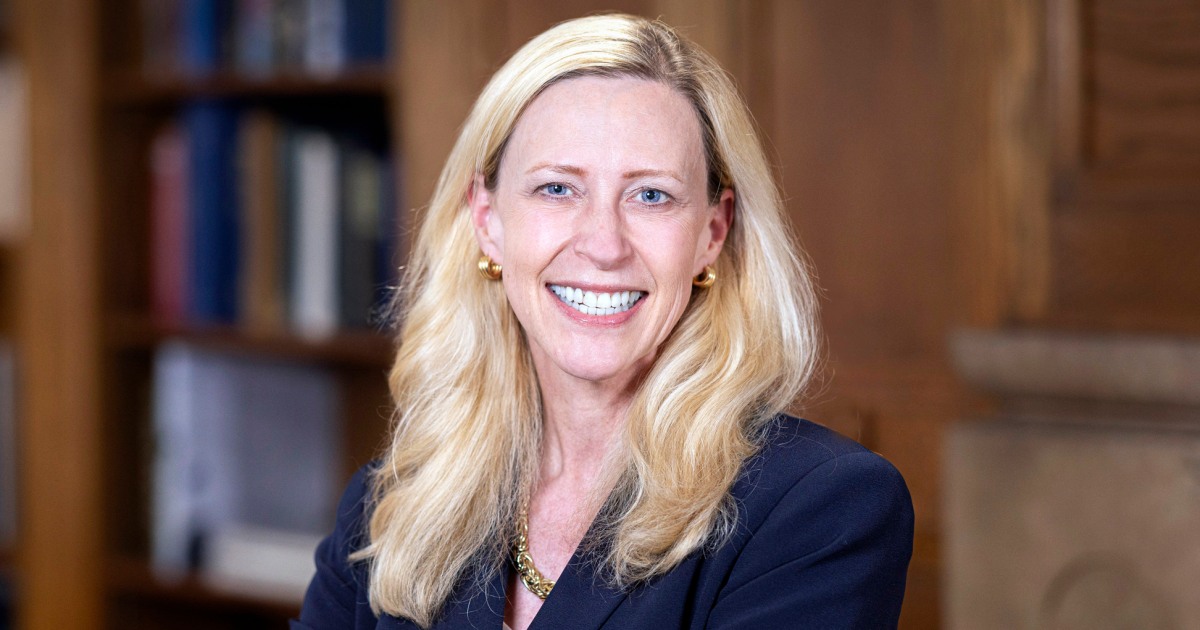
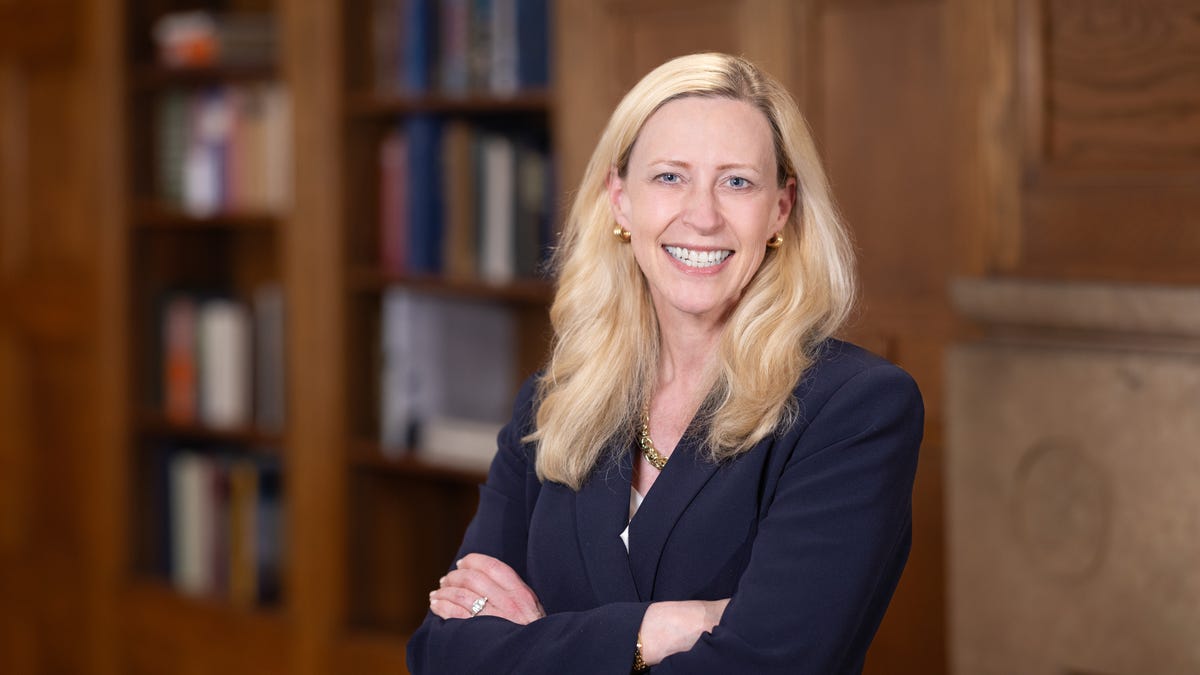
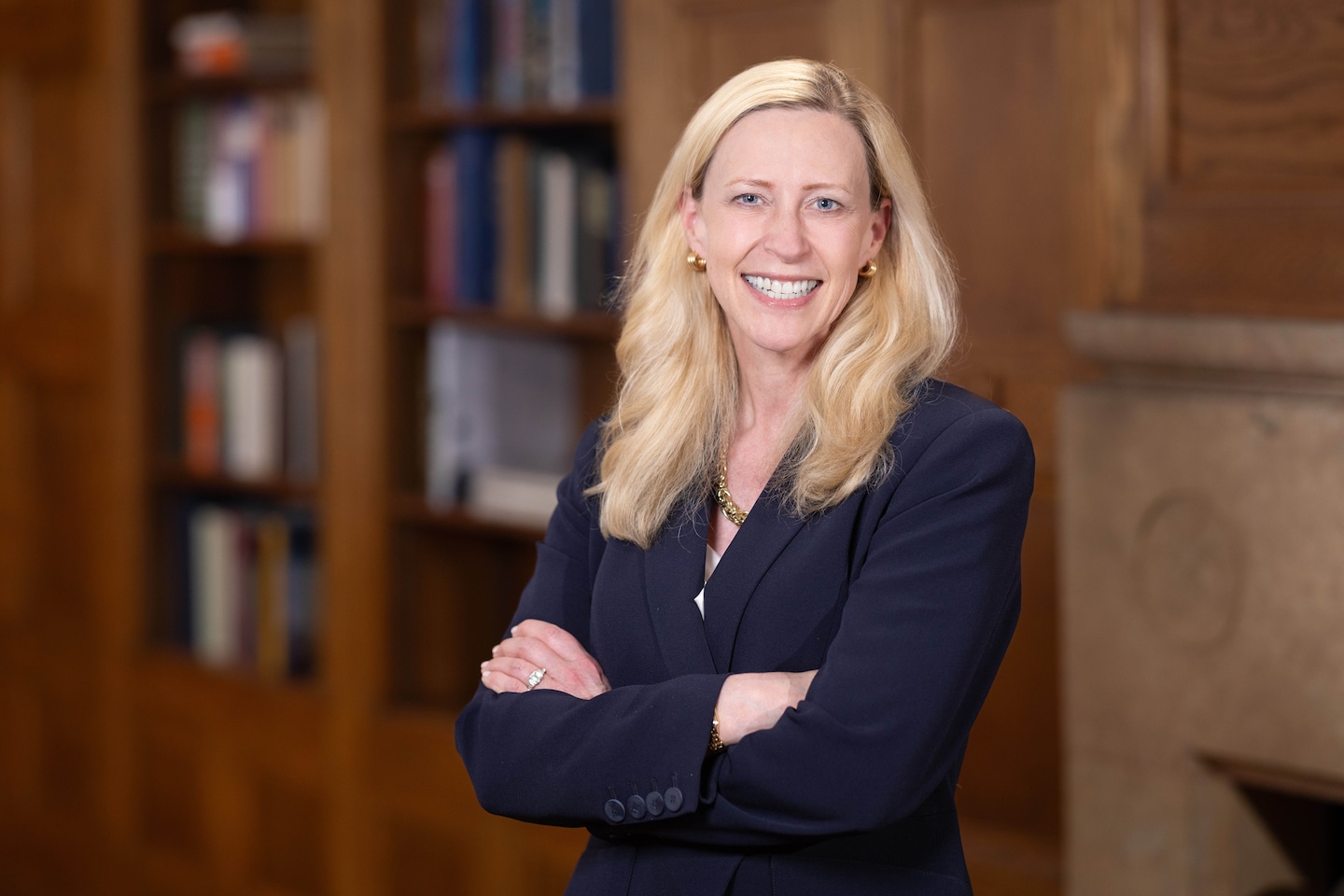
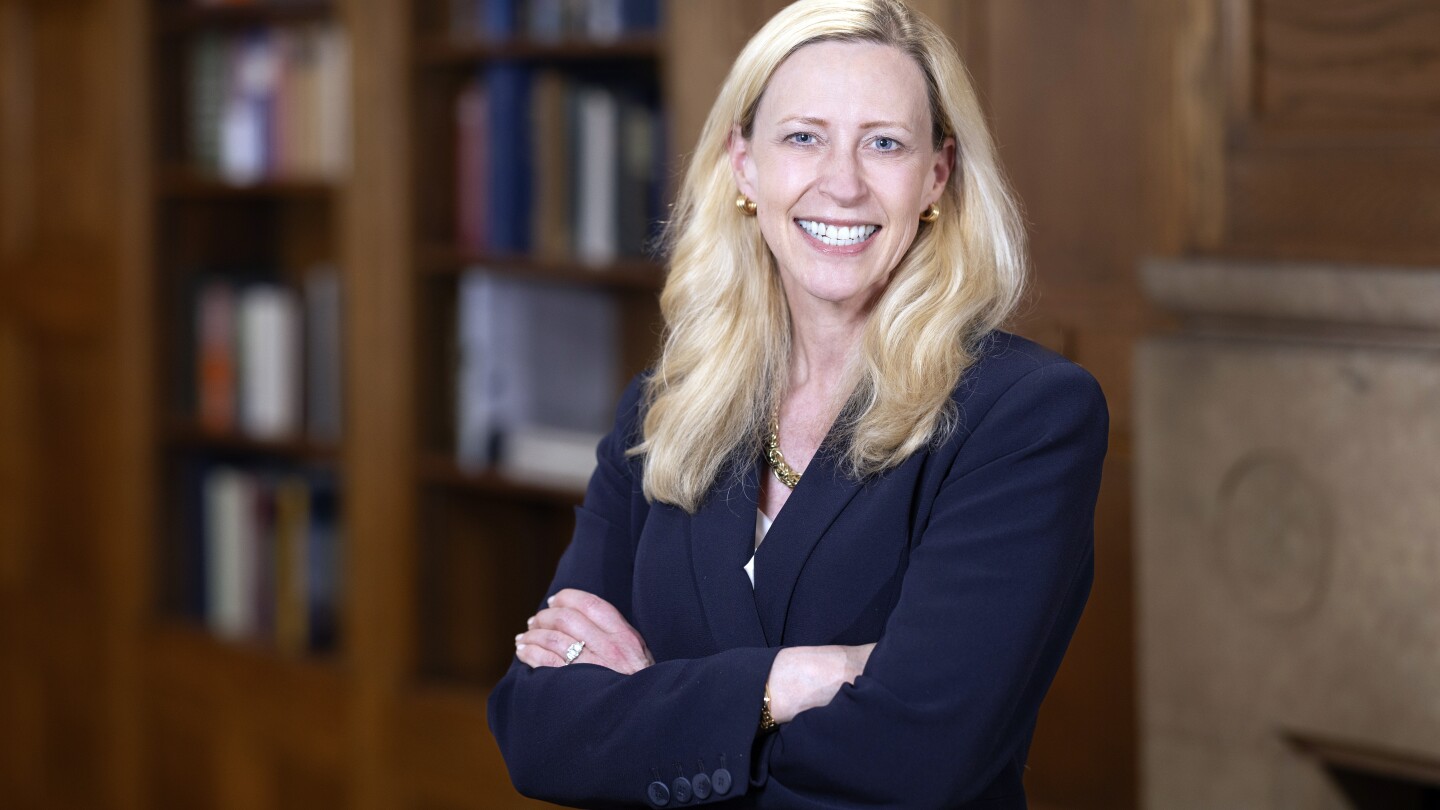
Maurie McInnis has been appointed as the 24th president of Yale University, making her the first woman to hold the position permanently. McInnis, currently the president of Stony Brook University, will succeed Peter Salovey and start her new role on July 1. She brings extensive experience in higher education leadership and scholarship, particularly in art history and the politics of art and slavery in the southern United States. McInnis has also been involved in climate change initiatives and has served as a Yale trustee since 2022.
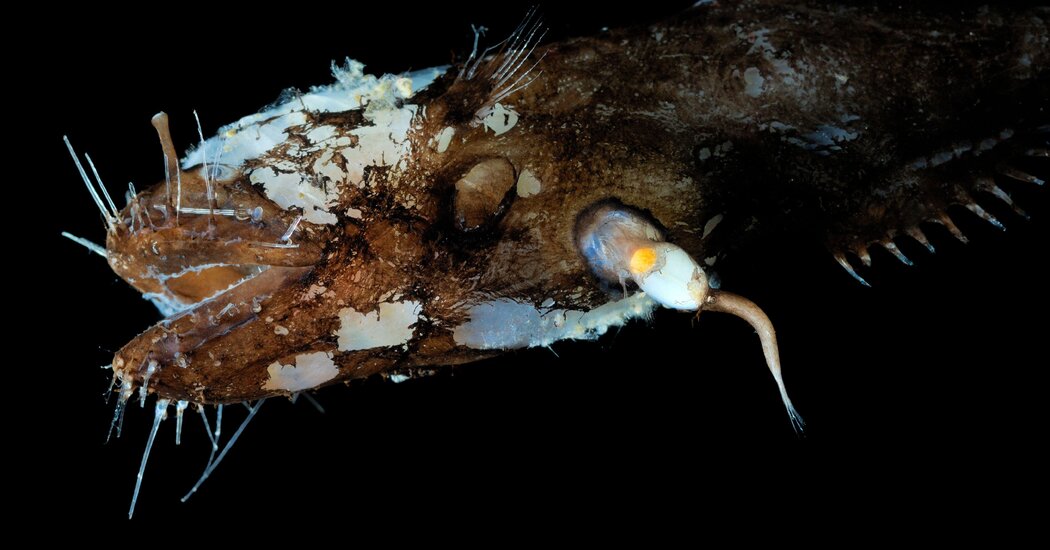
Scientists at Yale University have discovered that anglerfish diversified and thrived in the deep ocean around 50 million years ago due to a unique reproductive strategy where tiny males would clamp onto larger females, sometimes permanently fusing and becoming organs for sperm production. This adaptation allowed them to successfully reproduce in the vast, dark depths of the ocean, leading to the existence of over 300 species of anglerfish today.
Yale University has appointed Maurie McInnis as its first permanent female president, marking a historic milestone for the Ivy League school. McInnis, currently the president of Stony Brook University, will assume her new role on July 1, succeeding Peter Salovey. Her appointment follows a comprehensive search process involving input from over 2,000 community members. McInnis, a Yale alumna, brings extensive experience in higher education leadership and a commitment to advancing opportunities for students.
Maurie McInnis, currently leading Stony Brook University, has been named the next president of Yale University, starting July 1. McInnis, a Yale alumna and cultural historian, will take on the role during a turbulent time in higher education, marked by protests and leadership changes. She succeeds Peter Salovey, who has been Yale's president since 2013.
Maurie McInnis has been named the 24th president of Yale University, becoming the first woman to hold the position permanently. McInnis, currently the president of Stony Brook University, will succeed Peter Salovey and start her new role on July 1. She brings extensive experience in higher education and a strong academic background, having previously served in leadership roles at the University of Texas at Austin and the University of Virginia. McInnis, a Yale alumna, plans to engage with the university community through listening sessions and individual meetings.
Yale University has appointed Maurie D. McInnis, the current president of Stony Brook University, as its new president, making her the first woman to hold the position permanently. McInnis, a cultural historian and Yale alumna, will take over from Peter Salovey in July, following a thorough selection process.
Yale University has appointed Maurie McInnis, currently president of Stony Brook University, as its 24th president, succeeding Peter Salovey. McInnis, a cultural historian and Yale alumna, was chosen unanimously by the Yale Board of Trustees for her extensive experience and commitment to higher education. She will begin her role on July 1, bringing a wealth of leadership experience from her previous positions at the University of Virginia, University of Texas at Austin, and Stony Brook University.
A Yale University study published in Nature Human Behavior reveals that images are more memorable when they are surprising or difficult to explain, as the brain prioritizes such information. Researchers used a computational model to analyze memory formation, finding that complex images are more likely to be remembered. This insight could aid in developing more efficient AI memory systems.