To balance your macronutrients, nutritionist Karishma Shah suggests planning meals, incorporating lean proteins, choosing high-fiber carbs, using healthy fats for cooking, and smart snacking. Pre-planning meals with specific macro ratios and opting for balanced snacks can help maintain a balanced intake of proteins, carbs, and fats throughout the day.
Lean proteins, such as fish, white meat, and legumes, are essential for individuals over 40 looking to build muscle and lose fat. Fish, rich in protein and omega-3 fatty acids, supports muscle growth and reduces inflammation. White meat, like chicken and turkey, is low in saturated fats and high in essential amino acids for muscle protein synthesis. Legumes, high in fiber and protein, aid in muscle growth, control appetite, and promote weight management. Incorporating these lean proteins into the diet can help maintain muscle mass and achieve a healthier body composition as we age.
Maintaining a healthy heart involves making specific food choices. A heart-healthy diet includes consuming plenty of fruits and vegetables, whole grains, lean proteins, and healthy fats while limiting the intake of trans fats, saturated fats, processed meats, excess salt, excess sugar, refined carbohydrates, red meat, and excess alcohol. Foods rich in potassium, fiber, and omega-3 fatty acids are particularly beneficial for heart health. Incorporating these heart-healthy foods into your diet, along with regular exercise, sleep, and stress management, can support cardiovascular health.
Dietitians recommend consuming lean proteins such as salmon, turkey, and tofu for faster weight loss over 40. These proteins help maintain a healthy metabolism, preserve muscle mass, and provide essential nutrients like omega-3 fatty acids, vitamins B6 and B12. Salmon is known for its anti-inflammatory properties, while turkey is low in calories and beneficial for energy production and cognitive function. Tofu is an excellent plant-based protein option, providing all essential amino acids. Including these lean proteins in your diet can support weight loss and overall health.
Dietitians recommend incorporating lean meats such as skinless chicken breast, turkey breast, fish (salmon, tuna, mackerel), and pork tenderloin into your daily diet to aid in weight loss. These meats are low in fat and calories, high in protein, and have a satiating effect that helps curb hunger. By choosing lean proteins, you can reduce your calorie intake and prevent overeating, supporting your weight management goals. Additionally, incorporating regular physical activity is crucial for optimal results.
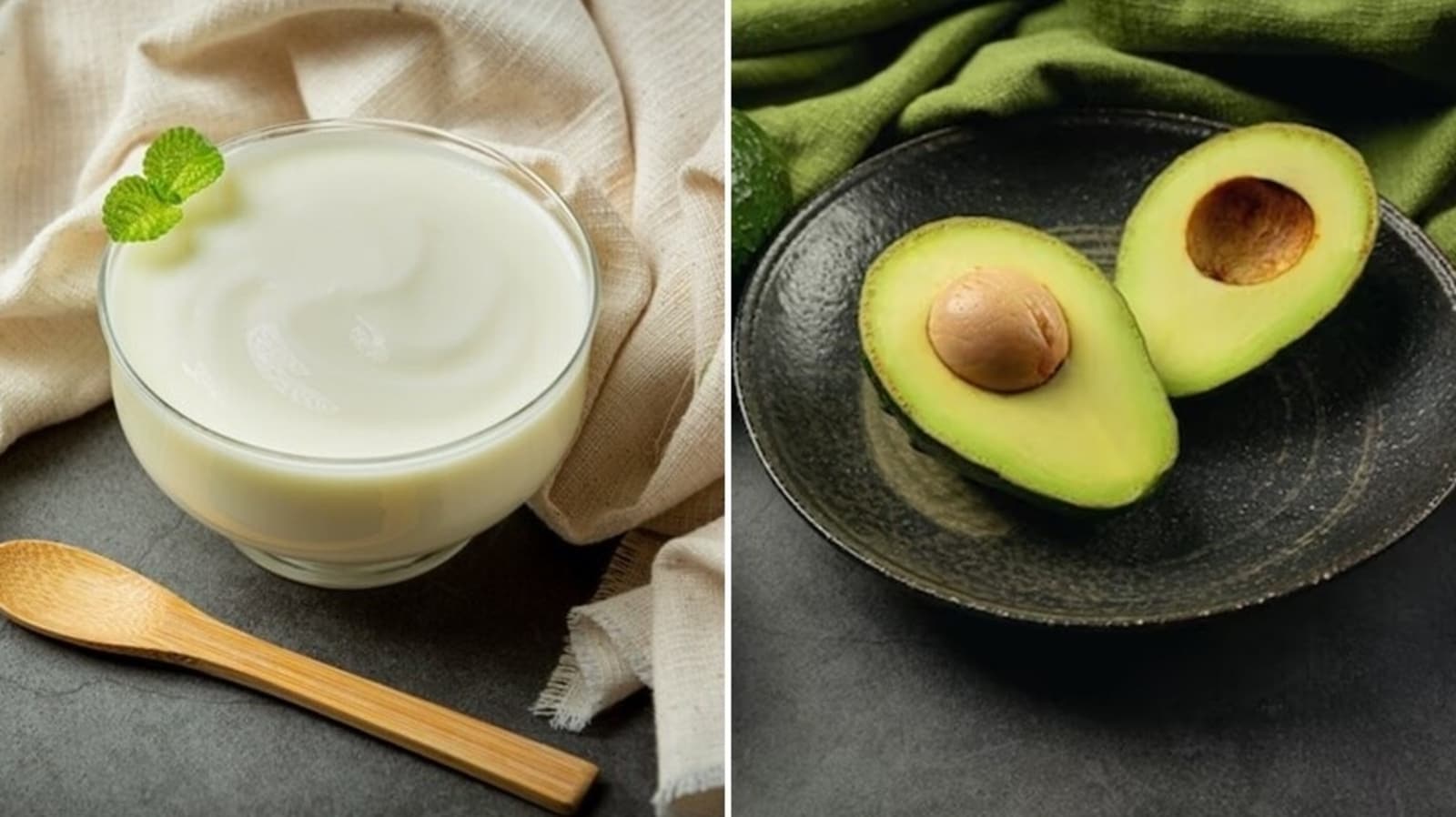
Maintaining a healthy diet with the right amount of protein is crucial for boosting metabolism, especially as you age. Opting for lean proteins like eggs, Greek yogurt, and lean meats can help increase the thermal effect of food, promote satiety, and support weight loss. Eggs are a great breakfast option as they increase metabolism and keep you fuller for longer. Greek yogurt offers a versatile and protein-packed snack or breakfast choice. Lean meats such as chicken, turkey, and fish are excellent protein sources that can help keep you satiated and boost metabolic rate.
These 21 lunch recipes follow the principles of the Mediterranean diet and are appropriate for a diabetes-friendly eating pattern. They focus on complex carbs and lower amounts of saturated fat and sodium, with lots of fiber-packed whole grains, lean proteins, and healthy fats. Packed with seasonal ingredients like cucumber, tomato, and avocado, these recipes are perfect for summer. Options include chicken lettuce wraps, salmon rice bowl, egg sandwiches, savory oatmeal, veggie bowls, and more.
Health experts recommend incorporating lean proteins such as eggs, Greek yogurt, chicken, and salmon into your daily diet to boost metabolism and promote weight loss. These foods are high in protein, low in fat, and can keep you feeling full throughout the day. Eating lean proteins can also increase muscle mass, reduce inflammation, regulate immune health, and support digestion.
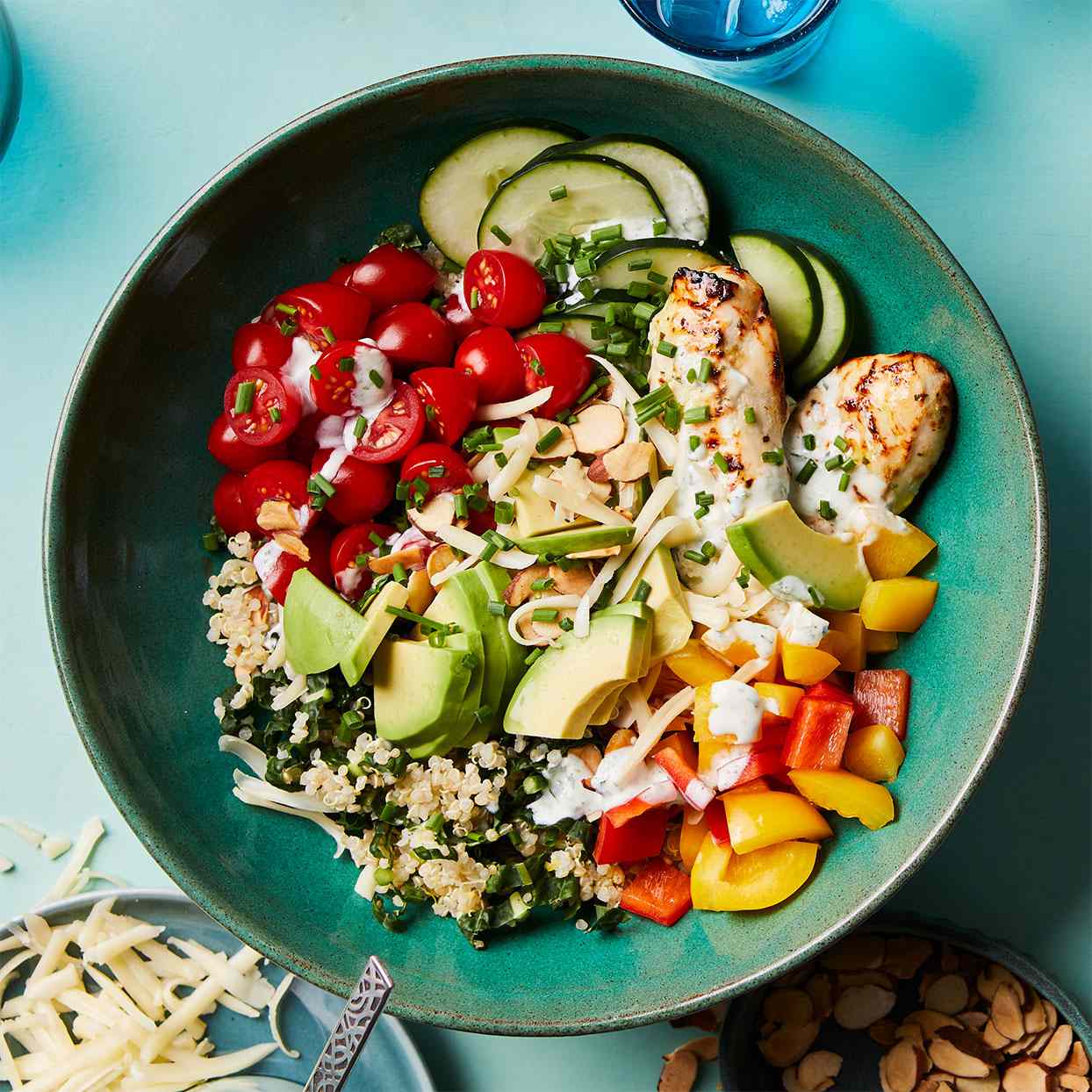
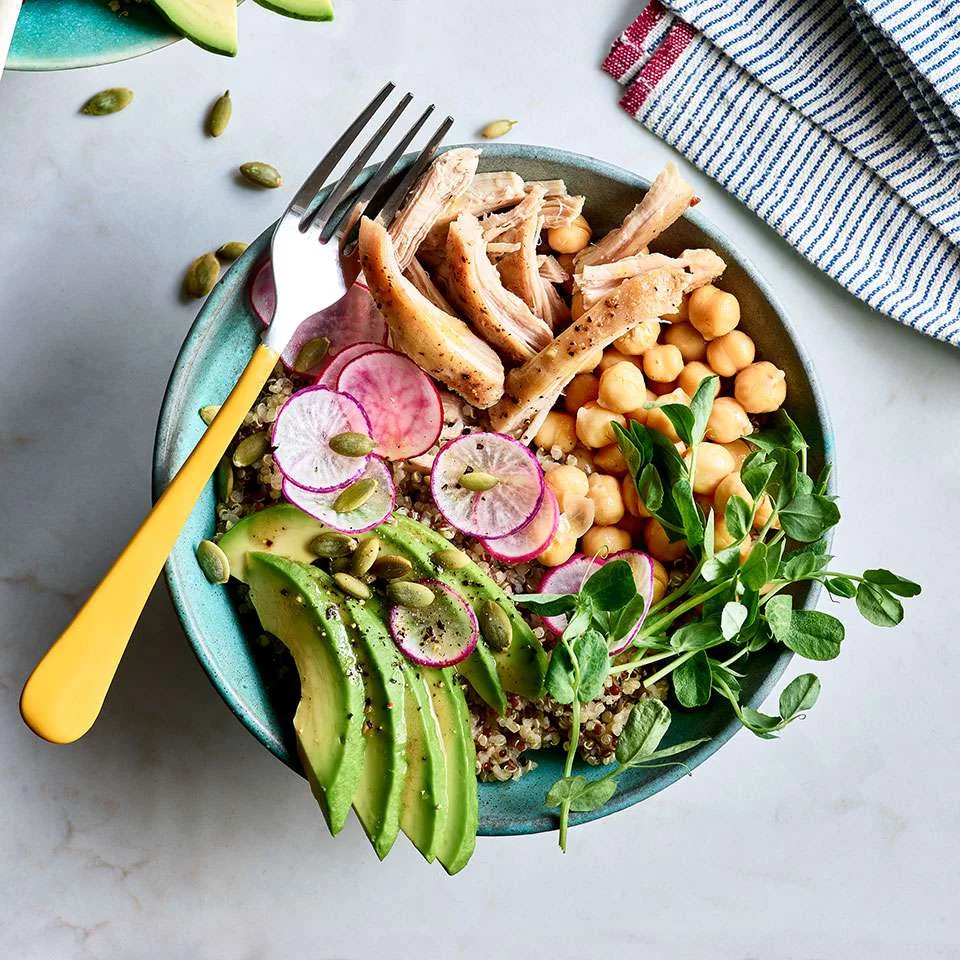
These anti-inflammatory recipes are not only delicious but also contain ingredients that can help reduce inflammation and its symptoms. They include fruits, vegetables, lean proteins, and healthy fats, and have been highly rated by real cooks. Recipes like Chicken, Avocado & Quinoa Bowls with Herb Dressing and Ginger-Tahini Oven-Baked Salmon & Vegetables are sure to become staples in your routine.