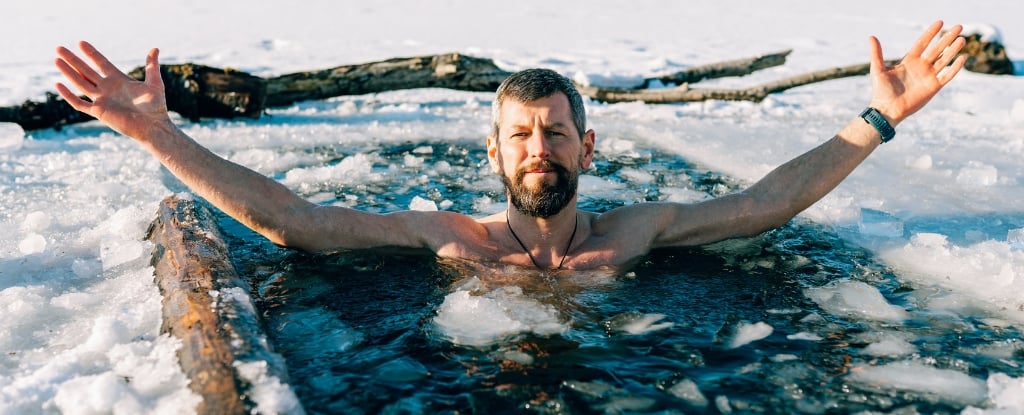
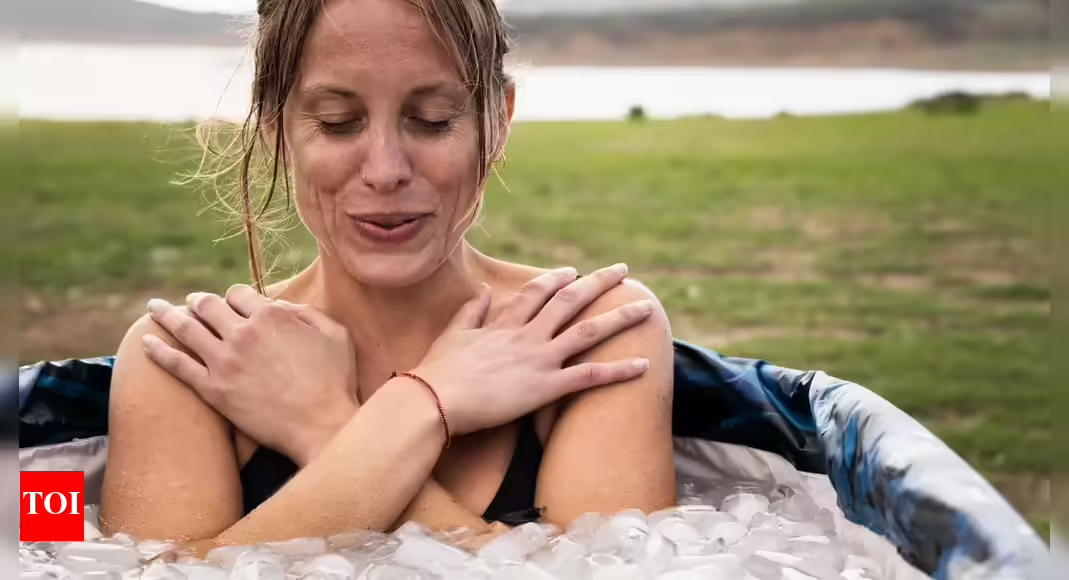
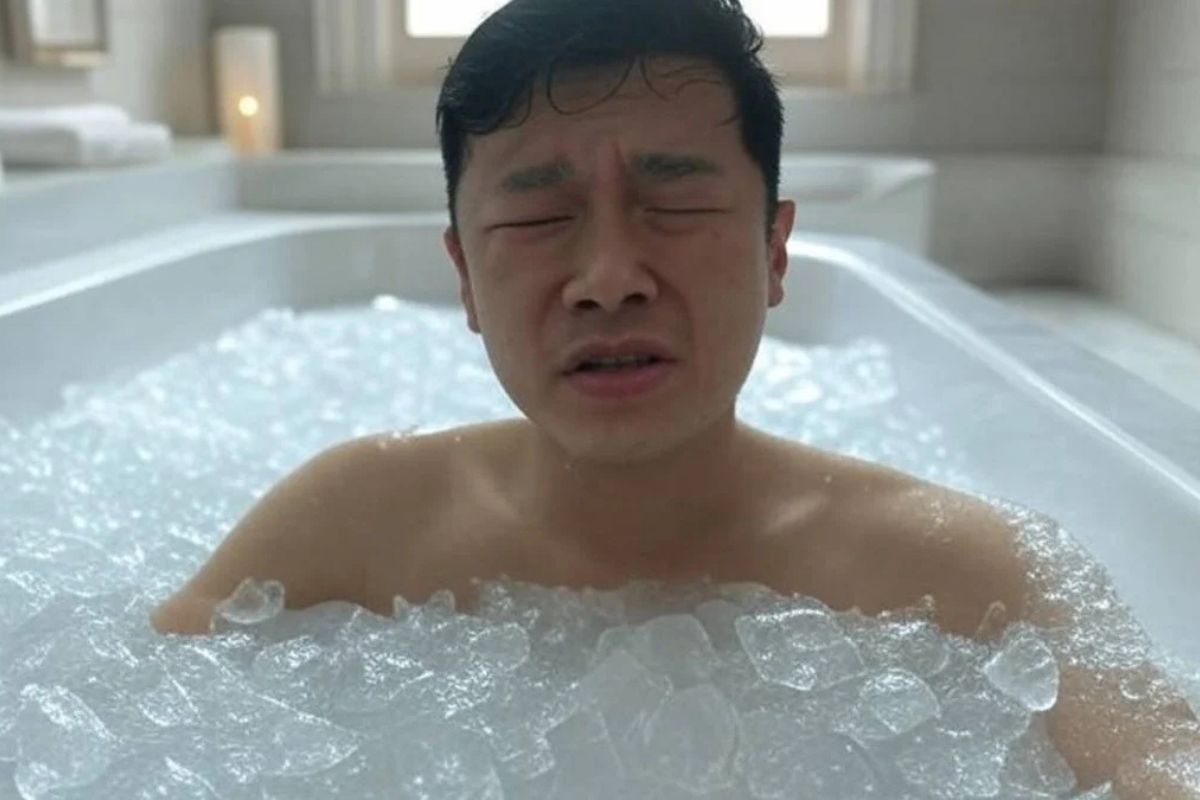
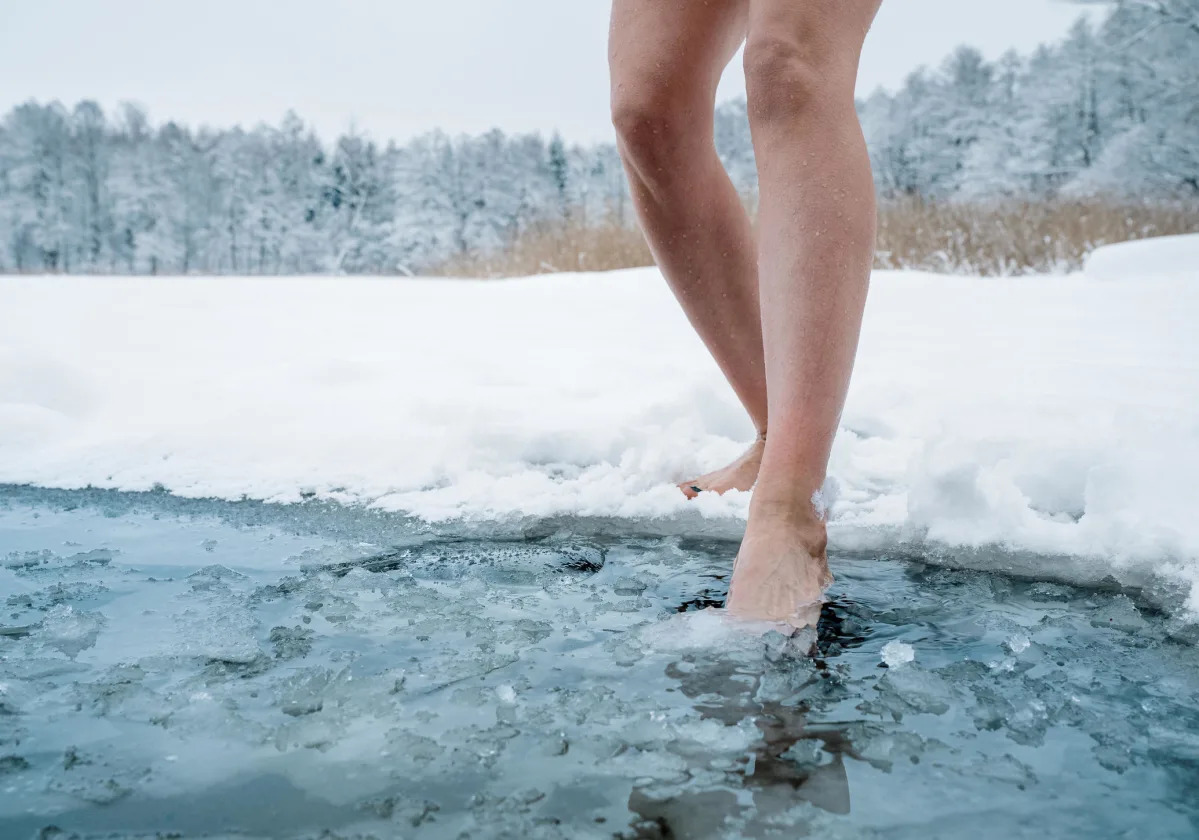
Cold plunging, immersing in water at 39-59°F for 2-6 minutes, can boost alertness, improve circulation, and aid recovery, but should be approached cautiously due to potential risks like cold water shock, especially for those with health conditions. Consistency and gradual adaptation are key to maximizing benefits.
Ice baths have become popular for recovery and mental health benefits, but they pose significant health risks such as cold shock, hypothermia, and cardiovascular events. Experts advise caution and recommend starting gradually, limiting session duration, and consulting a doctor before use to ensure safety.
A recent study suggests that taking ice baths immediately after strength training may hinder muscle growth by reducing blood flow and protein delivery to muscles, challenging the popular belief that cold plunges aid recovery and muscle gains. The research indicates that while ice baths might help with soreness for endurance athletes, they could be counterproductive for those aiming to build muscle, especially if taken right after workouts.
Research indicates that cold plunges may offer benefits such as stress reduction, improved sleep, and enhanced cellular health, but effects are often temporary and more research is needed, especially regarding long-term health impacts and benefits for women.
Research from Maastricht University indicates that cold plunges or ice baths after weightlifting can significantly reduce blood flow and protein absorption in muscles, potentially hindering muscle growth by up to 20%, suggesting that athletes aiming to build muscle might want to skip ice baths post-workout.
Recent scientific research debunks the health and productivity benefits of cold showers and ice baths, showing they offer only temporary stress relief and no significant long-term advantages for the general population. Similarly, waking up early is beneficial only for some, depending on individual biological clocks and lifestyle factors, and may not universally enhance productivity.
The year 2023 saw celebrities like Janhvi Kapoor, Sara Ali Khan, Shilpa Shetty, Virat Kohli, Samantha Ruth Prabhu, Deepika Padukone, Sameera Reddy, Alaya F, Disha Patani, and Sushmita Sen showcasing their unique fitness routines. From friction training and mobility exercises to ice baths and hula hooping, these celebrities demonstrated their commitment to health and wellness, inspiring millions along the way.
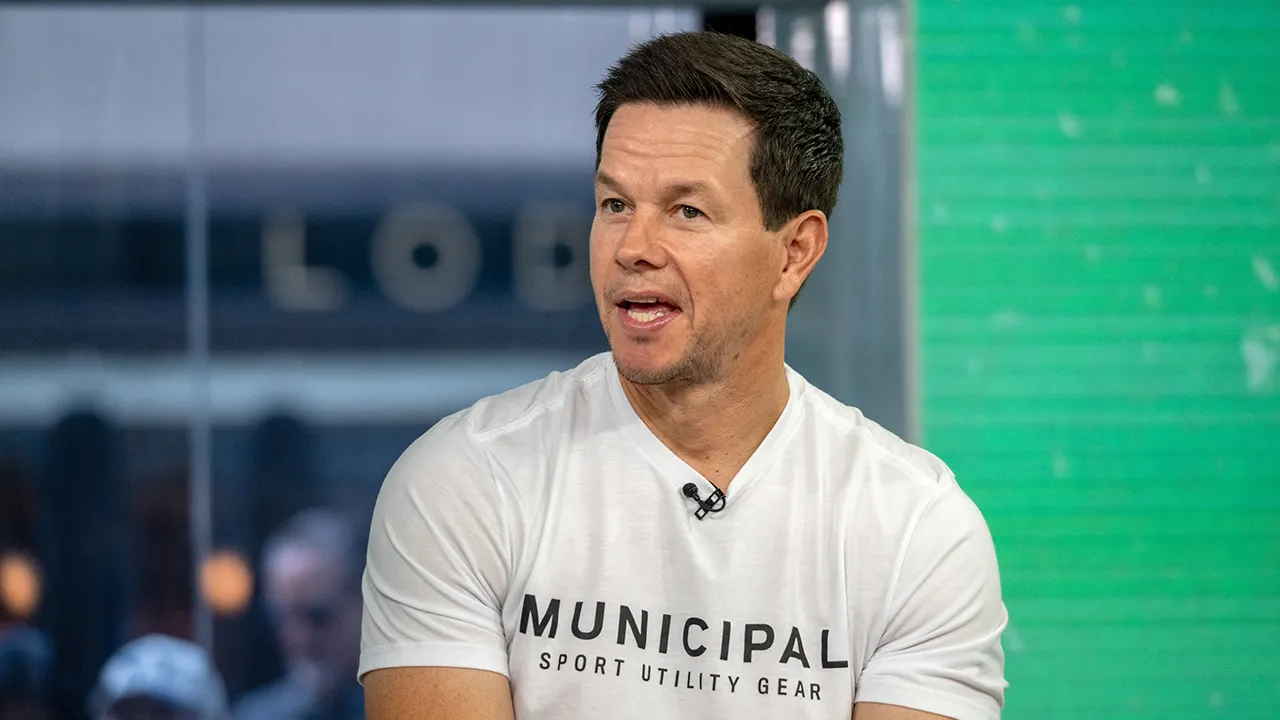
Mark Wahlberg has made a change to his fitness routine by prioritizing recovery over intensity as he ages. Instead of working out twice a day, he now focuses on daily ice baths to promote longevity and better health. Wahlberg believes that recovery is crucial to his workout routine and has incorporated "pop up" ice baths into his travel schedule. He sits in 42-degree water for five to six minutes, which helps him sleep better and reduces inflammation. Wahlberg also emphasizes the importance of getting a full eight hours of sleep and starts his day before sunrise.
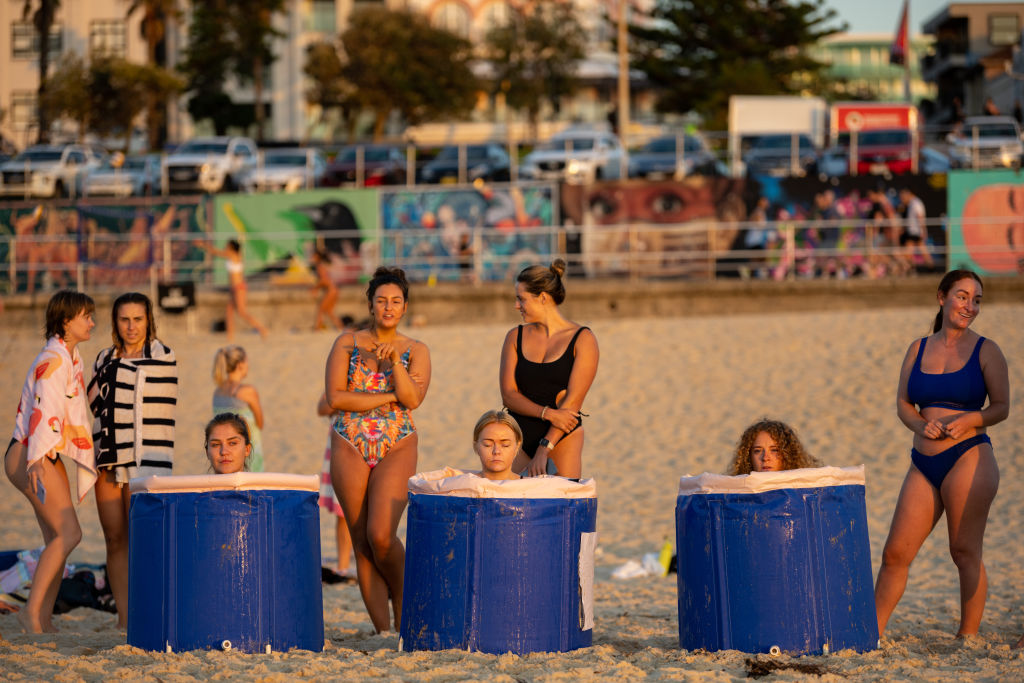
The growing trend of cold water immersion (CWI) in Australia, touted for its physical and mental health benefits, is raising concerns among experts. While ice baths are credited with burning fat, relieving anxiety and depression, and increasing energy, there is limited experimental evidence to support these claims. CWI expert Professor Mike Tipton warns that cold water immersion can induce cardiac arrhythmias, which can be potentially fatal. He calls for more regulation surrounding the trend and highlights the need for awareness of the peripheral vascular damage that ice water can inflict. A recent coroner's ruling in the UK, following the death of a woman during a cold water immersion session, also calls for increased regulation in this area.
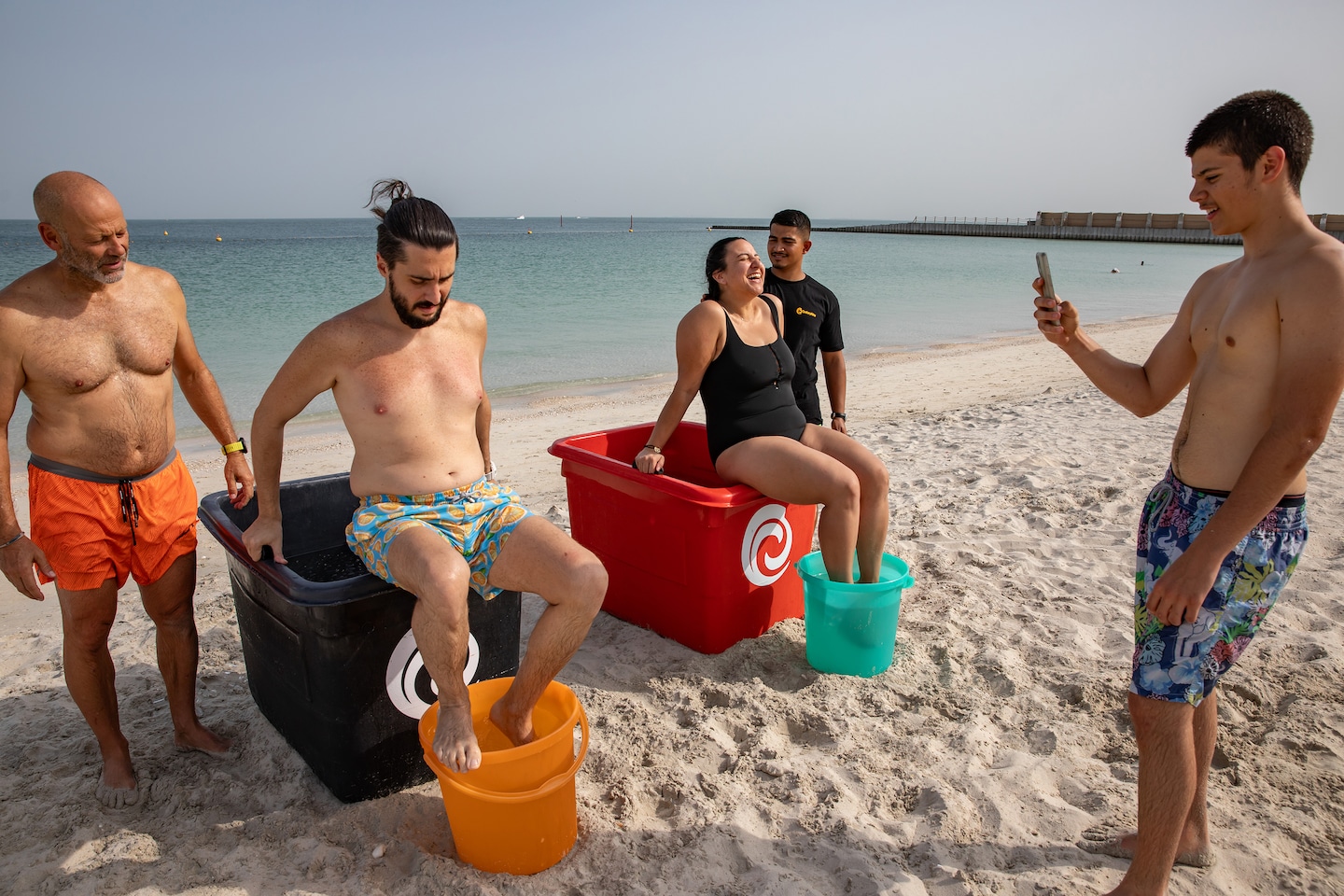
In Dubai, where temperatures can reach scorching levels, residents are finding creative ways to beat the heat. From ice baths on the beach to indoor ski resorts, people in this wealthy city are equipped to combat the extreme climate. Air conditioning is ubiquitous, public cooling centers are available, and gatherings are scheduled during cooler hours. However, there is a divide as some workers, particularly migrants, are exposed to the heat for extended periods. Despite the challenges, Dubai remains an attractive summer destination for tourists seeking relief from hot and humid climates elsewhere.
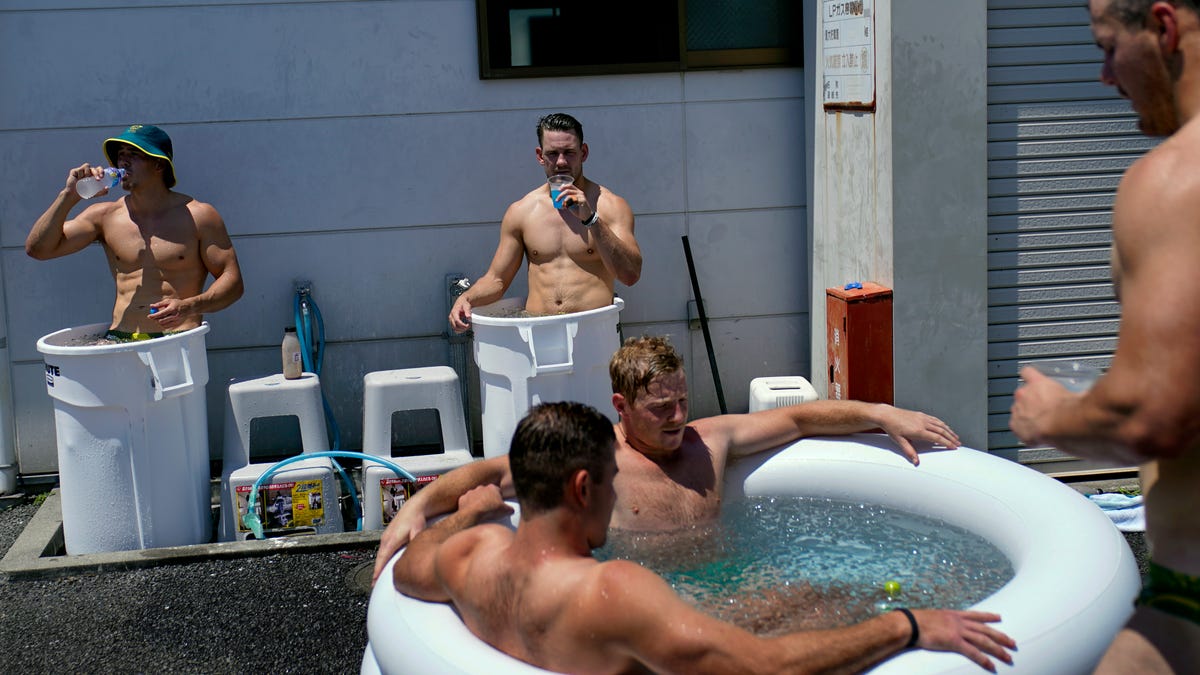
Ice baths, also known as cold-water immersion or cold therapy, are gaining popularity as a post-workout recovery method. Advocates claim that they can decrease inflammation, promote healing, relieve muscle tension, reduce swelling, and boost mood. However, experts caution that more scientific evidence is needed to prove their benefits and specific indications. Ice baths may be beneficial following intense exercise or for certain medical conditions, but their duration should be carefully monitored. If not taken responsibly, ice baths can have rare side effects such as hypothermia, nerve and skin sensitivity, or cardiac issues. Consultation with a doctor is advised, especially for individuals with pre-existing medical conditions.
Cryotherapy, including ice baths, is a recovery tool gaining popularity in the athletic world and beyond. Ice baths can help reduce inflammation and swelling after an injury, and can also trigger cardiac parasympathetic activity, lower sympathetic tone, and restore cardiac autonomic modulation. However, cryotherapy should not be used all the time, as it can inhibit muscle growth. Additionally, those with anxiety may not benefit from cold plunges, as anxiety may diminish the "cold shock response/divers reflex." Mild temperatures around 59 degrees Fahrenheit for longer periods of time are more effective than colder temperatures for shorter periods of time.
Cryotherapy, including ice baths and whole body cryotherapy chambers, is a recovery tool gaining popularity among athletes and wellness enthusiasts. While research has shown benefits such as reducing inflammation and restoring cardiovascular homeostasis, it should not be used chronically as it can inhibit muscle growth. Milder temperatures for longer durations are more effective for recovery, and timing is critical as applying ice immediately after exercise can reduce soreness and aid in faster recovery. Cold plunges may help with anxiety, but evidence suggests it may do more harm than good in anxious individuals.