Research indicates that cold plunges may offer benefits such as stress reduction, improved sleep, and enhanced cellular health, but effects are often temporary and more research is needed, especially regarding long-term health impacts and benefits for women.
Research from Maastricht University indicates that cold plunges or ice baths after weightlifting can significantly reduce blood flow and protein absorption in muscles, potentially hindering muscle growth by up to 20%, suggesting that athletes aiming to build muscle might want to skip ice baths post-workout.
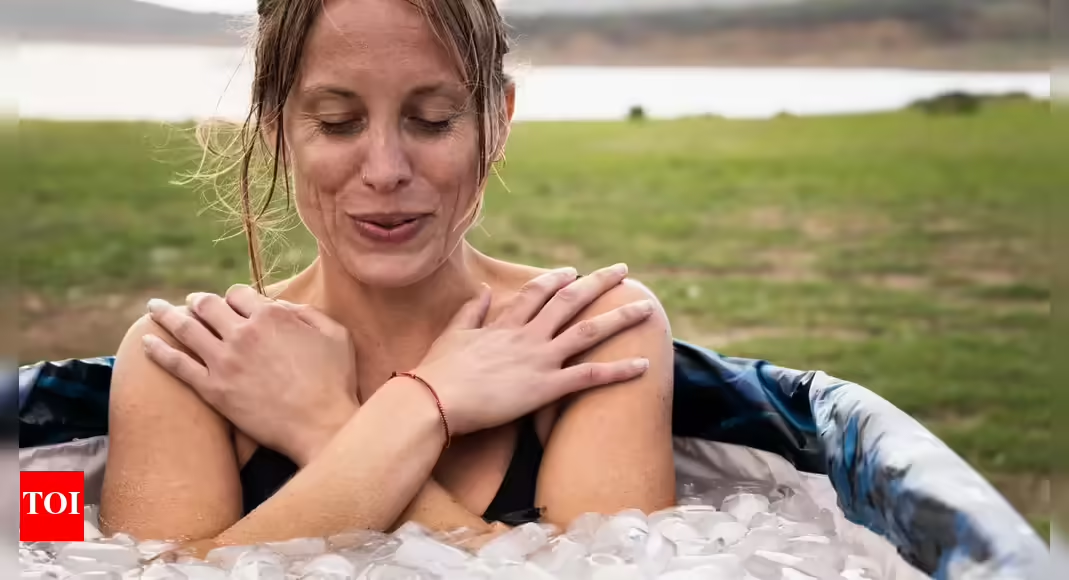
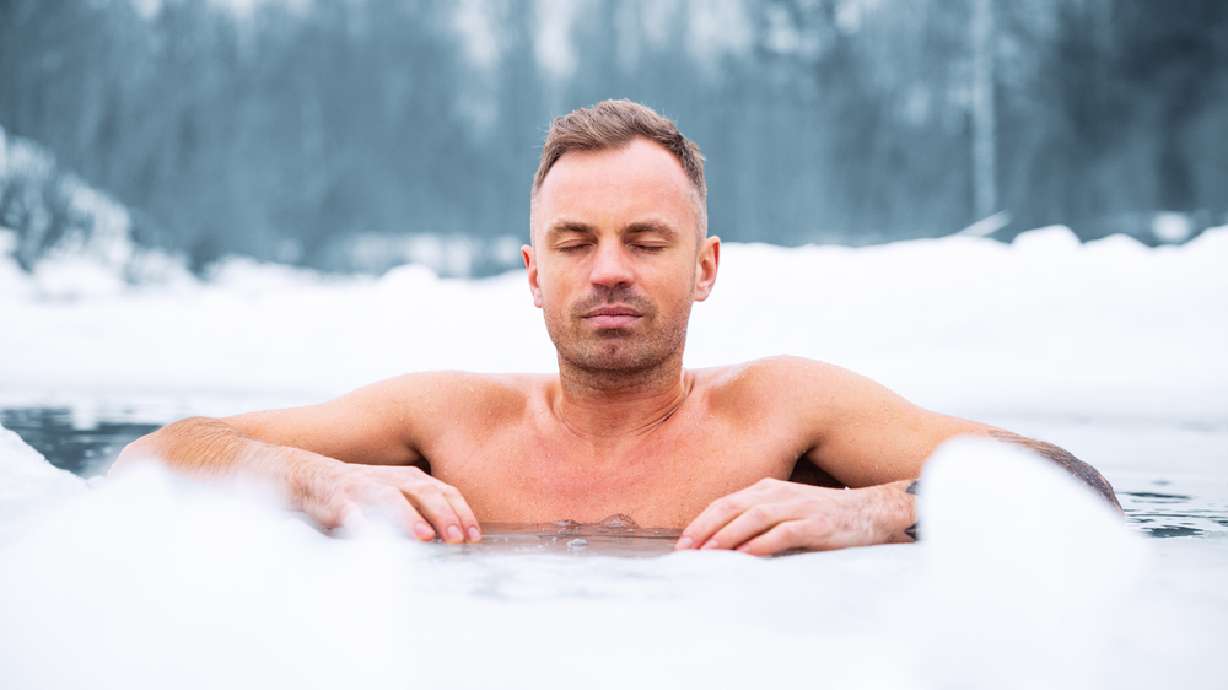
Cold plunges, or immersing oneself in icy, cold water, have gained popularity due to their numerous health benefits. These include improved focus by increasing alertness and attention, enhanced mental health by reducing stress and increasing endorphins, boosted metabolism by burning more fat and calories, strengthened immune system by increasing white blood cell count, and relief from aches and pains by reducing swelling and promoting muscle relaxation. Cold plunges can be particularly beneficial for athletes and can be done through cold showers or full-body immersion.
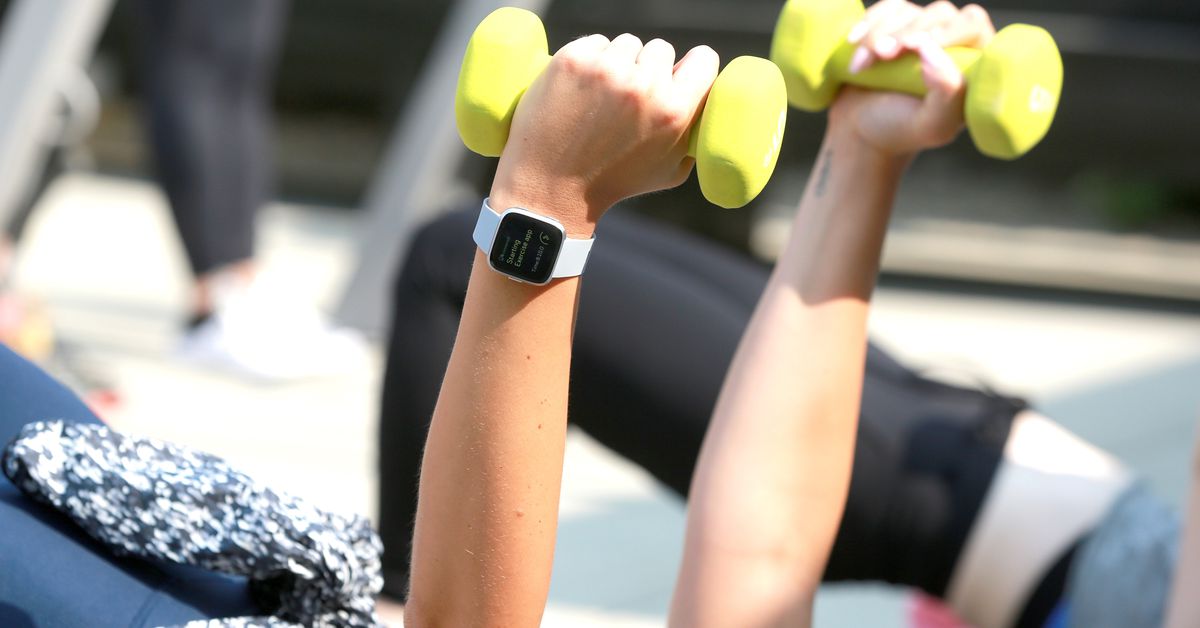
Brad Stulberg and Steve Magness, co-founders of The Growth Equation, discuss the science behind wellness trends such as cold plunges, fitness trackers, and the effects of coffee and alcohol. While cold plunges may provide a surge of hormones and neurochemicals, the functional results are more nuanced and may only provide short-term changes in mood and elevation. The metabolic aspect of cold plunges may increase caloric burn slightly, but the effect is minimal. The idea that cold activates brown fat and helps with weight loss is not accurate as the data is not there.