Research shows that regular consumption of soda accelerates cellular aging by shortening telomeres and promoting inflammation, which can lead to chronic diseases and reduce lifespan. Experts recommend healthier alternatives like sparkling water or unsweetened tea to avoid these long-term health risks.

A study suggests that taking 2,000 IU of vitamin D daily may help preserve telomeres, the chromosome caps linked to aging, potentially supporting healthier aging. However, experts advise caution with dosing and emphasize lifestyle factors like diet and exercise as primary strategies for healthy aging.
NAD+ is a molecule crucial for cellular energy and skin health, supporting collagen production, hydration, and DNA repair. While topical NAD+ has limited penetration, skincare products often contain precursors like niacinamide that boost NAD+ levels, potentially improving skin elasticity, reducing inflammation, and reversing signs of aging. The article reviews various NAD+ skincare products, highlighting their ingredients and benefits.
Research from Emory University suggests that psilocybin, the active compound in psychedelic mushrooms, may delay aging and extend lifespan by improving cellular health and reducing oxidative stress, with potential implications for anti-aging therapies and mental health benefits.
A preclinical study shows that psilocybin, derived from psychedelic mushrooms, significantly extends cellular lifespan in human cells and increases lifespan and health in aged mice, potentially offering a new approach to anti-aging therapies by reducing oxidative stress and preserving telomeres.
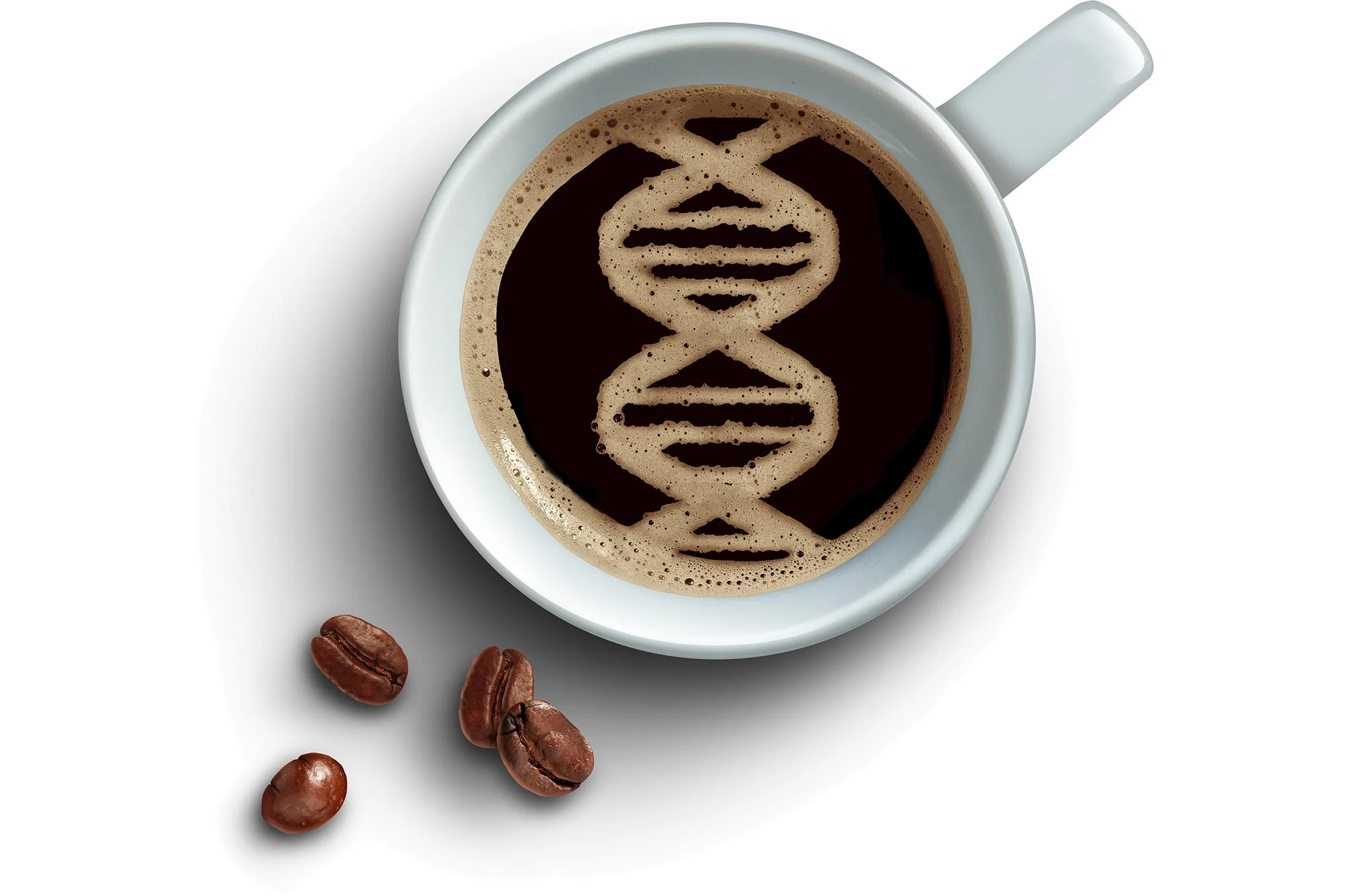
Scientists have discovered that caffeine activates an ancient enzyme called AMPK, which helps cells manage stress, repair damage, and potentially slow aging, revealing a new link between coffee consumption and long-term health.
New research suggests caffeine may slow cellular aging by activating AMPK, an ancient energy-sensing pathway, which helps cells manage stress, repair DNA, and regulate growth, potentially contributing to health and longevity.
Research indicates that cold plunges may offer benefits such as stress reduction, improved sleep, and enhanced cellular health, but effects are often temporary and more research is needed, especially regarding long-term health impacts and benefits for women.
Living organisms emit a faint glow through ultraweak photon emission, which ceases at death. This glow, linked to cellular activity and oxidative stress, could be used for non-invasive health monitoring, disease detection, and even searching for extraterrestrial life. Advances in imaging technology may soon enable real-time, field-deployable assessments of organism health and stress responses.
Researchers at McMaster University have discovered that the protein MANF aids in cellular cleanup by managing toxic protein clumps, which could lead to new treatments for age-related diseases like Alzheimer's and Parkinson's. The study, published in the Proceedings of the National Academy of Sciences, highlights MANF's role in maintaining cellular homeostasis and suggests its potential as a therapeutic target to promote healthier aging by enhancing the natural cellular clean-up system.
A new tool called DunedinPACE can assess the pace of aging at a cellular level, revealing that a low-calorie diet, longer education, metal exposure, childhood hardships, and the Mediterranean diet all impact aging. The tool has shown that reducing caloric intake by 25% can slow aging by 2-3%, while staying in school longer correlates with slower aging and longer lifespan. Metal exposure accelerates aging, and children facing hardships age faster. Additionally, the Mediterranean diet slows aging and reduces the risk of developing Alzheimer's disease.
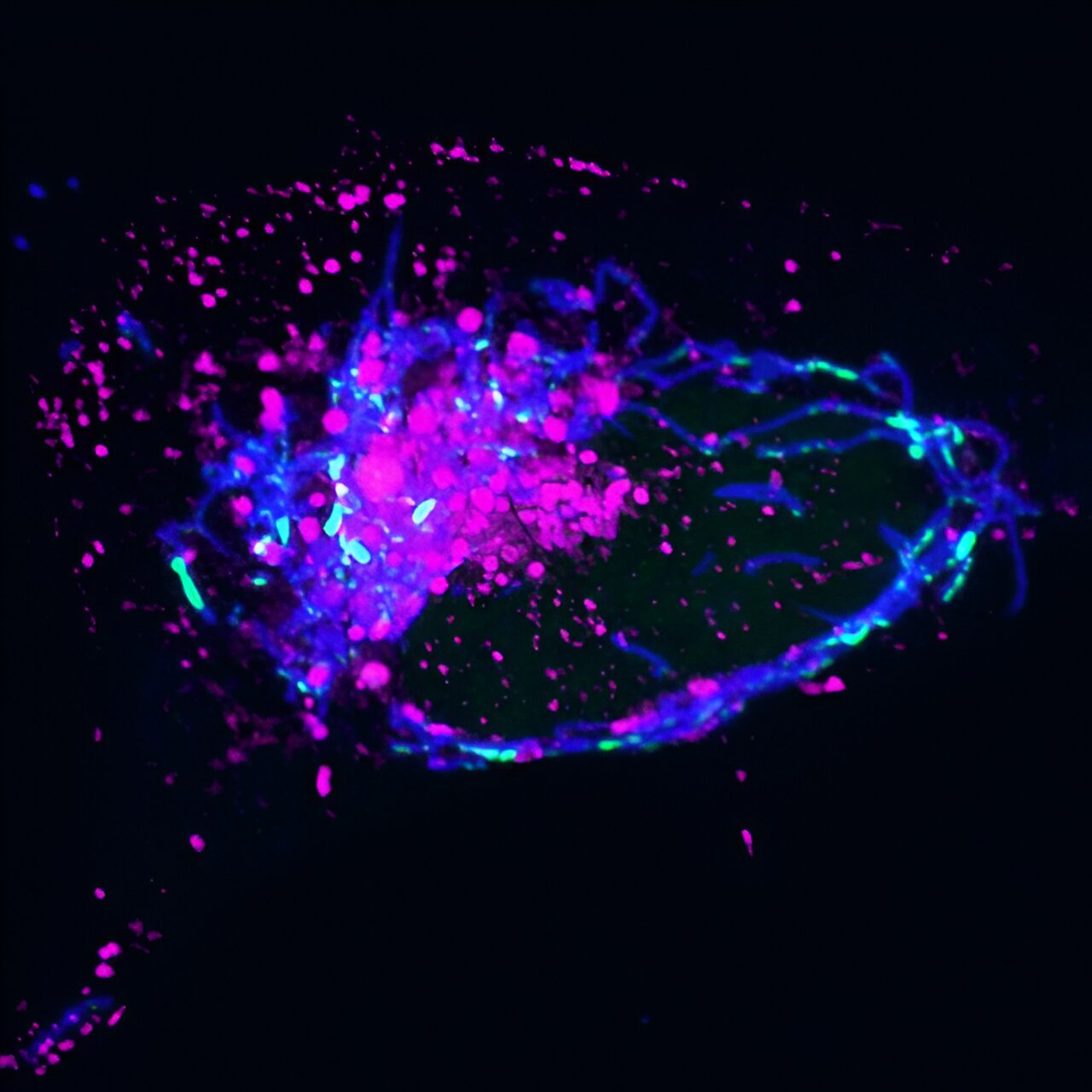
Researchers at the Salk Institute and UC San Diego have identified a novel mechanism for removing malfunctioning mitochondrial DNA (mtDNA) from within mitochondria, which, when leaked into the cell, triggers an immune response leading to inflammation. The study sheds light on how mtDNA escapes mitochondria and activates the innate immune system, offering potential targets for therapeutics to mitigate inflammation associated with aging and diseases such as lupus and rheumatoid arthritis. The findings provide insights into cellular pathways and mechanisms that could be targeted for therapeutic interventions to prevent inflammation caused by misplaced mtDNA.
Researchers at UC Riverside have discovered the pivotal role of the Golgi body and COG protein in plant aging, finding that a damaged Golgi can lead to plant aging and death. By studying mutant plants that could not produce the COG protein, the researchers observed accelerated aging when the plants were deprived of light, but were able to reverse the aging process by reintroducing the COG protein. This breakthrough has potential implications for understanding aging processes in humans, as all eukaryotic organisms, including humans, have Golgi bodies in their cells.
Biohacking, the latest wellness trend, is gaining popularity as individuals seek to optimize their physical and cognitive abilities. Techniques range from extreme methods to tried-and-tested practices like meditation and intermittent fasting. Categories of biohacking include age, energy, and diet/nutrition, with a focus on cellular health, stress relief, and optimal nutrition. Biohacking is also popular among athletes looking to enhance their training and performance. The trend has taken the internet by storm, particularly among Millennials and Generation Z, who are interested in the scientific research behind their health and wellbeing.
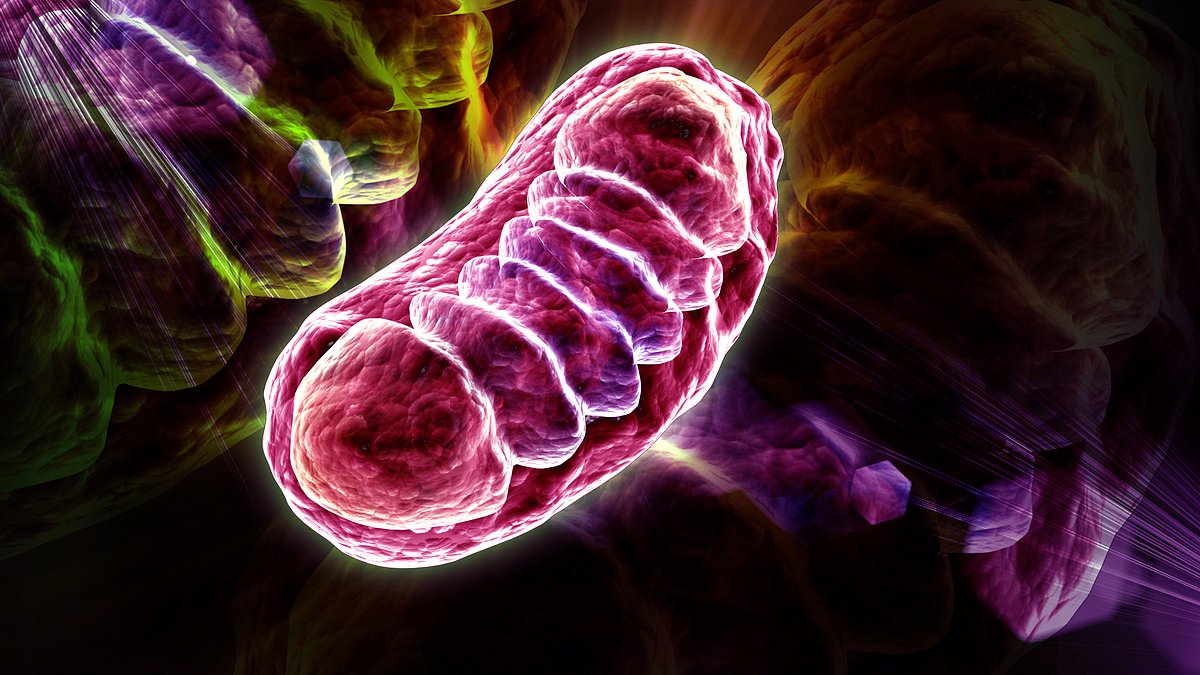
Scientists at the Buck Institute have discovered a new 'drug-like' molecule, called coumarin or MIC, that has the potential to slow down aging by enhancing the process of mitophagy, which clears out and recycles damaged mitochondria in cells. The compound, found in plants like cinnamon, extended the lifespan of tiny roundworms by an average of 20 days. MIC acts on a receptor protein called DAF, which is also present in humans, suggesting that these findings could be applicable to humans as well. Mitophagy decline is associated with various age-related diseases, and enhancing this process could offer treatment beyond neurodegeneration or muscle wasting. However, further research is needed before MIC can be used as an anti-aging supplement.