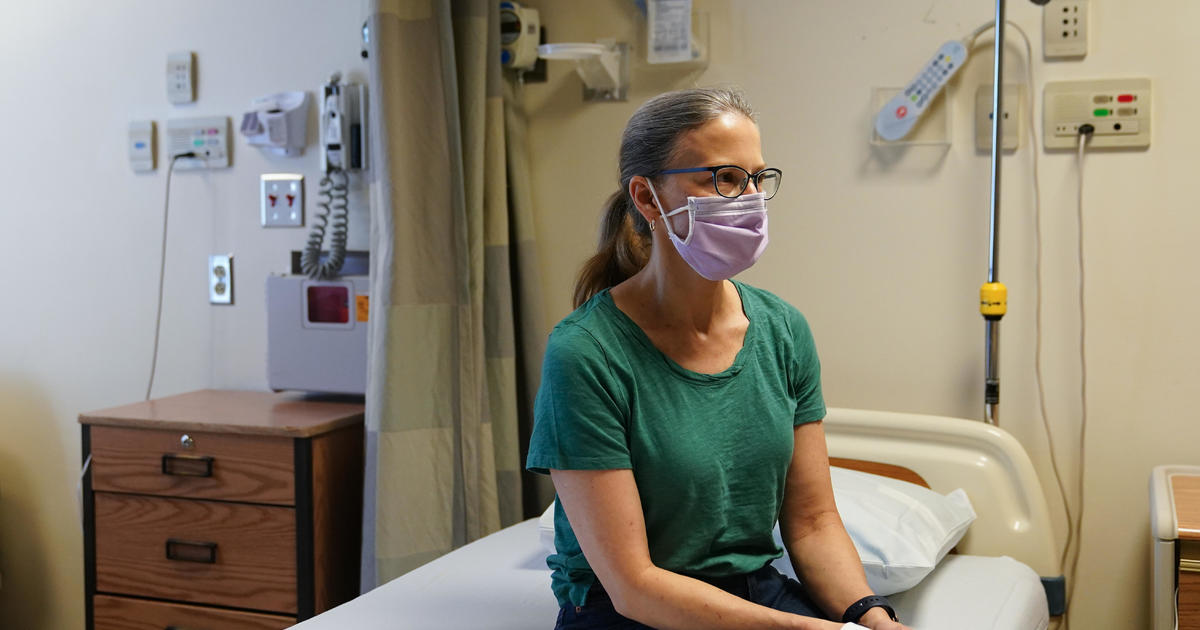
A new treatment for PTSD shows promise in improving symptoms for those affected by the disorder. This innovative approach could offer hope to many individuals struggling with PTSD, providing a potential breakthrough in mental health therapy.
Dry January, the practice of abstaining from alcohol for the first month of the year, is gaining popularity, particularly among younger generations who are more health-conscious. Health benefits of participating include improved sleep, lower cholesterol, reduced blood pressure, and better liver function. The sober curious movement encourages exploring life without alcohol, while "gray area" drinkers are those who consume more than they would like but haven't faced severe consequences. Nonalcoholic drink options are becoming more available, offering alternatives for social settings. Experts advise that those with a problematic relationship with alcohol seek professional support before attempting Dry January due to potential withdrawal risks.
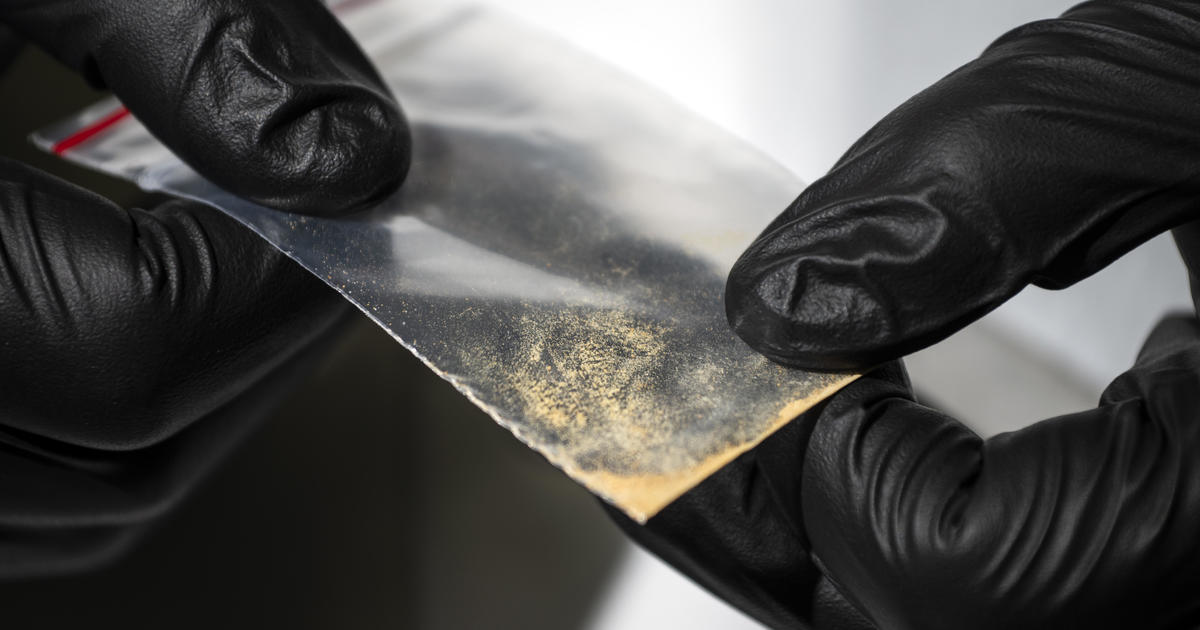
Colorado law enforcement has issued a warning about a new opioid, nitazenes, which have been linked to a recent overdose death. Nitazenes, developed in the 1950s and 60s, are being modified by illicit drug manufacturers and can be up to 10 times as potent as fentanyl. While their presence in the drug market is still rare, experts expect their prevalence to increase. Naloxone, an opioid antagonist, is effective in reversing overdoses involving nitazenes, but immediate medical treatment is still crucial due to the potential long-acting nature of these drugs.
Cryotherapy, including ice baths and whole body cryotherapy chambers, is a recovery tool gaining popularity among athletes and wellness enthusiasts. While research has shown benefits such as reducing inflammation and restoring cardiovascular homeostasis, it should not be used chronically as it can inhibit muscle growth. Milder temperatures for longer durations are more effective for recovery, and timing is critical as applying ice immediately after exercise can reduce soreness and aid in faster recovery. Cold plunges may help with anxiety, but evidence suggests it may do more harm than good in anxious individuals.
Scientists predict that vaccines could be the next big thing in cancer treatment, with experimental treatments showing promise in shrinking tumors and stopping cancer from coming back. Targets for these treatments include breast and lung cancer, with gains reported this year for deadly skin cancer melanoma and pancreatic cancer. Cancer vaccines boost the immune system to find and kill cancer cells, and some new ones use mRNA, which was developed for cancer but first used for COVID-19 vaccines. More vaccines that prevent cancer may be ahead too, with decades-old hepatitis B vaccines preventing liver cancer and HPV vaccines preventing cervical cancer.
Olympic medalist Tori Bowie died in childbirth due to possible complications including respiratory distress and eclampsia, drawing attention to the maternal mortality crisis in the US. Black women are at least three times more likely to die from a pregnancy-related cause than White women. Serious and potentially life-threatening complications in labor include eclampsia, heart complications, and postpartum hemorrhage. Racial disparity in maternal mortality is a major challenge in public health, with poverty, discrimination, and poor care being contributing factors. Maternal deaths in the US increased 40% in 2021, marking a six-decade high, with risks greater for unvaccinated women.
Lime juice can cause a serious skin reaction called phytophotodermatitis when exposed to sunlight, resulting in a red, itchy, blistering rash that can last for weeks or months. Any skin type can experience this reaction, but those with light or red hair may have a more severe reaction. To prevent injury, wash your hands with soap and water if exposed to citrus juice, protect your skin with high UVA protection sunscreen, and stay in the shade. If you have phytophotodermatitis, treat it like a sunburn and see a dermatologist for severe cases.
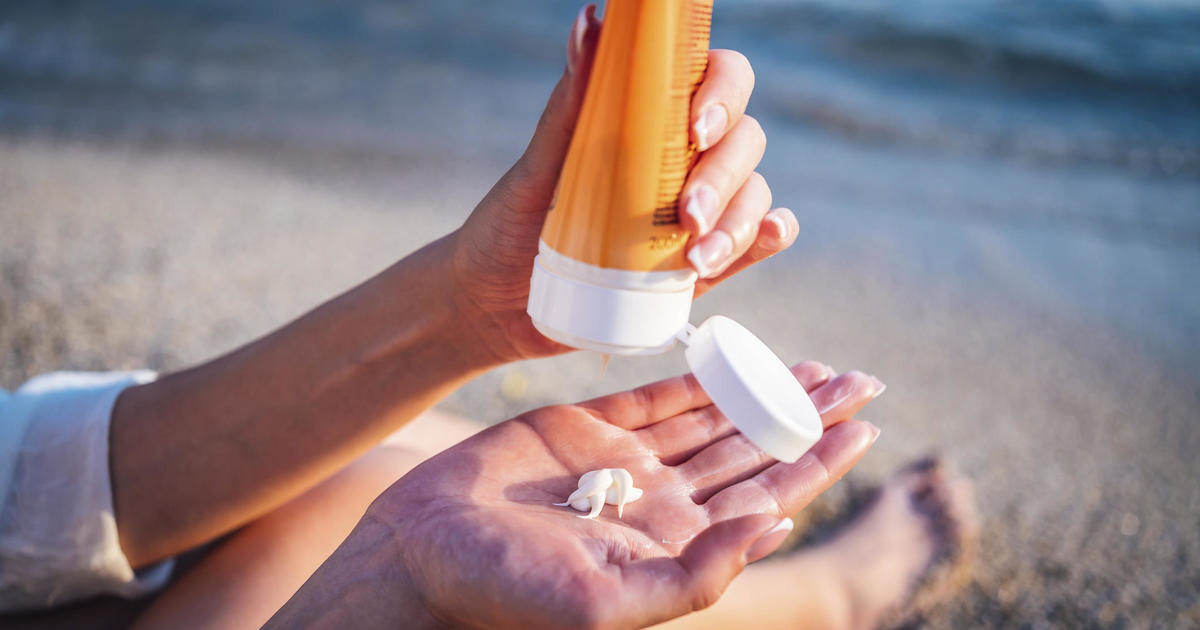
Dermatologists warn that commonly overlooked spots like the tops and back of the ears, lips, around the eyes, upper neck, chest, scalp, and hands need protection from the sun's harmful rays. Using an SPF-infused lip balm, eye cream, and wearing sunglasses with UV protection can help protect the delicate skin around the eyes and lips. Powder sunscreens can be used for the hair part, but wearing a hat is recommended for prolonged sun exposure. Sunscreen should be applied 10-15 minutes before sun exposure and reapplied every two to three hours, especially when swimming or sweating.
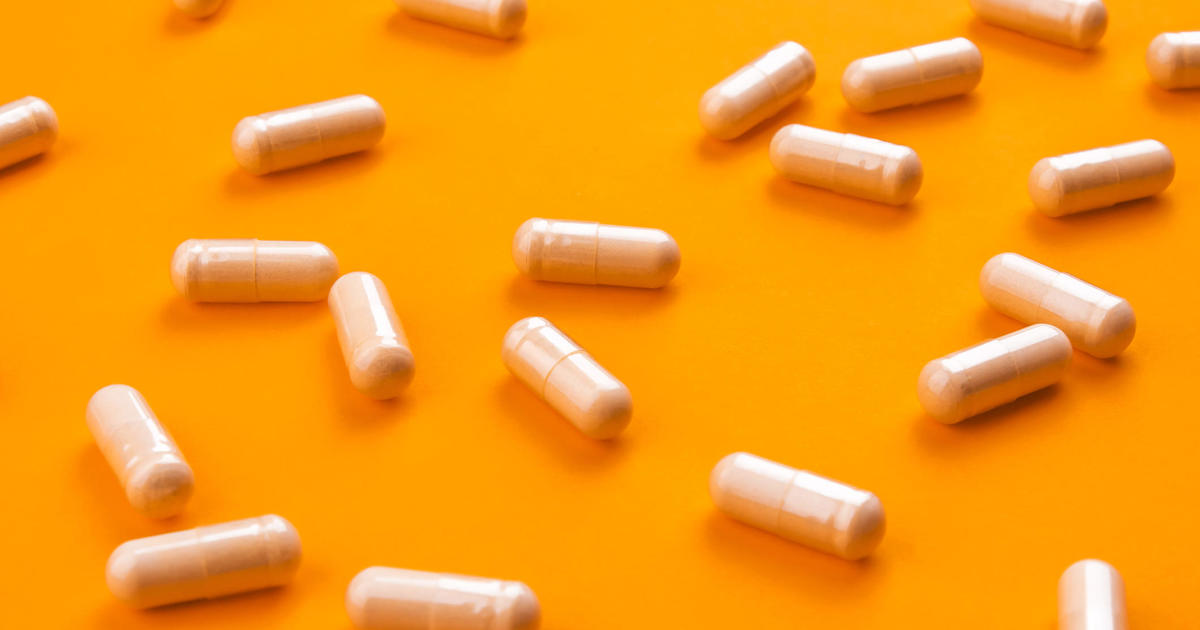
Berberine, a natural compound found in several plants, is gaining popularity as a weight loss supplement. However, experts caution about a lack of sufficient data and oversight, as the FDA doesn't regulate supplements like berberine the way they do medications. Berberine may help suppress appetite, lower cholesterol, aid in gut health, and control blood sugar and blood pressure, but it can also cause side effects such as diarrhea and gastrointestinal upset. Berberine can interact with other medications and inhibit the absorption of vitamin B12 and iron. It is recommended to consult a medical doctor before taking berberine.
A new study funded by the National Institutes of Health has identified the 12 most common symptoms associated with long COVID, including post-exertional malaise, fatigue, brain fog, dizziness, gastrointestinal symptoms, heart palpitations, issues with sexual desire or capacity, loss of smell or taste, thirst, chronic cough, chest pain, and abnormal movements. The study examined data from 9,764 adults, including 8,646 who had COVID-19 and 1,118 who did not, and found that over 6% of Americans continue to experience and suffer from long COVID symptoms. The study authors hope their findings will serve as a foundation for scientific discovery and treatment design.
While bone broth can provide some beneficial nutrients, experts don't view the popular beverage as a vital addition to your wellness regime. Benefits of bone broth include providing humans with certain nutrients from the connective tissue and meat of the bones, which in turn can aid in strengthening of muscle and bones. However, there is not enough research to support the benefits or detriments of bone broth on gut health. Bone broth should not be used daily by children and pregnant women due to its high protein content.
The World Health Organization (WHO) has issued new guidance advising people looking to lose weight to avoid using artificial sweeteners, as they do not confer any long-term benefit in reducing body fat in adults or children and may have potential undesirable effects, such as an increased risk of type 2 diabetes, cardiovascular diseases, and mortality in adults. WHO recommends reducing the sweetness of the diet altogether, starting early in life, to improve health. The recommendation applies to all people except individuals with pre-existing diabetes.
Experts warn that ticks are out earlier and sticking around longer this year, making it important to protect yourself from their potentially disease-carrying bites. Lyme disease is caused by borrelia bacteria, which humans usually contract from the bite of a tick carrying the bacteria. Different types of infected ticks can spread other bacteria, viruses, and parasites that make people sick. There are several methods to protect yourself from ticks, including wearing long-sleeved clothing, using insect repellent, and doing a tick check after being outdoors. Early diagnosis and proper antibiotic treatment of Lyme disease is important, but without treatment, the illness can get worse, with more severe symptoms developing over a period of several weeks or months.
Former E! News correspondent Maria Menounos revealed she underwent successful surgery to remove a 3.9-cm tumor after being diagnosed with Stage 2 pancreatic cancer in January. Menounos caught it early and doesn't require chemotherapy or additional treatment, just annual scans for the next five years. Symptoms of pancreatic cancer include abdominal pain, loss of appetite, unintended weight loss, and jaundice. Treatment options include surgery, radiation therapy, chemotherapy, and more. Pancreatic cancer has one of the lowest survival rates among all major cancers, with a five-year survival rate around 9%.
Former E! News correspondent Maria Menounos revealed she was diagnosed with Stage 2 pancreatic cancer in January and underwent successful surgery to remove a 3.9-cm tumor in February. Menounos hopes her story will encourage others to seek answers to their health problems. Symptoms of pancreatic cancer include abdominal pain, loss of appetite, unintended weight loss, and jaundice. Treatment options include surgery, radiation therapy, and chemotherapy. Pancreatic cancer has a low survival rate of around 9%, and certain risk factors increase the likelihood of developing the disease.