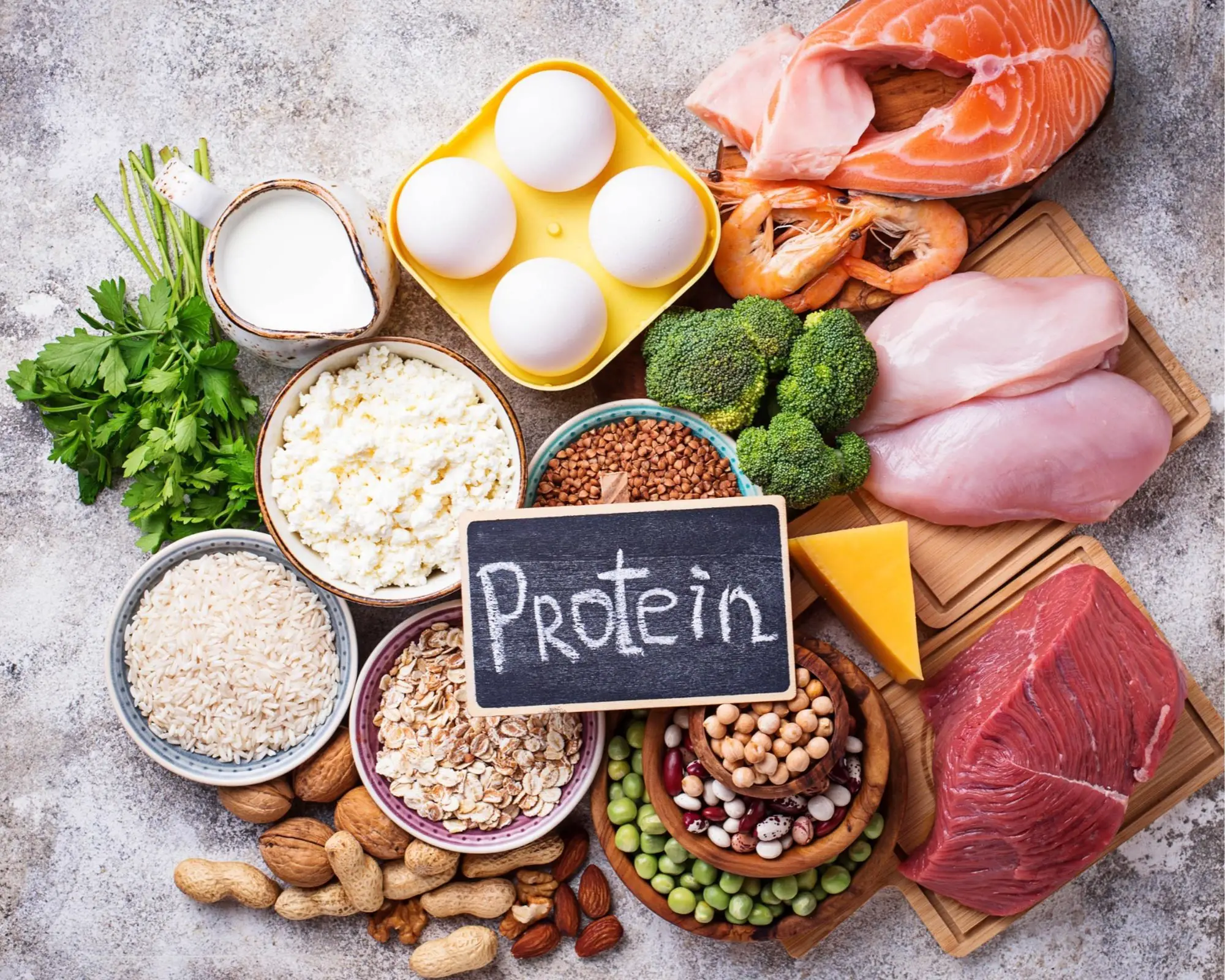
Dr. Susan Bullman emphasizes the importance of a fiber-rich, minimally processed diet, including foods like oats, fruits, vegetables, whole proteins, and fermented products like kefir, to support gut health and potentially reduce cancer risk, especially in light of rising colon cancer rates among younger adults.
A cardiologist warns that extreme carnivore diets high in protein can damage heart health by causing endothelial dysfunction, inflammation, and premature atherosclerosis, even in young, fit individuals, emphasizing the importance of balanced, plant-based diets and regular health check-ups.
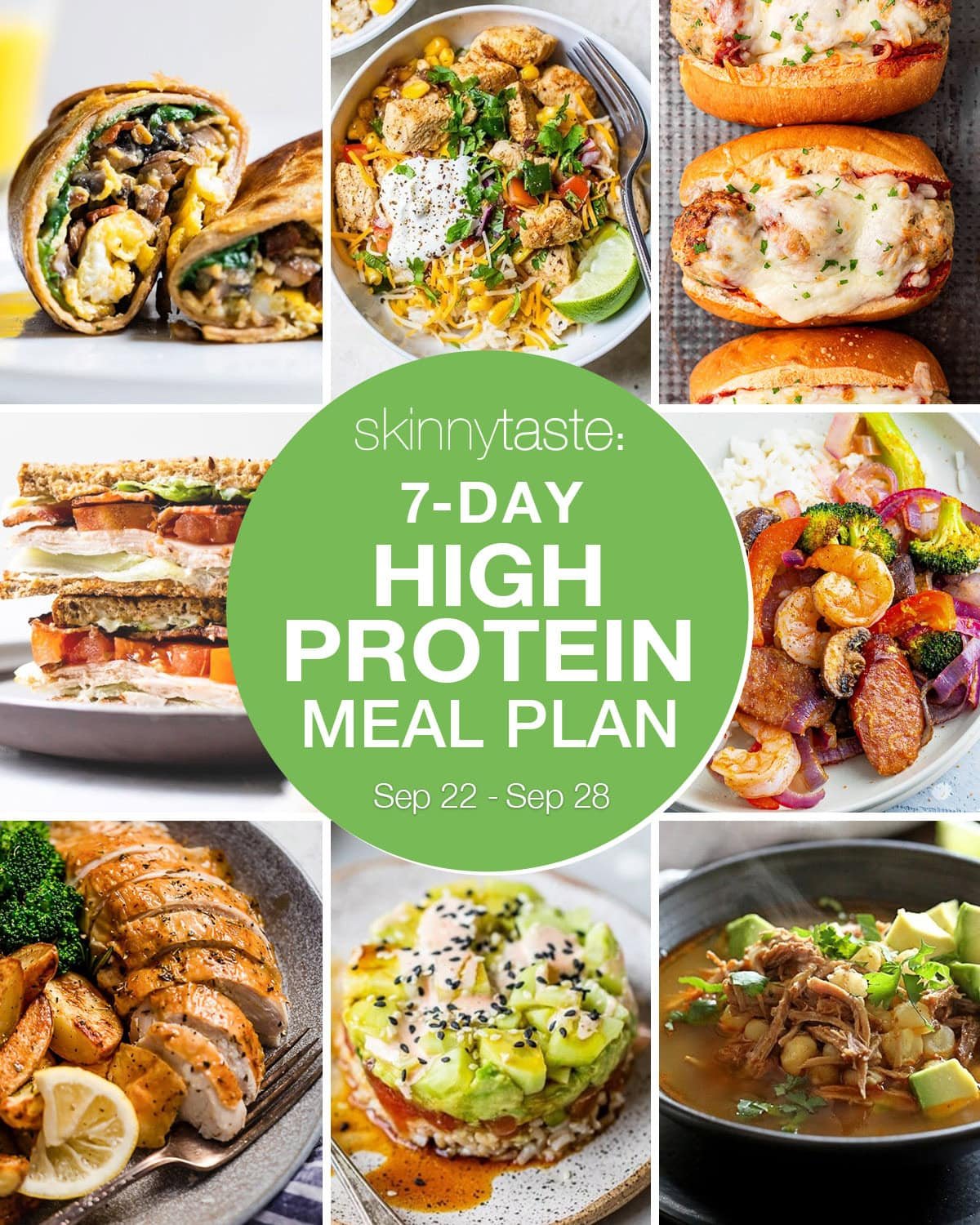
This article provides a detailed 7-day high-protein meal plan with recipes, macros, and a shopping list, aimed at supporting muscle gain and satiety, along with updates on Weight Watchers points and related events.
A cardiologist warns that certain seemingly healthy habits, such as consuming excessive protein, binge drinking on weekends, heavy cannabis use, and pushing workouts to extremes, can increase the risk of heart failure and other cardiovascular issues. Moderation and balance are emphasized for maintaining heart health.
Ethan Noblesala, 32, lost 85 pounds by adopting a high protein, high fiber, low-calorie diet, engaging in pickleball and other sports, and prioritizing sleep and recovery, which transformed his health and inspired him to create a social fitness app.
While high-protein diets are popular for their benefits, they often lead to insufficient fiber intake, which is crucial for digestive health, blood sugar control, and disease prevention. Most Americans do not meet the recommended fiber intake, which can cause digestive issues and other health problems. Incorporating fiber-rich foods like vegetables, fruits, legumes, and whole grains can help balance a high-protein diet and improve overall health.
Celebrity chef Robert Irvine maintains his jacked physique by consuming 4,000 to 6,500 calories a day, focusing on high-protein and carb-rich meals every two and a half hours. His diet includes oatmeal, chicken, fish, veggies, and protein shakes or bars, emphasizing unprocessed foods and fresh flavors. Irvine's rigorous meal schedule helps fuel his 7-day-a-week workout routine, even during extensive travel, and he emphasizes the importance of planning and consistency in maintaining a strong metabolism and energy levels.
A 93-year-old athlete's exercise routine was studied, revealing four key pillars to his longevity: consistency, alternating training intensity, weight training, and a high-protein diet. Richard Morgan exercises for 40 minutes daily, alternating between easy, tolerable, and max efforts, and incorporates weight training two to three times a week. He also follows a high-protein diet, consuming about 1 gram of protein per pound of his body weight each day, exceeding the usual dietary recommendation for someone of his stature.
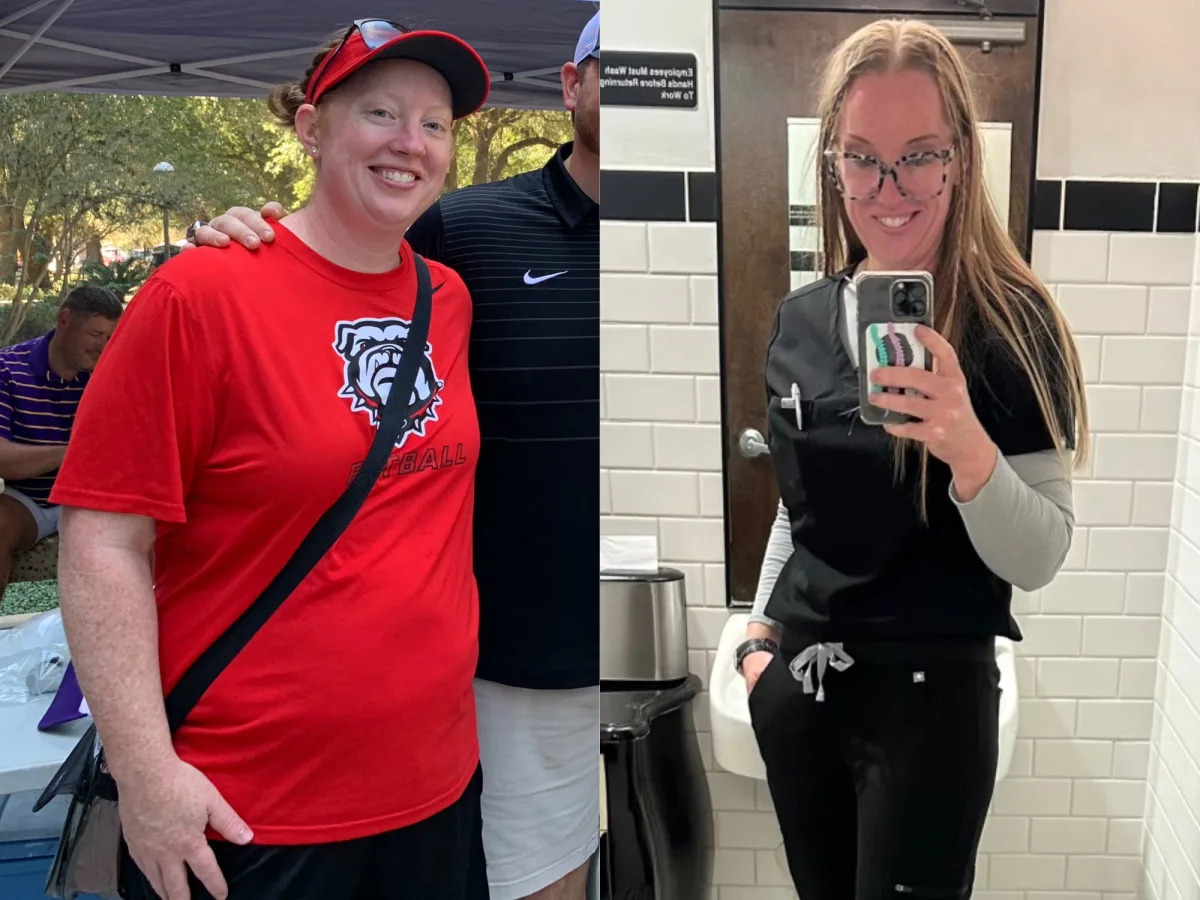
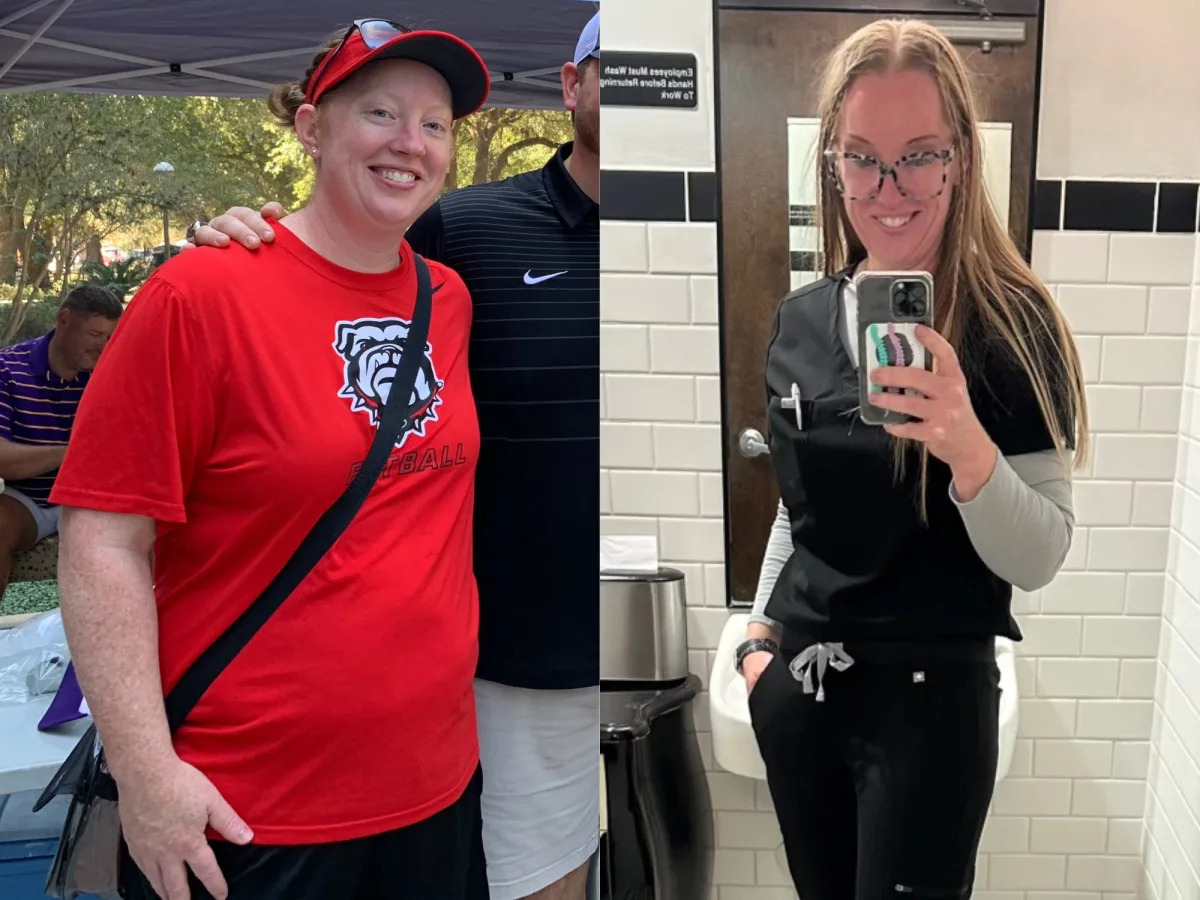
Dr. Betsy Grunch, a neurosurgeon, lost 50 pounds and maintained her weight loss for over four years through intermittent fasting and a high-protein diet focused on whole foods. She also took Mounjaro, a diabetes drug, to lose an additional 30 pounds. Grunch emphasizes the psychological component of weight loss and the importance of maintaining a positive relationship with one's body. She reduced her intake of fast food and sugary drinks, and now follows a high-protein, lower-carb diet with intermittent fasting to stay feeling full and maintain muscle.
Dr. Betsy Grunch, a neurosurgeon, lost 50 pounds and maintained her weight loss for over four years through intermittent fasting and a high-protein diet focused on whole foods. She also took Mounjaro, a diabetes drug, to lose an additional 30 pounds. Grunch emphasizes the psychological component of weight loss and the importance of maintaining a positive relationship with one's body. She also highlights the challenge of finding time to prepare nutritious food as a busy doctor and mother.
Dr. Betsy Grunch, a neurosurgeon, struggled with weight loss despite trying various diets until she adopted a high-protein, whole foods diet, intermittent fasting, and calorie deficit. After losing 50 pounds, she underwent stomach tissue removal surgery and later used the diabetes drug Mounjaro for further weight loss. Grunch emphasizes the psychological aspect of weight loss and advocates for self-acceptance at any size.
A study on mice has found that resistance strength training can counteract the negative metabolic effects of a high-protein diet. Sedentary mice on a high-protein diet accumulated more fat, but those subjected to resistance training showed muscle growth and less fat accumulation. However, blood sugar control was still adversely affected by the high protein intake. The research highlights the importance of resistance training for individuals on high-protein diets, especially those with a sedentary lifestyle.
A dietitian specializing in high-protein diets shared four quick and easy breakfast ideas. These include an egg scramble with sautéed vegetables and added protein, oatmeal with cinnamon, nuts, and berries, Greek yogurt with cinnamon and berries, and high-protein pancakes topped with nut butter, banana, and maple syrup. The dietitian emphasizes the importance of balancing nutrients and portion sizes, while also incorporating fruits and vegetables for micronutrients.
Michelle Rodriguez gained nearly 20 pounds of muscle in three months for her role in "Dungeons & Dragons" by lifting heavy weights with progressive overload and eating a high-protein diet consisting of five meals or snacks a day. Her personal trainer and nutritionist Magnus Lygdbäck ensured she employed progressive overload and ate in a slight calorie surplus to fuel her muscle growth. Rodriguez also benefited from the phenomenon of "newbie gains" as she was new to strength training. However, building 20 pounds of muscle in three months is not realistic for most people.
Michelle Rodriguez gained nearly 20 pounds of muscle in three months for her role in "Dungeons & Dragons: Honour Among Thieves" by lifting heavy weights with progressive overload and eating a high-protein diet consisting of five meals or snacks a day. Her personal trainer and nutritionist Magnus Lygdbäck ensured she employed progressive overload and ate in a slight calorie surplus to fuel her muscle growth. Rodriguez trained five days a week with a three-day split and ate plenty of protein, with a goal to eat one gram per pound of bodyweight.