Research indicates that consuming processed meats and sugary drinks is linked to increased risk of cognitive decline in older adults, highlighting the importance of mindful eating and cooking skills for maintaining brain health.
A study published in The BMJ suggests that consuming dark chocolate may reduce the risk of developing type 2 diabetes by 21%, while milk chocolate does not offer the same benefit. The research, which analyzed data from over 192,000 participants, highlights the potential metabolic benefits of dark chocolate, likely due to its flavonoid content. However, the study has limitations, including reliance on self-reported data and a predominantly white, older, and medical professional participant pool. Experts emphasize that dark chocolate should be part of a balanced diet and not a standalone solution for diabetes prevention.
The article discusses the health risks associated with consuming ultra-processed foods, which are extensively industrially processed and often nutrient-poor. These foods, defined by the NOVA classification, are linked to various health issues, including obesity, heart disease, and diabetes. Experts suggest focusing on nutrient-dense foods and understanding food labels to make healthier dietary choices. The article emphasizes the importance of a balanced diet, especially for children and older adults, and offers practical tips for reducing ultra-processed food intake.
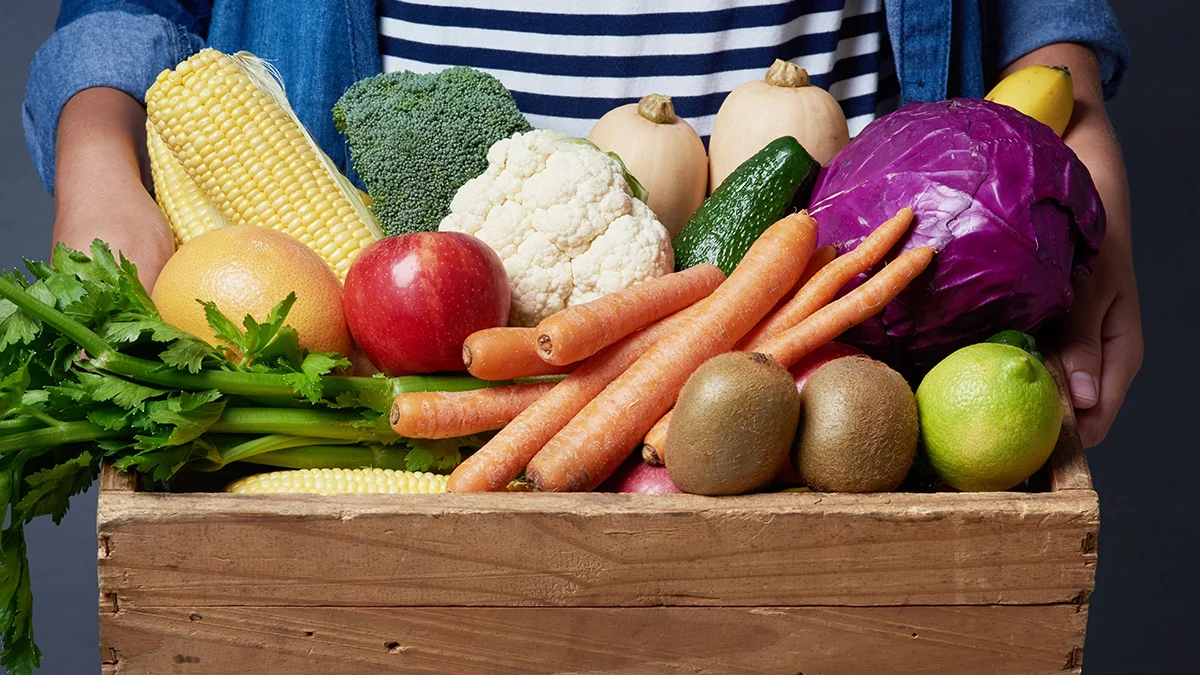
Registered nutritionist Rhiannon Lambert emphasizes that a plant-based diet does not necessitate giving up meat, dairy, and chocolate, but rather focuses on consuming more healthful foods and reducing intake of harmful ones. Lambert aims to dispel the misconception that a plant-based diet is synonymous with veganism and promote the adoption of a plant-powered diet for improved health.
A study published in the Journal of the American College of Cardiology found that using salt substitutes can reduce the risk of developing hypertension by up to 40% without increasing the risk of low blood pressure. The research suggests that salt substitutes offer a promising way to maintain healthy blood pressure levels and minimize cardiovascular risks, providing a flavorful alternative to regular salt in meals. Additionally, a separate editorial in the same journal supports the use of salt substitutes over simply reducing salt intake, as the latter has proven challenging for many people to adopt as a long-term dietary change.
The gluten-free lifestyle has become popular, but it's important to understand the implications before making the switch. Celiac disease, non-celiac gluten sensitivity, wheat allergy, and observing symptom patterns are key factors to consider. While going gluten-free may offer benefits like improved digestive health and energy levels, it can also lead to nutrient deficiencies, increased expenses, limited food choices, dining challenges, social and emotional impacts, hidden gluten exposure, and potential weight gain. Consulting with healthcare professionals is crucial before making significant dietary changes.
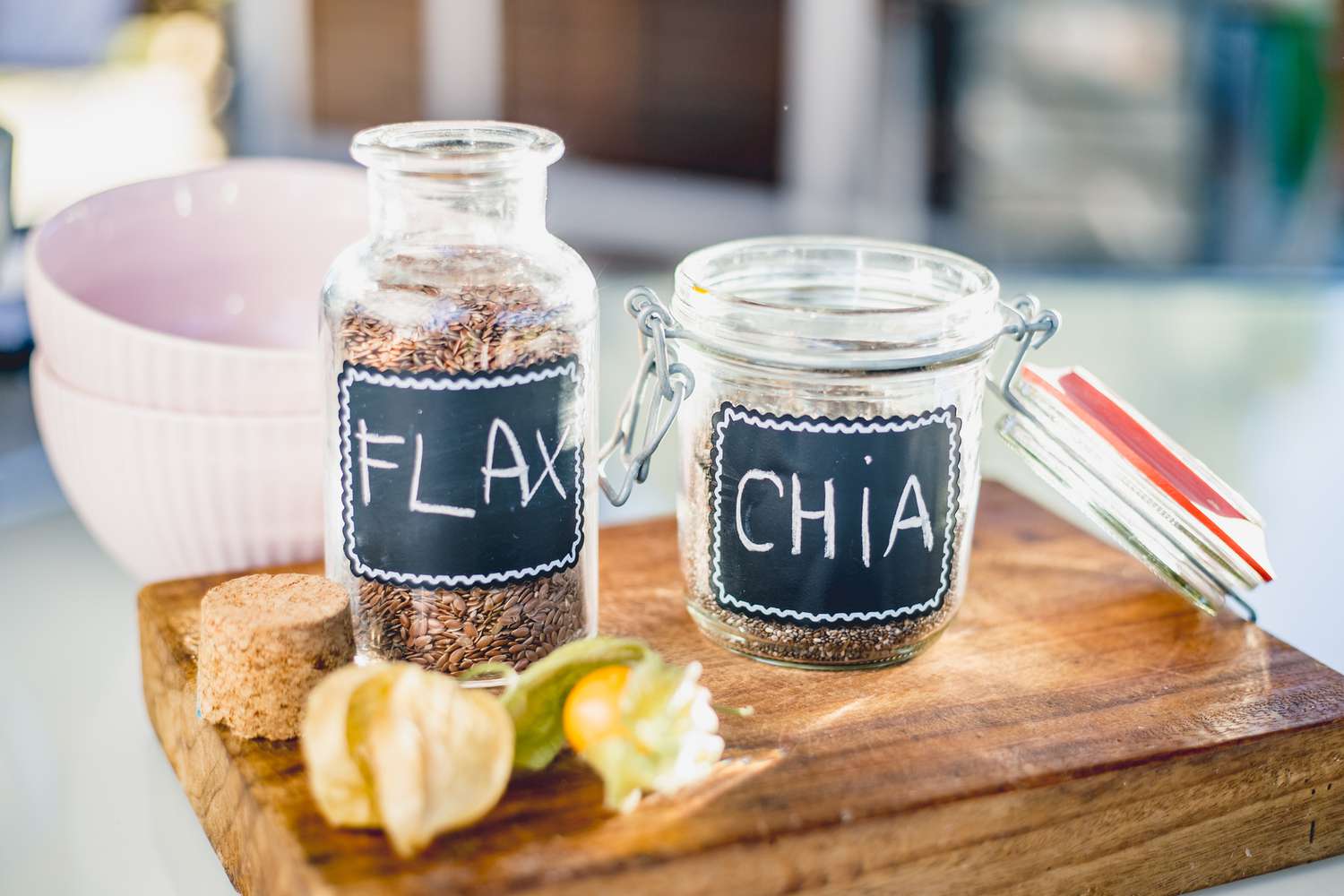
Chia seeds and flaxseed are both nutrient-dense and offer various health benefits, including protein, fiber, and alpha-linolenic acid. While they have some differences in nutrient levels and specific benefits, neither is significantly healthier than the other. Both seeds can be easily incorporated into the diet and offer similar advantages, so the choice between them may depend on personal preferences, specific health goals, accessibility, and overall dietary plan.
The article discusses the author's decision not to participate in Veganuary, citing the nutritional benefits of eggs and concerns about potential deficiencies in a vegan diet. It highlights the importance of nutrients like vitamin B12, iron, iodine, omega-3, and choline, which are more readily available in animal products. The piece includes personal experiences and expert opinions on the challenges of maintaining a balanced vegan diet, the risks of processed vegan substitutes, and the importance of education on nutritional needs. It suggests that while a vegan diet can be healthy if well-planned, it is not without risks, especially for pregnant women and those not supplementing correctly. The author advocates for a balanced approach to eating, incorporating both plant-based and animal-sourced nutrients.
A recent meta-analysis published in Appetite has found that individuals who identify as vegetarians or vegans tend to score higher in the personality traits of Openness and Agreeableness compared to omnivores. The study, which included data from 69,576 individuals across various countries, also revealed that Openness was the only significant personality trait difference between vegetarians and vegans, with vegans scoring higher. However, there were no consistent associations between other personality traits (Neuroticism, Extraversion, and Conscientiousness) and dietary choices. The study suggests that Openness and Agreeableness are key personality traits linked to vegetarian and vegan diets, but further research is needed to understand the causal mechanisms behind these connections.
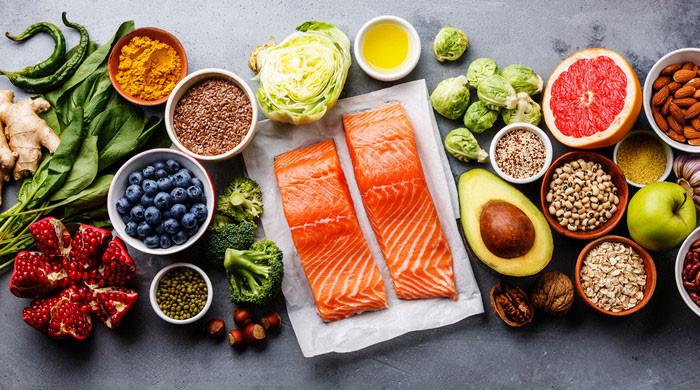
Incorporating certain foods into one's diet, such as walnuts, berries, hazelnuts, leafy greens, salmon, and eggs, may significantly reduce the risk of Alzheimer's disease. Recognized eating patterns like the Mediterranean, DASH, and MIND diets, which emphasize fruits, vegetables, whole grains, and healthy fats, have been associated with better cognitive health. Conversely, the Western diet, high in processed foods and meat, is linked to poor cognitive outcomes. While no single food guarantees immunity from Alzheimer's, these dietary choices can contribute to maintaining brain health.
Doctors warn that adding heavy cream and bacon bits to eggs can hinder weight loss efforts. Heavy cream introduces a significant amount of calories and saturated fats, while bacon bits are high in fat and salt. Instead, healthier alternatives like Greek yogurt and veggies can be used to maintain a more weight-conscious approach.
Researchers at the Buck Institute have discovered that advanced glycation end products (AGEs), chemicals found in cooked or processed foods, increase hunger and make it harder to resist unhealthy food choices. AGEs are formed during the Maillard reaction, which gives food its appealing brown color but also causes inflammation and oxidative damage in the body. The study, conducted on nematode worms, found that AGEs not only contribute to disease and decreased lifespan but also increase appetite. The researchers identified a signaling pathway mediated by specific AGEs molecules that enhance feeding and neurodegeneration. Understanding this pathway may help explain overeating due to modern AGEs-rich diets and the connection between AGEs and obesity. The study emphasizes the importance of limiting AGEs accumulation for overall health and making mindful, healthy food choices.
Consuming just two servings of red meat per week can double the risk of developing type 2 diabetes, according to a study by Harvard researchers. The study, which analyzed over 30 years of health data and dietary choices for over 200,000 participants, found that swapping red meat for plant-based proteins was associated with a reduced risk of diabetes. Processed meats were found to increase the risk more than unprocessed meats. Conversely, consuming nuts, legumes, and dairy products was linked to a lower risk of type 2 diabetes. The researchers recommend limiting red meat consumption to no more than two servings per week and replacing it with healthier plant-based protein sources.
A new study published in PLOS One suggests that genetics may play a significant role in vegetarianism, with four genes associated with adherence to a vegetarian lifestyle. The study found that some people may be genetically better suited for a vegetarian diet than others. The research highlights the connection between genes and dietary choices, potentially leading to personalized dietary recommendations based on genetic predispositions in the future. However, the study's limitations include a homogenous sample of White participants, limiting its applicability to the whole population.
A woman in Australia received a letter from her vegan neighbors asking her to close her side window while cooking meat, as the smell was making them feel sick and upset. The letter sparked a debate on whether the request was appropriate, with some suggesting alternative methods to block out the smell and others supporting the polite nature of the letter. The article emphasizes the importance of respecting others' dietary choices and the need for mutual understanding and acceptance.