
The Health Impacts and Driving Tips for the End of Daylight Saving Time
TL;DR Summary
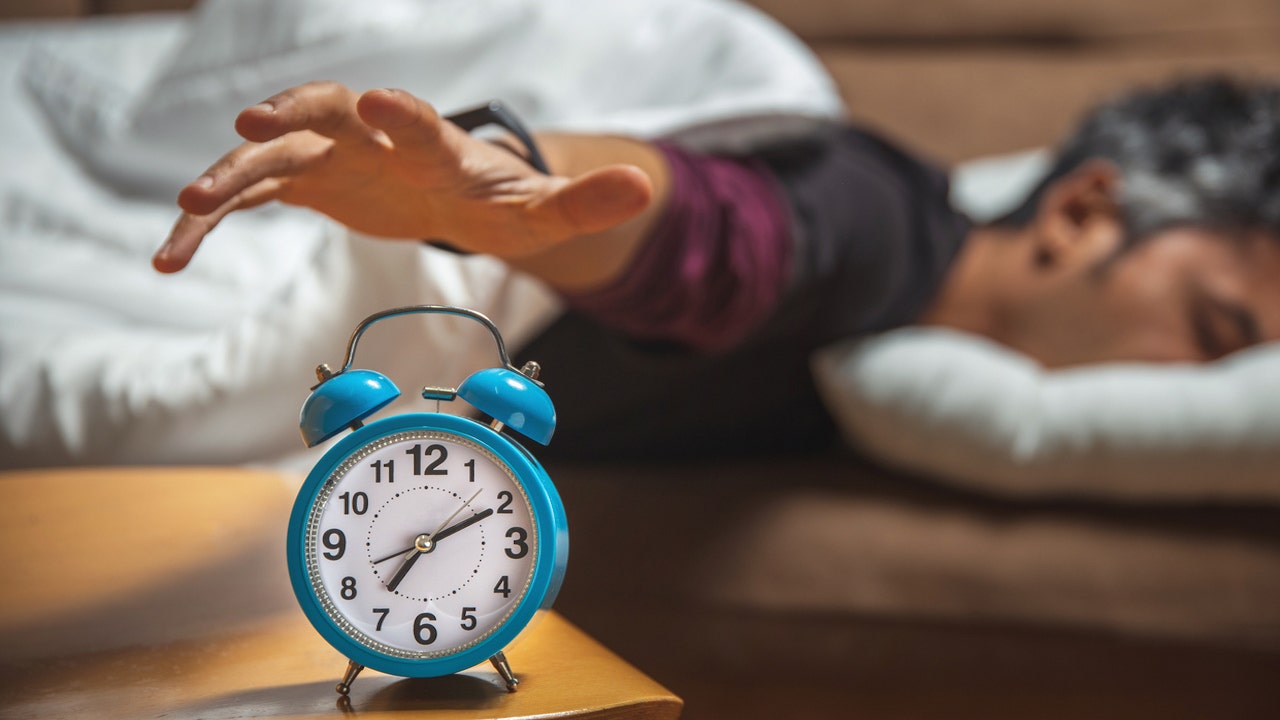
The end of daylight saving time, when clocks "fall back," can have negative effects on health. While gaining an extra hour of sleep may seem beneficial, the shorter days and reduced sunlight can disrupt sleep schedules and mood. The body's circadian rhythm is affected by the change, making it difficult to adjust. Off-kilter sleep can impact multitasking, alertness, and balance, increasing the risk of accidents. To ease the transition, maintaining a consistent bedtime, getting early exposure to light, and practicing good sleep habits are recommended.
- The end of daylight saving time can negatively affect your health, even though you gain an hour of sleep Fox News
- Daylight Saving Time ends on Sunday — how it impacts health and what to do about it New York Post
- Daylight Savings Time causes uptick in car crashes FOX 5 New York
- 3 tips for driving after daylight saving time ends FOX 31 Denver
- Rush hour changes as we fall back an hour KXAN.com
- View Full Coverage on Google News
Reading Insights
Total Reads
0
Unique Readers
8
Time Saved
3 min
vs 3 min read
Condensed
85%
586 → 85 words
Want the full story? Read the original article
Read on Fox News