A study suggests that exposure to ultra-processed foods during the formative years of the late 20th century may have led to addiction-like behaviors in older adults, especially women, with implications for long-term health and societal trends in food consumption.
While cancer can alter taste and appetite, there is no reliable evidence that specific food cravings can predict a cancer diagnosis before other symptoms appear. Changes in eating behavior are influenced by various factors and should not be used as diagnostic tools. A well-established link exists between ice chewing and iron deficiency, which is treatable. The best approach for cancer risk is to rely on established warning signs and screening tests, and to consult a doctor for persistent or unusual symptoms.
A new study suggests that loneliness may lead to unhealthy eating habits in some women due to alterations in the brain, particularly in regions associated with rumination and control. The study found that women who reported being lonely showed increased brain activity in response to images of sweet, calorie-rich foods and decreased activity in areas associated with control. Understanding the physiological connection between loneliness and unhealthy eating could inspire changes in behavior and future obesity treatments. Ways to counter loneliness include connecting with others through communal eating, finding interest groups, and practicing stress reduction exercises.
A new study reveals the link between loneliness and cravings for high-calorie foods in women, showing increased brain activation in areas related to cravings and decreased self-control towards eating when exposed to images of sugary foods. The research emphasizes the need for holistic interventions focusing on social connections and healthier food choices to mitigate the negative impacts of loneliness on well-being, highlighting the complex interplay between loneliness, mental health, and eating habits.
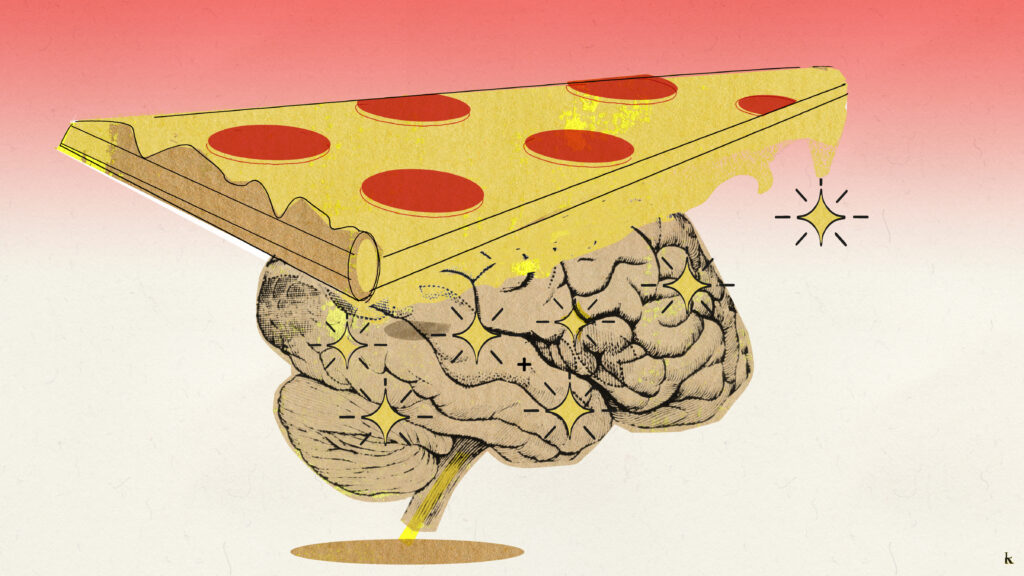
UCLA psychologists have identified a circuit in the brain of mice that drives food-seeking behavior, even when not hungry, by stimulating specific cells in the brainstem. This discovery sheds light on the neural basis of food cravings and could offer insights into understanding eating disorders in humans. The study suggests that an overactive food-seeking circuit may lead to compulsive eating of high-calorie foods, while a less active circuit could reduce pleasure associated with eating, potentially contributing to anorexia. If confirmed in humans, this food-seeking circuit could become a target for treating certain types of eating disorders.
Researchers at the Buck Institute have discovered that advanced glycation end products (AGEs), chemicals found in cooked or processed foods, increase hunger and make it harder to resist unhealthy food choices. AGEs are formed during the Maillard reaction, which gives food its appealing brown color but also causes inflammation and oxidative damage in the body. The study, conducted on nematode worms, found that AGEs not only contribute to disease and decreased lifespan but also increase appetite. The researchers identified a signaling pathway mediated by specific AGEs molecules that enhance feeding and neurodegeneration. Understanding this pathway may help explain overeating due to modern AGEs-rich diets and the connection between AGEs and obesity. The study emphasizes the importance of limiting AGEs accumulation for overall health and making mindful, healthy food choices.
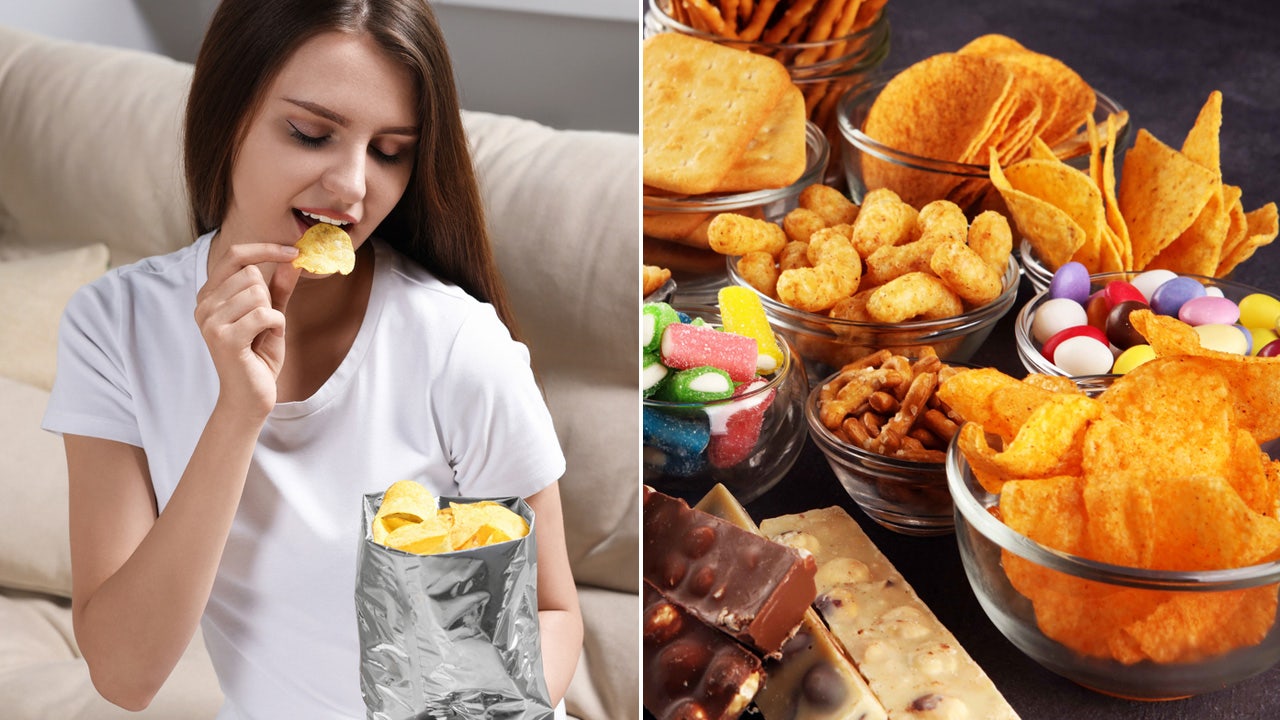
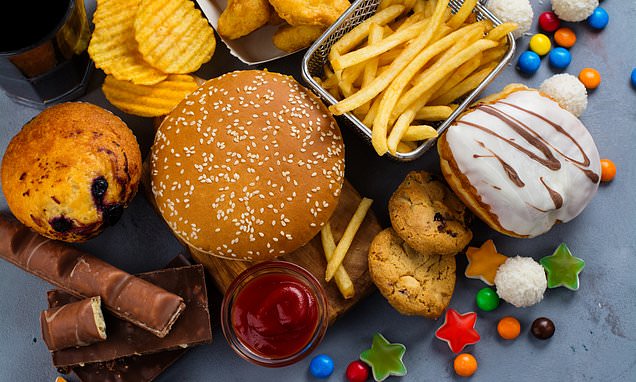
A study from the University of Michigan suggests that ultra-processed foods, such as candy, ice cream, and potato chips, could be as addictive as cigarettes and drugs. The research found that 14% of adults and 12% of children showed signs of addiction to these foods. Ultra-processed foods deliver fats and carbs to the gut quickly and contain flavor and texture additives that may contribute to their addictive properties. Warning signs of food addiction include thinking about food obsessively, craving food when not hungry, and eating even after feeling full. While some experts believe that food cravings are complex and tied to emotions and learned behaviors, others argue that certain foods high in added sugar or fats can trigger the release of feel-good chemicals in the brain, leading to cravings and potentially addictive-like eating behaviors. Further research is needed to fully understand the relationship between food and addiction.
A study published in Nature Metabolism has found that changes in women's brains during certain phases of the menstrual cycle can affect their appetite and lead to cravings for junk food. The research suggests that increased insulin sensitivity during menstruation could explain these cravings. The study also found that the brain is more sensitive to insulin during the follicular phase and less reactive during the luteal phase, which could contribute to increased appetite and unhealthy cravings during the second half of the cycle. This new discovery highlights the need for more research into menstrual health.
The use of GLP-1 receptor agonists, a class of injectable weight loss drugs, has been rapidly increasing in the United States, with over 5 million people prescribed these medications in 2022. These drugs, such as Wegovy, have shown remarkable effectiveness in helping individuals lose up to 15% of their body weight. Scientists have discovered that these drugs not only suppress appetite by communicating feelings of fullness but also by altering circuits in the brain that drive desire. This newfound understanding of the brain's use of GLP-1 as a signaling molecule opens up possibilities for more potent versions of these drugs in the future and raises the question of what other destructive desires hormone hacking could potentially address.
Food cravings can be triggered by nutrient deficiencies or associating certain snacks with pleasure. Sugar cravings are caused by a drop in blood sugar levels, while salty cravings may indicate low electrolyte levels. Carbohydrate cravings can be linked to stress or low mood, and chocolate cravings are not necessarily due to a lack of magnesium. To curb cravings, experts suggest taking a chromium supplement for sugar cravings, snacking on foods high in sodium for salty cravings, and consuming protein and fiber-rich foods for carb cravings.