Tag

Habitat

All articles tagged with #habitat

space-exploration1 year ago

"NASA Seeks Volunteers for Yearlong Mars Simulation Mission"

NASA is seeking volunteers for its yearlong simulated Mars mission, CHAPEA 2, starting in spring 2025, where four crew members will live in a 3D-printed habitat in Houston to simulate life on Mars. Applicants must be US citizens aged 30-55 with a master’s degree in a STEM field, English proficiency, and professional experience, and the mission involves habitat maintenance, crop growing, and simulated spacewalks. The first mission is currently underway, and applications are open until April 2.

animals1 year ago

"Uncovering the Groundhog Day Phenomenon: From Climate History to Strange Celebrations"

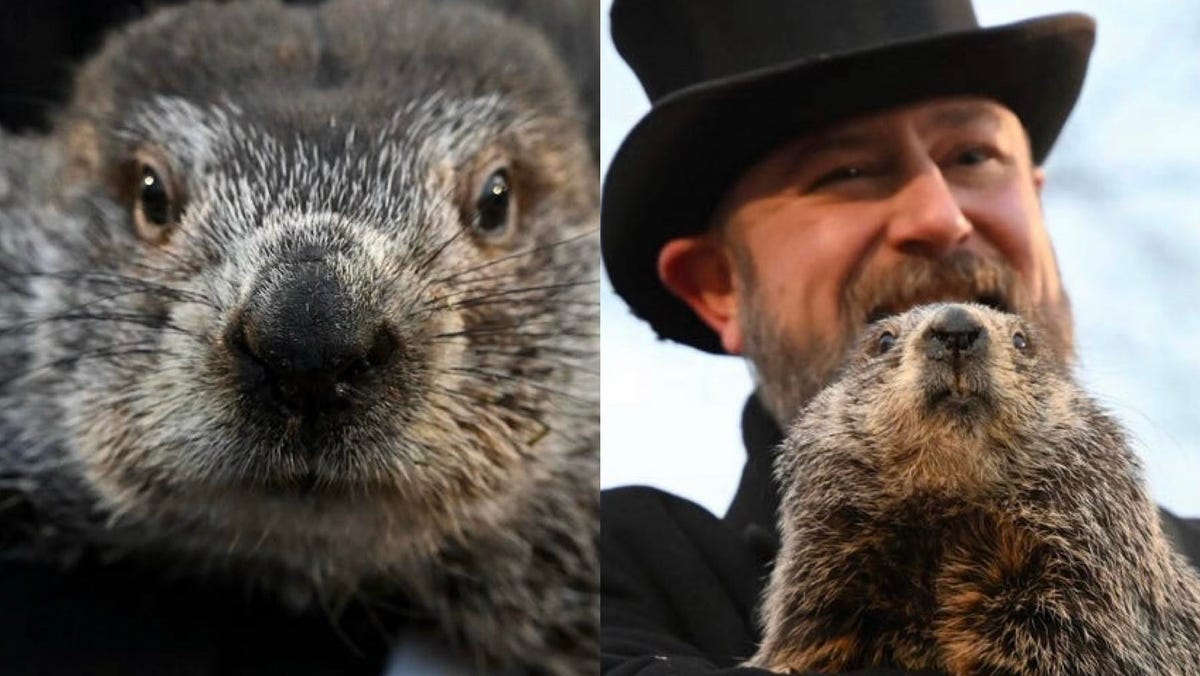
Groundhogs, including Punxsutawney Phil, are more than just weather predictors on Groundhog Day. They are true hibernators, with a reduced metabolism and lowered body temperature during winter dormancy. Emerging in February, not to see their shadow, but to find a mate, groundhogs have intricate burrow systems for protection. Despite their solitary nature, they can be territorial and aggressive, and their extensive burrows can cause damage to gardens and agricultural crops.

marine-biology2 years ago

Unusual Coexistence: Sharks Thrive in Australian Sponge Habitats

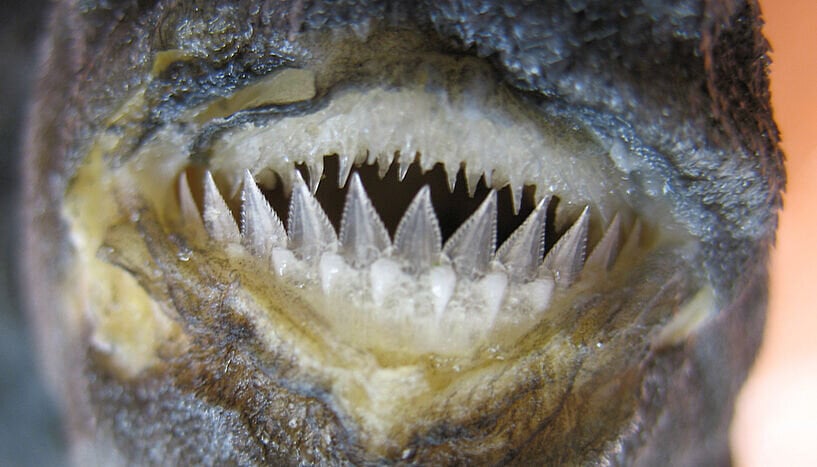
Researchers in Australia have made an unexpected discovery of banded sand catsharks, a small shark species, living inside sponges. The sharks, which are vulnerable to predation by larger sharks and fish, may use the sponges as a hiding place during the day to avoid becoming prey themselves. The researchers found as many as 30 sharks packed into a single sponge and suspect that the sponges may benefit from the sharks' presence by having protection from small fish or invertebrates that would otherwise feed on them. Further investigation is needed to understand the full extent of this behavior and its implications.

space-exploration2 years ago

Living on Mars: Volunteers Begin Year-Long Stay in NASA's 3D-Printed Habitat

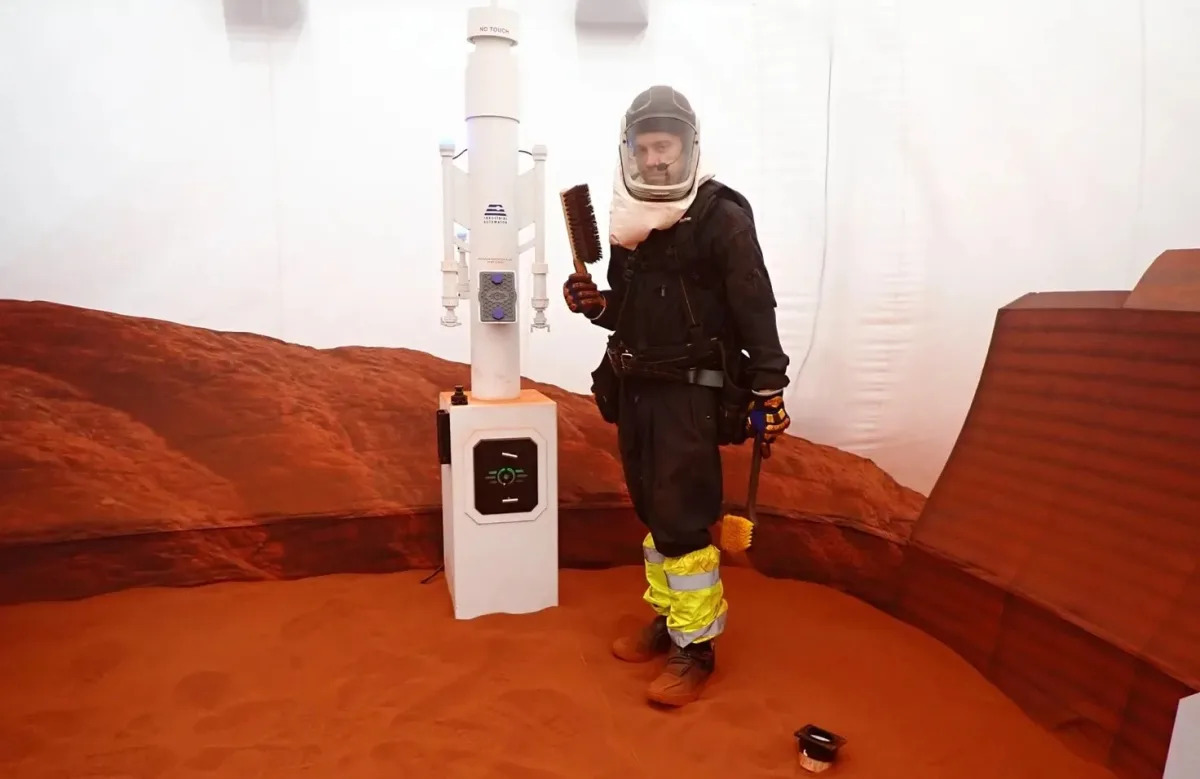
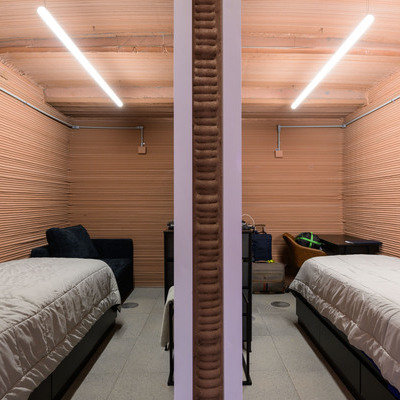
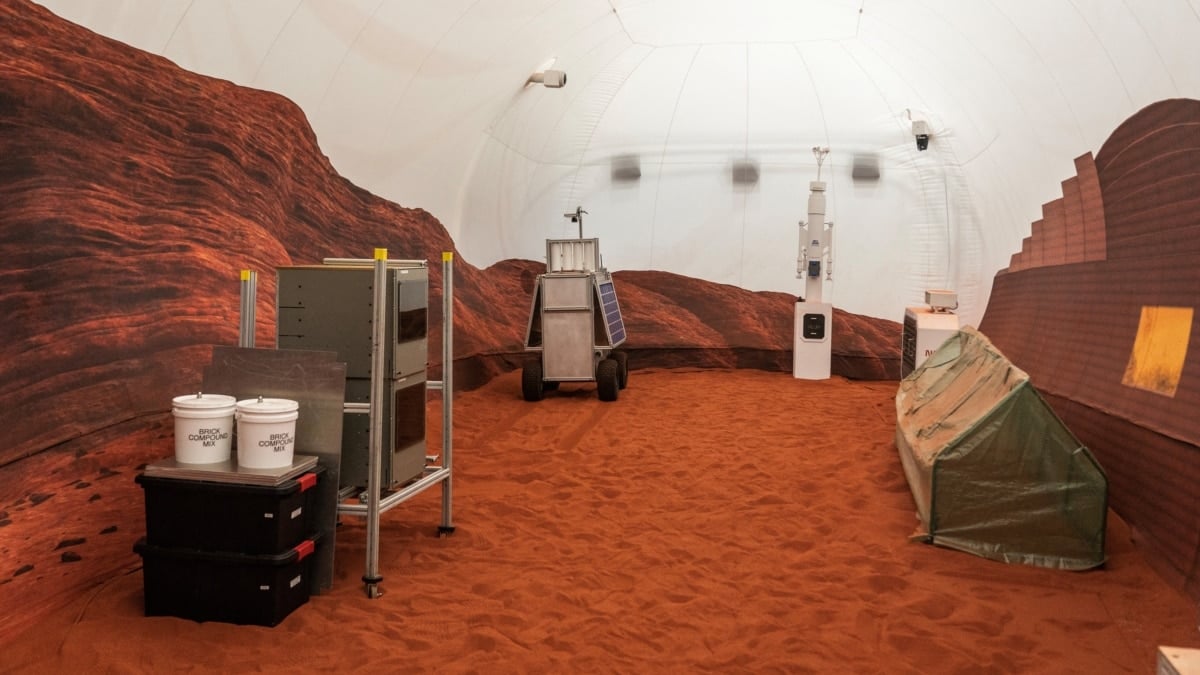
Four volunteers have moved into Mars Dune Alpha, a 3D-printed habitat designed by BIG for NASA's CHAPEA program. The volunteers, consisting of a research scientist, an engineer, a science officer, and a medical officer, will spend one year living and working inside the structure to evaluate its feasibility for long-duration missions to Mars. The simulation will help NASA gather data on cognitive and physical performance, resource limitations, equipment failure, communication delays, and other environmental stressors. The habitat was 3D-printed by Icon and is located at the Johnson Space Center in Houston.

science2 years ago

Shark jaw shapes reveal habitat-driven evolution.

An international research team led by the University of Vienna investigated how the jaw shape of sharks has changed over the course of evolution. They conclude that in the most widespread shark species, the jaws show relatively little variation in shape over millions of years; most variable jaws were found for deep-sea sharks. The results illustrate the importance of prey, level in the marine webs and habitat in relation to jaw shape diversity among shark species.

science-and-technology2 years ago

Ants Make Surprising Appearances in Unexpected Places.

The American Museum of Natural History has created a new exhibit of half a million leafcutter ants, which took six years to develop. The ants were slow to adjust to their new home, failing to harvest enough leaves to sustain their fungal gardens. The museum designed a sprawling, open exhibit made from lab-tested, “ant-approved” materials, from braided stainless steel to old-fashioned Legos. The team stocked the foraging area with blackberry bramble and filled the surrounding moat with water to help keep the ants contained. The ants have finally completed the entire route and even began winding their way across an elevated maze detour.

science-and-technology2 years ago

"NASA's Year-Long Mars Habitat Simulation Prepares for First 'Astronauts'"

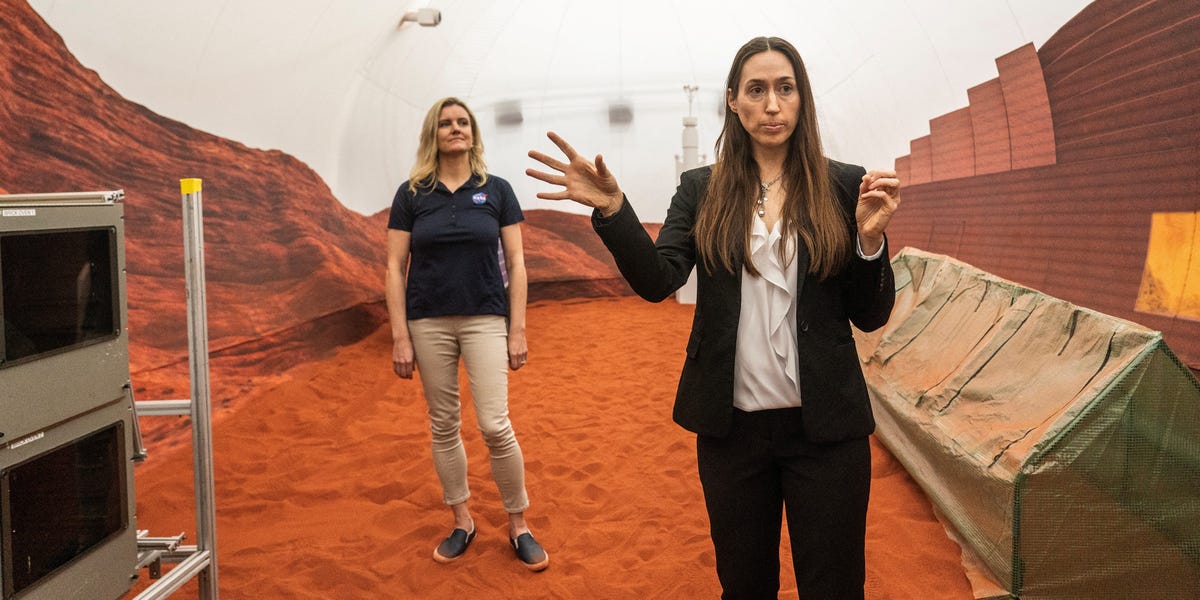
NASA has unveiled a simulated Mars environment where four non-astronaut volunteers will live for one year to help the agency prepare for sending humans to the planet. The 160-square-meter habitat, built using 3D printing technology, will recreate environmental pressures that future visitors to Mars could face. The volunteers will take part in many different activities, including simulated spacewalks, robotic work, caring for the habitat, exercising and planting crops. The habitat is part of a NASA program known as the Crew Health and Performance Exploration Analog (CHAPEA) and is expected to include a total of three simulated environments.

space2 years ago

Exploring Mars: NASA's Habitat and Simulation Projects.

NASA has unveiled its Mars habitat, named Crew Health and Performance Exploration Analog (CHAPEA), where four volunteers will spend a year in a trial for astronauts who may visit Mars in the future. The habitat has been constructed via 3D printing and the volunteers will be trained to simulate situations that might occur on Mars, such as habitat maintenance, robotic operations, and 'Marswalks'. The crew will also face realistic stressful situations, including resource limitations and equipment failure, while scientists monitor their mental health and social dynamics.

science2 years ago

NASA's 3D-Printed Mars Habitat: A Year-Long Simulation of Life on the Red Planet

NASA has unveiled a 1,700 square-foot Mars habitat where four volunteers will live for 12 months as part of the Crew Health and Performance Exploration Analog mission. The habitat includes a sandbox, treadmills, lounge, kitchen, and even a PlayStation. The crew will conduct spacewalks, exercise, grow crops, and maintain the habitat during the mission. The habitat is based at NASA's Johnson Space Center in Houston, Texas, and the mission is projected to start in June.

science-and-technology2 years ago

"Exploring NASA's 3D-Printed Mars Habitat for Future Missions"

NASA has unveiled a new Mars-simulation habitat, where volunteers will live for a year at a time to test what life will be like on future missions to the Red Planet. The facility, created for three planned experiments called the Crew Health and Performance Exploration Analog (CHAPEA), is located at the US space agency’s massive research base in Houston, Texas. Four volunteers will begin the first trial this summer during which NASA plans to monitor their physical and mental health to better understand humans’ fortitude for such long isolation.

nature2 years ago

Grizzly Emerges from Hibernation in Captivating Video

A park in British Columbia captured the moment a grizzly bear named Boo emerged from hibernation after several months. Grizzly bears slow their metabolism and heart rate during hibernation and do not eat, drink, or defecate. Researchers studying brown bears in Sweden found that some bears are more predatory than others, with one 13-year-old female killing 38 reindeer calves and 18 young moose after waking up from hibernation. The study shows differences in individual bears' predatory behavior and how this helps explain individual variation in their habitat selection.

environment2 years ago

Rare Wolverine Sighting Outside Usual Range in Oregon After 30 Years

A wolverine was spotted outside the Wallowa Mountains in Oregon for the first time in over 30 years. The sighting was verified by wildlife biologists after a couple fishing along the Columbia River near Portland snapped some images of the giant weasel before it scurried away. State biologists believe the wolverine is likely passing through Portland to find a suitable, high-quality habitat. Wolverines have rarely been seen in Oregon throughout the last century and were originally thought to have been pushed out of Oregon by 1936.