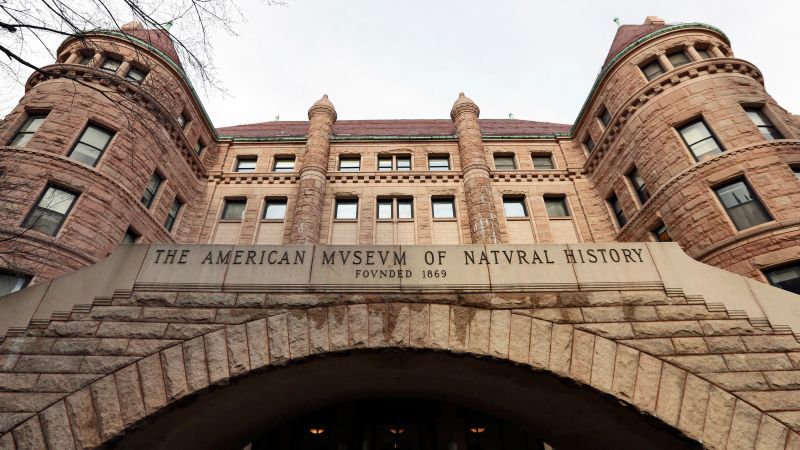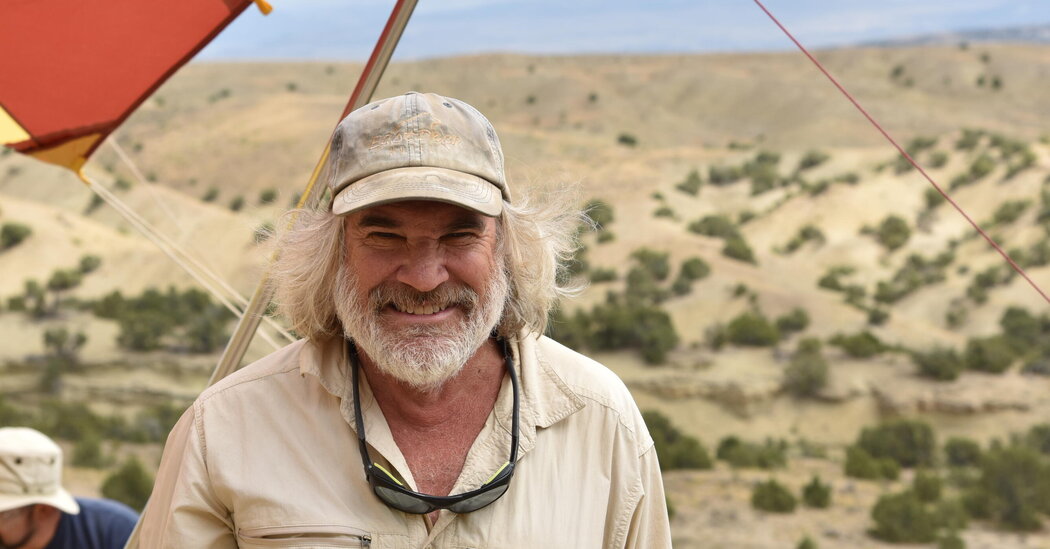
Mark Norell, a renowned paleontologist known for his research on the evolutionary connection between dinosaurs and birds and his expeditions worldwide, died at 68 due to heart failure. He was a key figure at the American Museum of Natural History, where he curated exhibitions and led fossil hunts in various countries.

Carter Emmart, the longtime director of astro-visualization at the Hayden Planetarium, is retiring after nearly three decades of creating immersive planetarium shows that explore the universe, but he is eager to explore new galaxies beyond his current role.
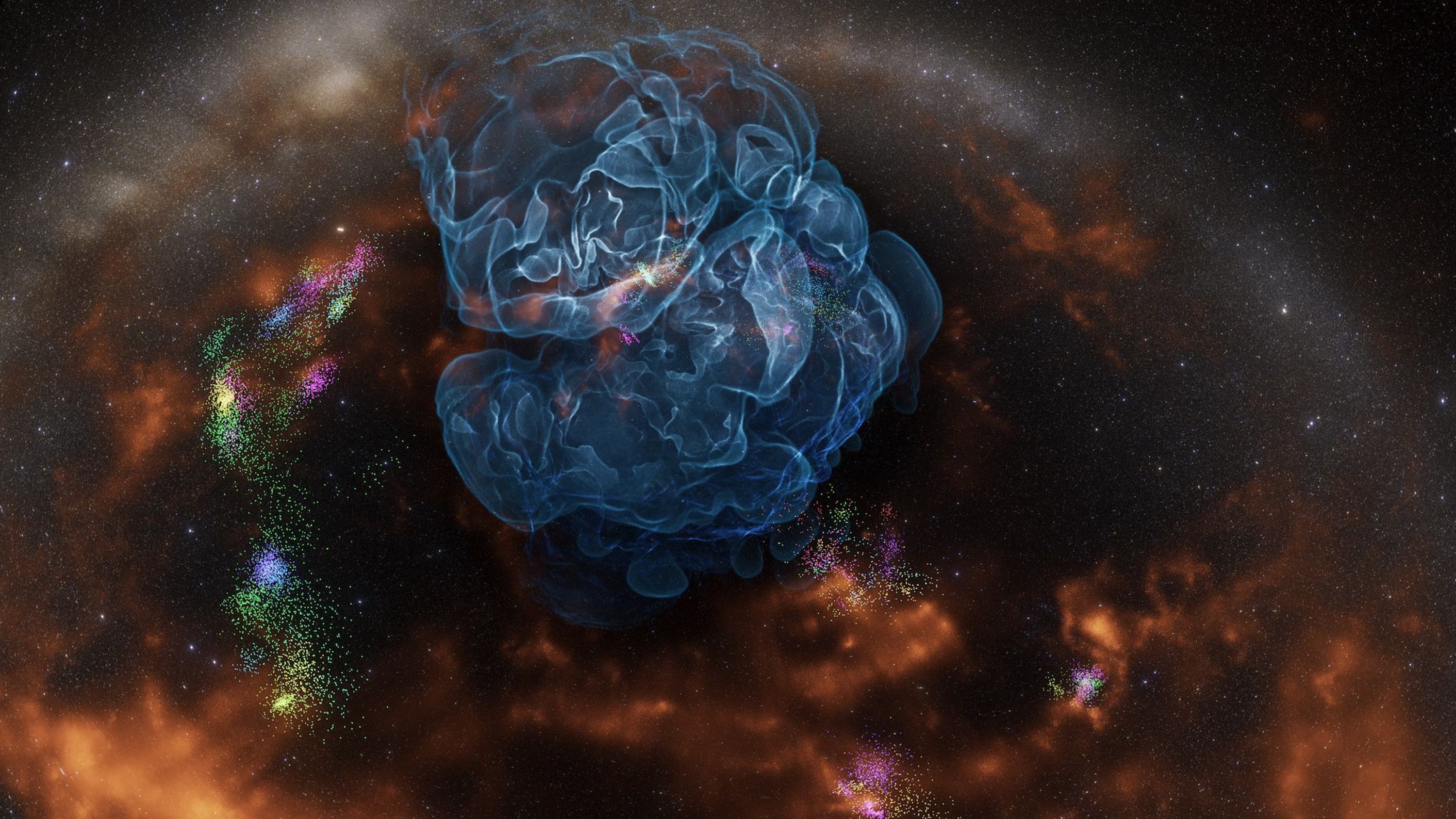
Pedro Pascal narrates a new space show at the American Museum of Natural History's Hayden Planetarium, offering a visually stunning 20-minute journey through the Milky Way that combines scientific research with immersive visualization, including a recent discovery of a spiral-shaped structure in the Oort cloud.
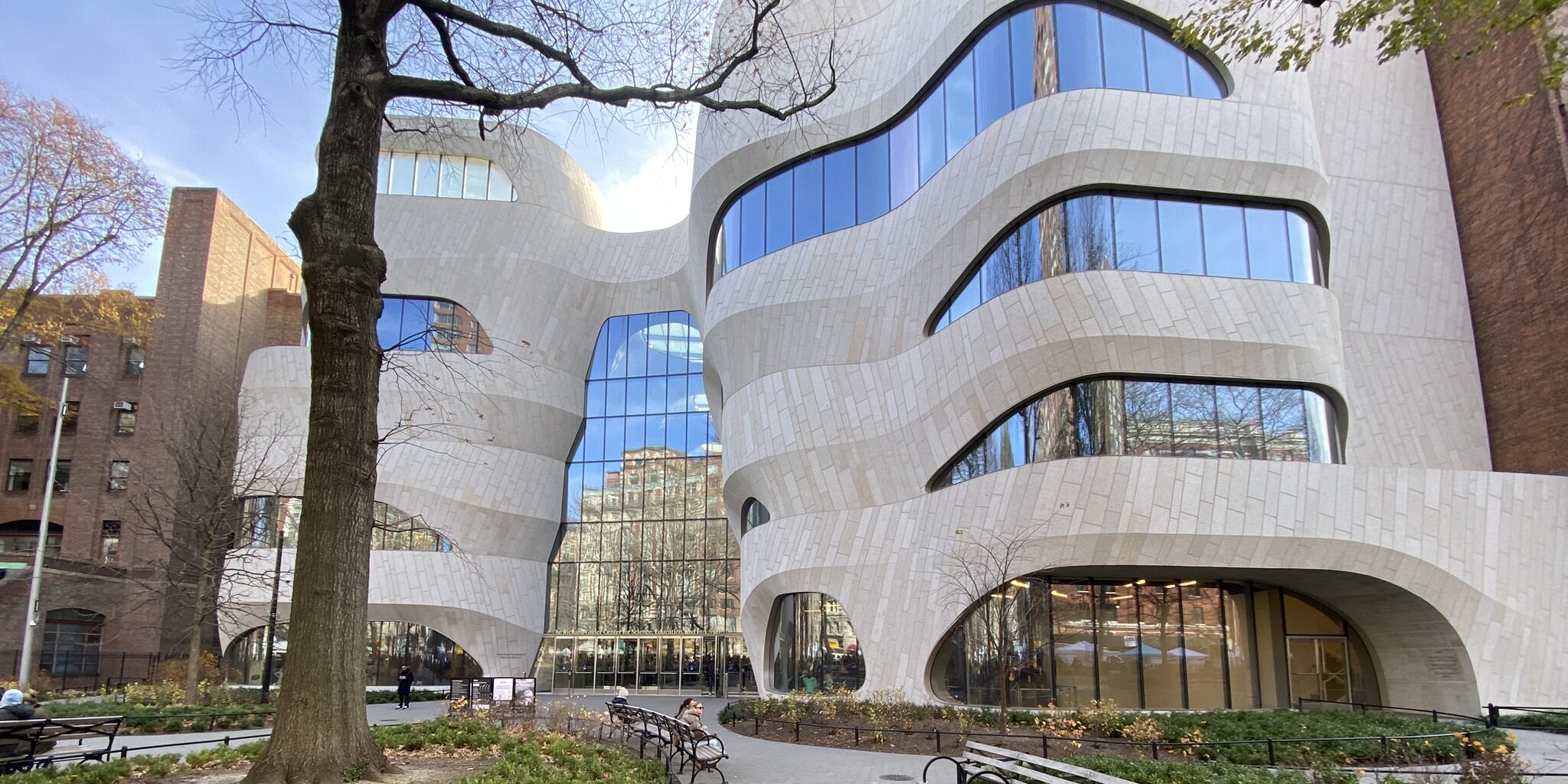
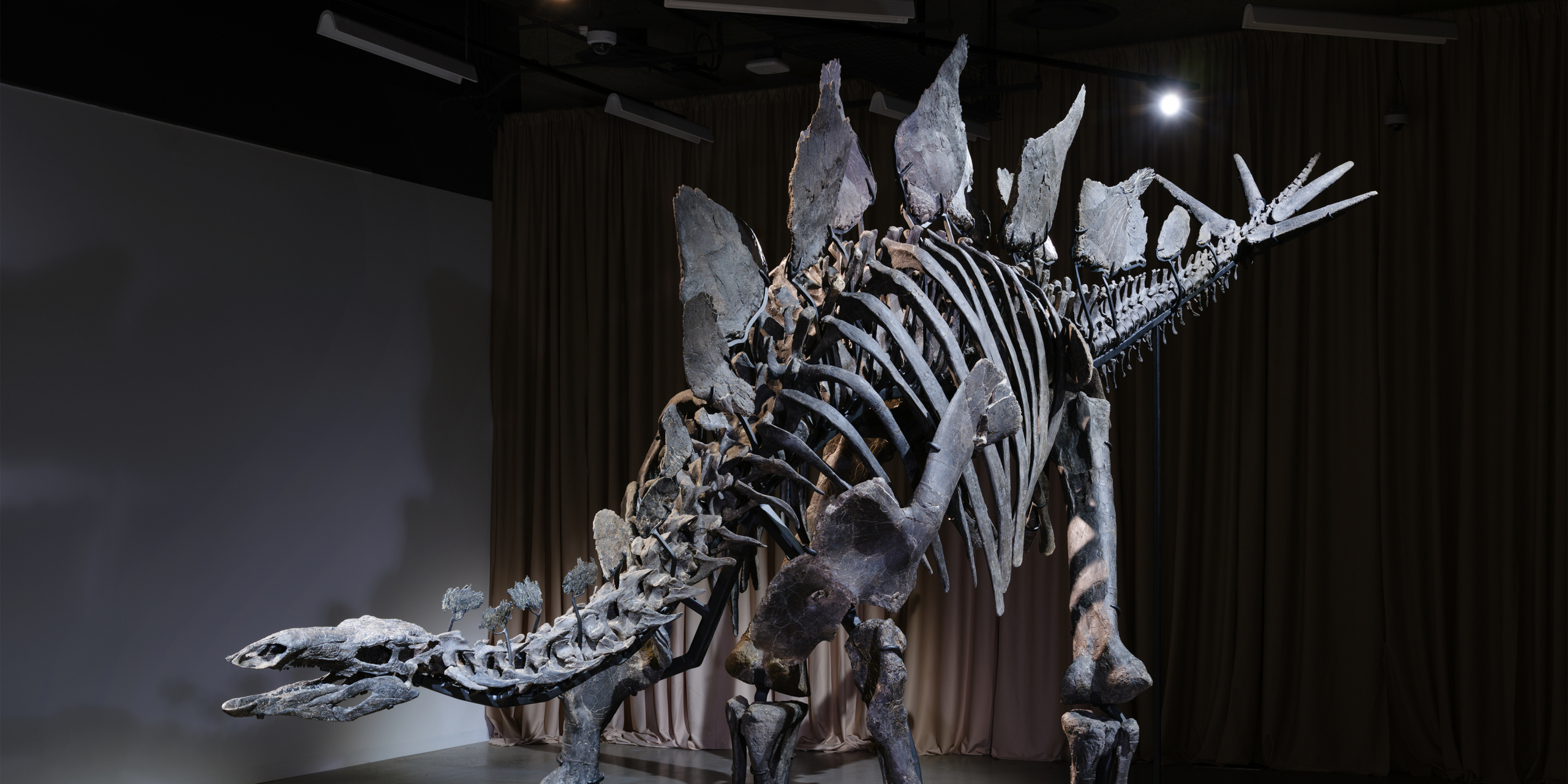
The Richard Gilder Center for Science, Education, and Innovation, a new wing of the American Museum of Natural History, offers a captivating experience with its unique architecture and diverse exhibits. Highlights include the impressive stegosaurus fossil named Apex, the Susan and Peter J. Solomon Family Insectarium, the Davis Butterfly Vivarium, and the immersive Invisible Worlds video experience. The center's design and interactive displays make it a must-visit for families and visitors of all ages.
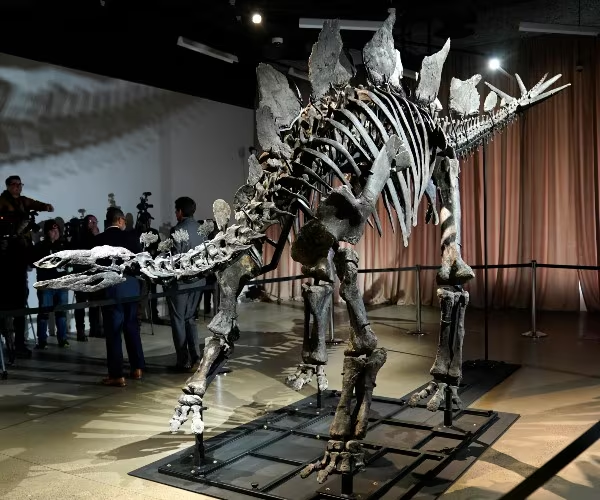
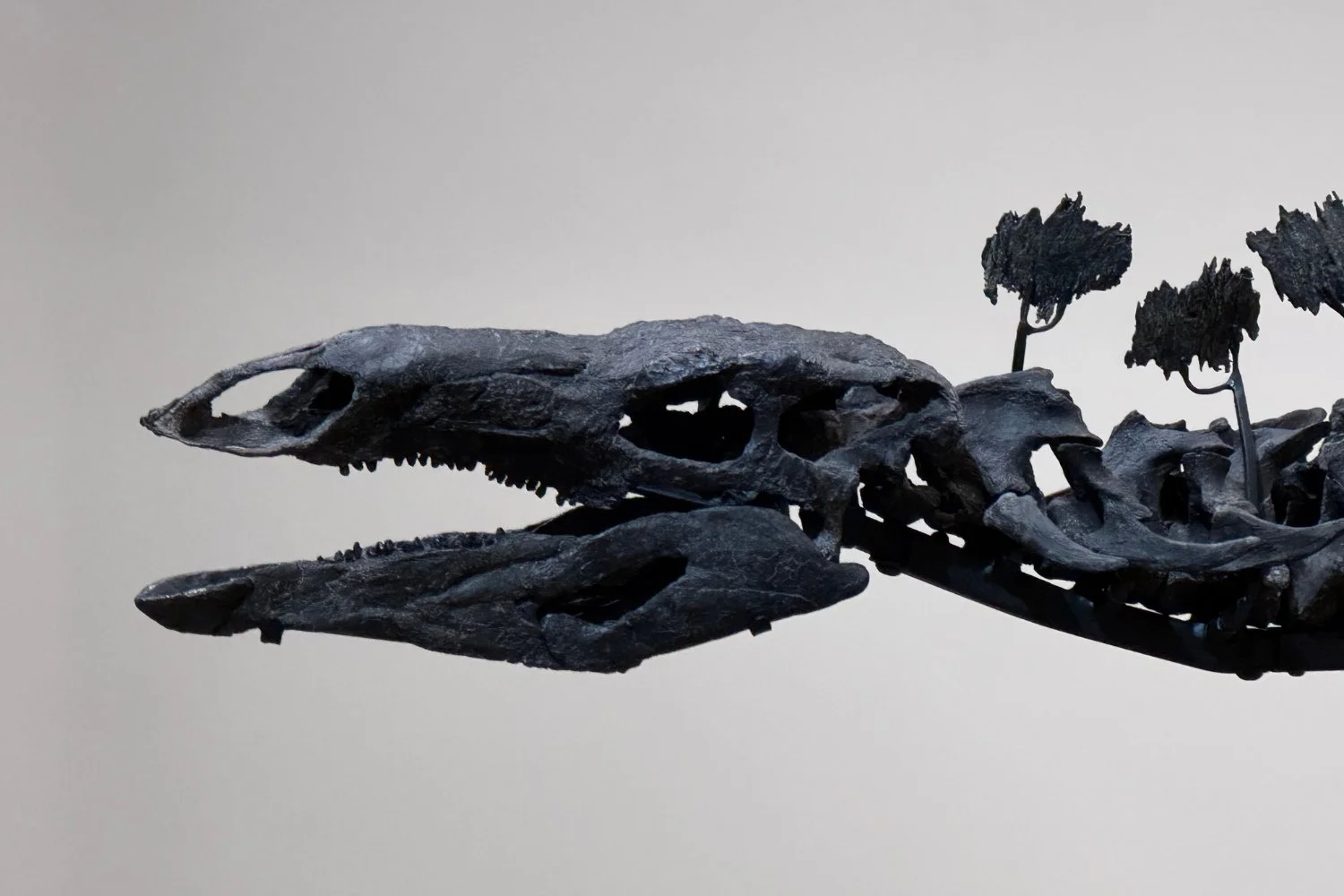
The American Museum of Natural History is showcasing a new Stegosaurus named "Apex," believed to be the largest ever found, starting December 8. This 11.5-foot-tall, 27-foot-long dinosaur is 80% complete and is on a four-year loan from financier Kenneth C. Griffin, who purchased it for $45 million. Discovered in 2022 in Colorado, Apex will provide valuable scientific data and is displayed in a defensive pose. It will eventually join the museum's fourth-floor collection next fall.
Bill Belichick made a rare red carpet appearance with his girlfriend Jordon Hudson at The Museum Gala in New York City, amid rumors of his potential candidacy for the head coaching position at the University of North Carolina. The event marked the couple's first major public outing together, following Belichick's split from longtime girlfriend Linda Holiday. Belichick, a six-time Super Bowl champion, is reportedly one of several candidates for the UNC job, despite his lack of college coaching experience.
The American Museum of Natural History in New York has unveiled 'Apex,' one of the most complete Stegosaurus skeletons ever discovered. This 11-foot-tall, 20-foot-long fossil, found in Colorado and auctioned for $44.6 million, is on loan to the museum. Stegosaurus, a herbivorous dinosaur known for its distinctive plates and spiky tail, lived in North America during the Jurassic Period. The exhibit has generated excitement due to the dinosaur's iconic status and the fossil's completeness.
Hedge fund billionaire Ken Griffin has purchased a nearly complete stegosaurus fossil, named Apex, for $44.6 million, which will be displayed at the American Museum of Natural History for four years. Discovered in Colorado in 2022, Apex is one of the largest stegosaurs ever found, measuring 11 feet tall and 27 feet long. Museum paleontologists plan to study the fossil to gain insights into the growth and metabolic rate of stegosaurs, with a focus on its femur. Apex's skeleton was well-preserved, with a notable self-inflicted wound from its tail spike.
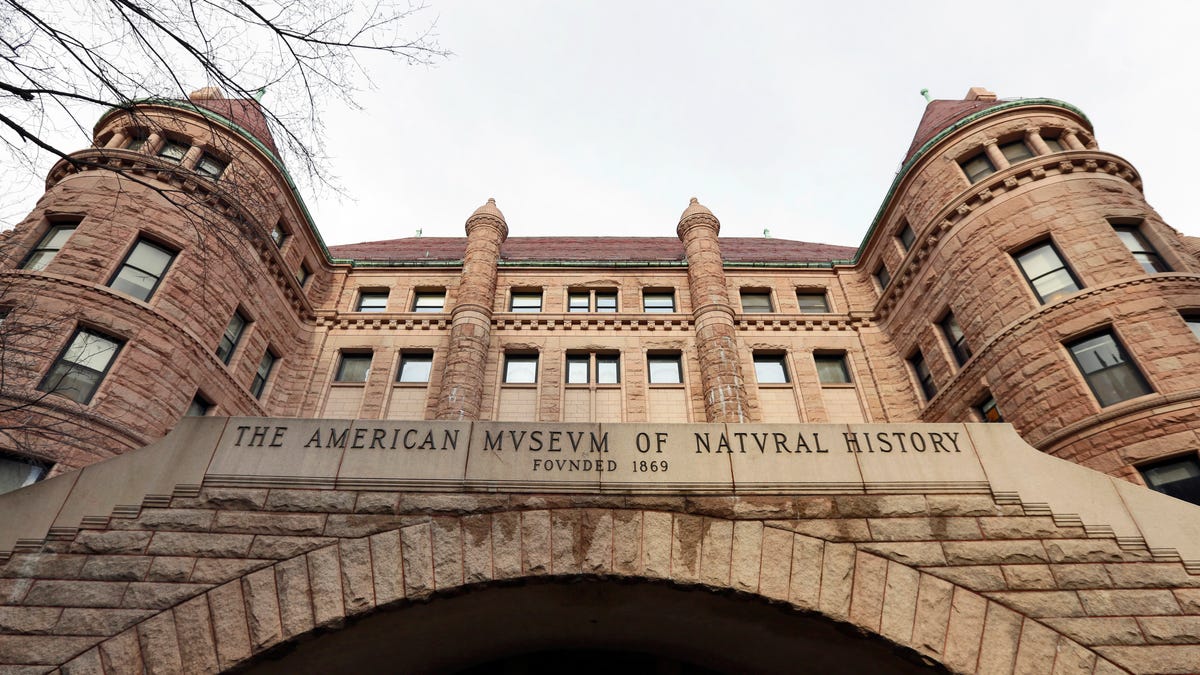
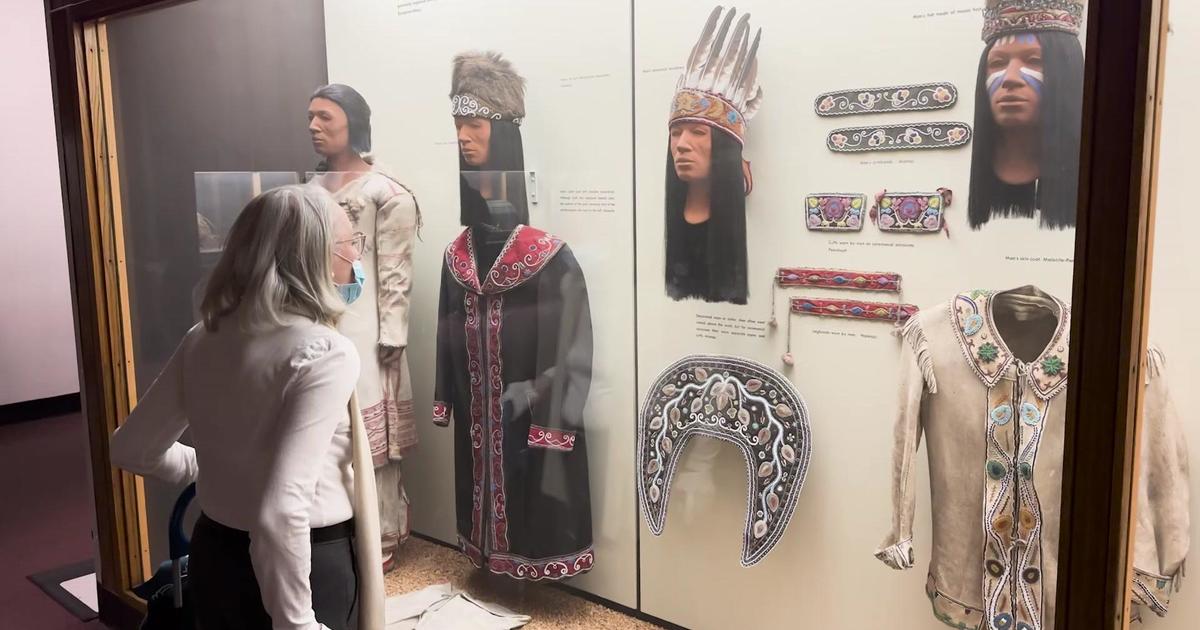
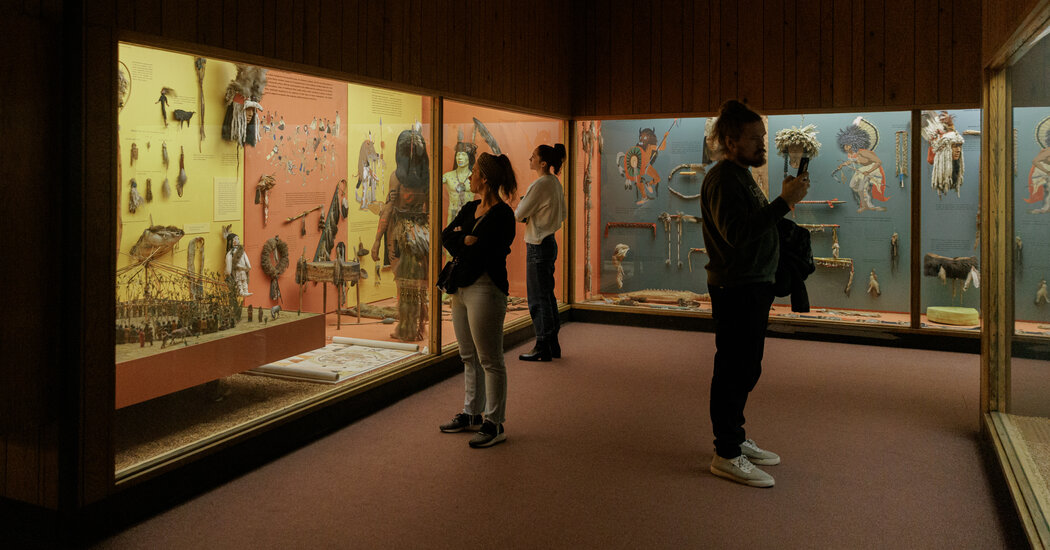
The American Museum of Natural History closed its Native American exhibits to comply with updated federal regulations, prompting disappointment from visitors who were not given prior notice. A tribal leader suggested that the museum could have avoided the sudden shutdown by working with tribes earlier. The closures are a result of the revamped Native American Graves Protection and Repatriation Act, requiring the return of human remains and cultural items to recognized tribes. The museum plans to consult with tribes before displaying the artifacts again, emphasizing the importance of providing proper context and acknowledging the vibrancy of indigenous communities.
The American Museum of Natural History in NYC has closed two exhibit halls containing Native American artifacts to comply with new federal regulations under the Native American Graves Protection and Repatriation Act (NAGRPA), which now requires consultation and consent to display items. Other institutions have also made similar changes. The museum president stated that the exhibits are outdated and closing them reflects a growing urgency among museums to change their relationships to and representation of Indigenous cultures. The closures affect the Eastern Woodlands and Great Plains halls, which contained a significant number of cultural objects.
New York's American Museum of Natural History is closing two halls featuring Native American artifacts in compliance with updated federal regulations requiring permission from tribes to display their objects. The move follows the recent revisions to the Native American Graves Protection and Repatriation Act (Nagpra), giving more authority to tribes and mandating museums to obtain consent for showcasing or researching human remains or cultural items. The closures signal a shift towards increased tribal inclusion in repatriation processes and the need for collaboration between tribes and institutions.
New York's American Museum of Natural History is closing two halls featuring Native American objects, citing their severe outdatedness and cultural sensitivity. This move reflects a growing urgency among museums to change their relationships with tribes and how they exhibit Indigenous cultures, in compliance with revamped federal regulations. Other institutions, such as the Field Museum in Chicago and Harvard University's Peabody Museum, have also taken similar steps to cover or remove Native American exhibits. The revised regulations require museums to obtain consent from tribes for exhibiting and conducting research on Indigenous artifacts, including human remains and cultural objects, with a focus on repatriation.
Museums across the United States are closing or adapting exhibits featuring Native American artifacts in response to new federal regulations requiring consultation, collaboration, and consent from descendants of Indian Tribes or Native Hawaiian Organizations. The goal is to expedite the return of Native American remains and sacred items to tribes. The American Museum of Natural History in New York is closing two halls featuring Native American objects due to the new regulations, acknowledging the need to change their representation of Indigenous cultures.
The American Museum of Natural History is closing two major halls and covering display cases featuring Native American cultural items in response to new federal regulations requiring museums to obtain consent from tribes before displaying or researching these items. Museums across the country are also scrambling to comply with the new rules, with some covering up displays and others removing funerary belongings from exhibition.
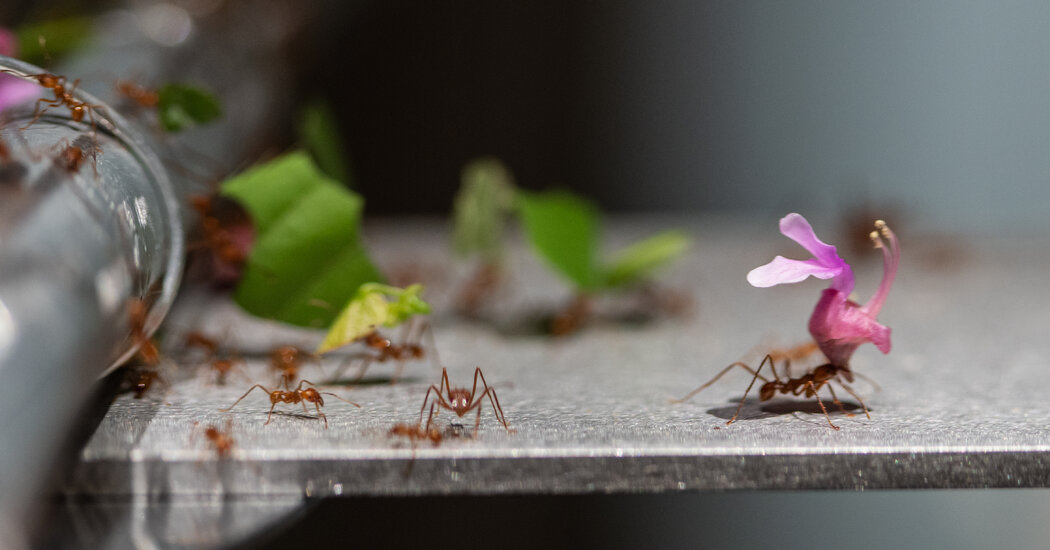
The American Museum of Natural History in New York City has been home to half a million leaf-cutter ants since December 2022. The ants, harvested in Trinidad and nurtured in Oregon, had to adjust to the cold and dry climate of New York City. Museum employees had to make adjustments to create a suitable environment for the ants, including installing a humidifier and providing a variety of leaves for foraging. Despite the challenges, the colony has thrived and grown, with the ants successfully rebuilding their fungal gardens. The museum continues to make tweaks to the exhibit to ensure the ants' well-being during the winter months.