
Tag

Forest Structure

All articles tagged with #forest structure

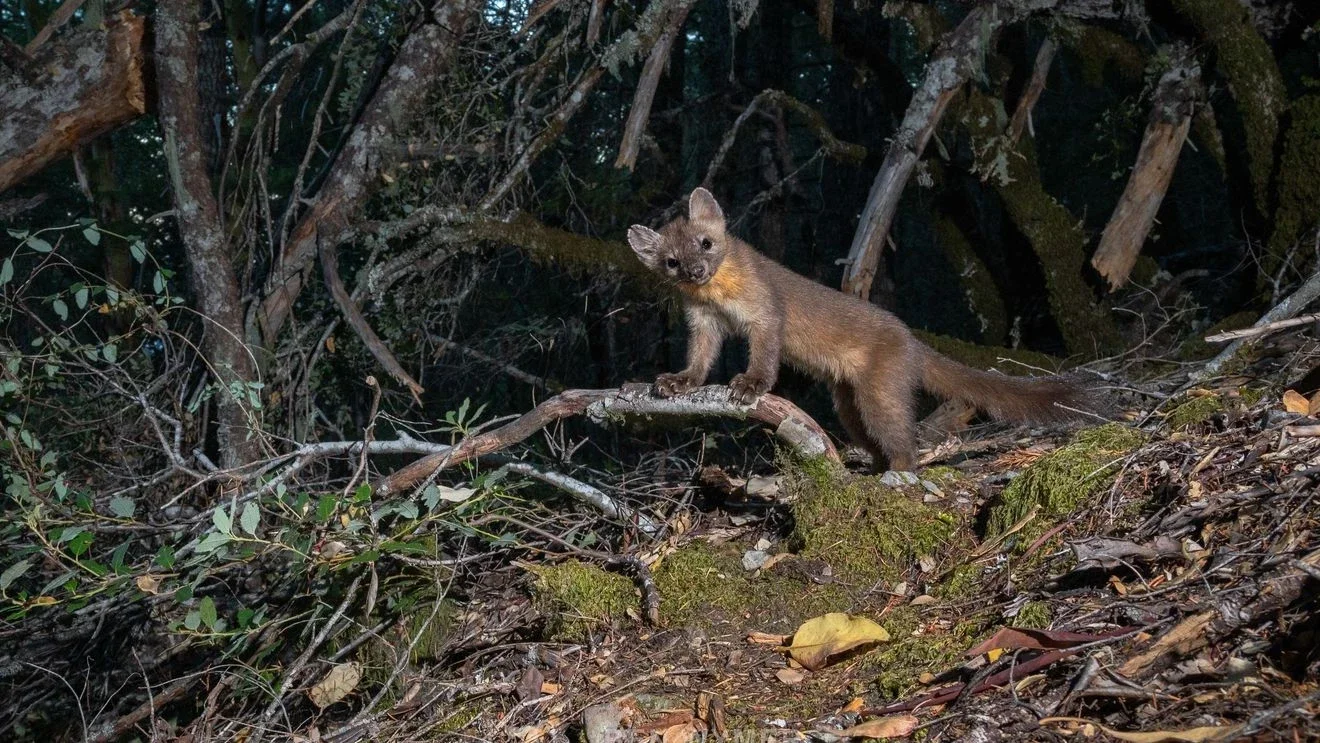
Coastal martens mapped: OSU study reveals habitat preferences and a 46-individual snapshot
science1 month ago

Coastal martens mapped: OSU study reveals habitat preferences and a 46-individual snapshot

Oregon State University researchers conducted a three-month study in 2022 in a 150-square-mile coastal area near Klamath to map the coastal marten’s population and habitat using hair-based genetic analysis, identifying 46 martens (28 males, 18 females). Martens favored high-elevation, snow-rich ridges and lower-elevation riparian/coastal forests with complex structure—forests with more than 50% canopy, many large trees, snags, and coarse woody debris. The coastal marten, once ranging from northern Oregon to northern California, declined due to fur trapping; current distribution and demography remain incompletely understood, underscoring the need for further conservation-focused research.
Amazonian Trees Grow Larger and More Resilient Amid Rising CO₂ Levels
environment5 months ago

Amazonian Trees Grow Larger and More Resilient Amid Rising CO₂ Levels

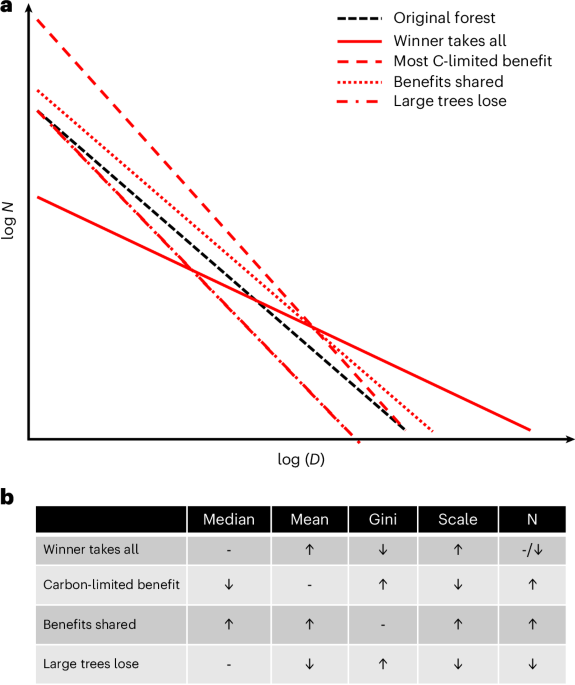
Over three decades, Amazonian forests have experienced an increase in tree size and biomass, especially among large trees, likely driven by increased atmospheric CO2 levels, with no evidence of decline in large trees despite climate-related stresses. This suggests a strengthening of the forest carbon sink, with structural changes favoring larger trees, although declines in smaller stems may impact future resilience.

Space-borne lidar: Mapping US biodiversity from above
science-and-environment2 years ago

Space-borne lidar: Mapping US biodiversity from above

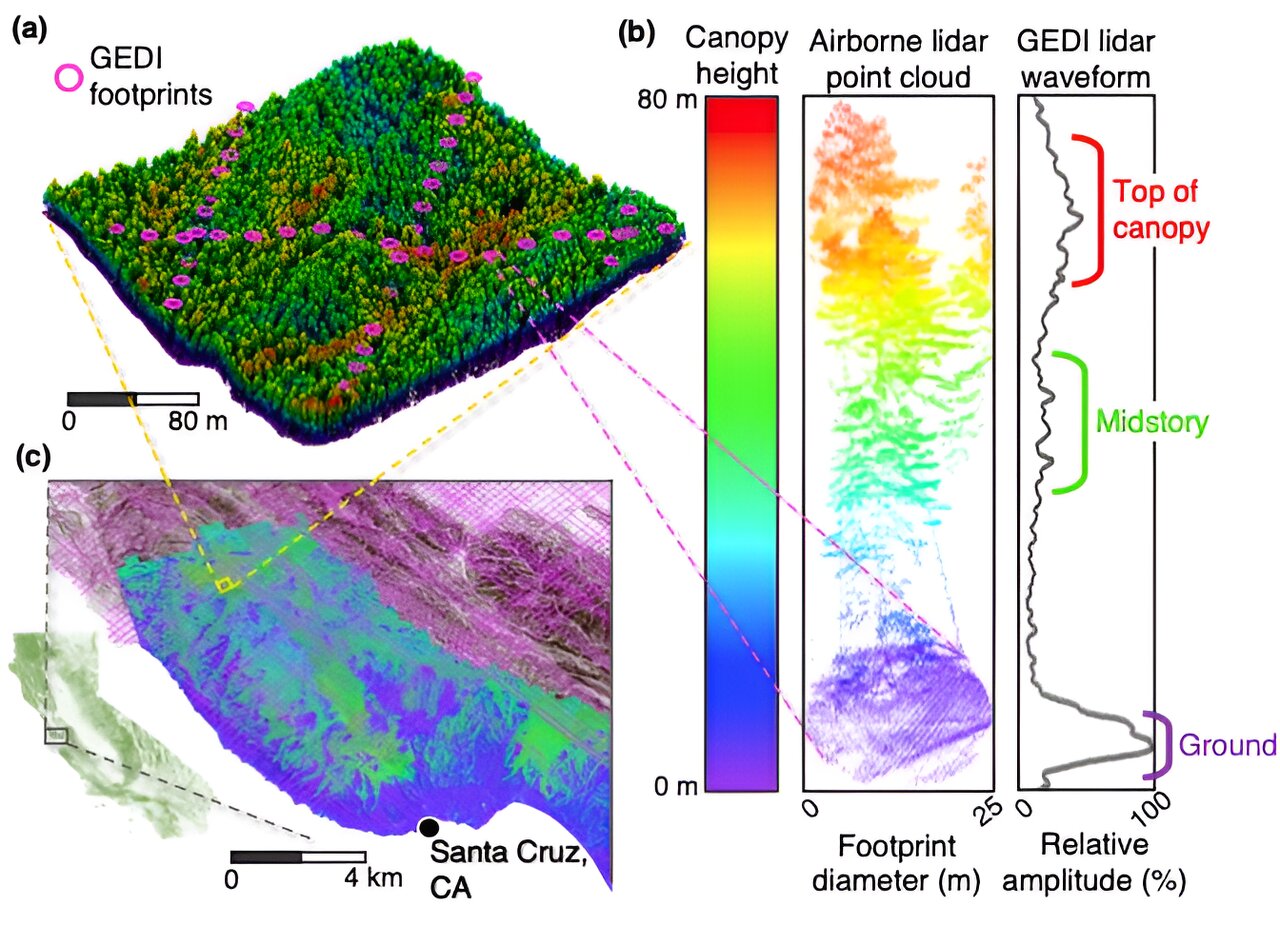
A recent study published in Environmental Research: Ecology demonstrates how NASA's Global Ecosystem Dynamics Investigation (GEDI) space-borne lidar can be used to monitor and map biodiversity across the United States. By utilizing the 3D structure of forests captured by GEDI, researchers can predict habitat for plants, animals, birds, and arboreal mammals. This innovative approach goes beyond traditional satellite imagery, providing a more accurate understanding of biodiversity and enabling the development of effective mitigation efforts to address biodiversity loss. The study highlights the urgency of mapping and monitoring biodiversity at large scales, similar to efforts made for climate change, to protect ecosystems and the future of Earth and humanity.