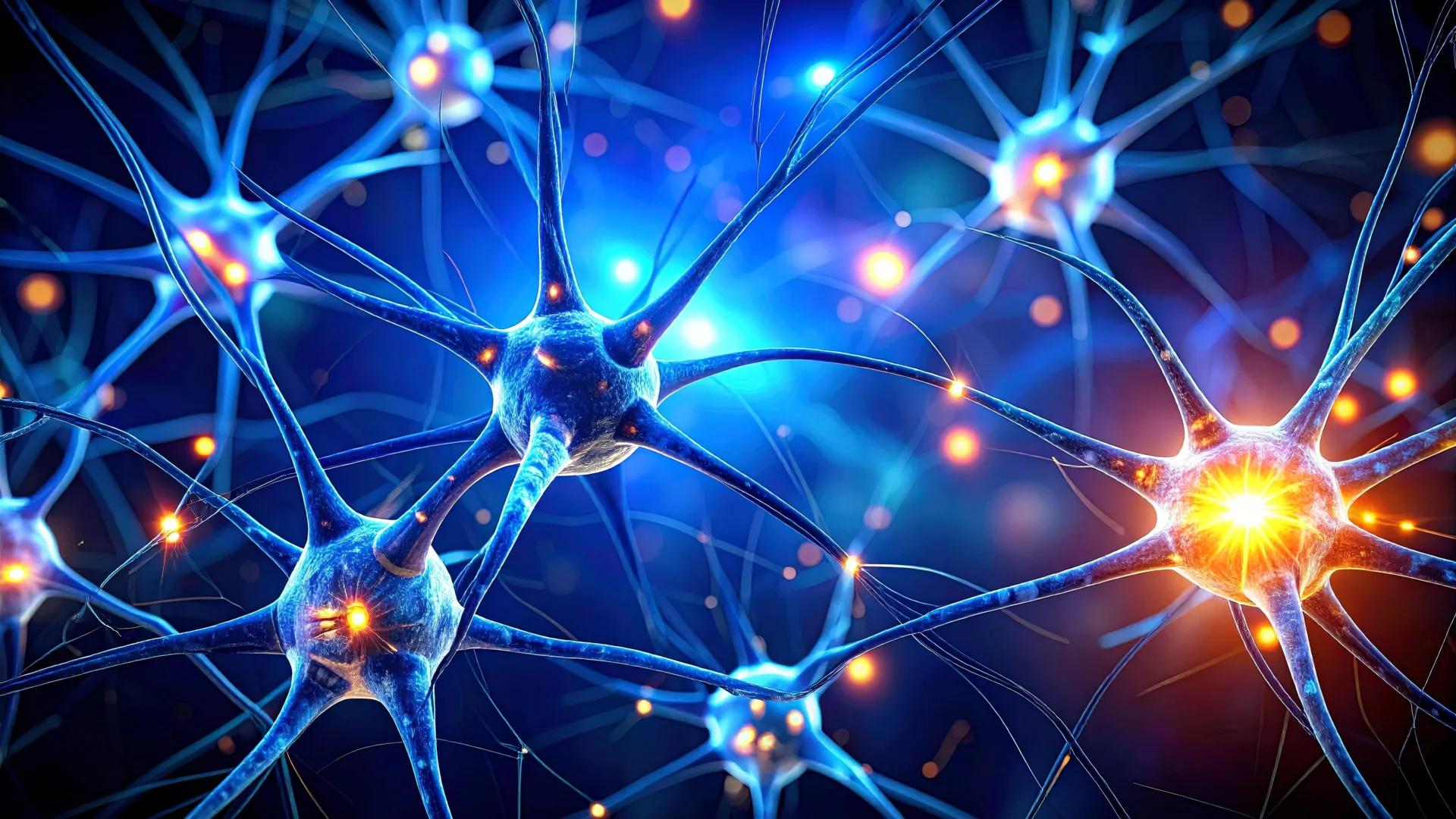
Scientists developed a protein called iGluSnFR4 that can detect incoming chemical signals in the brain, specifically glutamate, allowing researchers to observe how neurons process information in real time. This breakthrough enhances understanding of brain functions like learning and memory, and could advance research into neurological disorders and drug development.
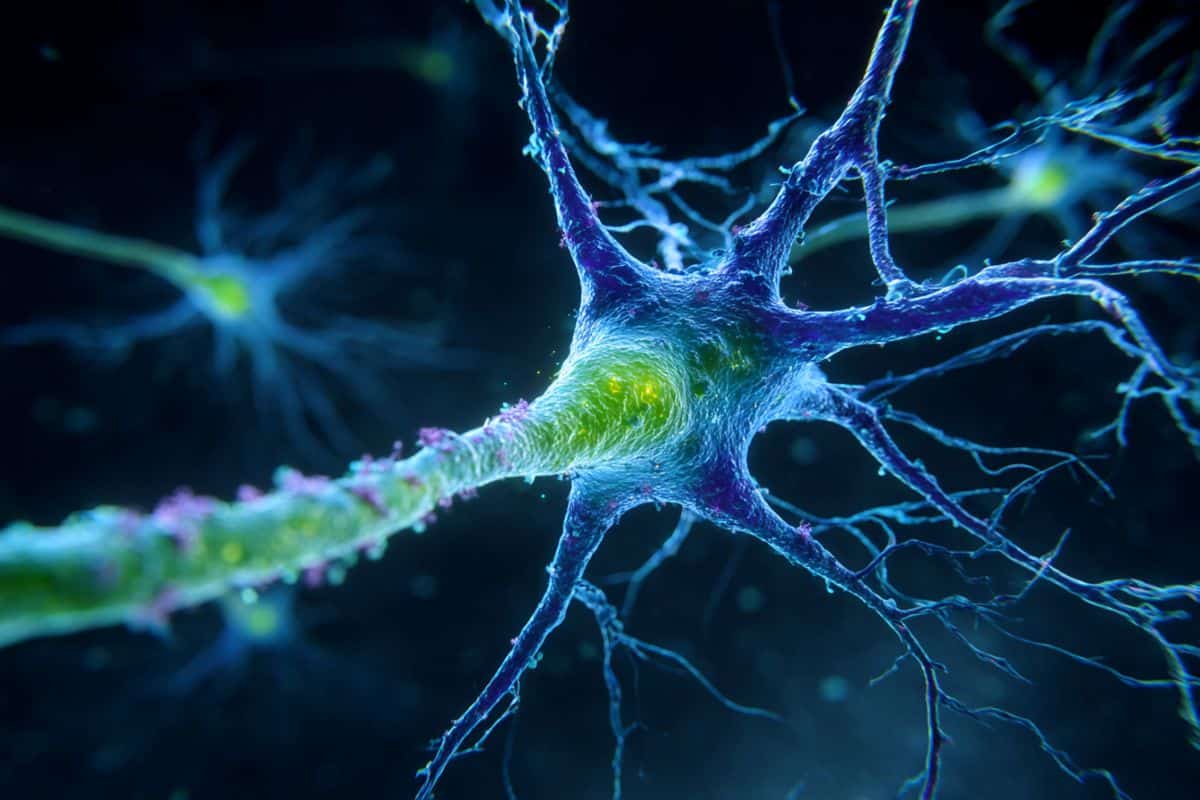
Researchers have developed iGluSnFR4, a highly sensitive protein sensor that can detect faint incoming glutamate signals between neurons in real time, enabling a deeper understanding of neural computation, brain communication, and potential insights into neurological disorders like Alzheimer's and autism.
A small study suggests that ketamine may treat depression by enhancing neuroplasticity and reorganizing brain network communication, particularly by collapsing hierarchical structures between higher and lower brain regions, which could reduce rigid thought patterns associated with depression.
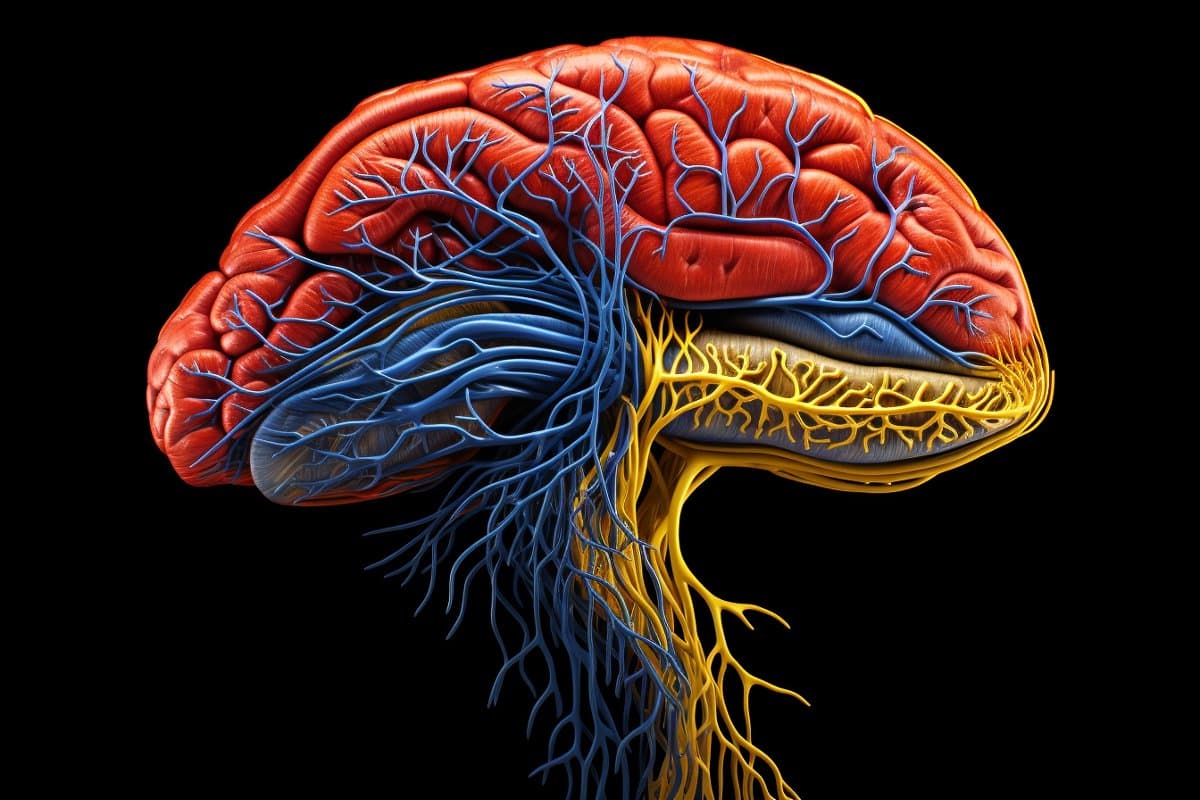
Researchers at EPFL have discovered that the human brain uniquely transmits information through multiple parallel pathways, a trait not observed in macaques or mice. Using diffusion and functional MRI data, combined with information and graph theory, the team mapped "brain traffic" and found that these parallel pathways in humans might contribute to our advanced cognitive abilities. This finding could have implications for understanding brain evolution and potential medical applications, such as neurorehabilitation and the prevention of cognitive decline.