
"Uncovering the Brain Chemical Imbalance in Obsessive-Compulsive Disorder"
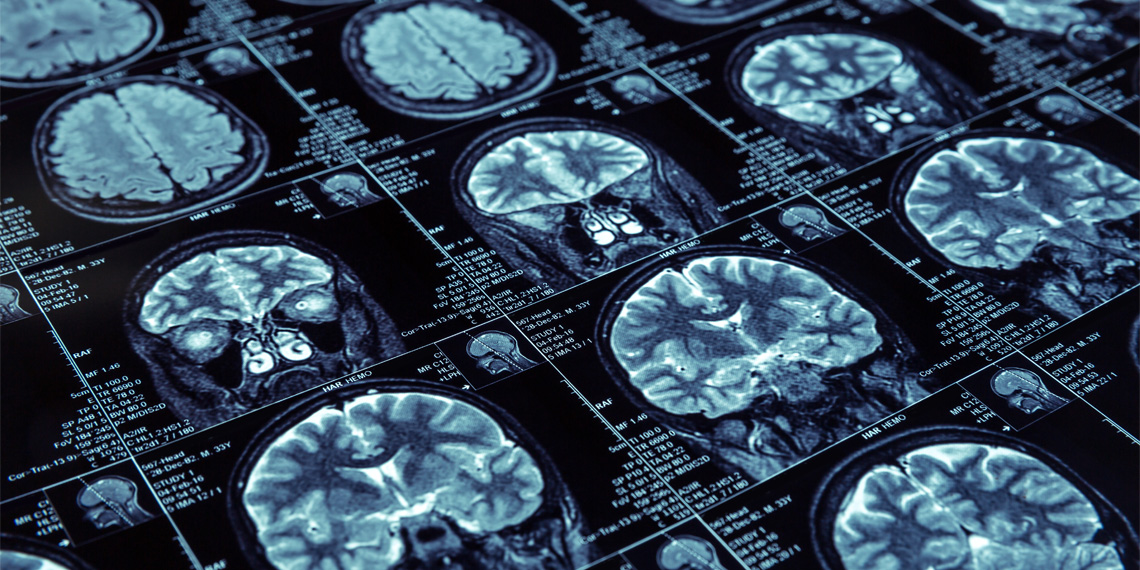
Researchers have discovered an imbalance in brain chemicals in individuals with obsessive-compulsive disorder (OCD), which could lead to improved treatments. OCD is a severe and disabling disorder characterized by obsessions and compulsions. While cognitive behavioral therapy and antidepressant drugs are commonly used treatments, many patients do not respond fully to medication. The study found that individuals with OCD had increased levels of glutamate and lower levels of Gaba in certain brain regions, potentially making those areas hyperactive. This finding raises hopes for better treatments that focus on re-balancing glutamate and Gaba levels in key brain regions, offering hope for improved quality of life for OCD patients.
Reading Insights
0
1
4 min
vs 5 min read
88%
861 → 106 words
Want the full story? Read the original article
Read on PsyPost