Tag

Gene Mutation

All articles tagged with #gene mutation

health-and-science1 year ago

"Rare Gene Mutation Found to Delay Alzheimer's Onset"

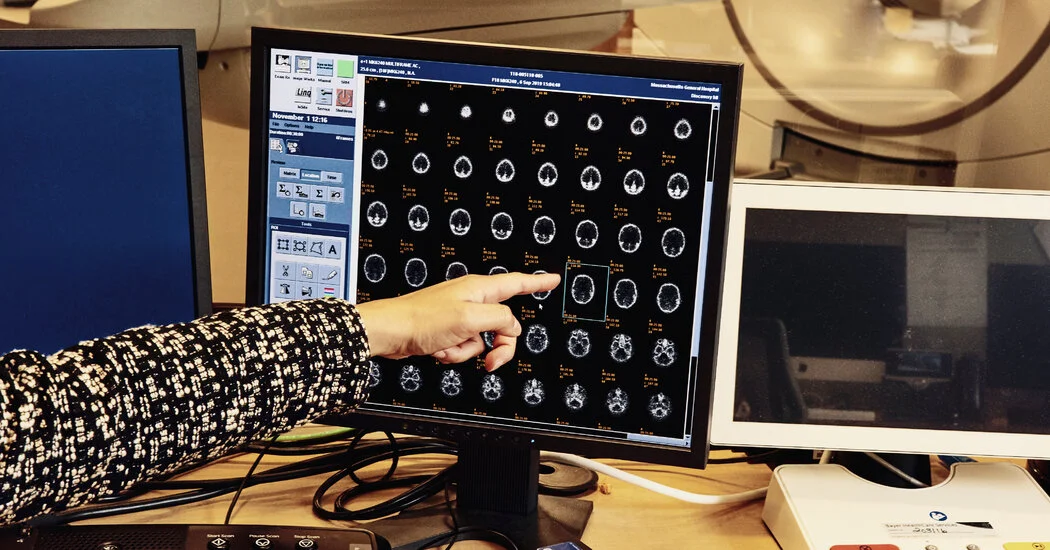
Researchers have discovered that a rare version of the APOE gene, known as the Christchurch variant, can delay the onset of Alzheimer's disease. This finding, initially observed in a Colombian woman, has been confirmed in 27 other family members, suggesting that drugs mimicking this gene could offer new treatments for Alzheimer's.

neuroscience1 year ago

"Uncovering the Link Between Gene Mutation and Autism Development"

Researchers discovered that a frameshift mutation in the KMT2C gene, leading to haploinsufficiency, models ASD-like symptoms in mice, and unexpectedly resulted in increased expression of genes linked to ASD risk. Treatment with the drug vafidemstat showed promise in correcting these abnormalities, suggesting a potential therapeutic approach for ASD and similar conditions. This study challenges the belief that ASD may not be curable and opens doors to future research for pharmacologic treatment of ASD and other neurodevelopmental disorders.

health1 year ago

"Gene Linked to ALS and Dementia Identified in New Study"

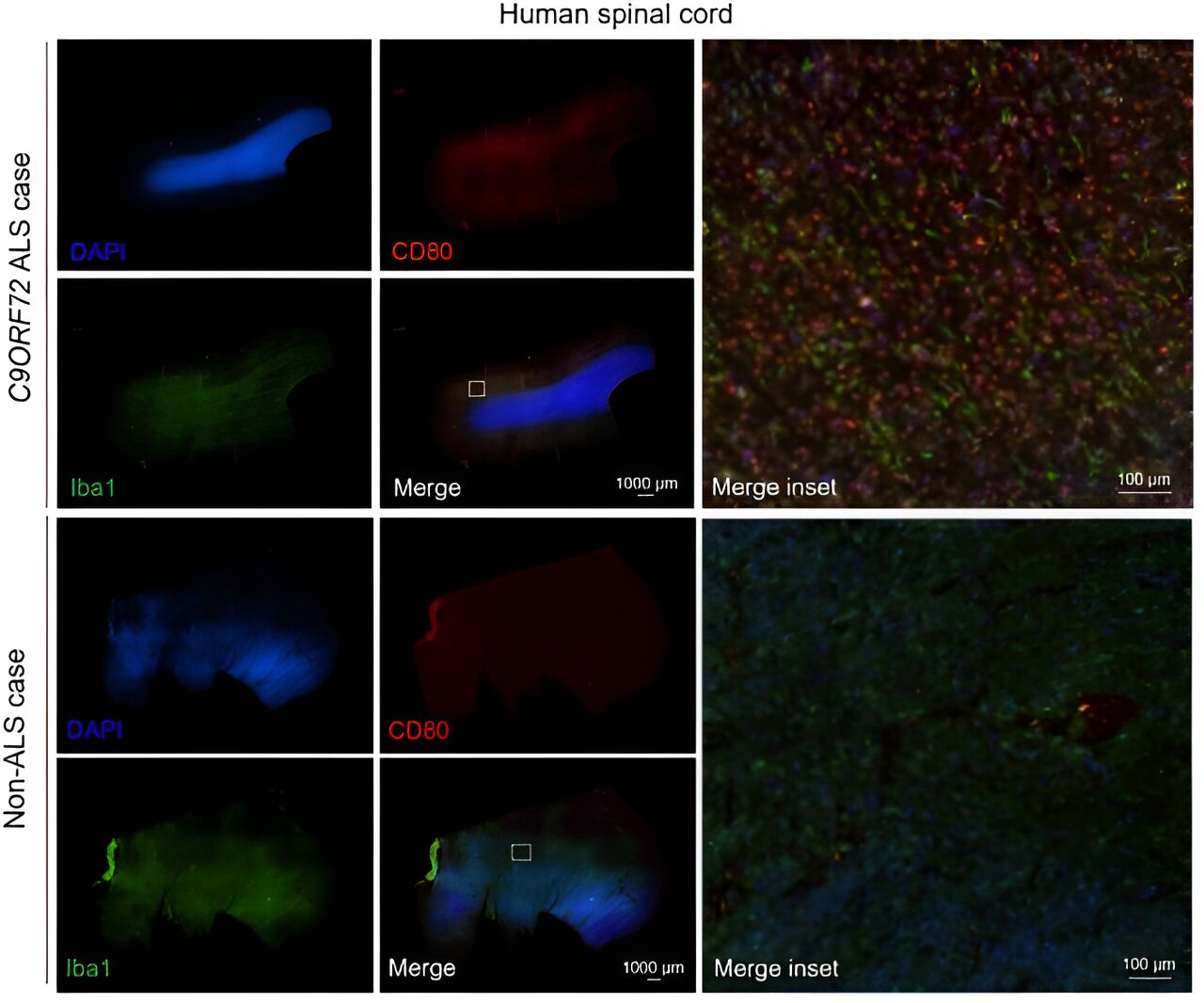
Researchers at Case Western Reserve University School of Medicine have identified a gene, C9ORF72, as a common cause of ALS and frontotemporal dementia. The mutant gene influences the immune system by regulating the production of Interleukin 17A (IL-17A), a potent inflammatory molecule. Blocking IL-17A in mouse models with the C9ORF72 mutation led to decreased brain inflammation and improved mobility, suggesting a potential treatment for ALS patients. This discovery offers hope for future treatments to slow down or possibly reverse the progression of ALS and dementia.

health2 years ago

"Uncommon Gene Mutation Provides Alzheimer's Protection for Woman"

A Colombian woman who carried a genetic defect for Alzheimer's disease remained cognitively healthy into her 70s due to possessing two copies of a rare gene mutation known as the Christchurch mutation in the APOE gene. Researchers replicated this mutation in a mouse study and found that it breaks the link between amyloid beta accumulation and cognitive decline, preventing the accumulation of tau protein. This discovery could lead to new methods for preventing Alzheimer's dementia by mimicking the effects of this mutation to halt the disease's progression.

health2 years ago

"Promising Breakthrough: Gene Mutation Found to Reduce Alzheimer's Risk"

Scientists at Stanford University have discovered that a gene mutation, known as PLCG2, may play a protective role in reducing the risk of Alzheimer's disease. The mutation affects microglia immune cells in the brain, altering their response to amyloid plaques, a characteristic of Alzheimer's. While one variation of the gene impairs the microglia's ability to clear the plaques, another variation sustains working memory and helps clear the way for neurotransmitters to reach their targets. The findings suggest that promoting a neuroprotective microglial response to amyloid pathology could limit the progression of Alzheimer's disease.

neuroscience2 years ago

Unraveling Schizophrenia Mysteries: Insights from Gene Mutation

Scientists have developed a mouse model lacking the Grin2a gene, which closely mimics a rare genetic mutation associated with an increased risk of schizophrenia in humans. By studying this model, researchers have discovered significant changes in gene expression, brain cell activity, and neurotransmitter signaling, providing experimental evidence supporting the role of glutamate and dopamine in schizophrenia. The findings align with observed neurophysiological features in human patients and open up new avenues for therapeutic research and a deeper understanding of this debilitating mental disorder.

health2 years ago

Promising Breakthrough: Another Potential HIV Cure Discovered

A new case of a potential HIV cure has been reported, involving a patient known as the Geneva patient who received a stem cell transplant. Unlike previous cases, this transplant did not involve donor cells with the CCR5-delta32 genetic mutation. The patient, who had been diagnosed with HIV in 1990 and was on antiretroviral therapy (ART), received the transplant in 2018 to treat leukemia. After stopping ART three years later, the virus cannot be detected in his body. If the virus remains undetectable after another 12 months, the chances of remaining HIV-free increase significantly. This research could expand the pool of potential stem cell donors and provide valuable insights into strategies for ending AIDS.

health2 years ago

Advancements in Breast Cancer Treatment: From FDA Approval to Overcoming Resistance and Combination Therapies

A recent study presented at the American Society of Clinical Oncology has found that the breast cancer drug talazoparib may be effective against a wide range of other cancers. The study evaluated the use of talazoparib in 28 cancer patients with different types of tumors, all of whom had a specific gene mutation. Despite being heavily pretreated and having exhausted other treatment options, the patients showed a 57% rate of disease control, with 36% experiencing tumor shrinkage. The findings suggest that talazoparib and other PARP inhibitors could be used to treat cancer patients with specific gene mutations, potentially expanding treatment options for a broader range of cancers.

science2 years ago

Cracking the Code: Genetic Signal Unveils Blood-Brain Barrier Formation

Scientists at Harvard Medical School have identified a gene called spock1 that plays a crucial role in the formation and maintenance of the blood-brain barrier. The study, conducted in zebrafish and mice, found that a signal originating from neurons and produced by the spock1 gene is essential for the proper development of the barrier during embryonic stages and helps maintain its integrity in adulthood. If replicated in further animal testing and eventually in humans, these findings could lead to better strategies for drug delivery to the brain and combating barrier damage caused by neurodegeneration or stroke.

health2 years ago

AstraZeneca pill halves deaths from lung cancer.

AstraZeneca's drug osimertinib has been found to reduce the risk of death in some lung cancer patients by more than half, according to a three-year-long clinical trial. The drug was administered to patients with a specific gene mutation called EGFR, which accounts for about 10 to 15% of all lung cancer patients. The study showed that an estimated 88% of patients treated with the daily AstraZeneca pill were alive after years compared to 73% of the patients who received the placebo. The drug has been around for close to 10 years but has been used to treat metastatic, or stage four, lung cancer.

health2 years ago

Misdiagnosed Heart Palpitations Reveal Stage 4 Pancreatic Cancer in 40-Year-Old Woman.

Lindsay Gavin, a 40-year-old mother of two, was diagnosed with stage 4 pancreatic cancer after experiencing heart palpitations and abdominal cramping. Like many pancreatic cancer patients, she only noticed symptoms during the later stages of the disease. Gavin's family and friends have helped her find all possible treatment options, including chemotherapy and targeted therapy. She leans on her huge support network for emotional support and fundraising for pancreatic cancer research. Despite the grim prognosis, Gavin remains hopeful due to a rare gene mutation that allows her to try targeted therapy.

health2 years ago

Rare Genetic Mutation Shows Promise in Delaying Alzheimer's Onset

A Colombian man with a gene mutation that should have caused Alzheimer's in his early 40s developed the disease two decades later due to a second gene mutation that protected an area of his brain crucial to the disease's development, according to a study in Nature Medicine. Researchers say the second mutation points the way toward potential treatment for Alzheimer's. The study's findings suggest it's possible to have decades-long protection against the disease, says one of the study authors.

health2 years ago

Rare gene mutation delays onset of Alzheimer's disease.

Scientists have identified a second patient with a gene mutation that protects against Alzheimer's disease, which affects 6.7 million people in the United States. The man, who carried a different mutation than the first patient identified, had a brain riddled with amyloid plaques but limited tau protein tangles in a key region that is essential for memory. The discovery of these rare resilient patients may help researchers develop new therapies for the devastating disease, opening up new approaches for drug development.

health2 years ago

Rare Gene Mutation Delays Onset of Alzheimer's Disease

A man with a gene mutation that guaranteed Alzheimer's disease was protected because of another mutation in a different gene that blocked the disease from entering his entorhinal cortex. Scientists believe that Alzheimer's disease begins in this tiny area of the brain. A drug that delays the disease by two decades is not out of the question, according to researchers. The mutation results in a potent version of a protein, Reelin, in the entorhinal cortex. Animal studies are already underway, and the future may involve a combination of therapies to prevent the buildup of amyloid and tau and to delay Alzheimer's.