Tag

Animal Model

All articles tagged with #animal model

animal-science1 year ago

"Canine Aging and Intelligence: The Impact of Socialization and Exercise on Dementia Prevention"

A study by researchers at ELTE reveals that dogs possess a general cognitive factor, akin to the 'g factor' in humans, encompassing problem-solving and learning abilities, which declines with age and is influenced by health status. This finding not only advances our understanding of canine cognition and its parallels with human intelligence but also underscores the potential of dogs as model species for aging research.


neuroscience2 years ago

Uncovering Genetic and Therapeutic Breakthroughs in Treatment-Resistant Depression

Researchers have identified a gene called LHPP that interacts with stress and plays a crucial role in treatment-resistant Major Depressive Disorder (MDD) using an animal model. Increased expression of LHPP worsened depression-like behaviors in stressed mice, while esketamine showed promise in alleviating this form of depression. The study highlights the complex interplay between genetic risks and environmental factors in the development of MDD and suggests LHPP as a potential therapeutic target for MDD treatment.

neuroscience2 years ago

Unraveling Schizophrenia Mysteries: Insights from Gene Mutation

Scientists have developed a mouse model lacking the Grin2a gene, which closely mimics a rare genetic mutation associated with an increased risk of schizophrenia in humans. By studying this model, researchers have discovered significant changes in gene expression, brain cell activity, and neurotransmitter signaling, providing experimental evidence supporting the role of glutamate and dopamine in schizophrenia. The findings align with observed neurophysiological features in human patients and open up new avenues for therapeutic research and a deeper understanding of this debilitating mental disorder.

science-and-research2 years ago

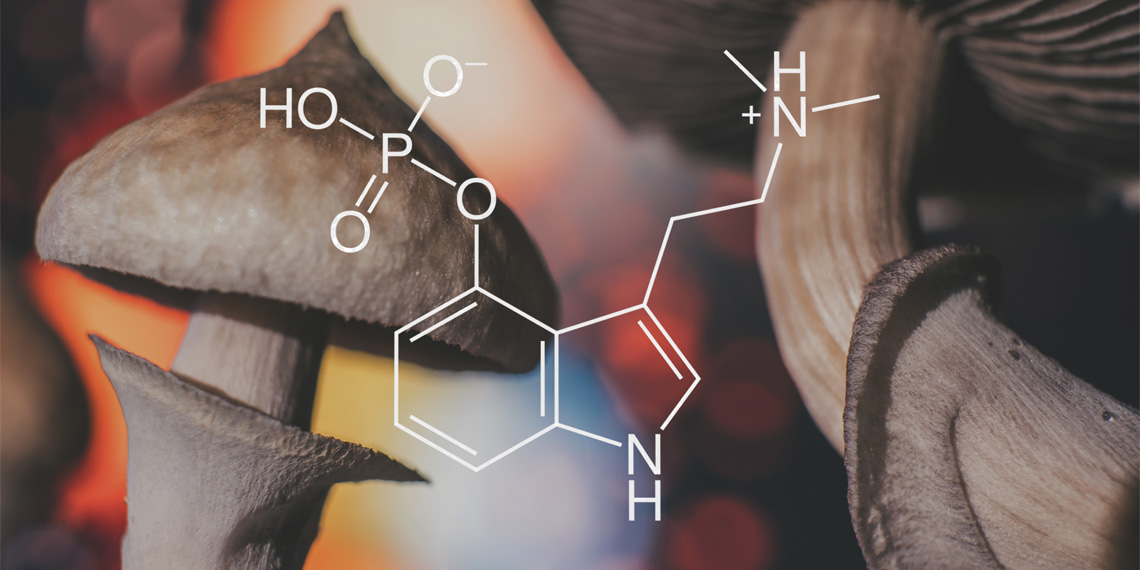
Exploring the Potential of Psilocybin: Alleviating Cognitive Deficits, Treating Chronic Pain, and Comparing Effects to Antidepressants

Psilocybin, a naturally occurring psychedelic compound found in certain mushrooms, has been found to have antidepressant-like effects and improve cognitive function in a rat model of depression induced by chronic stress. The study highlights the potential therapeutic applications of psychedelics and the need for further research to understand the underlying mechanisms. The researchers used a chronic stress-based model in female rats and found that a single dose of psilocybin reversed cognitive deficits and reduced depressive-like behavior. The study suggests that psilocybin may promote functional plasticity in the brain rather than structural changes. However, the exact molecular mechanisms behind these effects remain unclear and require further investigation.