Tag

Ancient History

All articles tagged with #ancient history

archaeology1 year ago

12,000-Year-Old Artifacts in Israel May Reveal Origins of Wheel Technology

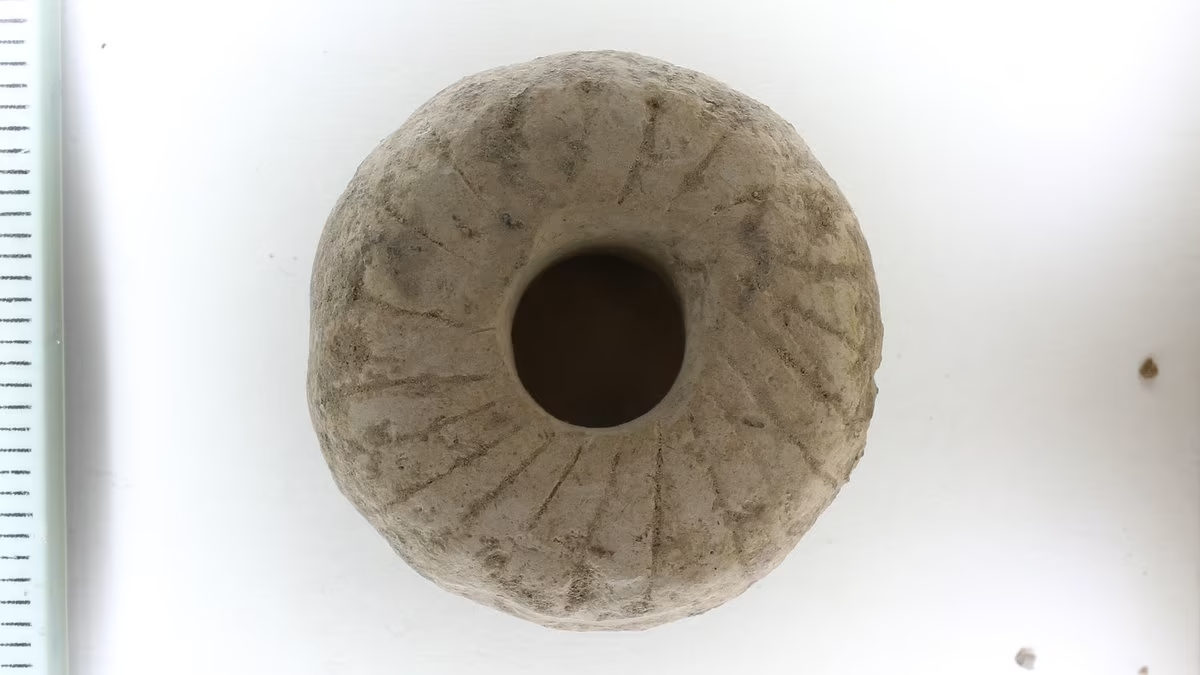
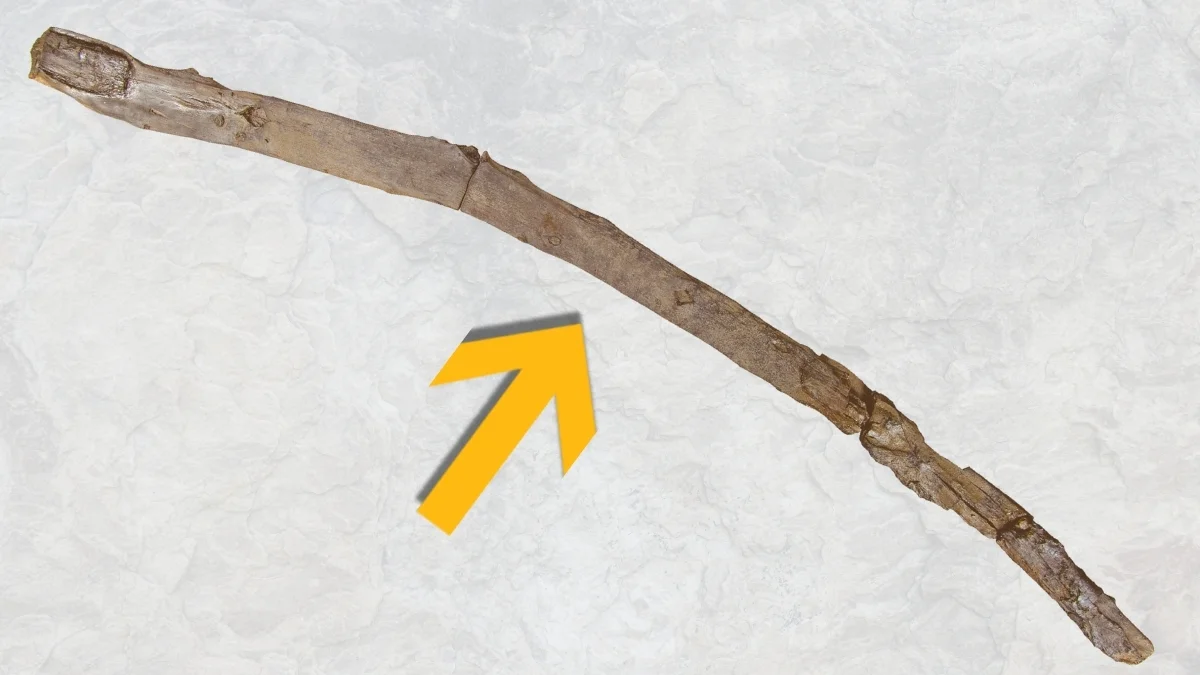
Researchers from the Hebrew University of Jerusalem have discovered perforated pebbles at the Nahal-Ein Gev II site in Israel, dating back 12,000 years, which may represent the earliest use of wheel-like tools. These stones, believed to be spindle whorls, were used to spin fibers and are considered a precursor to later wheel-based technologies like the potter's wheel and cart wheel. This finding challenges the traditional timeline of wheel invention, previously thought to have originated around 4000 BC in Mesopotamia.

science1 year ago

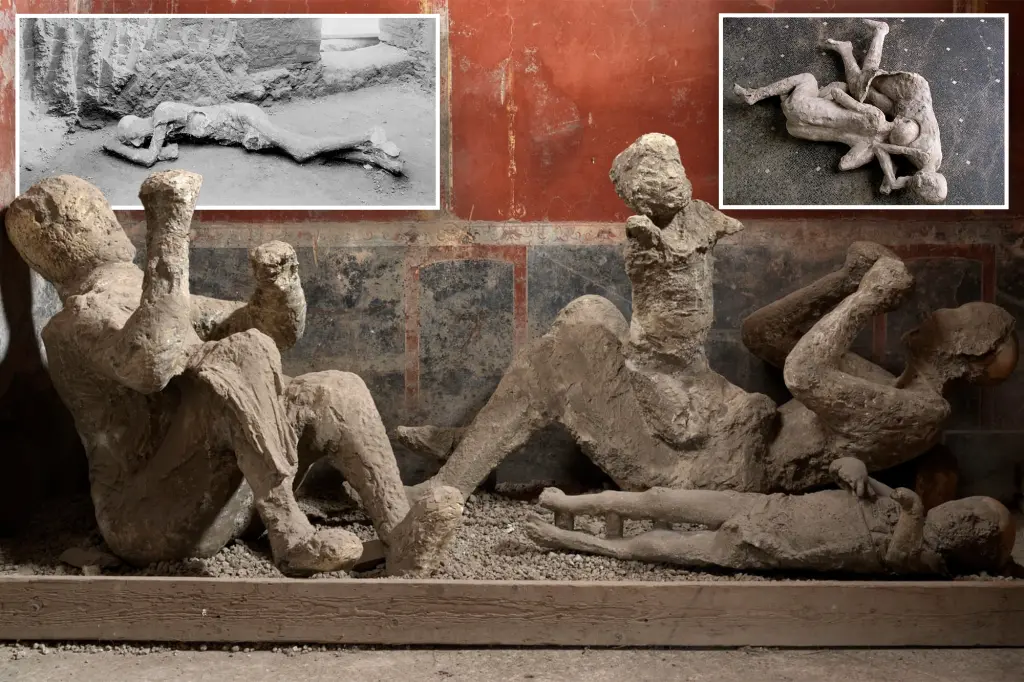
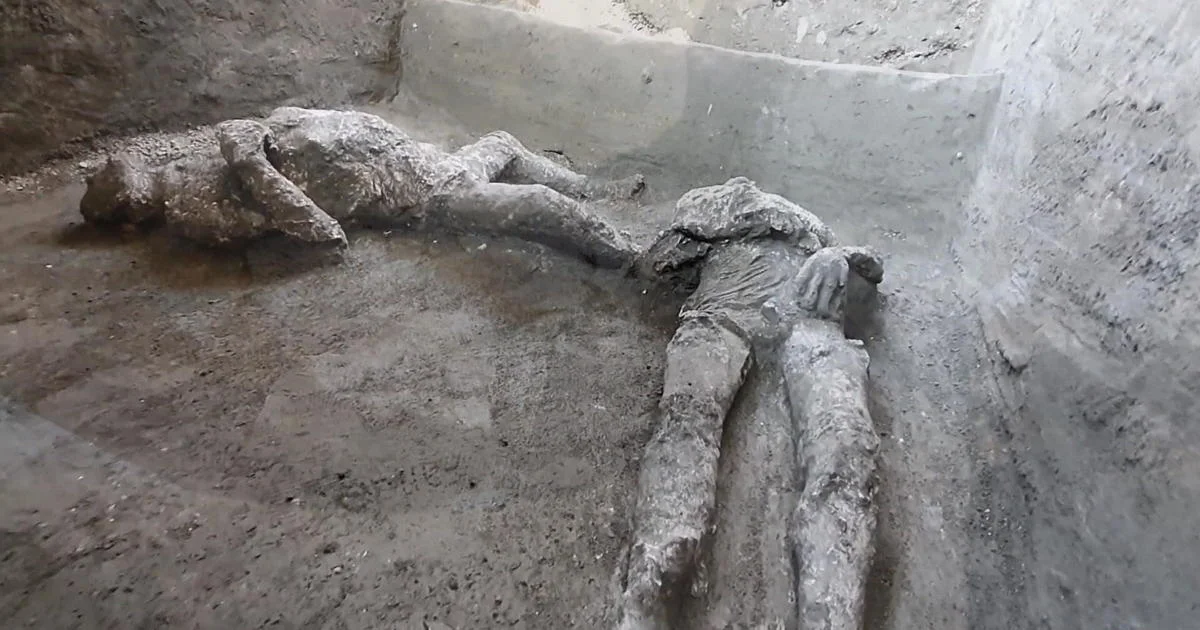
DNA Analysis Reveals New Identities of Pompeii Victims

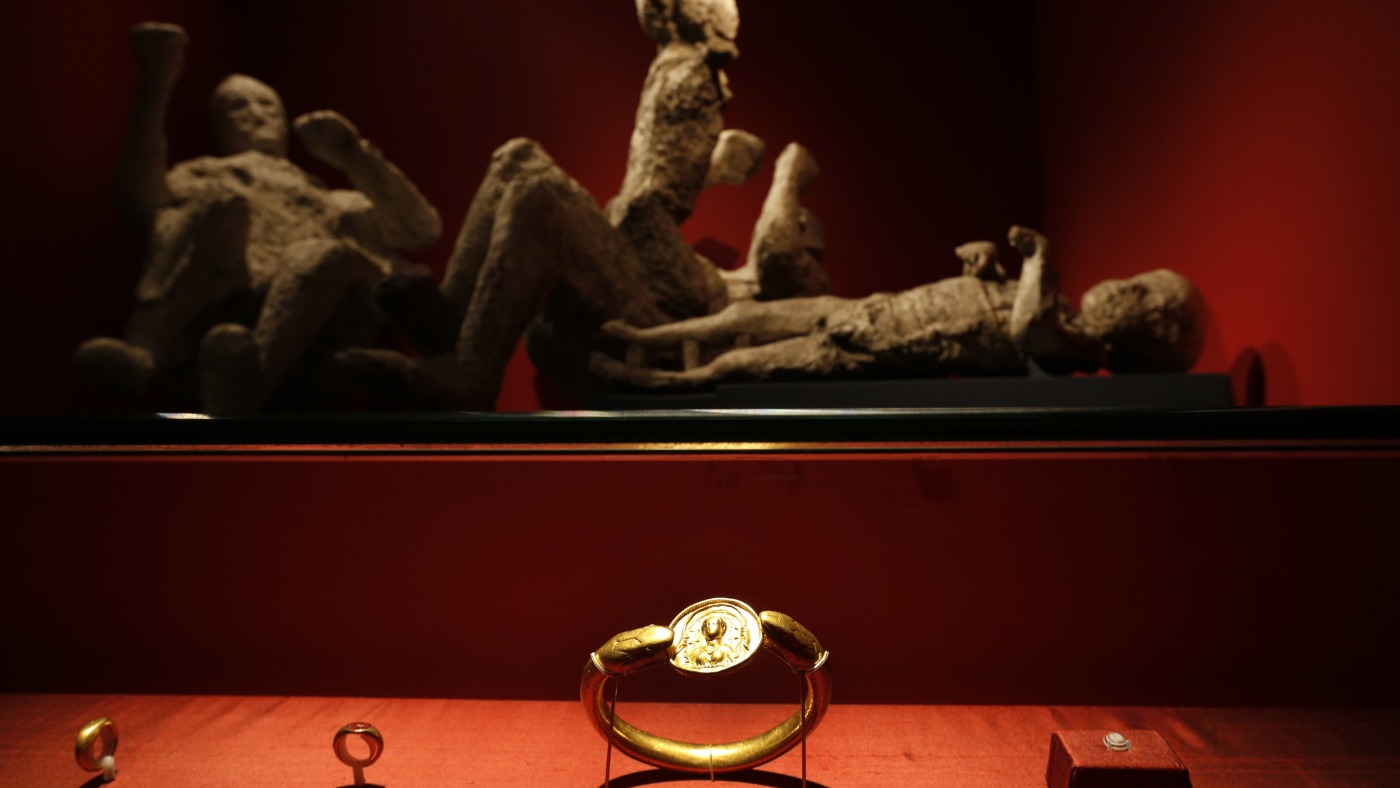
New DNA evidence has challenged previous assumptions about the identities and relationships of victims of the Pompeii eruption. A study by archaeologists and geneticists revealed that some individuals, previously thought to be family members, were not biologically related. The findings, published in Current Biology, highlight the importance of integrating genetic data with archaeological evidence to avoid modern misinterpretations. The research also questions traditional associations, such as linking jewelry with femininity, and warns against forming narratives based on contemporary expectations.

science-and-archaeology1 year ago

DNA Unravels Myths About Pompeii Victims' Identities

A new study using DNA evidence has debunked many long-held narratives about the victims of Pompeii's volcanic eruption in 79 AD. Researchers found that presumed familial relationships among the victims were incorrect, with DNA revealing that individuals thought to be related were not. The study also highlighted the genetic diversity of Pompeii's residents, indicating migration from regions like the eastern Mediterranean, including Turkey, North Africa, and Lebanon. This challenges previous assumptions about the social and familial structures of Pompeii's inhabitants.

science-and-archaeology1 year ago

DNA Unveils New Identities of Pompeii's Vesuvius Victims

New DNA evidence from Pompeii challenges previous assumptions about the identities and relationships of victims of the 79 A.D. Vesuvius eruption. Researchers found that individuals thought to be related were not, and some presumed women were actually men. The study highlights the diverse backgrounds of Pompeii's citizens, primarily descended from eastern Mediterranean immigrants, and underscores the potential of ancient DNA to provide insights into historical populations.

science1 year ago

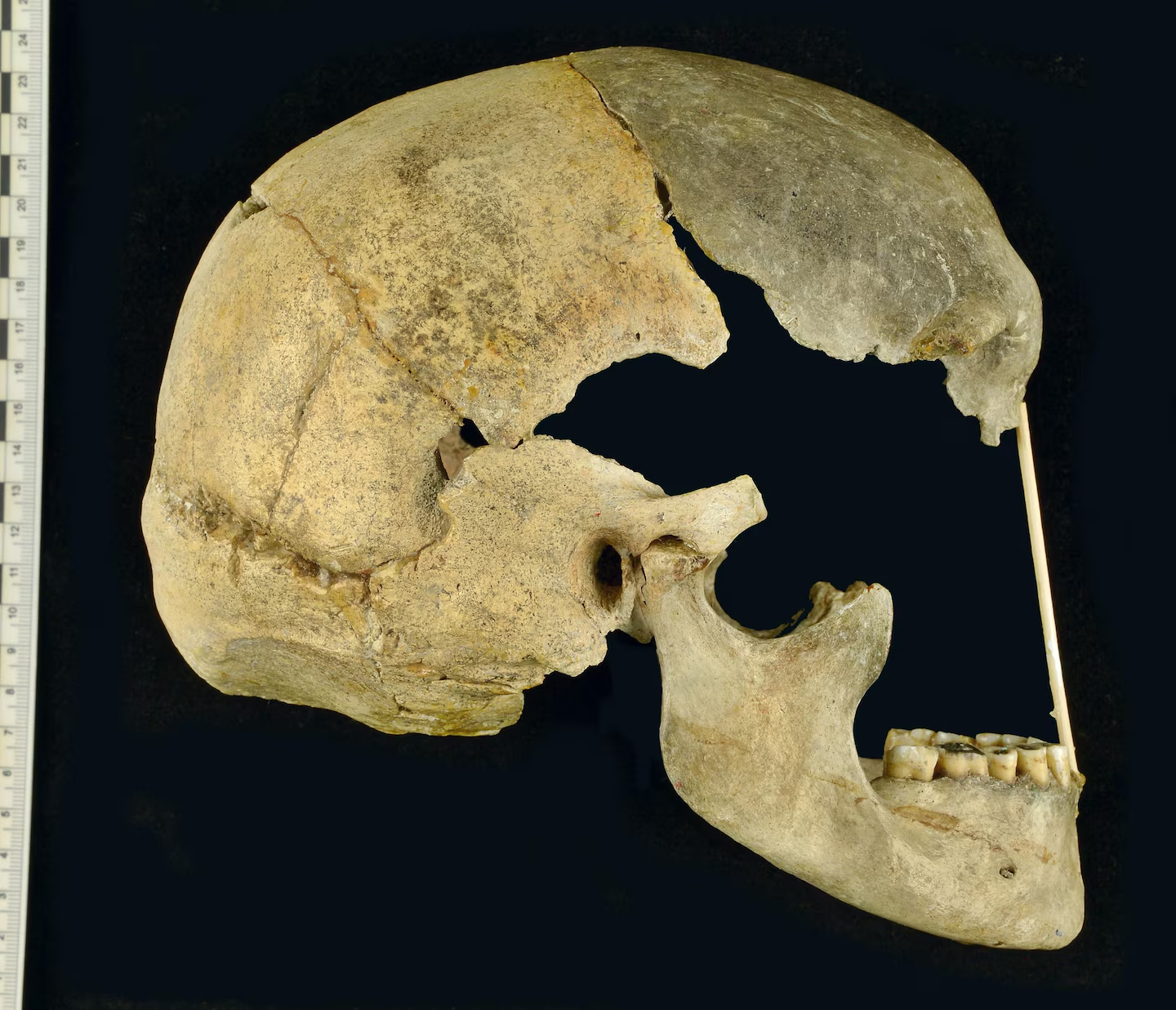
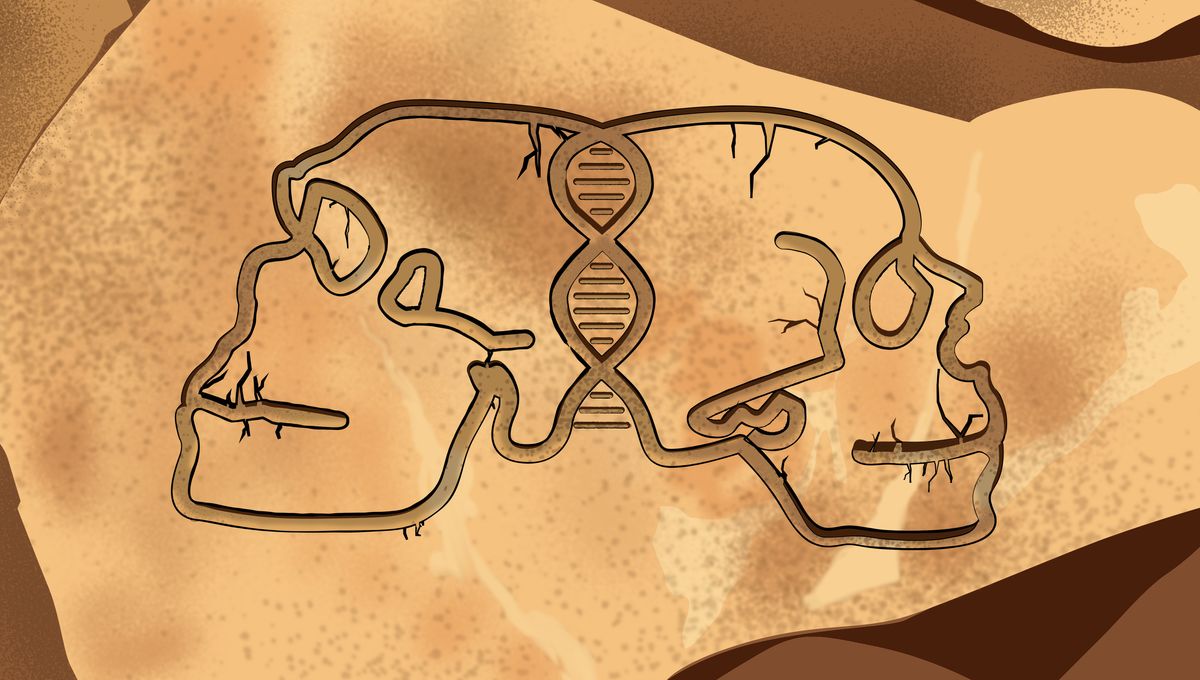
Neanderthals and Humans Interbred More Frequently and Earlier Than Previously Believed

New genomic analysis reveals that Homo sapiens left Africa and interbred with Neanderthals much earlier and more frequently than previously thought, with gene flow occurring as far back as 200,000 years ago. This interbreeding significantly impacted both species' genomes, with Neanderthals carrying more human ancestry than previously known. The study suggests that repeated encounters and genetic exchanges contributed to the eventual assimilation of Neanderthals into the Homo sapiens population.

health1 year ago

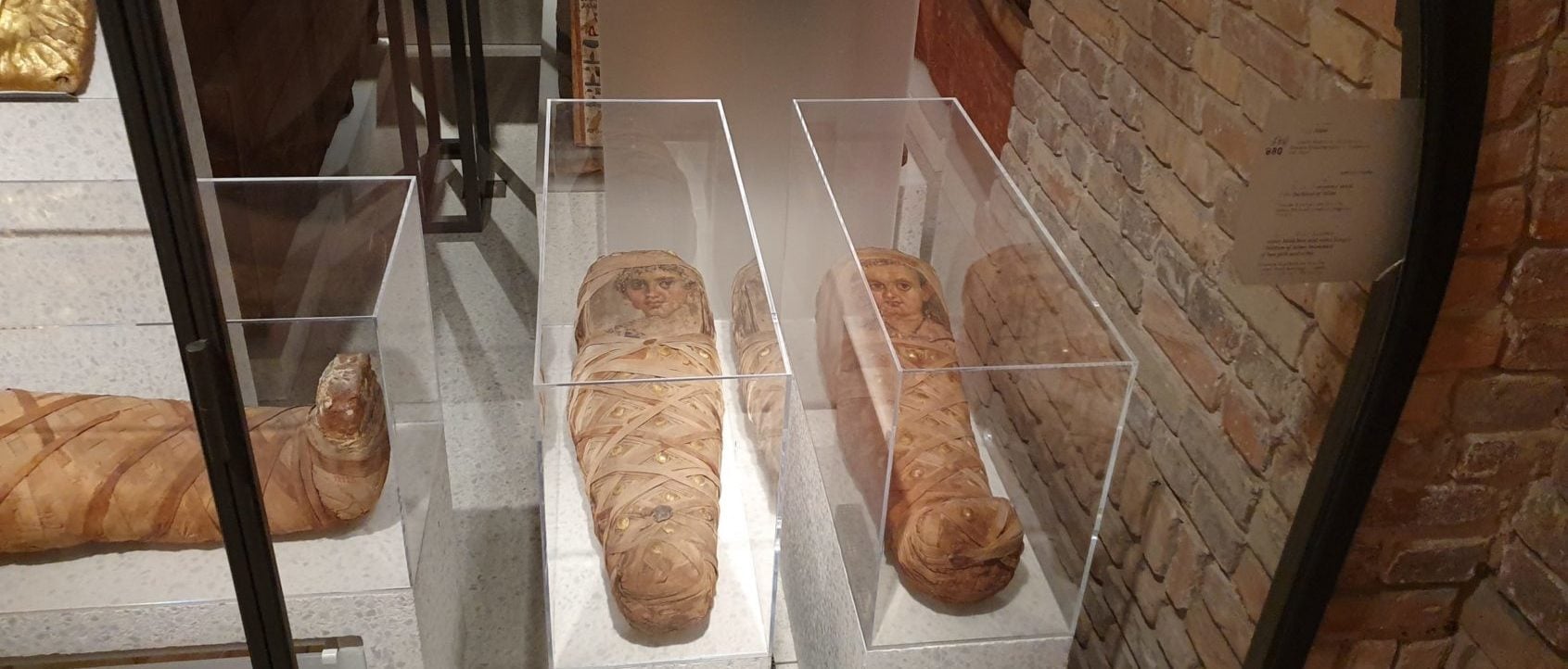
"Ancient Mummies Reveal 4000-Year-Old Heart Disease"

A study led by Dr. Randall C. Thompson and published in the European Heart Journal reveals that heart disease, specifically atherosclerosis, has been present in humans for over 4,000 years, challenging the notion that it is a modern condition. The research examined 237 mummies from various cultures and time periods, finding that over 37% had signs of the disease. Despite these findings, modern lifestyle choices still significantly impact heart disease risk.

archaeology1 year ago

"Pompeii Unearths Ancient Art Depicting Helen of Troy and Hidden Frescoes in New Excavation"

Rare Roman frescoes depicting scenes from the Trojan War, including Helen of Troy and Cassandra, have been uncovered in a dining room in the ruins of Pompeii, buried under ash for nearly 2,000 years. The paintings, found in a recently excavated area, showcase mythological characters and themes of heroism and fate. The discovery also revealed interconnected houses and a pile of building materials, shedding new light on life in Pompeii before the catastrophic volcanic eruption in 79 A.D.

archaeology1 year ago

"Unearthing a Mysterious 1,800-Year-Old Roman Statue in a UK Parking Lot"

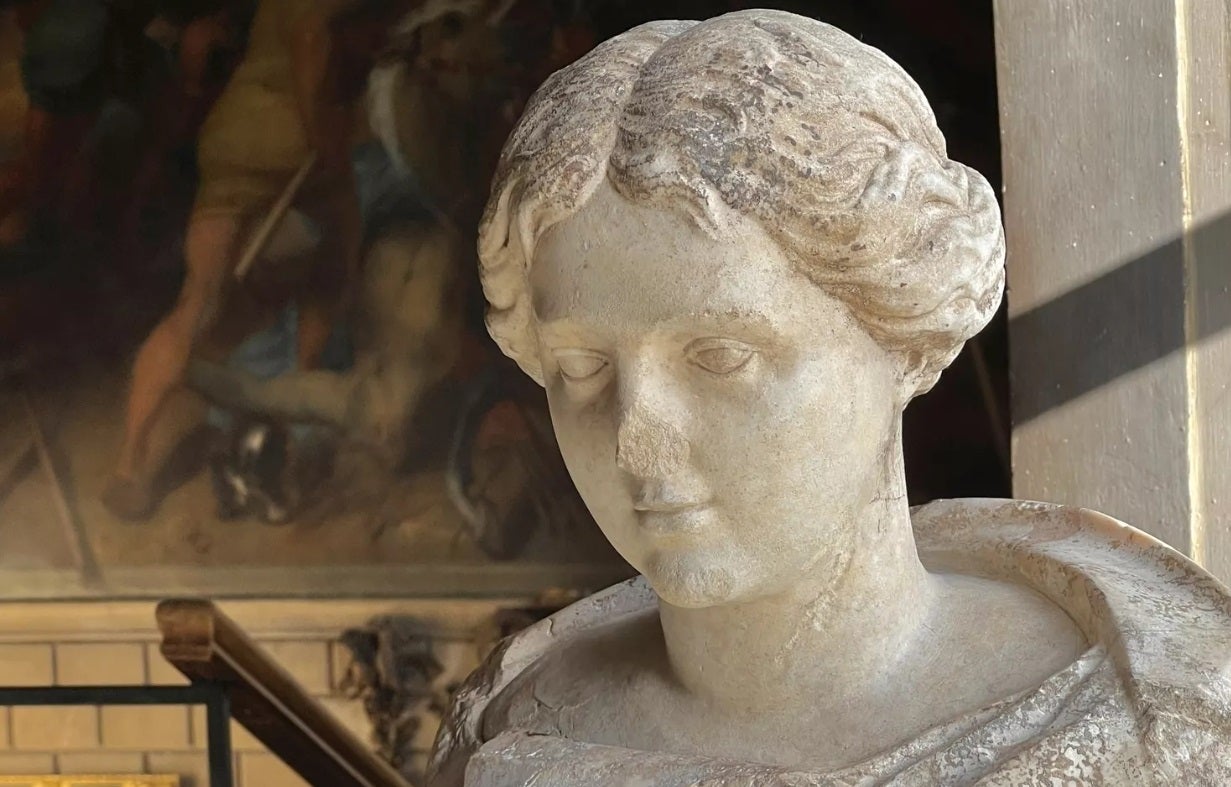
During routine construction at the Burghley Estate in England, a worker unearthed the head of an ancient Roman sculpture dating back 1,800 years, which was later identified as a part of a marble bust. The artifact, found by Greg Crawley, is now on display at the historic Burghley House. The origins of the sculpture and how it ended up at the construction site remain a mystery, but it is believed to have been brought to the estate during the late 18th century. The Burghley Estate, home to the historic Burghley House, is a significant property portfolio that includes eight municipalities and displays a vast collection of Italian Old Master paintings.

science-and-technology1 year ago

"Unveiling the Past: Archaeologists Harness Particle Physics for New Discoveries"

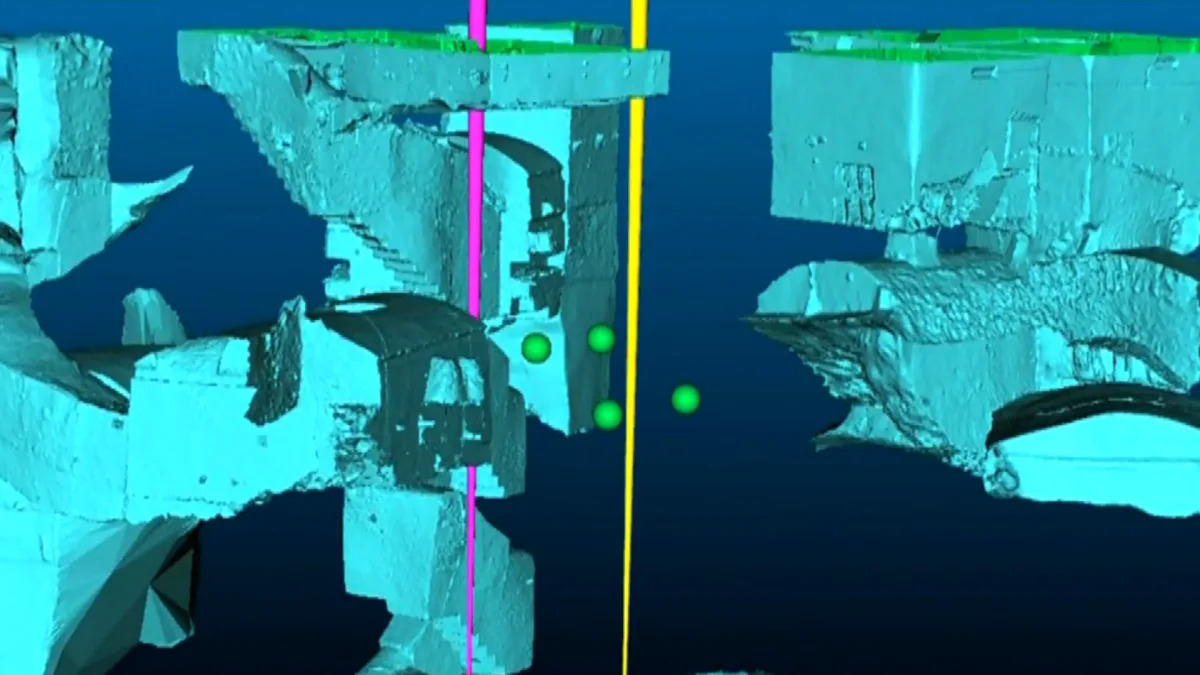
Archaeologists in Naples, Italy, are using particle physics technology to explore ancient burial chambers without the need for excavation. By employing subatomic particle detectors, physicists can see through hundreds of feet of rock to reveal hidden chambers and artifacts. This breakthrough technology, which tracks muons left over from the Big Bang, has the potential to revolutionize archaeological exploration, as well as applications in other fields such as medical imaging and cancer treatment.

science1 year ago

"Teen recreates Archimedes' death ray for science fair experiment"

A 13-year-old Canadian student conducted a science fair project to test whether Archimedes' purported use of mirrors to set Roman ships alight was feasible. Using heat lamps and mirrors, he found that his setup significantly increased the temperature of the target, leading him to conclude that it could be possible on a larger scale. While many have attempted to recreate the "death ray" with varying success, historians and scientists have suggested alternative weapons that Archimedes may have used.

space-science1 year ago

Mars' Ancient Volcanoes: Clues to Earth's Past

A new survey of Mars' Eridania region suggests that the planet was once littered with massive and explosive volcanoes, providing clues to Earth's early crustal evolution. The region's intensely magnetized crust and evidence of an ancient Martian sea have led researchers to identify various types of volcanoes, indicating a period of vigorous geologic activity some 3.5 billion years ago. The study's findings could offer insights into early Solar System geological conditions and the evolution of planetary landscapes.

archaeology1 year ago

"Unearthing the Largest Roman Military Base in Israel: 1,800-Year-Old Discovery at 'Armageddon'"

Archaeologists have discovered an 1,800-year-old Roman camp at Armageddon, believed to be the site of the apocalyptic final battle as described in the Book of Revelation. The camp, which housed over 5,000 soldiers from the Sixth Ironclad Legion, was found at the foot of Tel Megiddo in northern Israel. The ancient city of Tel Megiddo, established around 7,000 BCE, has been a site of historical importance and reached its peak during the middle Bronze Age before being destroyed by fire around 1,150 BCE. The excavation also revealed a large, monumental public building, a podium, and the main road of the camp, as well as coins, weapons parts, pottery sherds, and glass fragments.