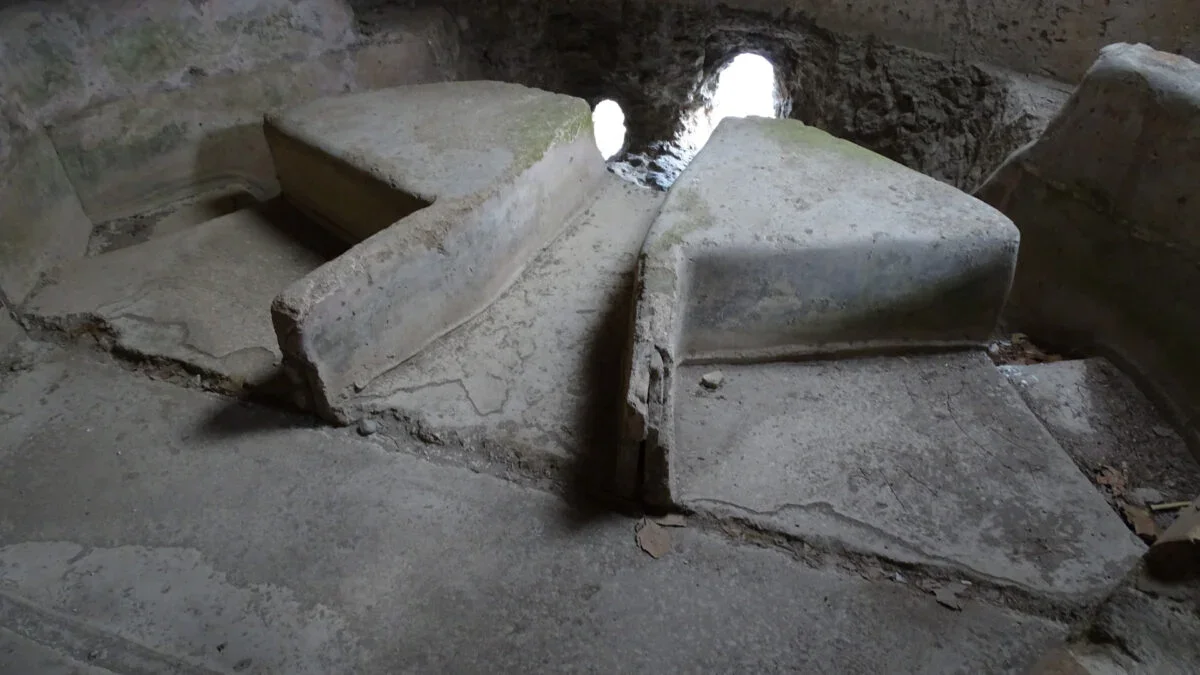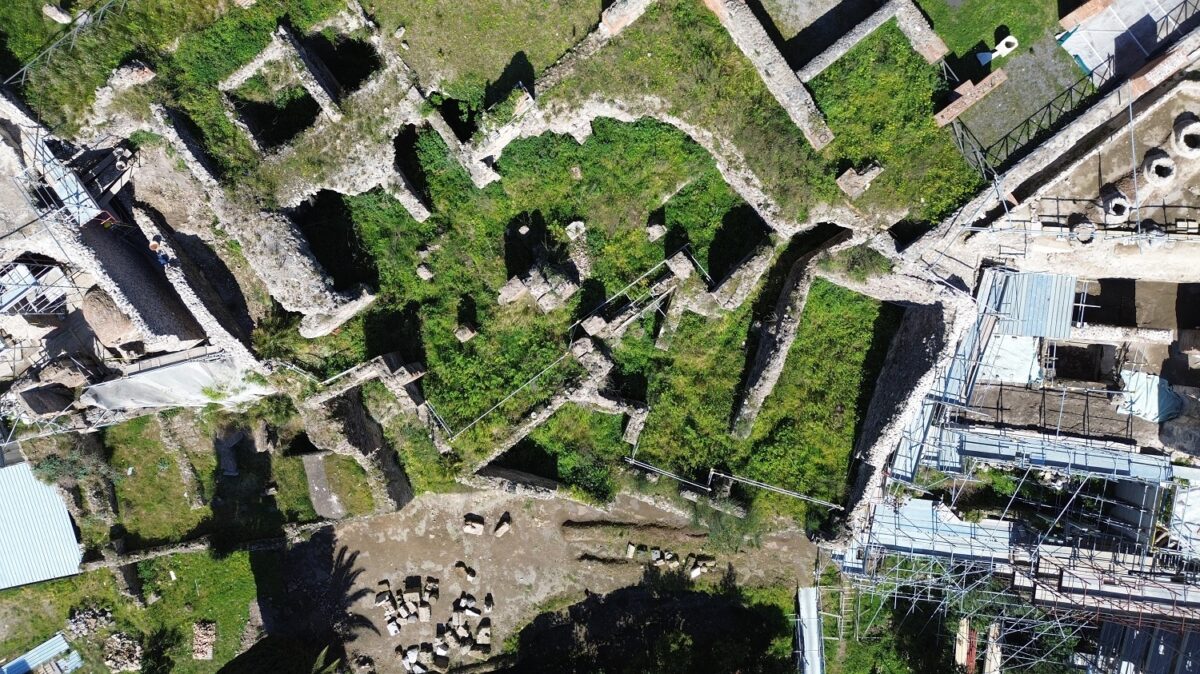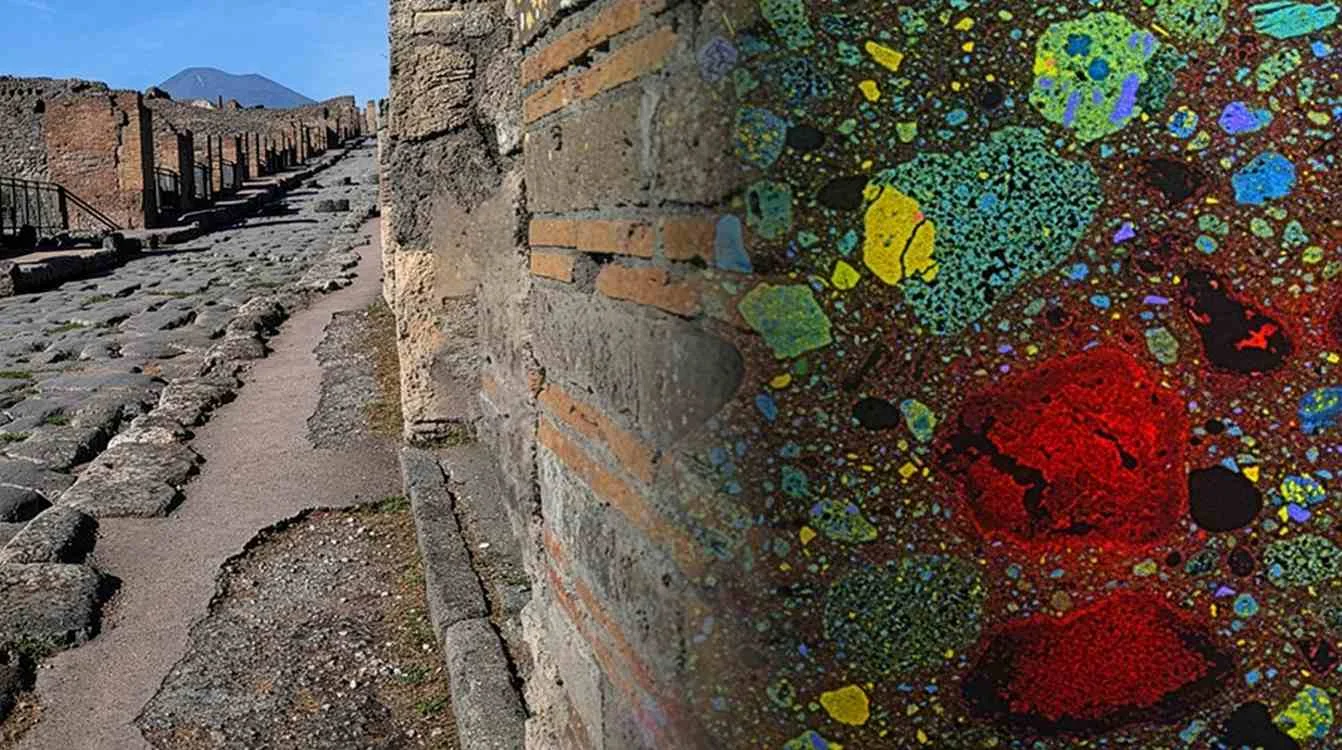
Researchers uncovered a well-preserved Roman construction site in Pompeii revealing that Romans used a 'hot mixing' process with volcanic ash and quicklime to create durable, self-healing concrete, challenging previous beliefs and offering insights for modern sustainable infrastructure development.
Jackie Chan participated in the Olympic torch relay by carrying the flame through the ancient ruins of Pompeii as part of the Milan Cortina 2026 Winter Olympics, which will travel nearly 7,500 miles across Italy before the opening ceremony in Milan.
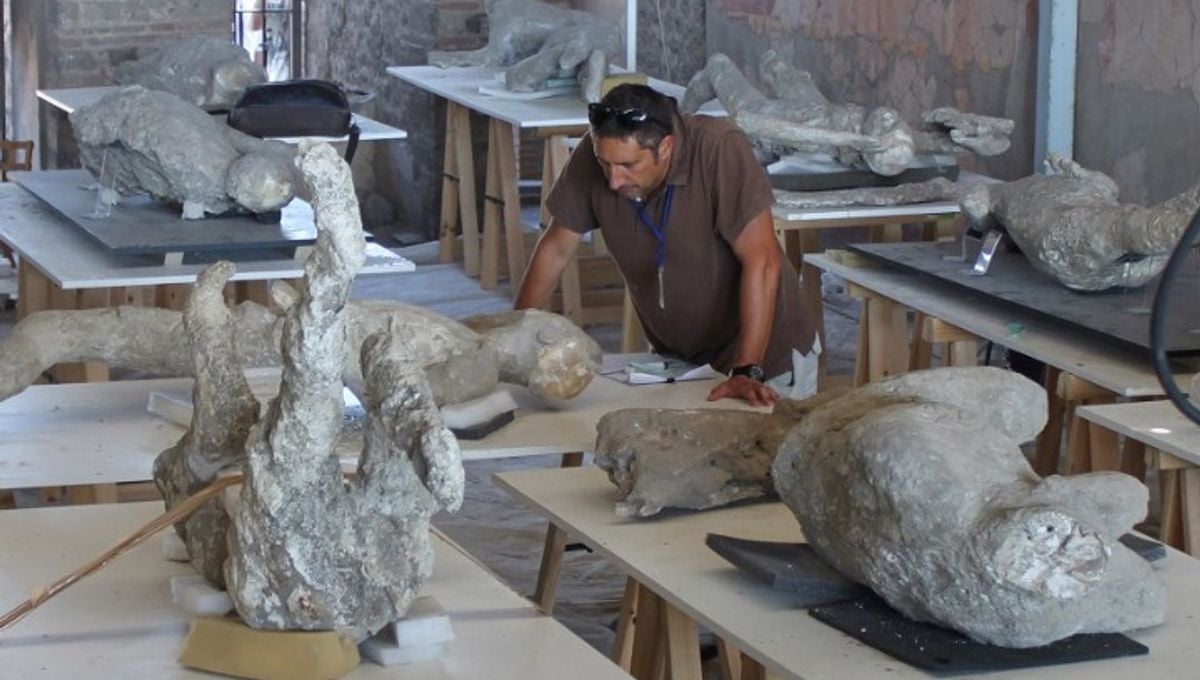
Recent analysis of plaster casts from Pompeii suggests victims wore heavy wool clothing, challenging the traditional August date of the eruption and hinting it may have occurred in autumn or winter instead.
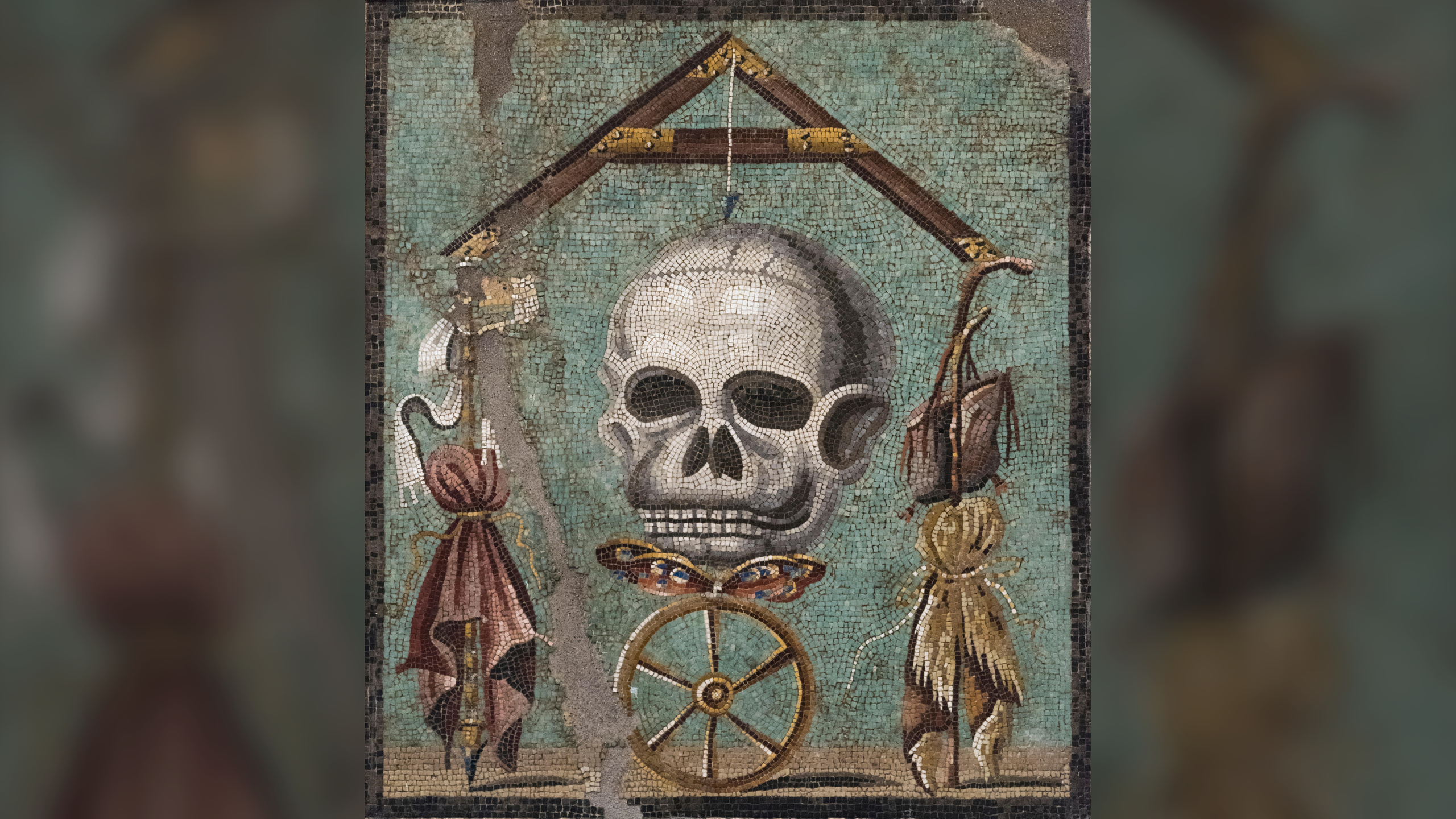
A 50 B.C. mosaic from Pompeii called Memento Mori depicts a skull, a level, and symbols of wealth and poverty, serving as a reminder of mortality and equality in death, and was found in a house that also operated as a tannery.
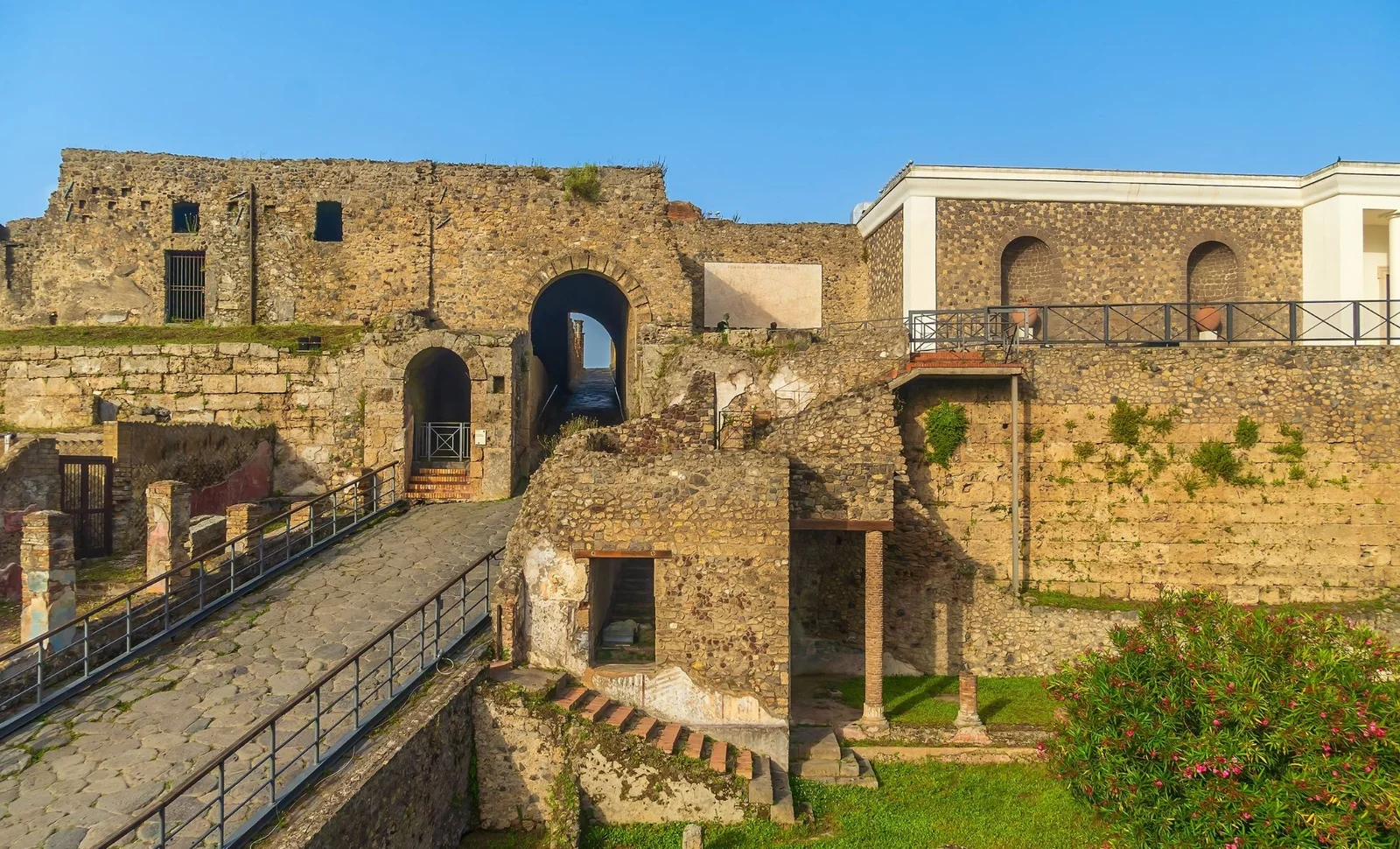
Survivors and opportunists returned to Pompeii after the 79 AD eruption of Mount Vesuvius, living in the upper floors of buildings and engaging in disorganized, lawless activities for about 400 years until the city was abandoned in the fifth century, with new excavations revealing clearer evidence of this reoccupation.
New archaeological evidence suggests that after the catastrophic eruption of Mount Vesuvius in 79 AD, some survivors and others seeking valuables reoccupied Pompeii in precarious conditions, forming an informal settlement that persisted until the fifth century, revealing a more complex post-eruption history than previously understood.
New archaeological evidence indicates that after the eruption of Mount Vesuvius in AD 79, some survivors and others seeking settlement returned to live among the ruins of Pompeii, continuing to inhabit the site until the 5th century, in a makeshift community that lacked typical Roman infrastructure.
Archaeologists have found evidence that some survivors and new settlers reoccupied Pompeii after the AD79 eruption of Mount Vesuvius, living in precarious conditions in makeshift settlements within the ruins, challenging the previous notion that the city was completely abandoned after the disaster.
Researchers from Oxford identified a 2,500-year-old mysterious substance found in a bronze jar near Pompeii as honey, revealing it was a gift to an unknown Greek deity, and highlighting honey's significance in ancient rituals and symbolism of immortality.
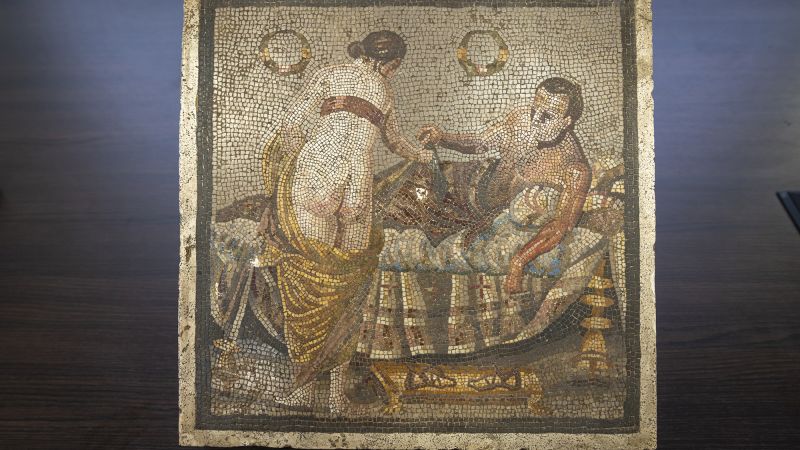
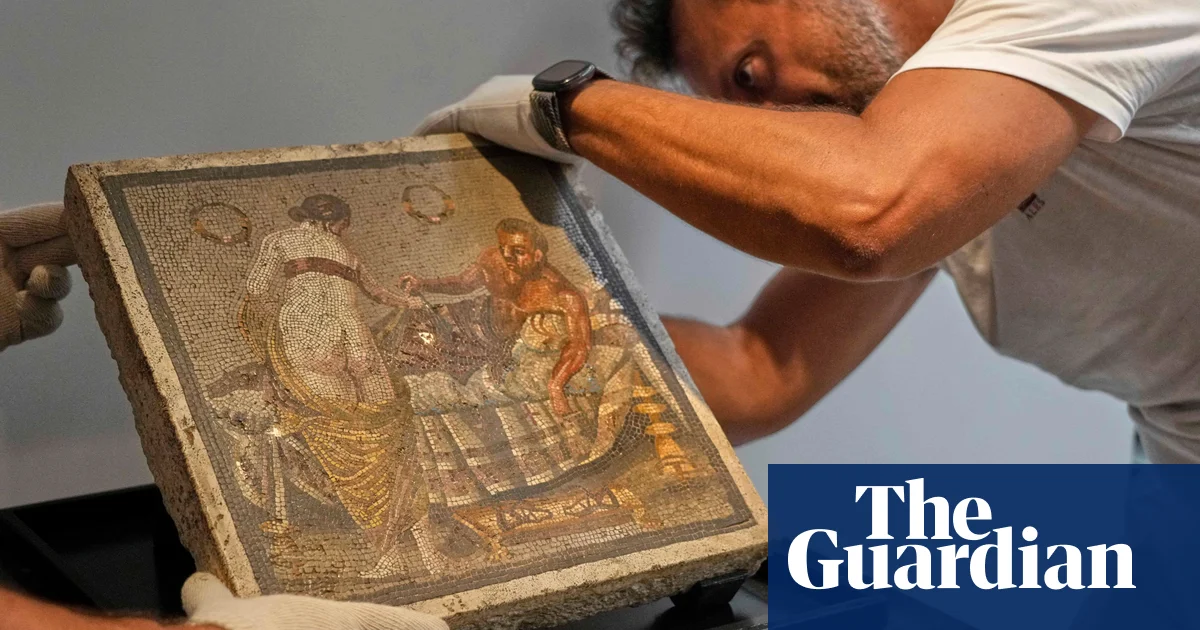
A stolen erotic mosaic from Pompeii, taken by a Nazi officer during WWII, has been returned to the archaeological site after investigation, highlighting ongoing efforts to recover looted cultural artifacts and preserve Roman history.
A stolen erotic mosaic from Pompeii, taken by a Nazi captain during WWII, has been returned to Italy after its German owners' relatives contacted authorities. The mosaic, dating from around the 1st century BC to AD 1, will be studied further before being displayed at Pompeii. This case highlights ongoing efforts to recover looted artifacts and preserve cultural heritage, with over 3 million items recovered since 1969.
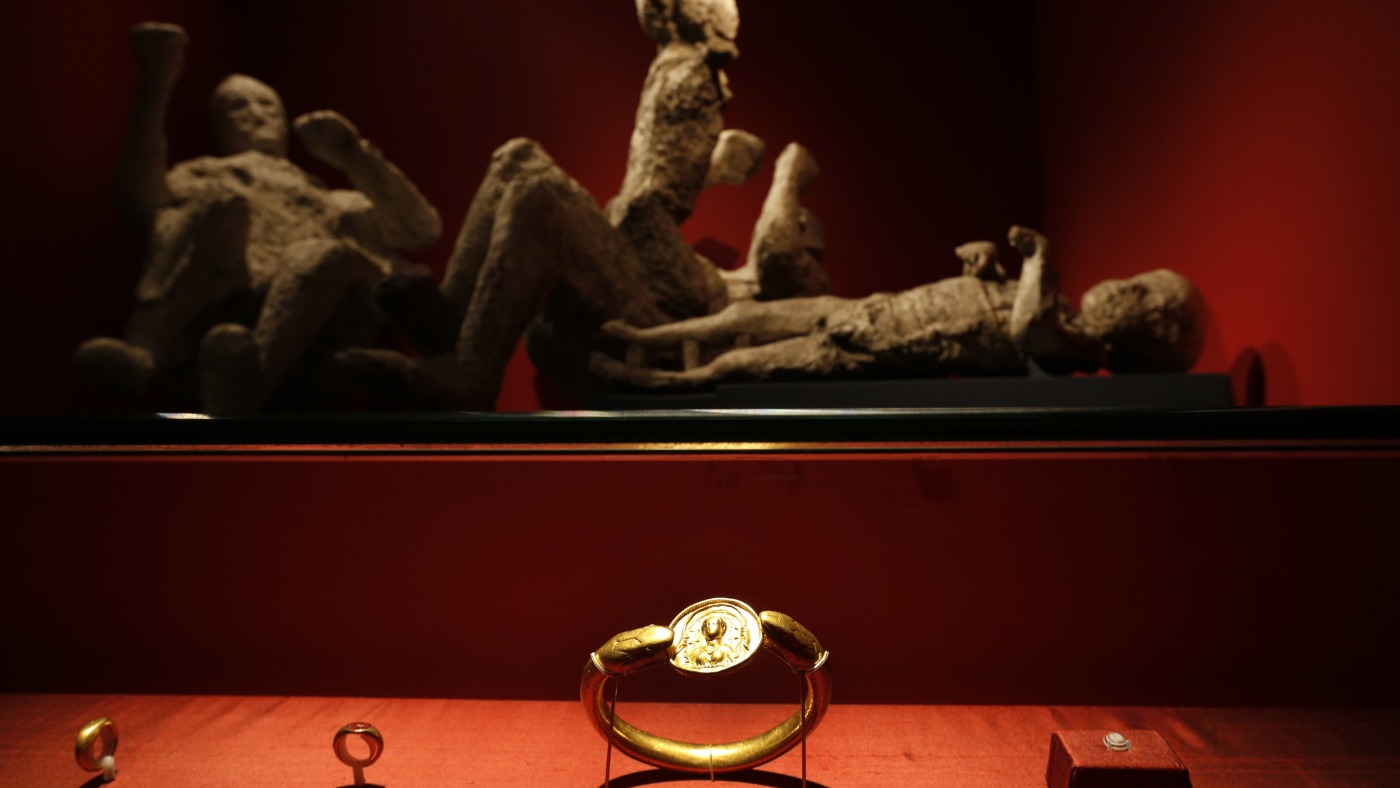
New DNA evidence has challenged previous assumptions about the identities and relationships of victims of the Pompeii eruption. A study by archaeologists and geneticists revealed that some individuals, previously thought to be family members, were not biologically related. The findings, published in Current Biology, highlight the importance of integrating genetic data with archaeological evidence to avoid modern misinterpretations. The research also questions traditional associations, such as linking jewelry with femininity, and warns against forming narratives based on contemporary expectations.
Italy's Pompeii will limit daily visitors to 20,000 starting November 15, following a surge in tourist numbers, with a record 36,000 visitors on a free-entry day in October. The cap aims to address conservation and safety concerns at the ancient Roman site, which saw nearly 4 million visitors in 2023, a third more than the previous year. The site, partially unexcavated, remains a significant archaeological interest, offering insights into Roman life.
A new study using ancient DNA analysis has overturned previous assumptions about the identities and relationships of people who perished in Pompeii during the eruption of Mount Vesuvius in AD 79. The research, published in Current Biology, reveals that many of the victims were not related as previously thought, challenging traditional gender and familial assumptions. The findings highlight Pompeii's diverse population, reflecting broader patterns of mobility and cultural exchange in the Roman Empire, and provide a more nuanced understanding of the city's demographics and social structures.
New DNA analysis of skeletal remains from Pompeii has challenged long-held assumptions about the victims of Mount Vesuvius's eruption in A.D. 79. The study, published in Current Biology, reveals that traditional interpretations of gender and family relationships among the victims were incorrect, with some individuals previously thought to be women actually being men. The research highlights the dangers of projecting modern gender norms onto ancient societies and underscores the diverse ancestry of Pompeii's residents, primarily tracing back to eastern Mediterranean immigrants. This discovery adds to the ongoing revelations about the ancient Roman city and its multicultural nature.