science-and-archaeology3.495 min read
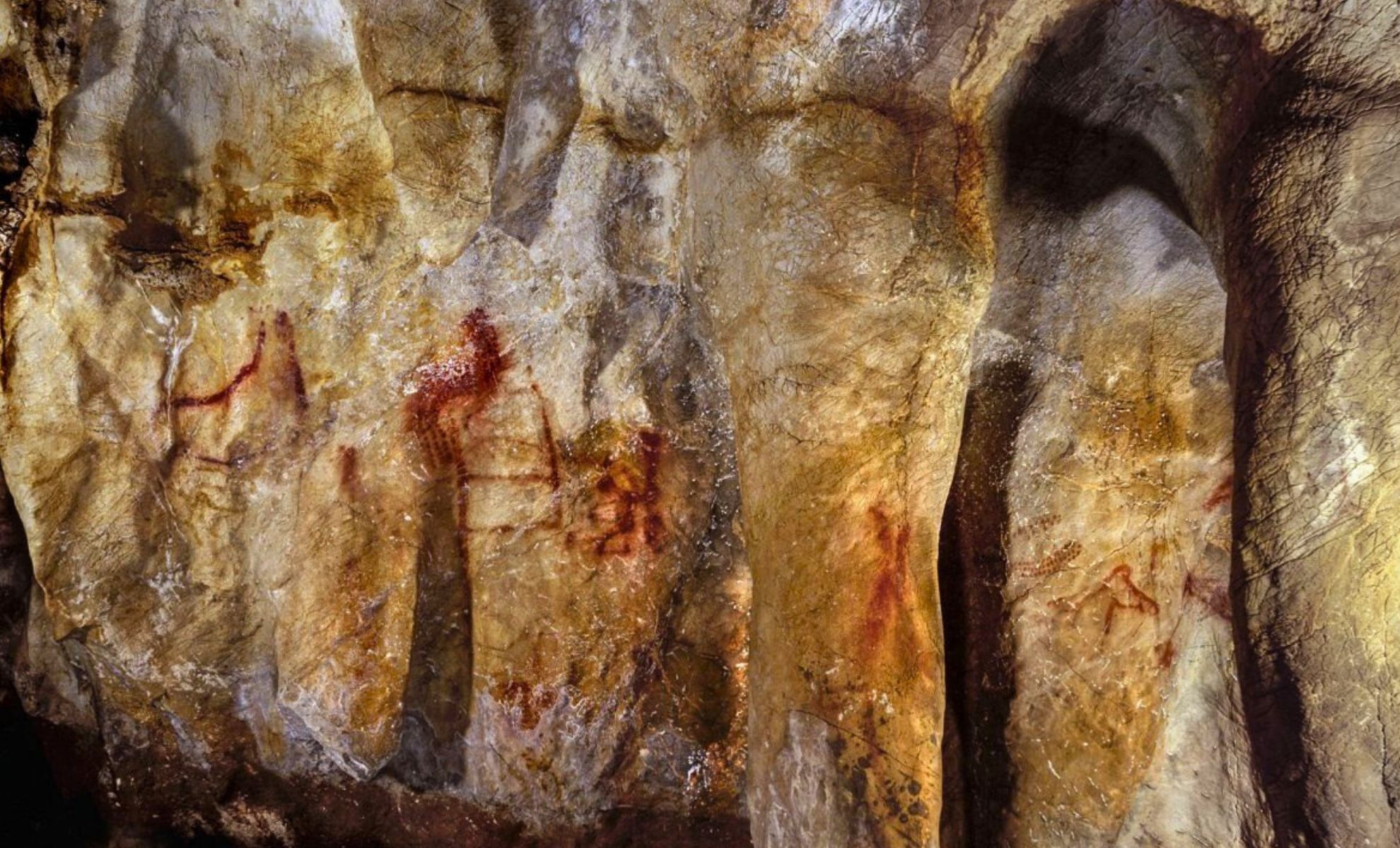
Ancient Non-Human Art Reveals Revolutionary Secret
1 year ago•Source: The Daily Galaxy --Great Discoveries Channel

The latest science and archaeology stories, summarized by AI
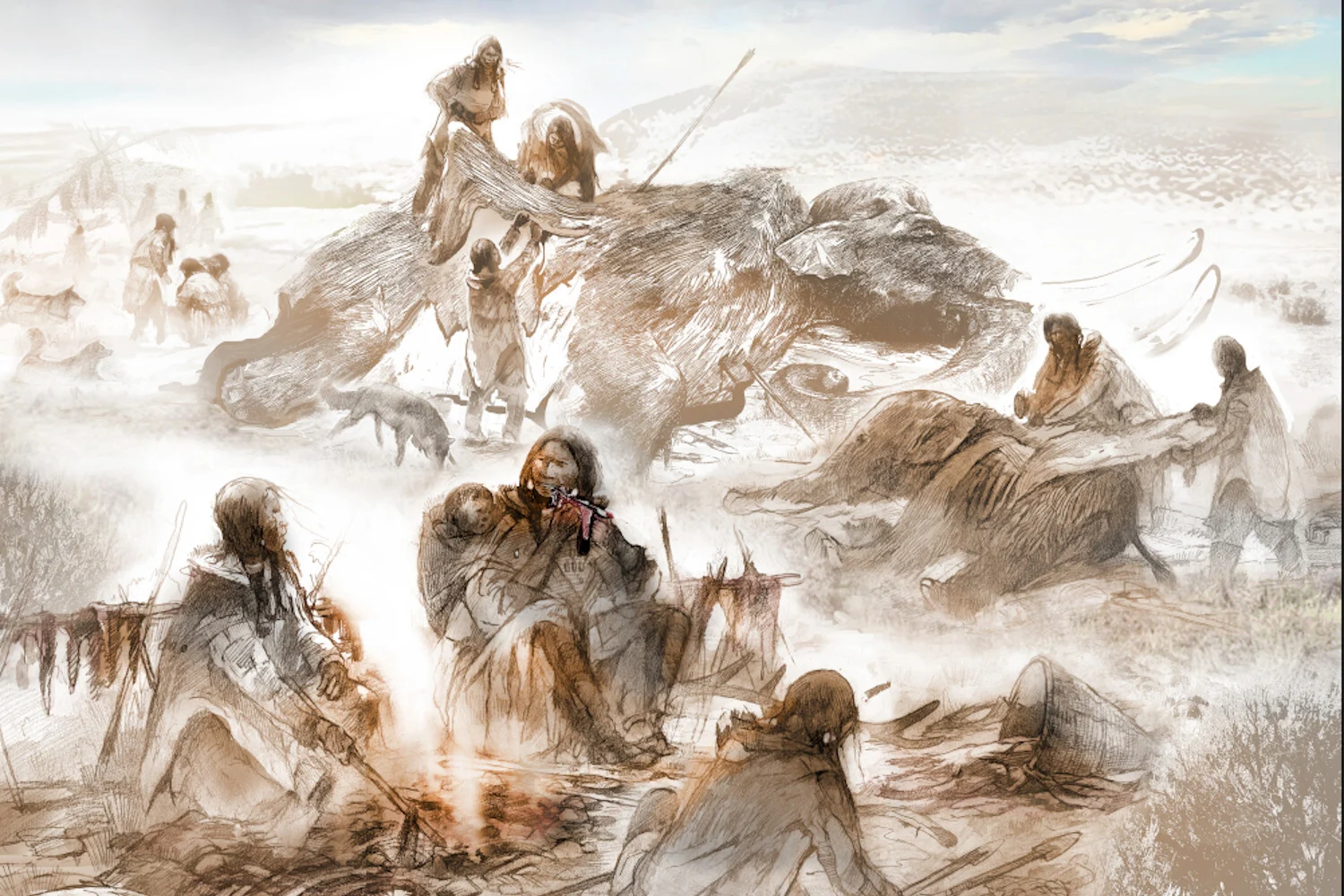
A study led by researchers from McMaster University and the University of Alaska Fairbanks provides direct evidence that Clovis people, early inhabitants of North America, primarily consumed large animals like mammoths. Isotopic analysis of a Clovis infant's remains revealed that 40% of the diet came from mammoths, supporting the theory that these prehistoric humans were big-game hunters. This dietary preference may have contributed to the rapid spread of Clovis people across the continent and possibly played a role in the extinction of large mammals at the end of the last Ice Age.
New York Post •1 year ago
CBS News•1 year ago
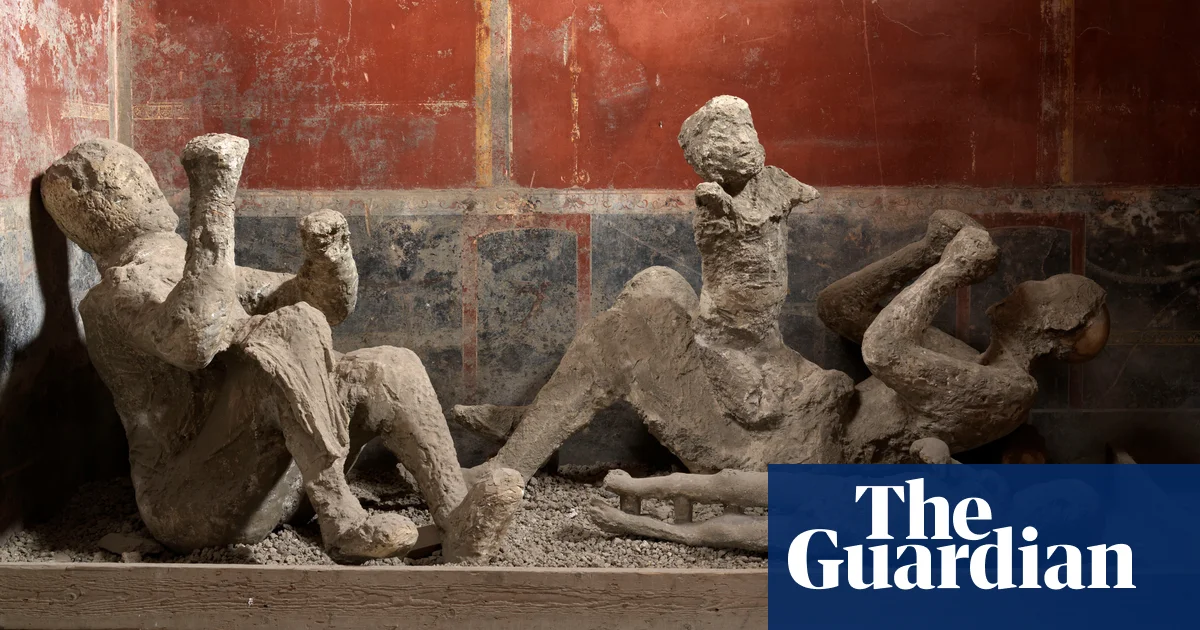
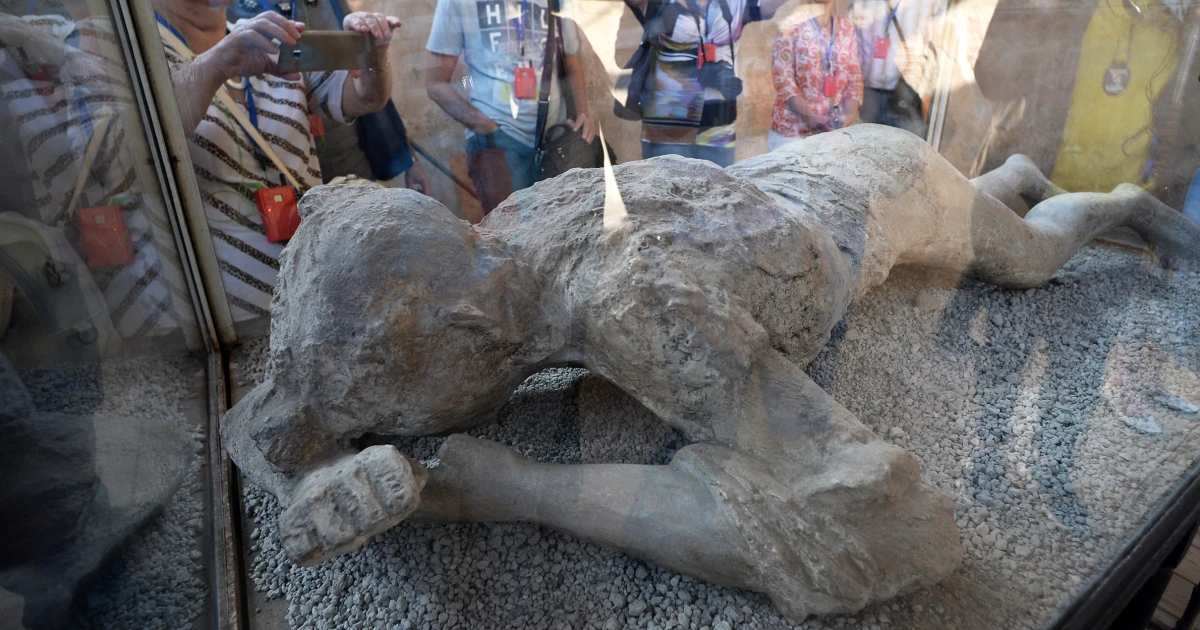
Recent DNA analysis of victims from Pompeii challenges long-held assumptions about their identities and relationships. The study reveals that a supposed mother in a famous cast was actually a man, unrelated to the children, and suggests diverse origins for the victims, indicating significant human mobility in the Roman period. This research highlights the potential for scientific analysis to reshape historical narratives and offers insights into the diverse backgrounds of Pompeii's inhabitants.

A new DNA analysis of victims from the 79 CE eruption of Mount Vesuvius in Pompeii challenges long-held assumptions about their identities and relationships. The study reveals that individuals previously thought to be related, such as a mother and child or sisters, were not genetically related, and some were misidentified in terms of gender. This suggests a more complex social structure in Pompeii and highlights the genetic diversity of its inhabitants, who were mainly descended from recent immigrants from the eastern Mediterranean and Near East. The findings urge caution against imposing modern biases on ancient contexts.
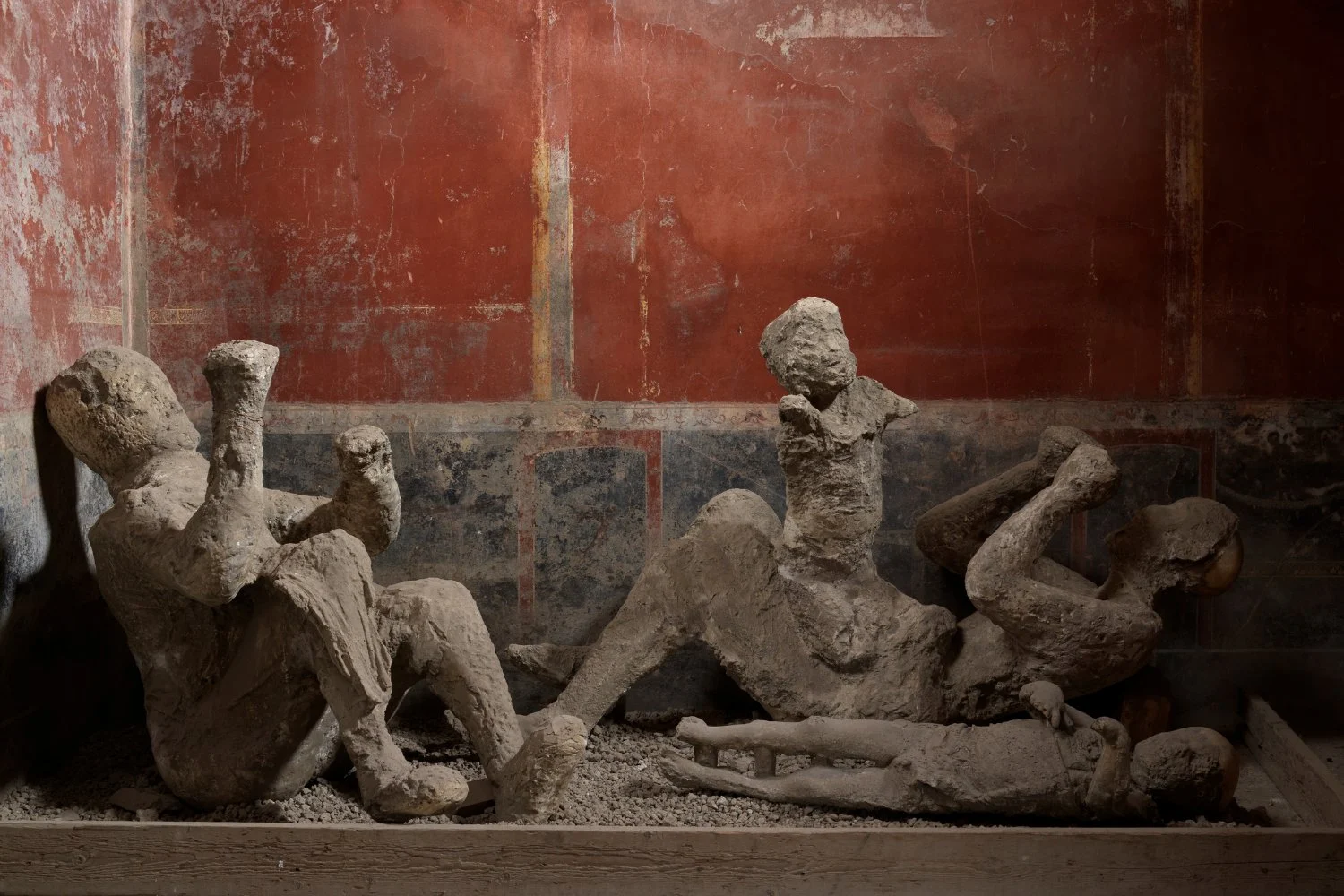
Recent DNA analysis of Pompeii victims has revealed surprising insights into the demographics and relationships of the ancient city's residents, challenging previous assumptions. The study found significant genetic diversity, with influences from the Eastern Mediterranean, highlighting Pompeii's cosmopolitan nature. Some individuals were misidentified in terms of sex and familial relationships, illustrating the unreliability of past narratives based on limited evidence. This research underscores the potential of ancient DNA analysis to provide a more nuanced understanding of historical populations.
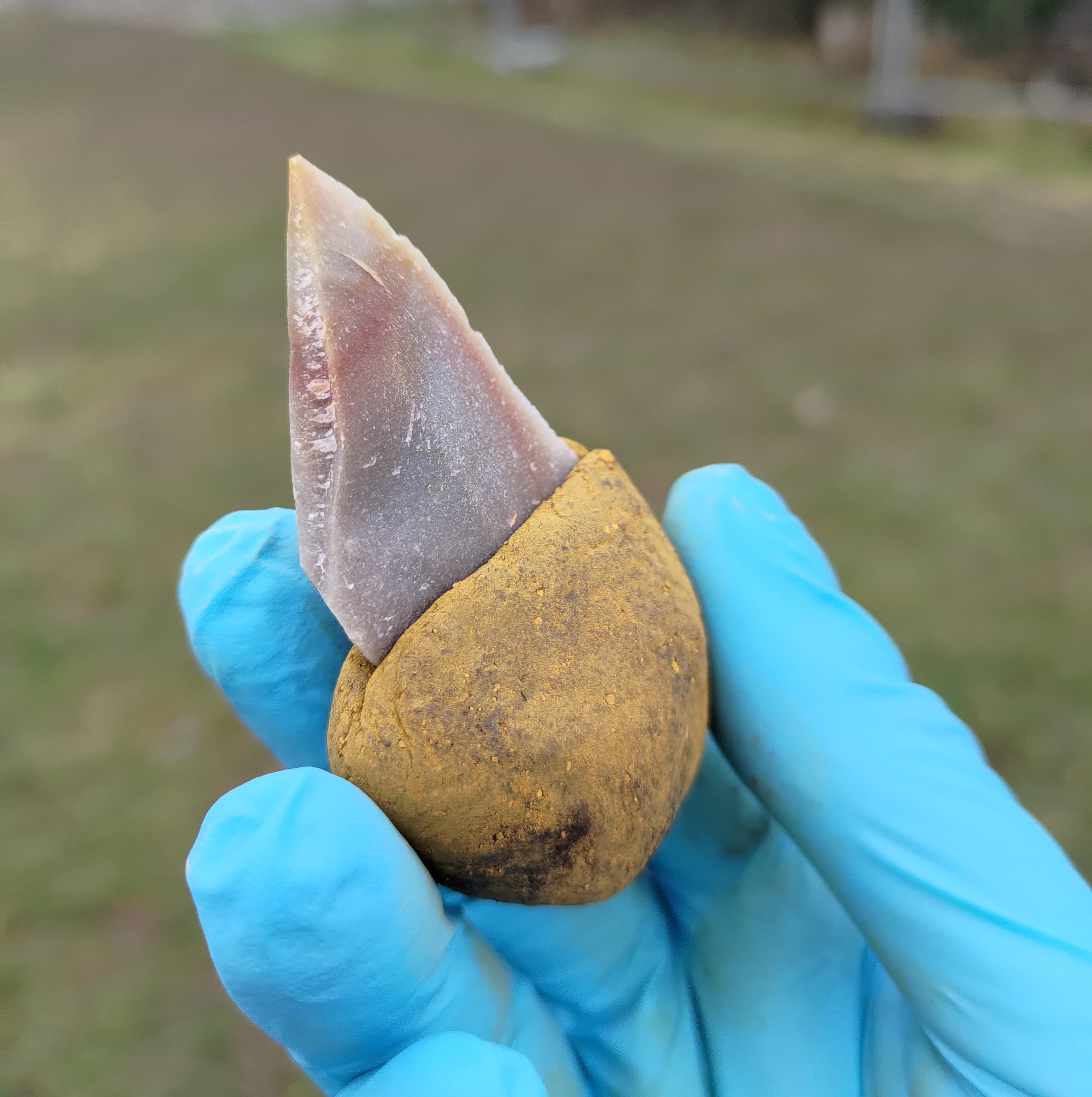
Researchers have discovered that Neanderthals used a sophisticated multi-component glue to craft stone tools, indicating a higher level of intellectual and cultural sophistication than previously believed. The tools, dating back 40,000 years, were found to have been constructed using a mixture of ochre and bitumen, revealing a level of technical innovation similar to early modern humans in Africa. This finding suggests that Neanderthals possessed advanced cognitive abilities and had similar thought patterns to early Homo sapiens, shedding new light on human evolution.
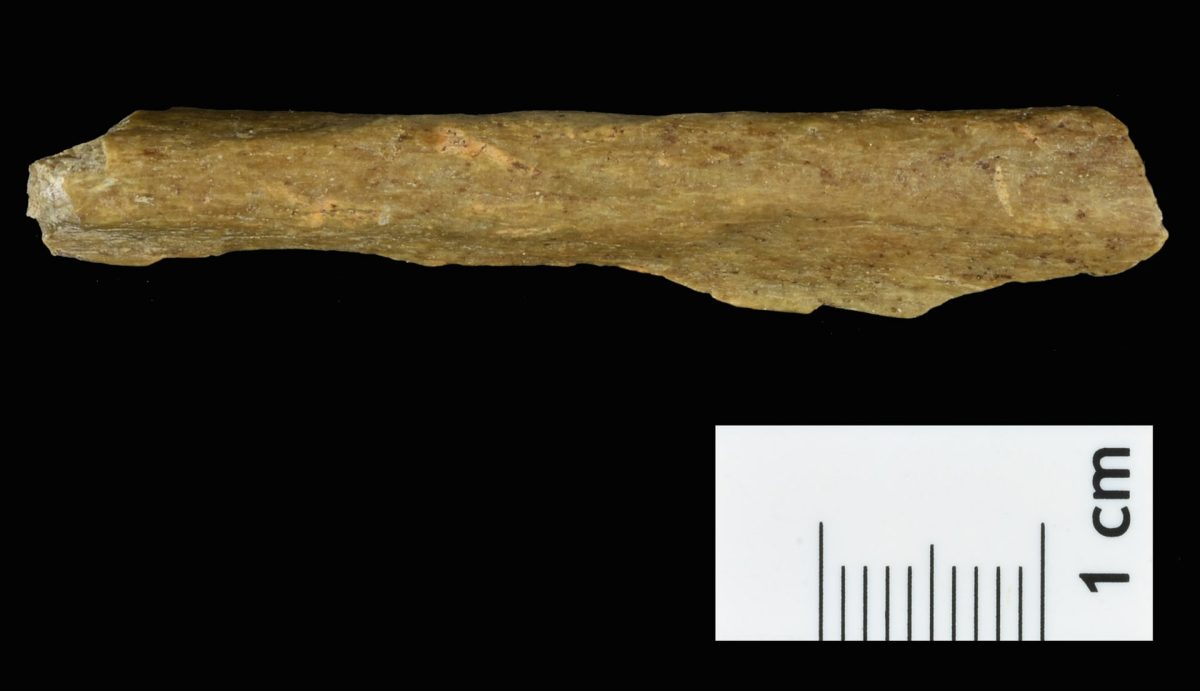
Genetic analysis of bone fragments from an archaeological site in Germany provides evidence that modern humans arrived in northern Europe around 45,000 years ago, coexisting with Neanderthals for millennia and interbreeding with them. Stone tools found at the site were initially attributed to Neanderthals but are now recognized as part of the early Homo sapiens toolkit. This challenges the previous belief that modern humans arrived after Neanderthals went extinct and suggests they played a role in their demise.
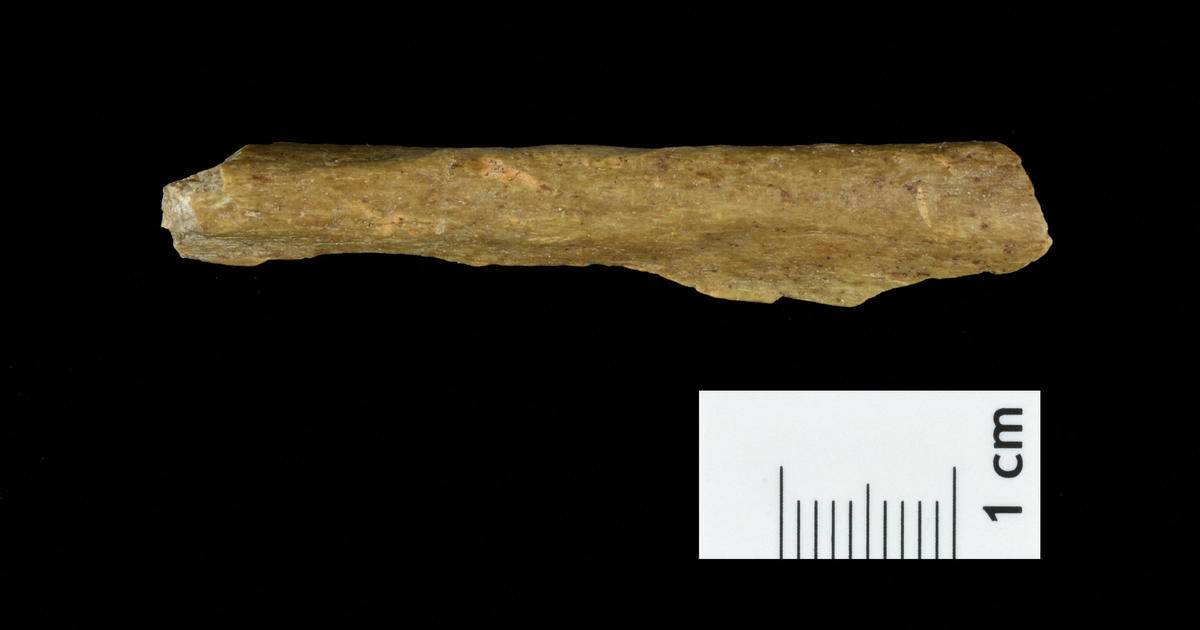
The discovery of human bones and tools in a German cave suggests that pioneering groups of Homo sapiens settled in northern Europe over 45,000 years ago, potentially coexisting with Neanderthals. This finding challenges previous assumptions about the timeline of human migration and interaction with Neanderthals, indicating repeated smaller excursions into Europe and earlier human presence than previously thought. The discovery also raises questions about how humans adapted to extreme cold environments and their potential role in the extinction of Neanderthals.
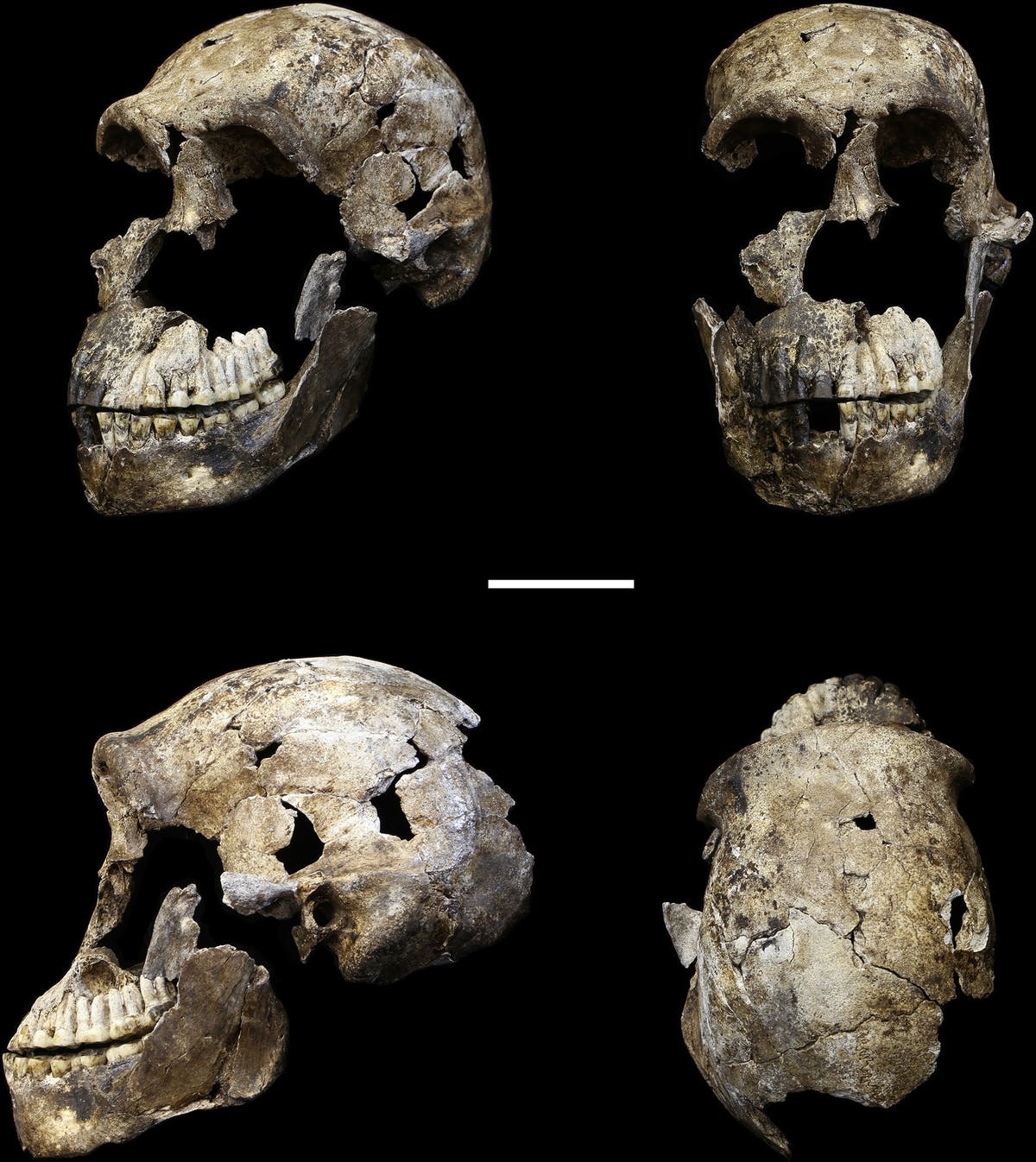
Scientists are investigating the possibility that a species of "ape-men" called Homo naledi, which lived in southern Africa around 300,000 years ago, had a complex human-like culture that included practices and beliefs associated with modern humanity. Despite having brains only a third the size of modern humans, Homo naledi may have been able to envision an afterlife, bury their dead, give grave goods, carry out rituals, create art, and plan a complex lighting system. The discovery challenges current understanding of human evolution and raises questions about the importance of brain size in cognitive abilities. Further investigations are planned to confirm these findings and shed light on the origins of human thought and belief systems.