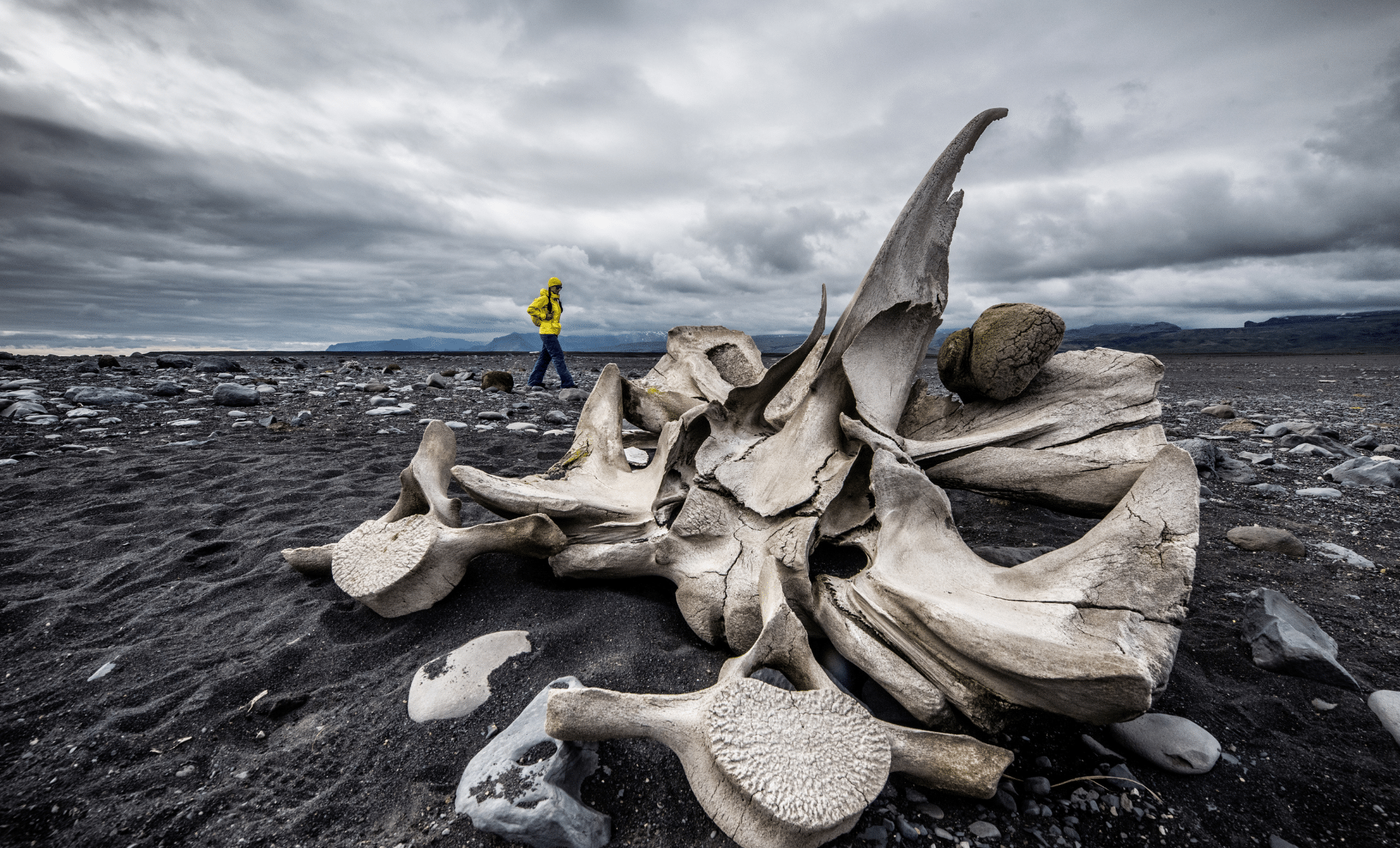
Recent analysis of fossils housed in Alaska's University of Alaska Museum revealed that what were thought to be mammoth bones from the Ice Age are actually from two ancient whales, a discovery confirmed through isotope and DNA analysis, challenging previous assumptions about the fossils' origins and highlighting the importance of modern scientific techniques.
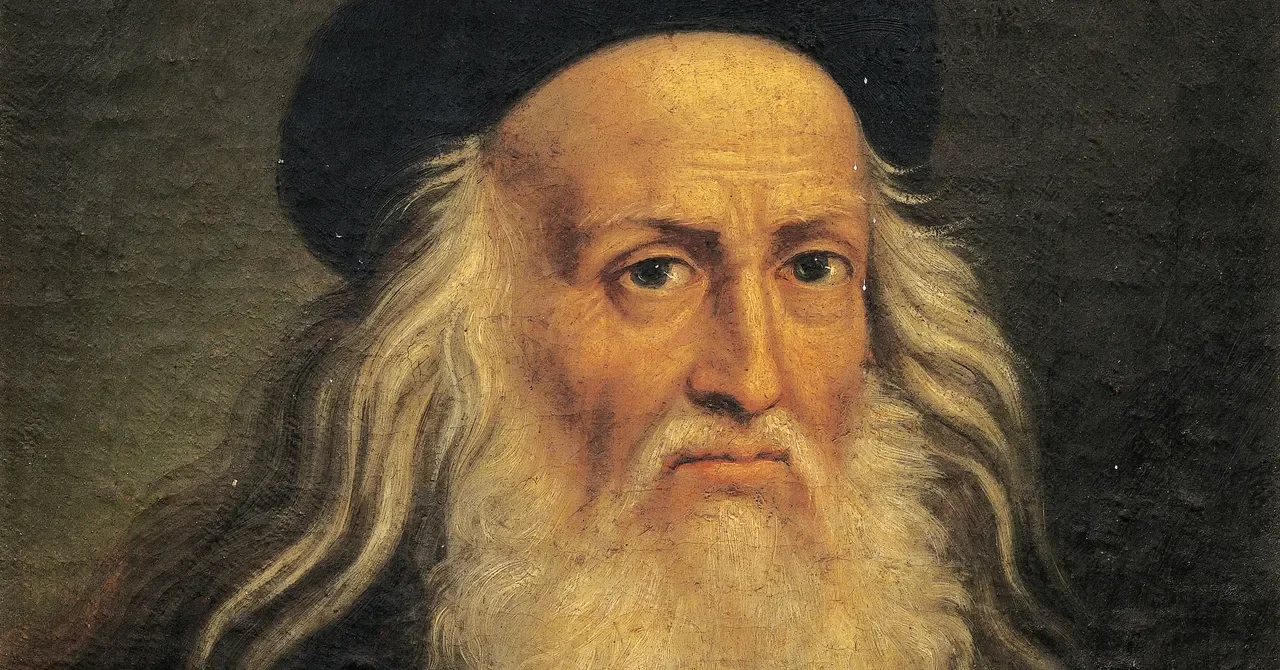
Researchers from the Leonardo da Vinci DNA Project have potentially identified traces of da Vinci's DNA on a Renaissance drawing, using a gentle swabbing method to analyze environmental DNA, though conclusive proof of his identity remains challenging due to the lack of confirmed DNA samples from da Vinci himself and his unknown descendants.
Archaeologists in Hungary discovered 1,100-year-old burials of three related elite warriors, including ornate weapons and coins, with DNA suggesting familial ties, shedding light on the military elite of early medieval Hungary.
Recent DNA sequencing has revealed that bones previously thought to be juvenile woolly mammoths in Arctic regions are actually whale remains, highlighting the importance of modern genetic techniques in accurately identifying fossils and understanding Earth's history.
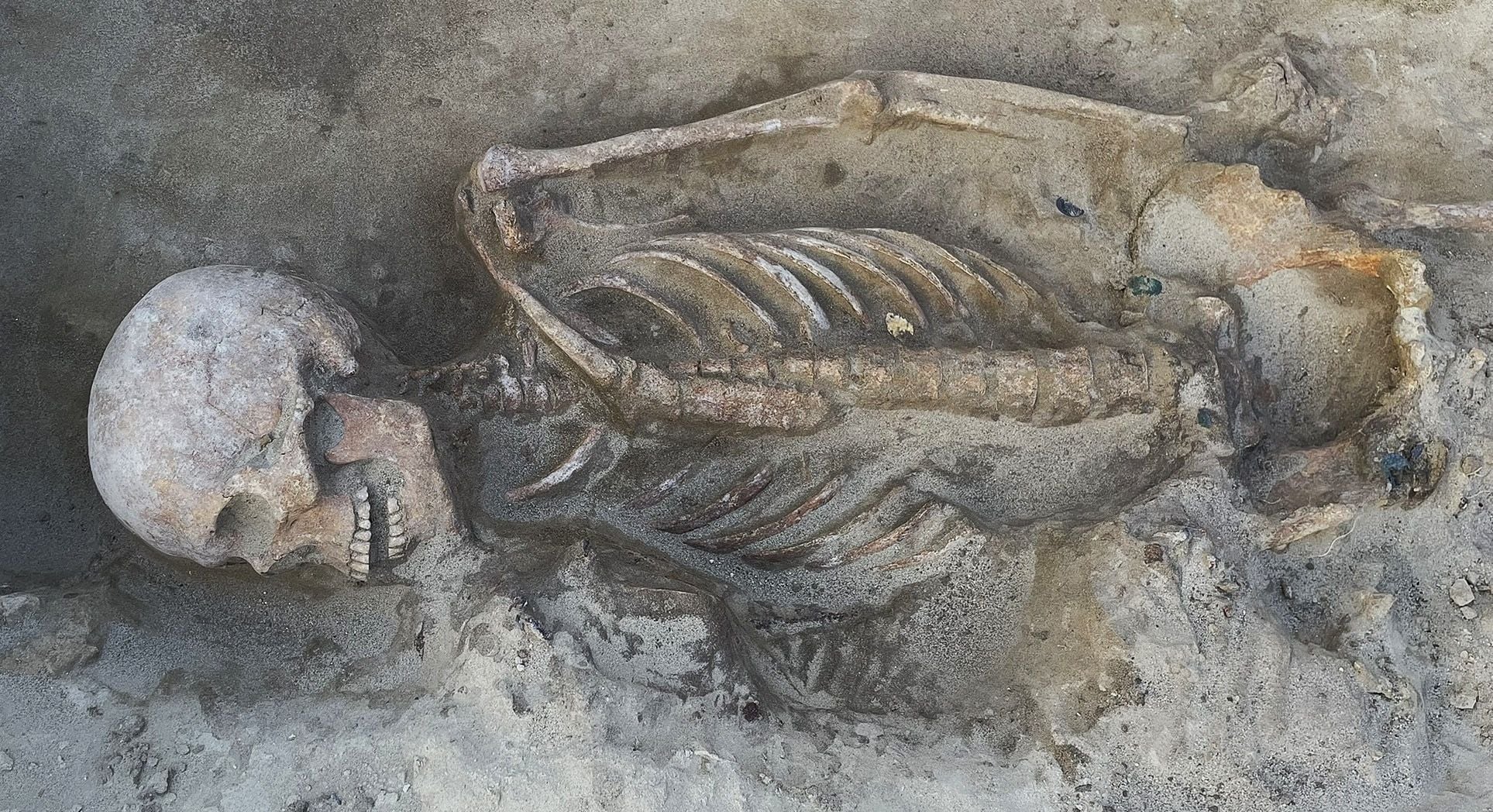
New DNA analysis of the Roman-era Beachy Head Woman confirms she was from southeastern England, lived between A.D. 129 and 311, and had a seafood-rich diet, refining previous theories about her origins.
Researchers confirmed the story from the 12th-century Sverris Saga about a man thrown into a well at Sverresborg Castle using DNA analysis, revealing details about his appearance, possible identity, and the historical accuracy of the saga, thus bridging ancient legend and scientific evidence.
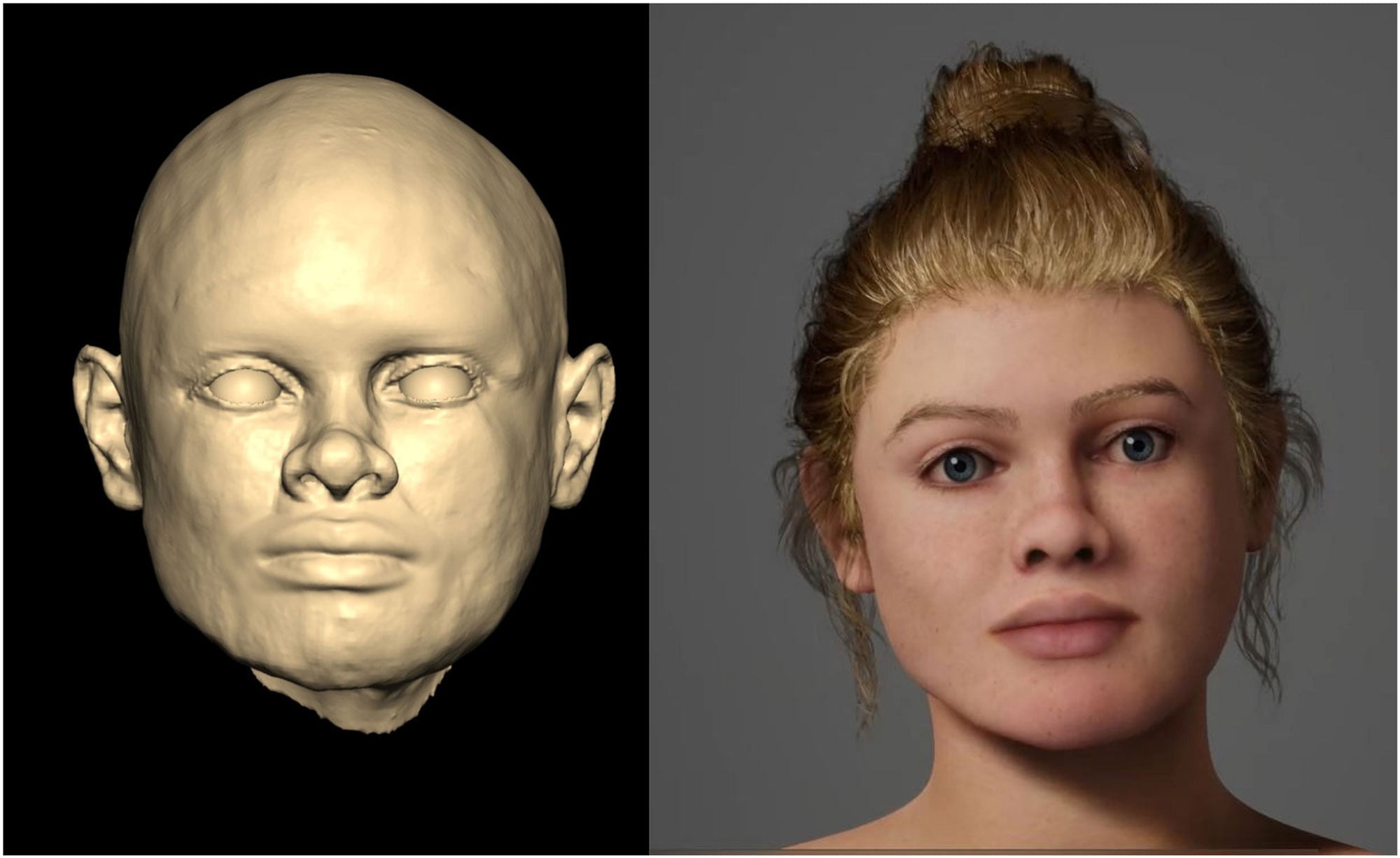
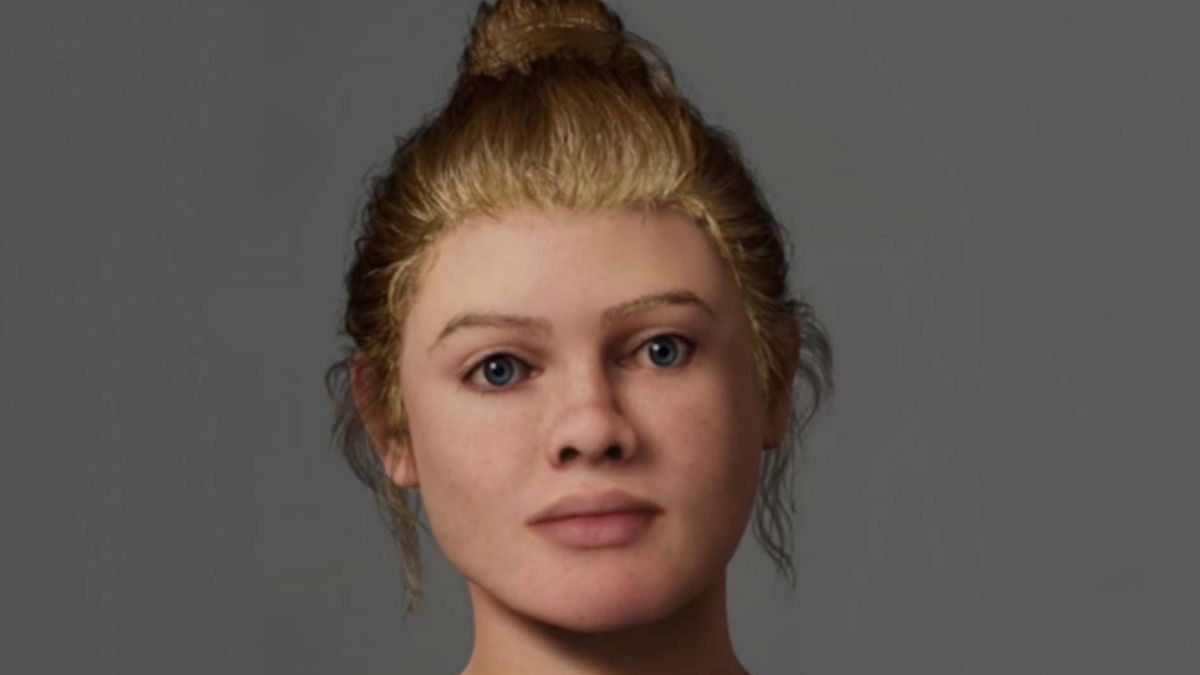
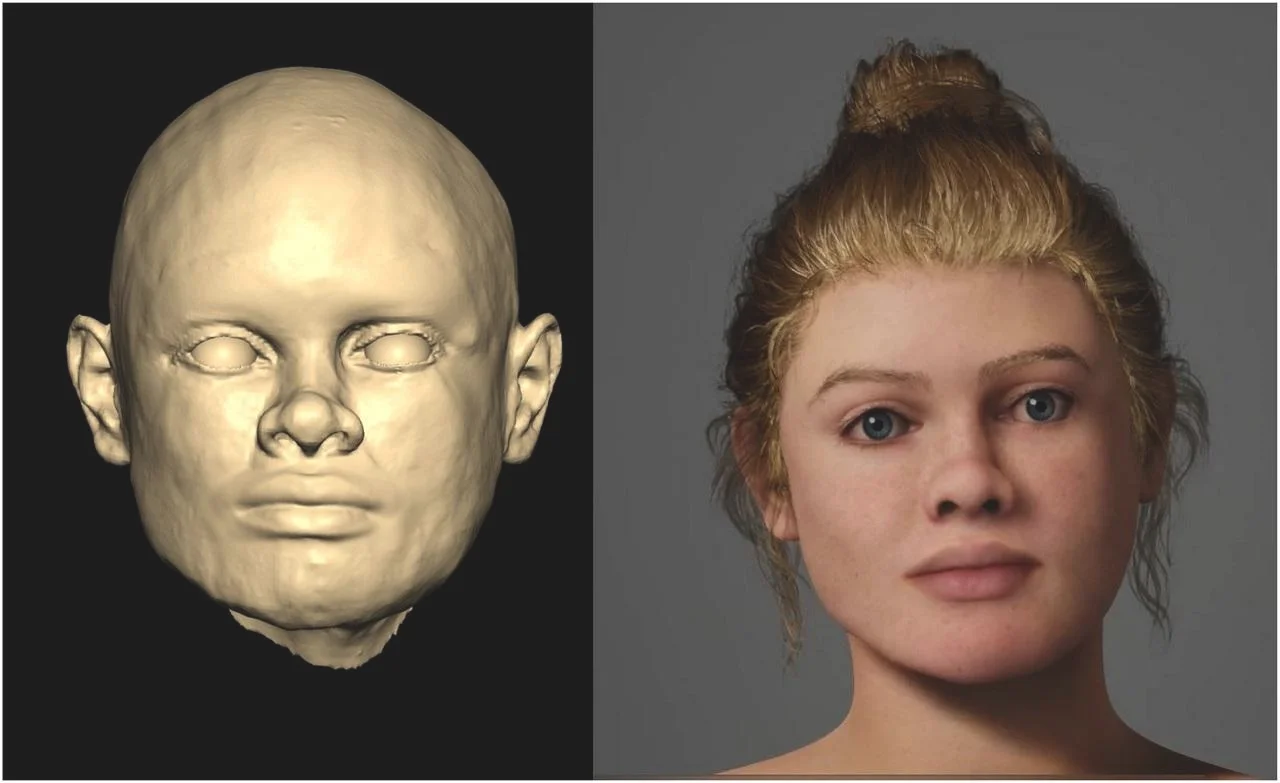
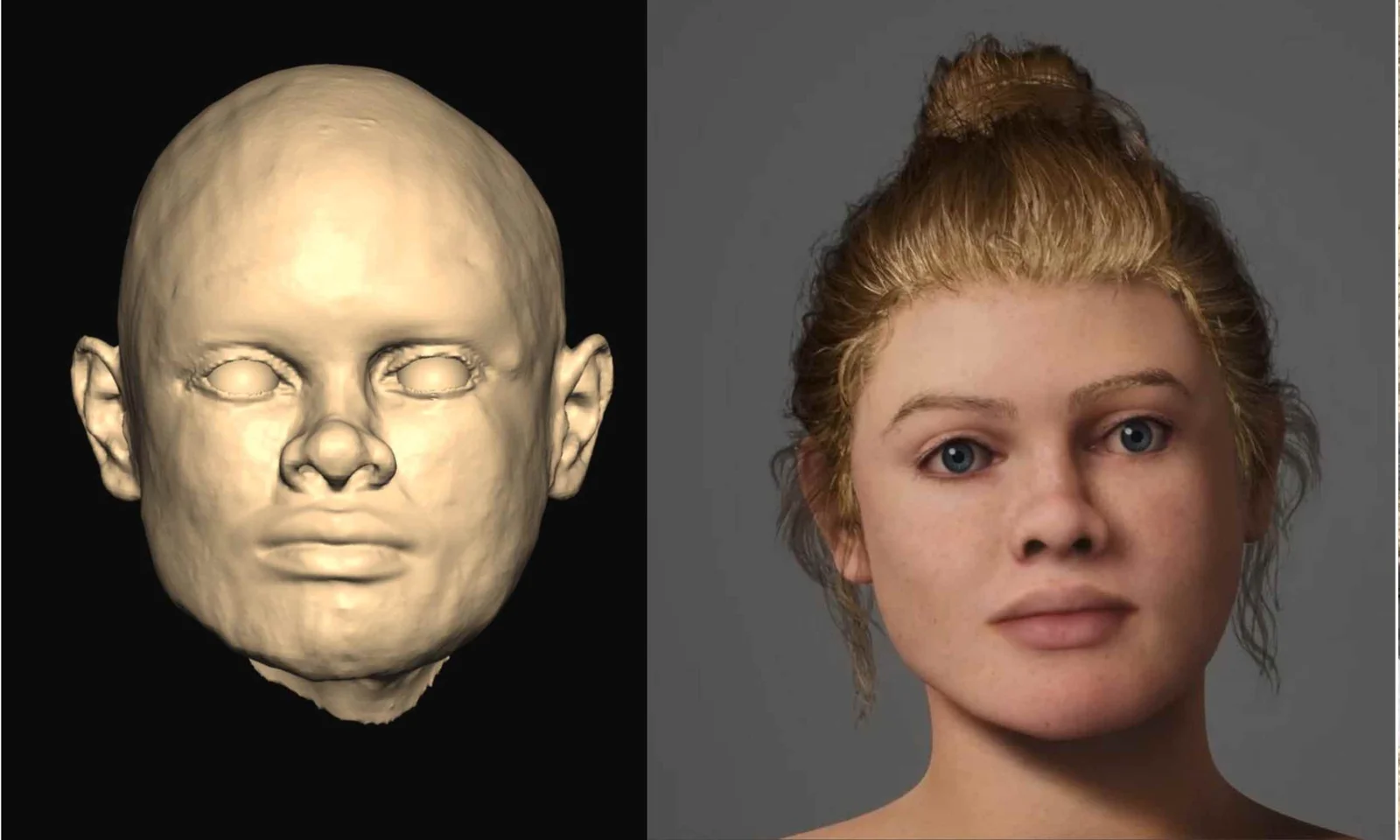
New DNA analysis reveals that the Beachy Head Woman, a Roman-era skeleton from Britain, was likely a local Briton with lighter skin and blue eyes, challenging previous assumptions that she was of African or Mediterranean origin based on her physical features.
A decade-long mystery surrounding the Beachy Head Woman, a Roman-era skeleton found in southern England, has been resolved through advanced DNA analysis, revealing she was a local woman from Roman Britain with no evidence of distant migration, and providing new insights into her life and appearance.
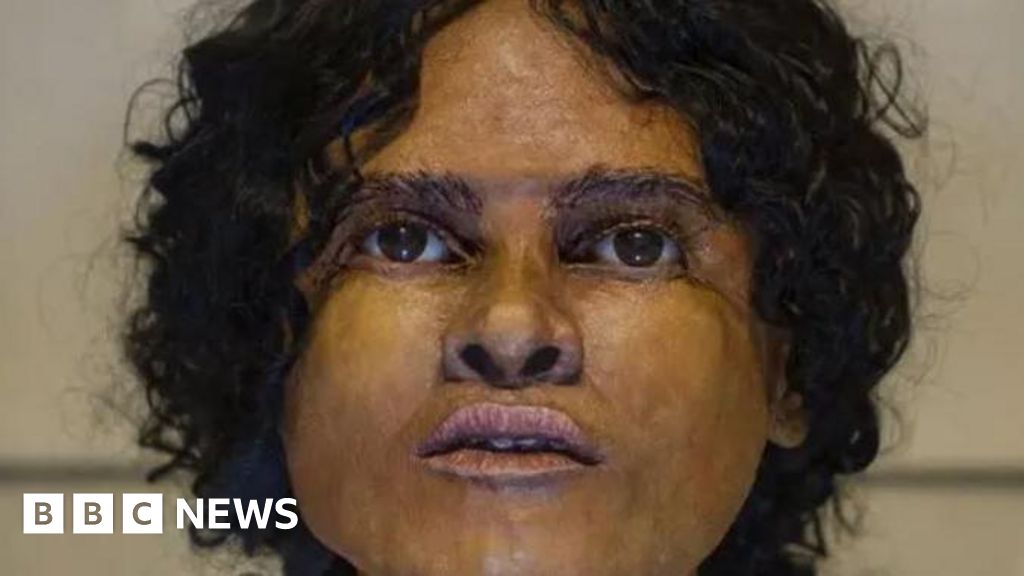
Scientists have revealed that the ancient skeleton known as the 'Beachy Head Lady,' previously thought to be of sub-Saharan African origin, actually had genetic ties to rural Britain, challenging earlier assumptions about her ancestry.
A genomics study reveals that early humans reached Australia around 60,000 years ago via two distinct routes, the northern and southern pathways, with most lineages arriving through the northern route, supporting an earlier settlement date than previously thought.
Channel 4's documentary claims that Adolf Hitler suffered from Kallmann syndrome, which can cause low testosterone and undescended testicles, and reveals high genetic predispositions to autism, schizophrenia, and bipolar disorder, while debunking Jewish ancestry. The documentary emphasizes rigorous scientific analysis of a DNA sample believed to be Hitler's, obtained from fabric in his bunker, and features expert insights to explore how genetics may have influenced his behavior and health.
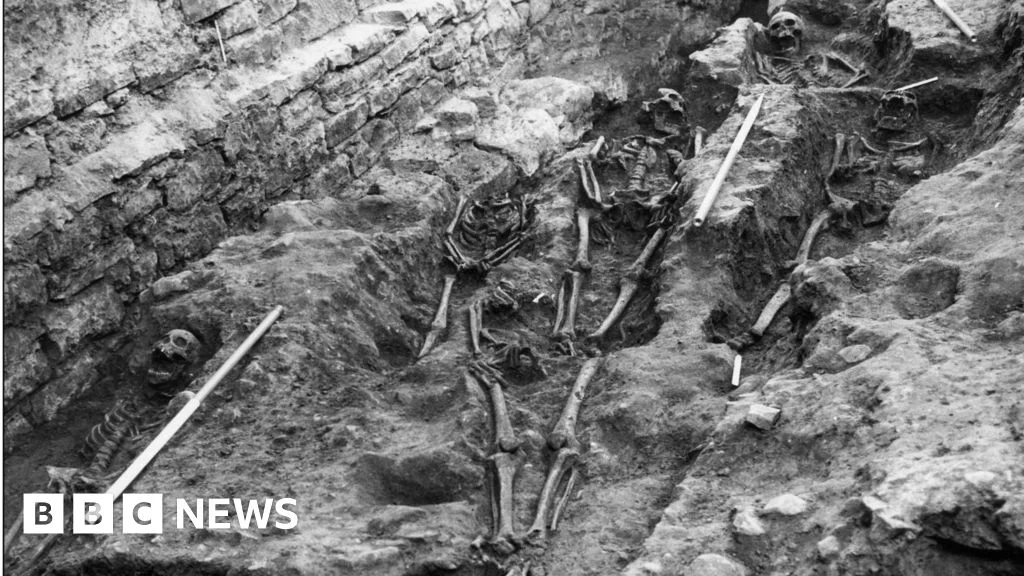
Scientists have found the first scientific evidence of the Black Death in Edinburgh on a teenage skeleton from the 14th century, using advanced DNA testing to confirm the presence of bubonic plague bacteria, providing new insights into the city's medieval history.
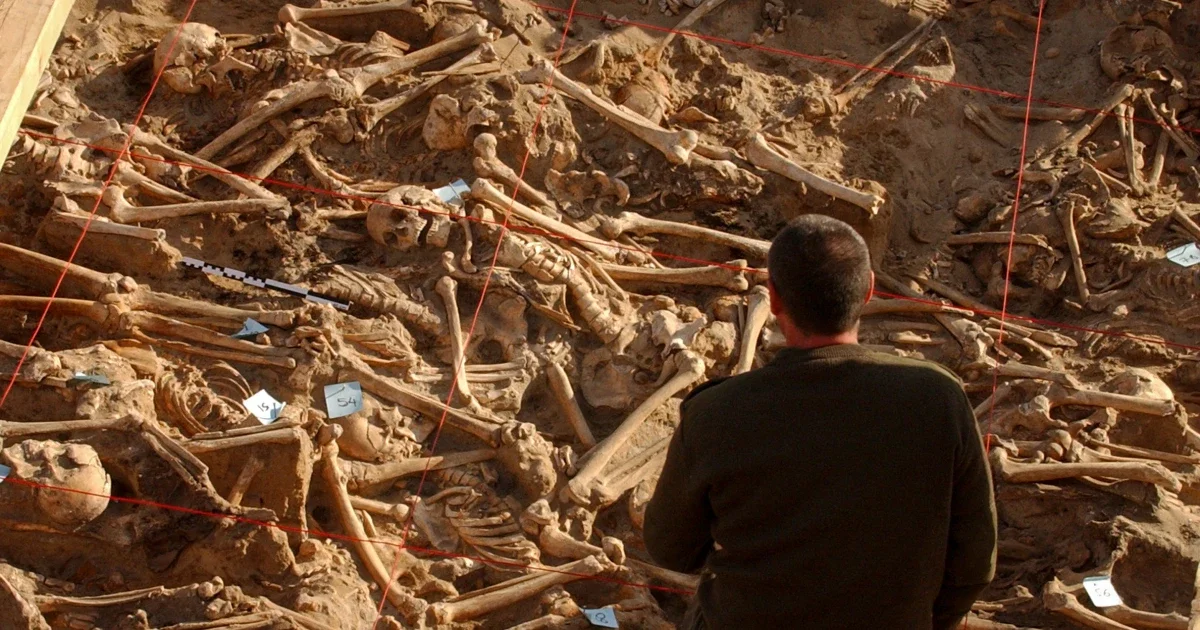
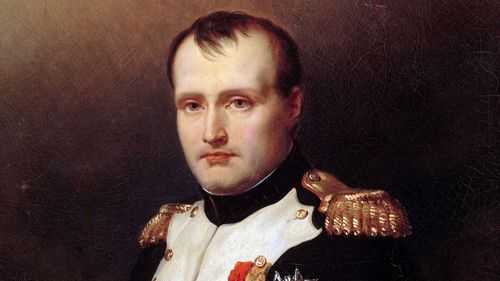
DNA analysis of soldiers' teeth from Napoleon's 1812 Russian campaign revealed that diseases like paratyphoid fever and relapsing fever, rather than just typhus, significantly contributed to the high death toll of the retreating army, highlighting the impact of poor sanitary conditions and infectious diseases on historical military outcomes.
DNA analysis of soldiers from Napoleon's 1812 army reveals multiple infectious diseases, including previously undetected bacteria, contributing to their demise, highlighting advances in ancient DNA technology and understanding of historical events.
DNA analysis of soldiers from Napoleon's 1812 army reveals multiple infectious diseases, including previously undetected bacteria, contributing to their demise, highlighting advances in technology and understanding of historical events.