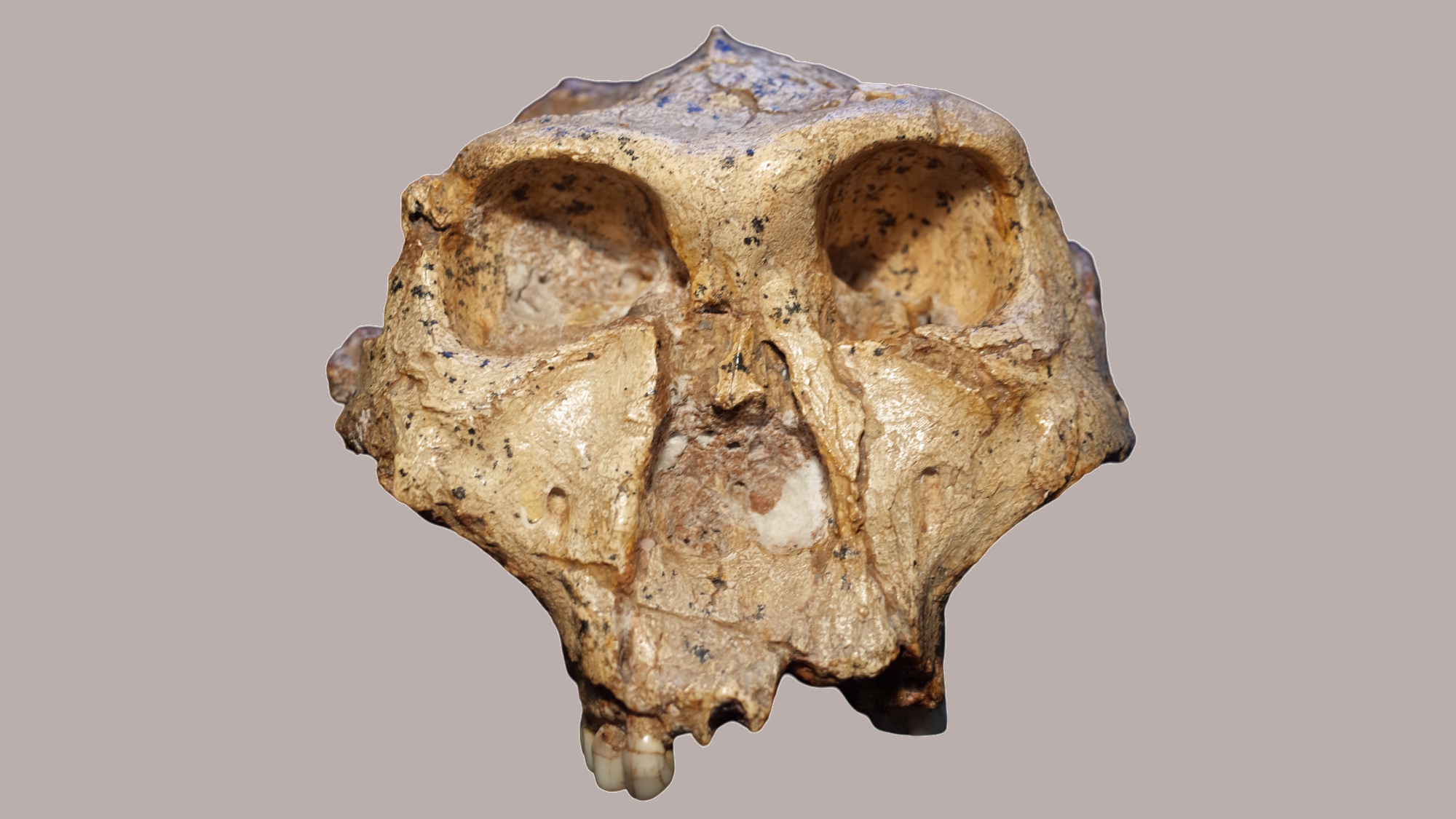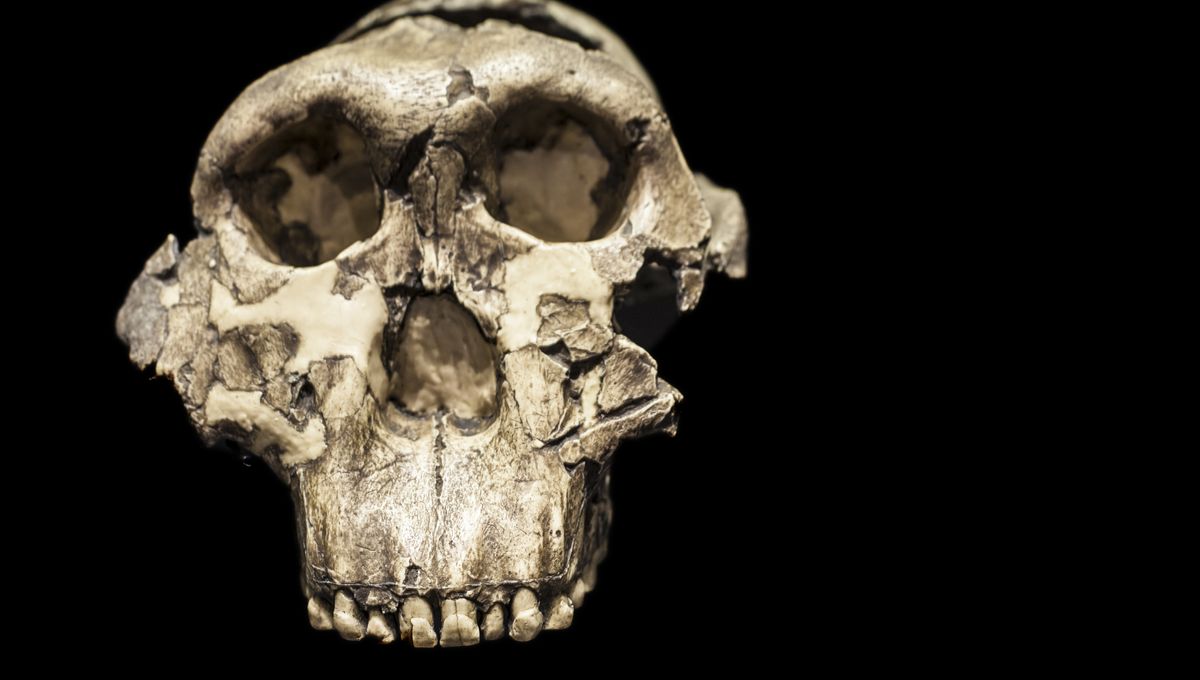
Paranthropus, an extinct genus of robust hominins from Africa, existed for about 1.5 million years and may have made some of the earliest stone tools, challenging the notion that tool-making was exclusive to Homo species. Their distinctive cranial features supported a vegetarian diet, and recent evidence suggests they had a more diverse diet and possibly used tools, highlighting their significance in human evolutionary history.
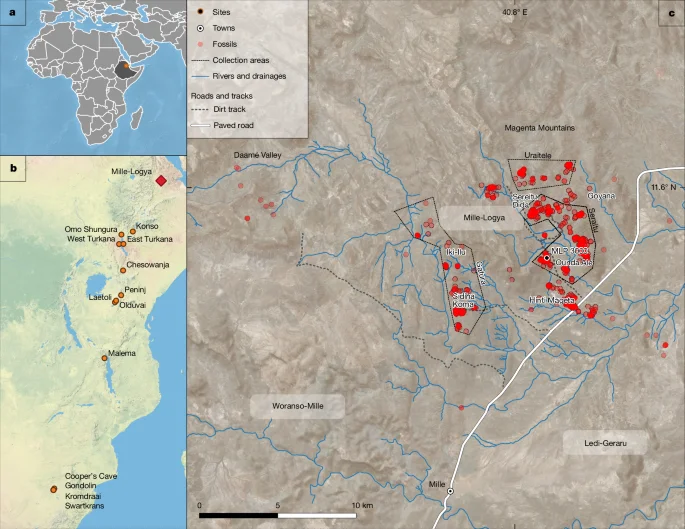
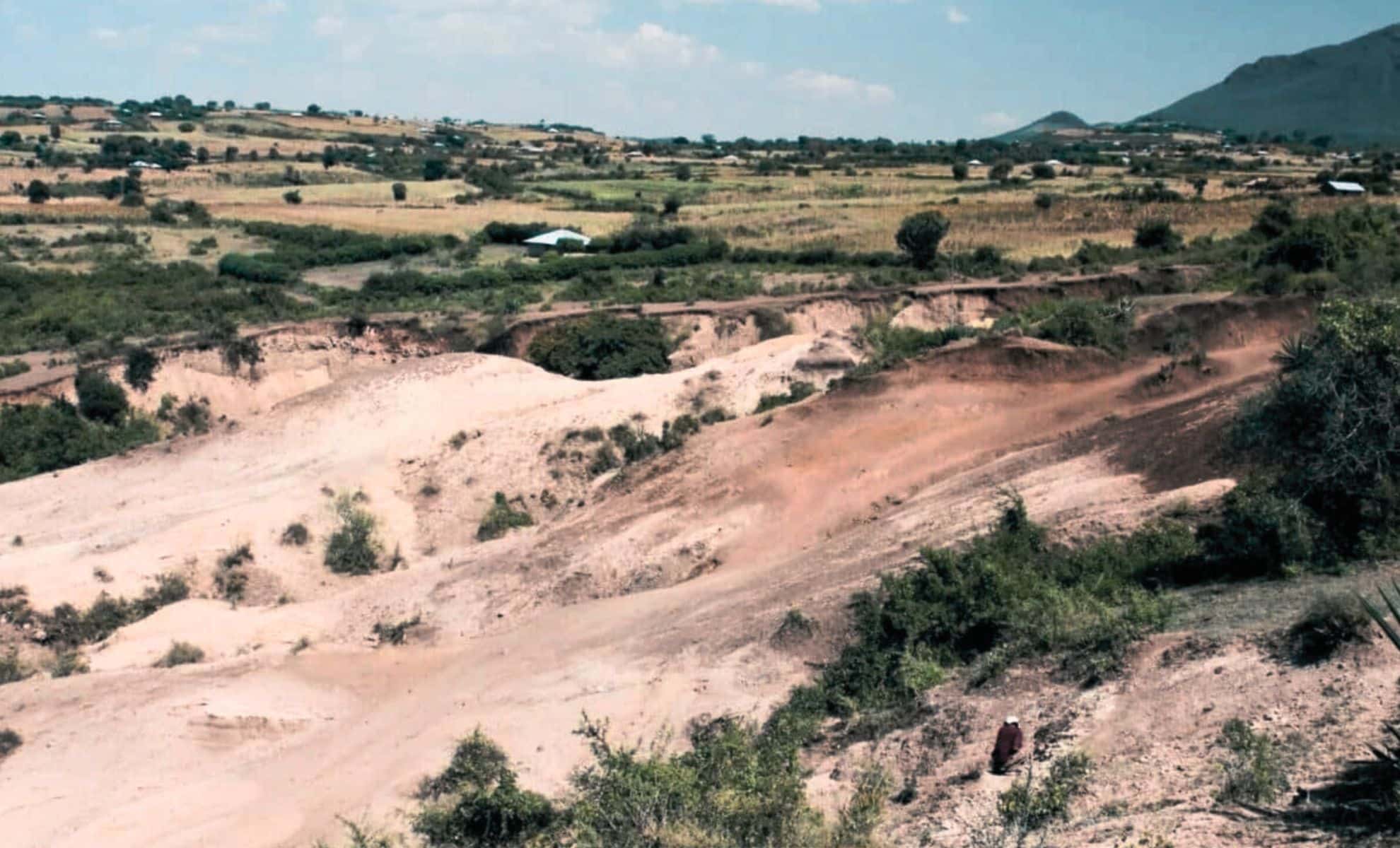
Archaeologists in Kenya have discovered 3-million-year-old stone tools near Paranthropus fossils, challenging previous beliefs that only Homo species made tools and suggesting that early non-Homo hominins may have used tools for butchering large animals, thereby pushing back the timeline of Oldowan technology.
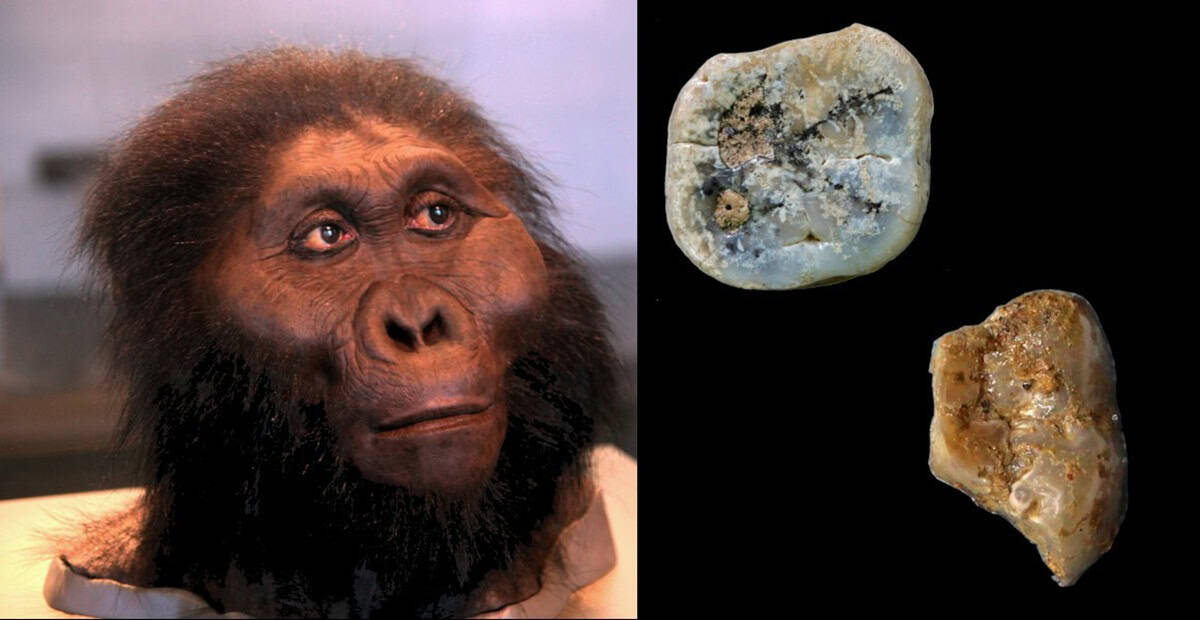
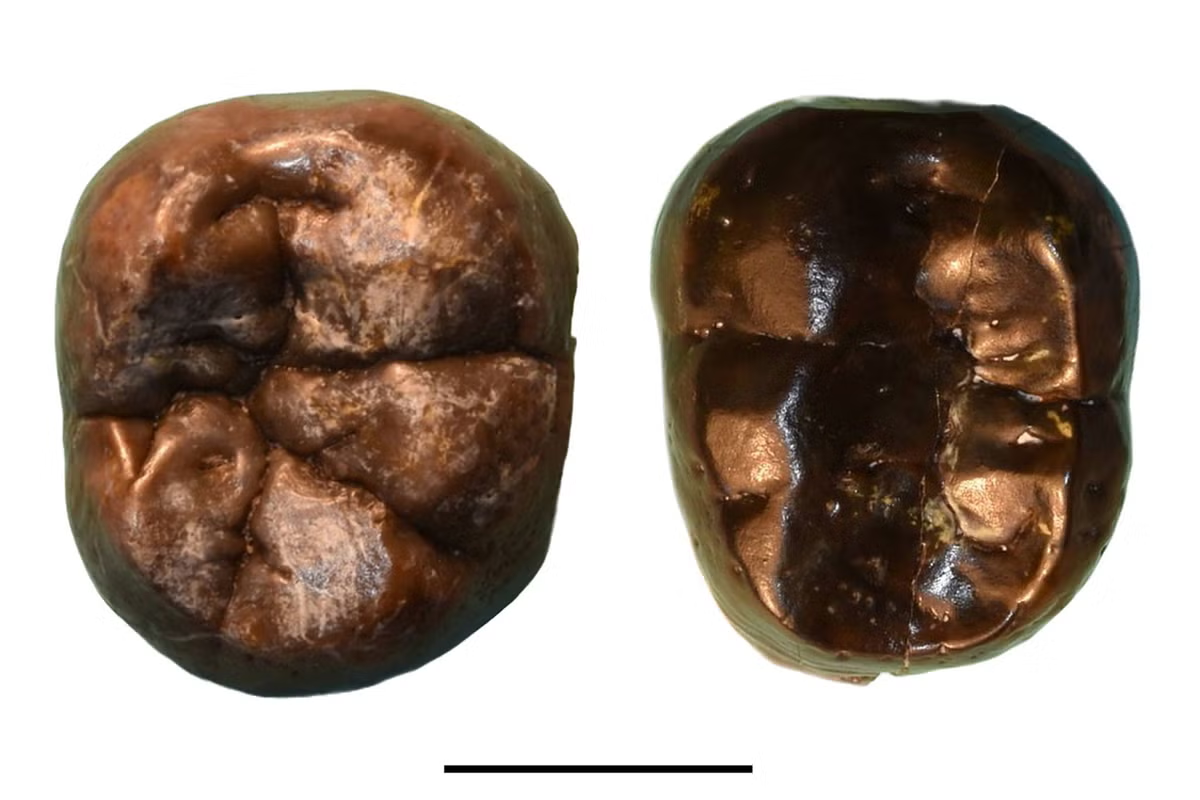
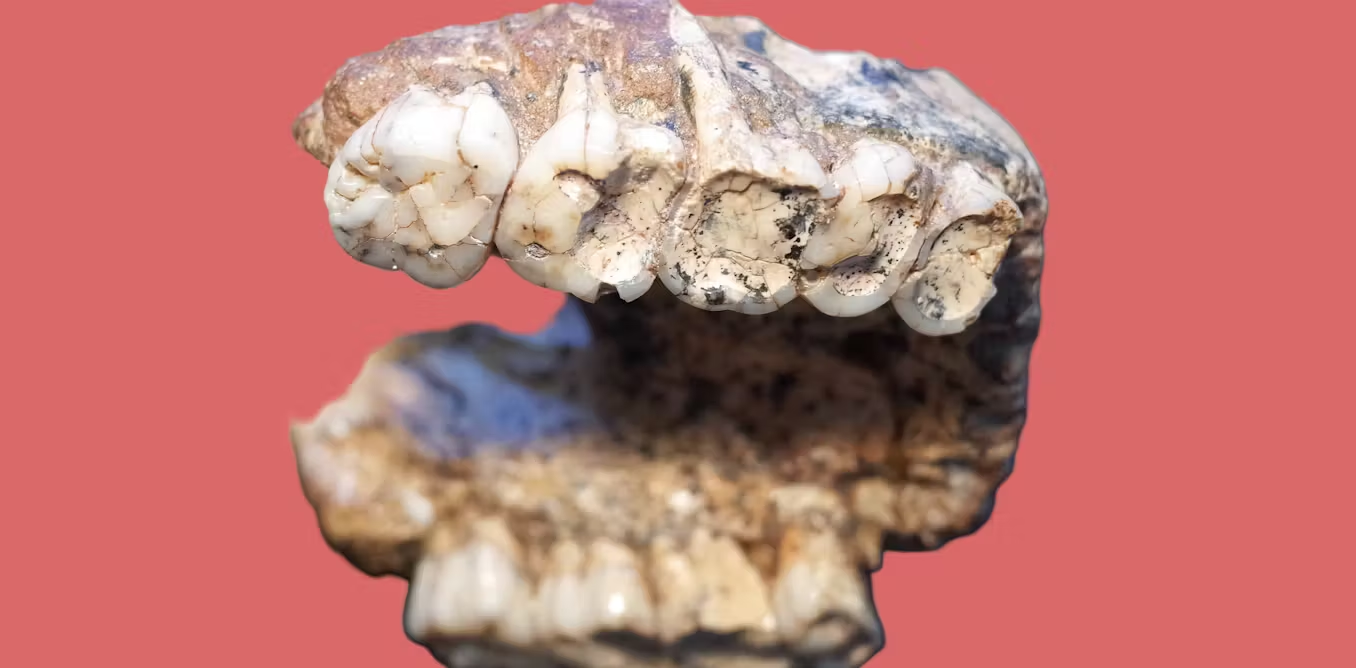
New research suggests that clusters of shallow pits on the enamel of teeth from Paranthropus relatives are likely genetic markers, not disease, providing potential insights into human evolutionary relationships and aiding in fossil identification, though further research is needed.
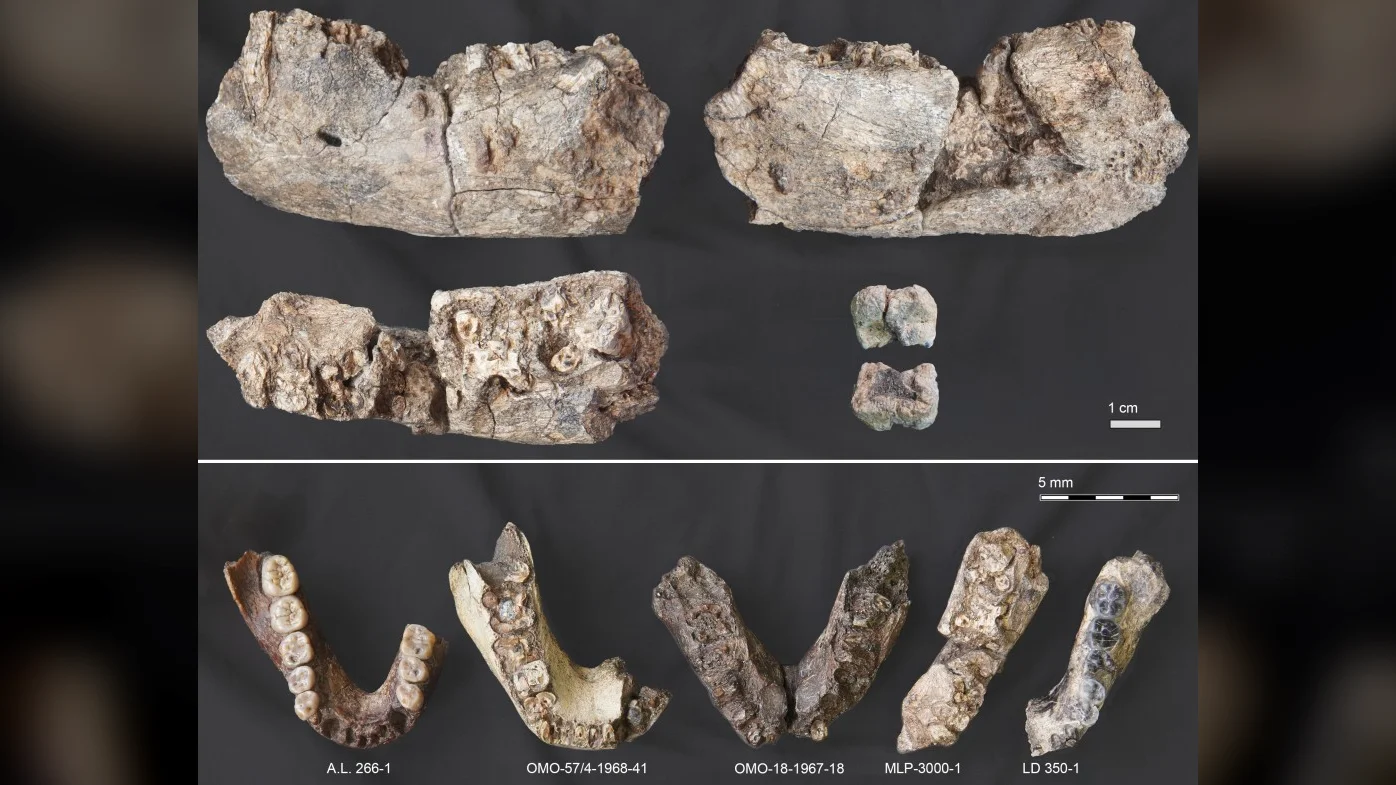
Researchers have identified a new evolutionary marker in fossil teeth—uniform, circular enamel pits—that may help trace the relationships among ancient hominin species, suggesting a genetic origin and offering a new tool for understanding human evolutionary history.
Researchers have identified uniform, shallow pits in fossil teeth, particularly in Paranthropus species, which are likely genetic traits rather than signs of disease or malnutrition. These pits could serve as new markers to trace evolutionary relationships among ancient hominins, offering insights into human ancestry and divergence.
Researchers have discovered that tiny, uniform pits in fossil teeth, previously thought to be defects, may actually be a genetic trait that helps trace human evolutionary relationships, particularly among Paranthropus and Australopithecus species, offering a new tool for understanding our ancestors' lineage.
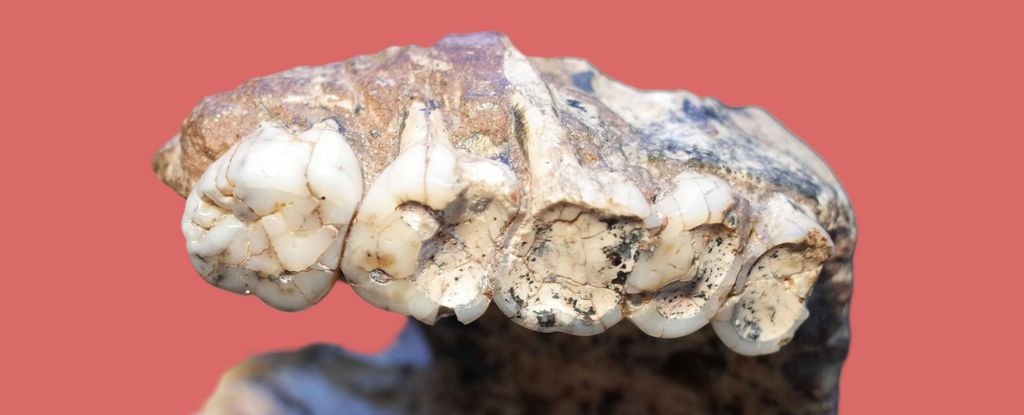
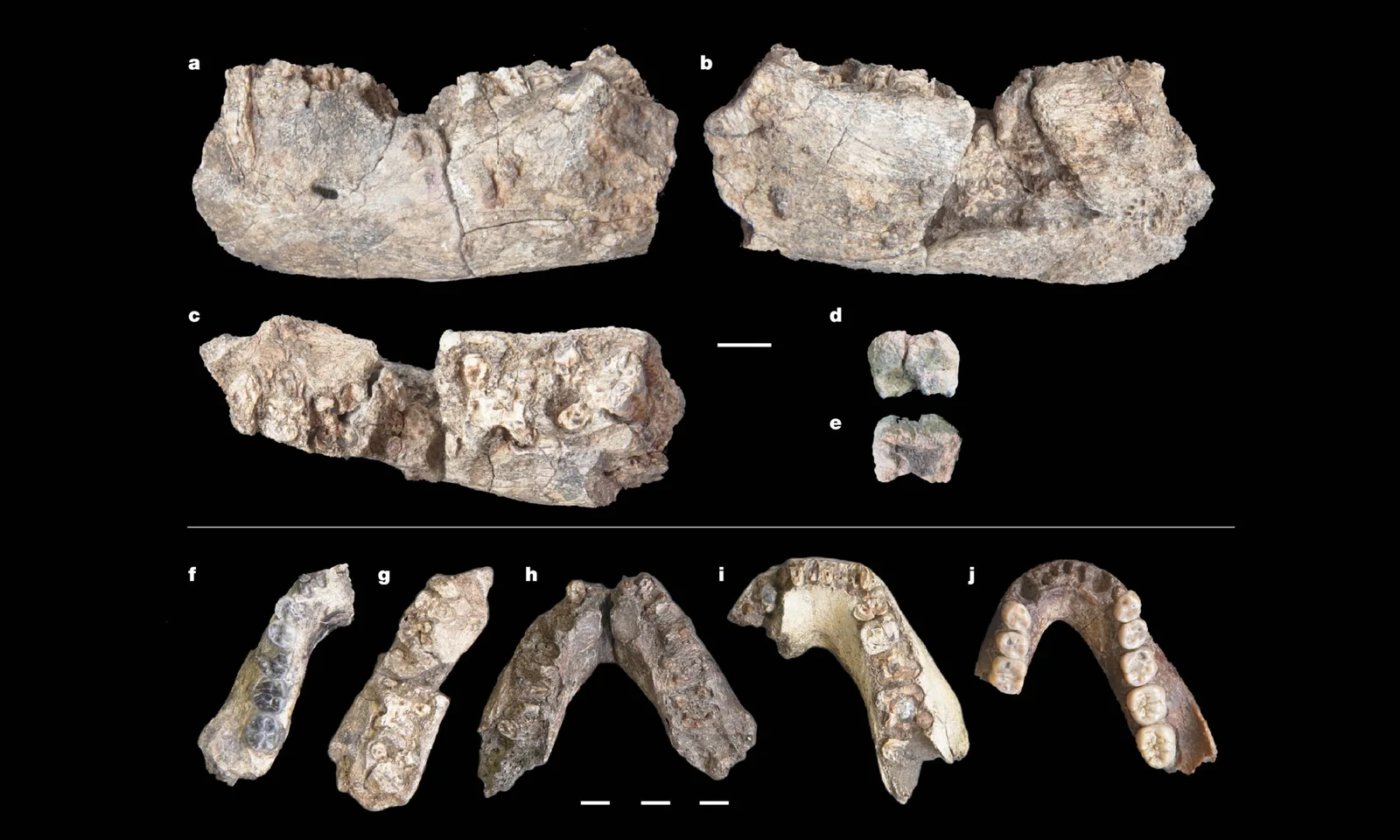
Scientists used palaeoproteomics to analyze 2-million-year-old teeth from South Africa, successfully determining the biological sex of Paranthropus robustus individuals for the first time, revealing significant genetic diversity within the genus and providing new insights into early hominin evolution.