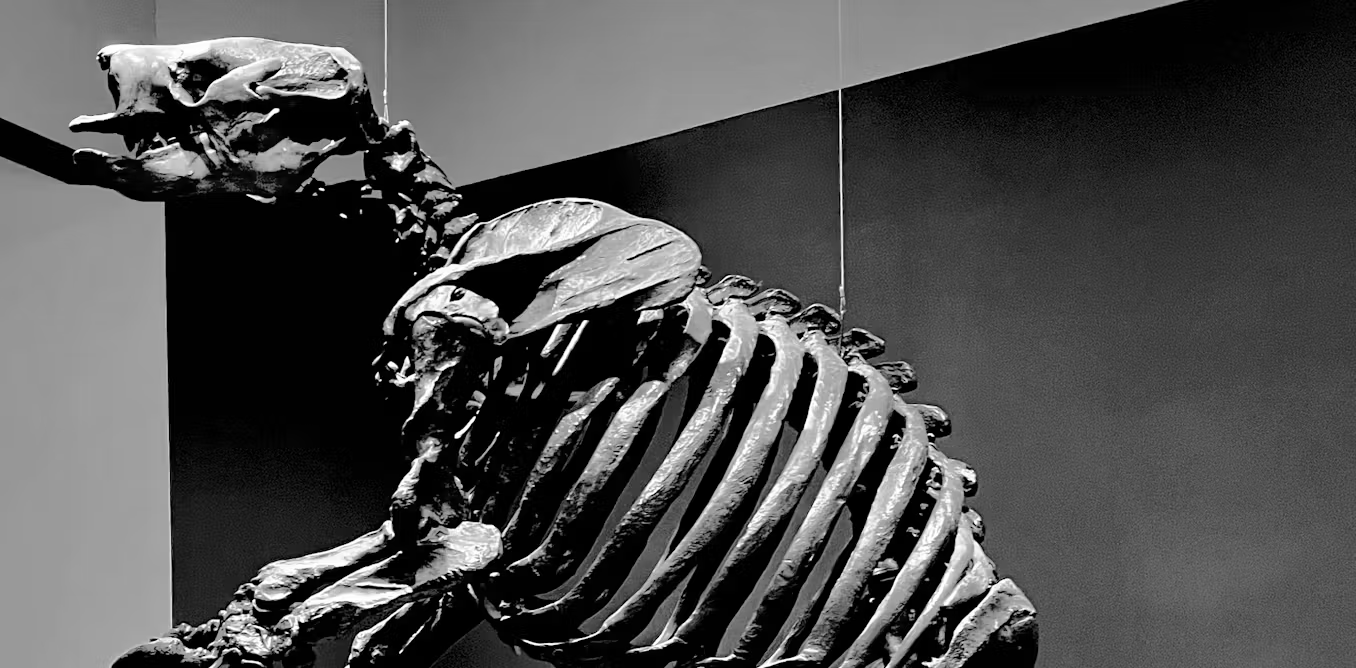
Fossilized teeth of giant ground sloths reveal their diverse diets and ecological roles in the Pleistocene, highlighting how their extinction led to significant ecological changes and loss of ecosystem engineering functions, with modern sloths only hinting at their ancient environmental influence.
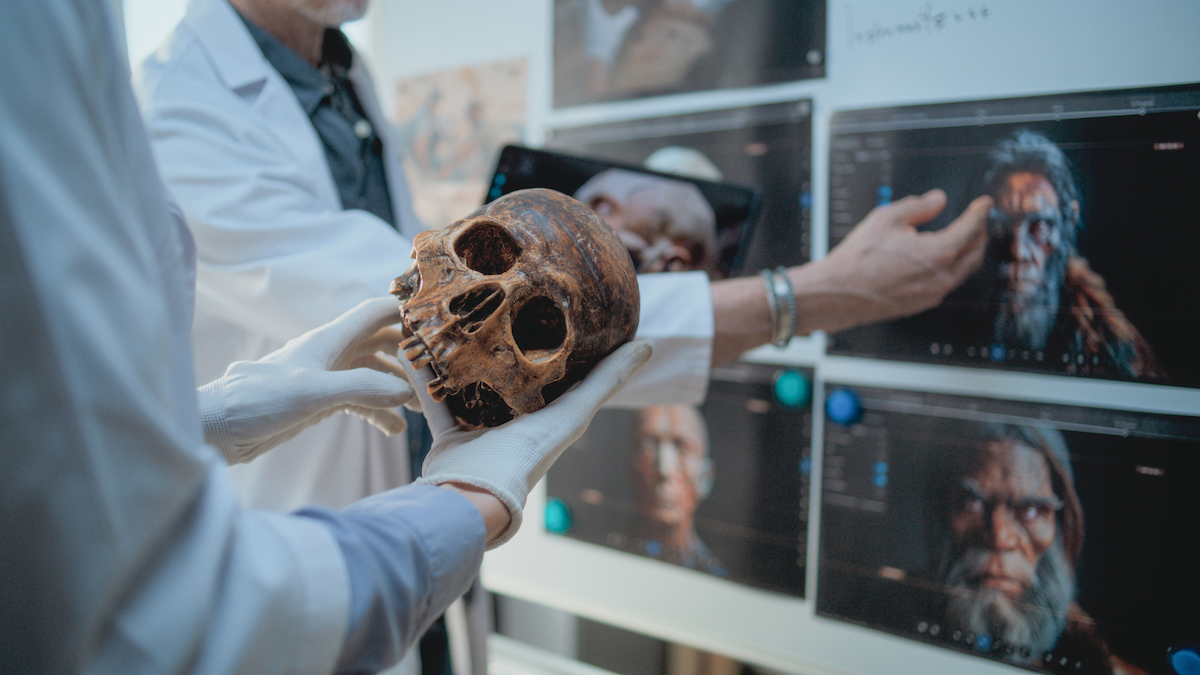
A study suggests that natural lead exposure over millions of years may have provided early humans with a neurological advantage over Neanderthals, possibly influencing the development of language and survival traits, while also highlighting the complex role of environmental toxins in human evolution.
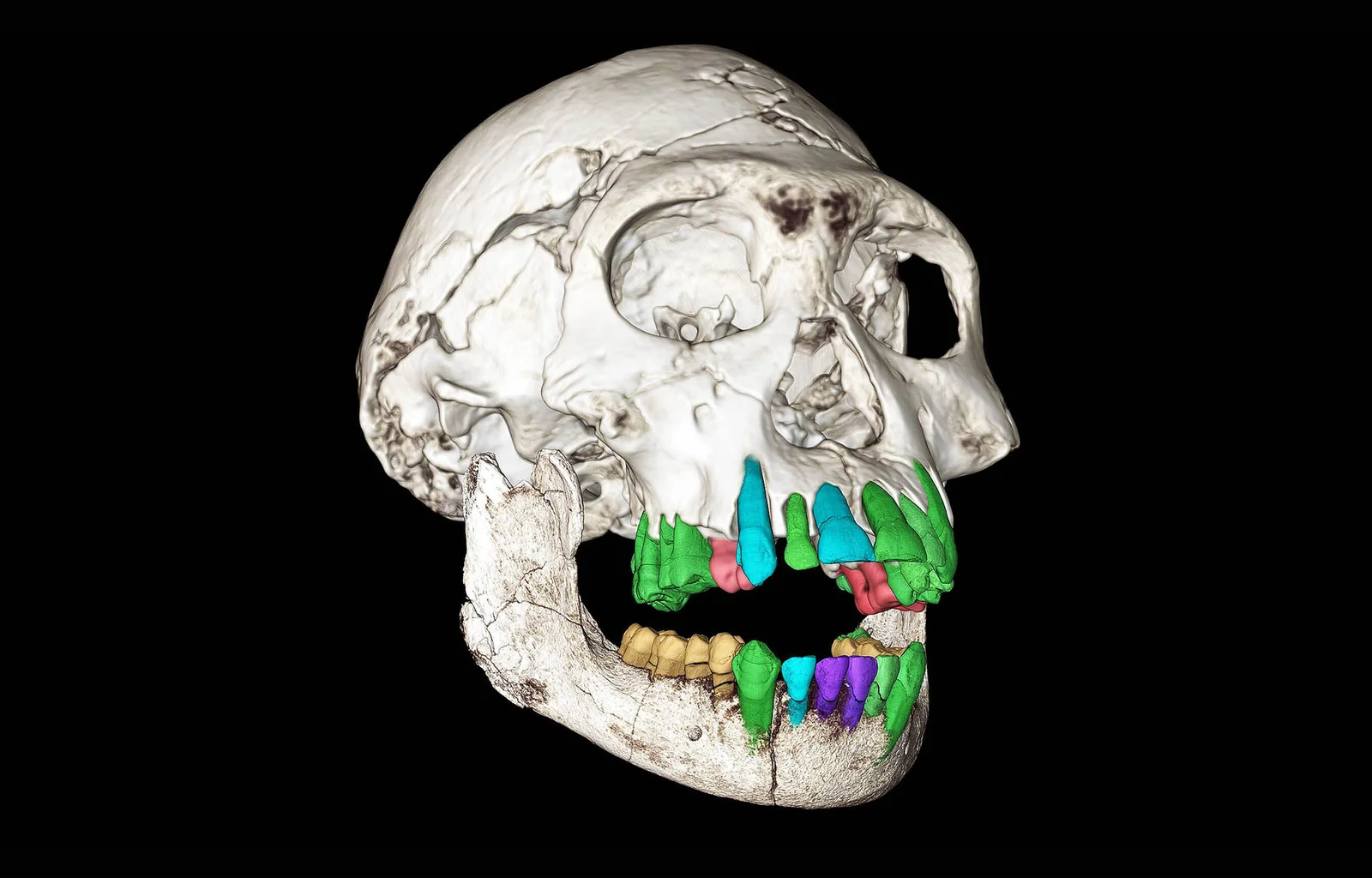
Fossil teeth from an 11-year-old early Homo individual suggest that prolonged childhood in humans may have evolved to support cultural learning and social support, rather than solely brain size increase, challenging traditional views on human development.
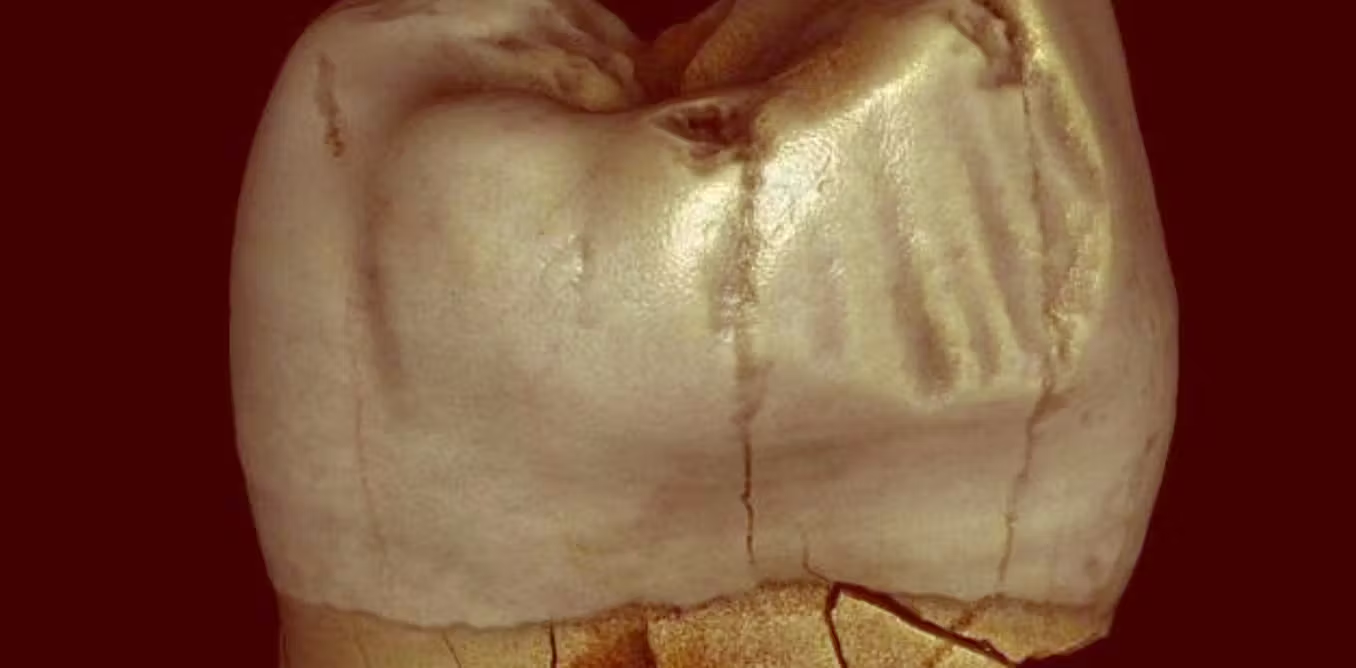
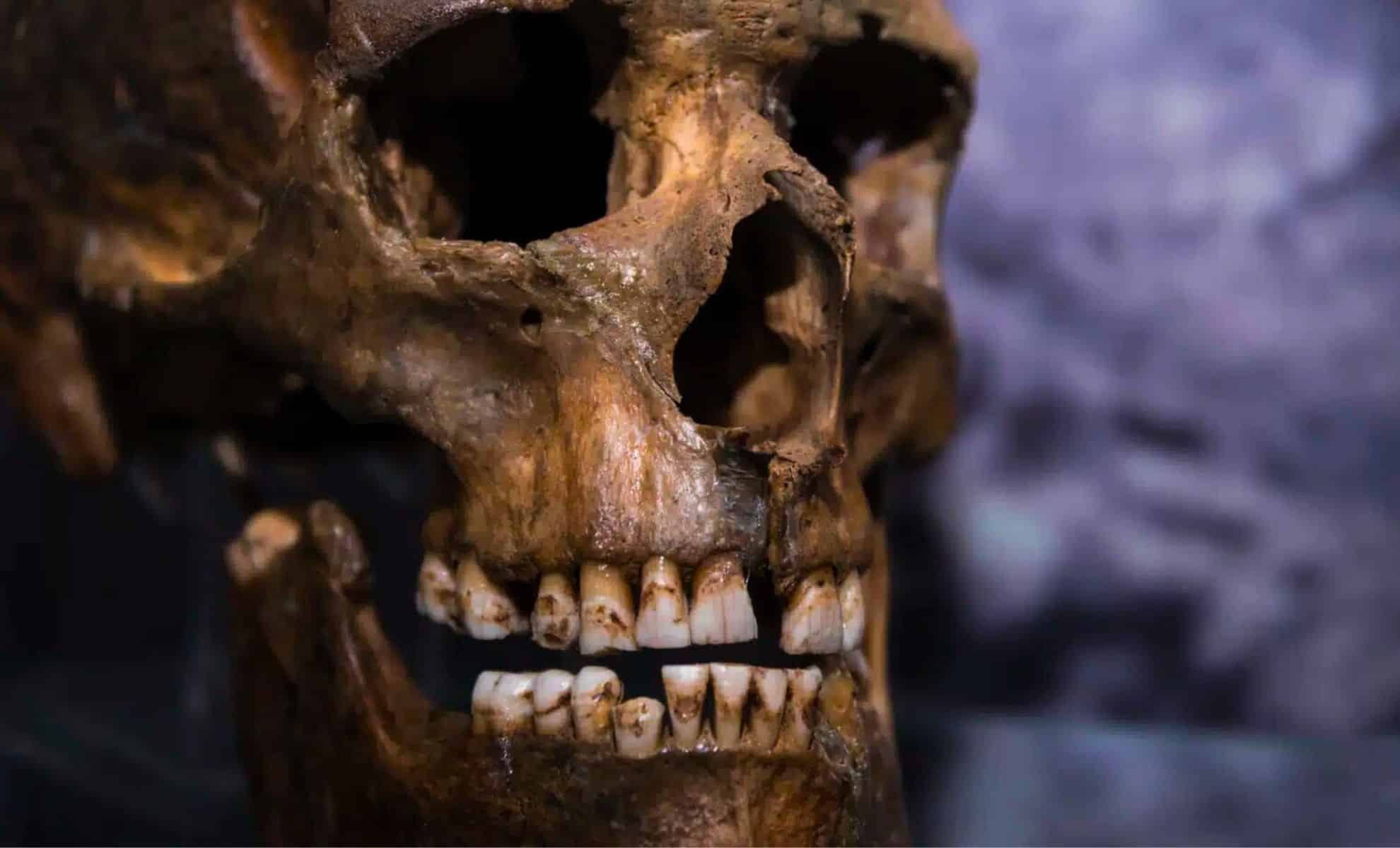
New research challenges the idea that grooves in ancient human teeth were caused by toothpicks, showing that similar grooves occur naturally in wild primates and that modern dental issues like abfraction lesions are likely uniquely human, influenced by modern diets and habits.
A 300,000-year-old Chinese fossil discovery reveals a unique blend of archaic and modern human features, suggesting an unknown lineage or complex interbreeding, challenging existing human evolutionary models and highlighting Asia's role in human diversity.
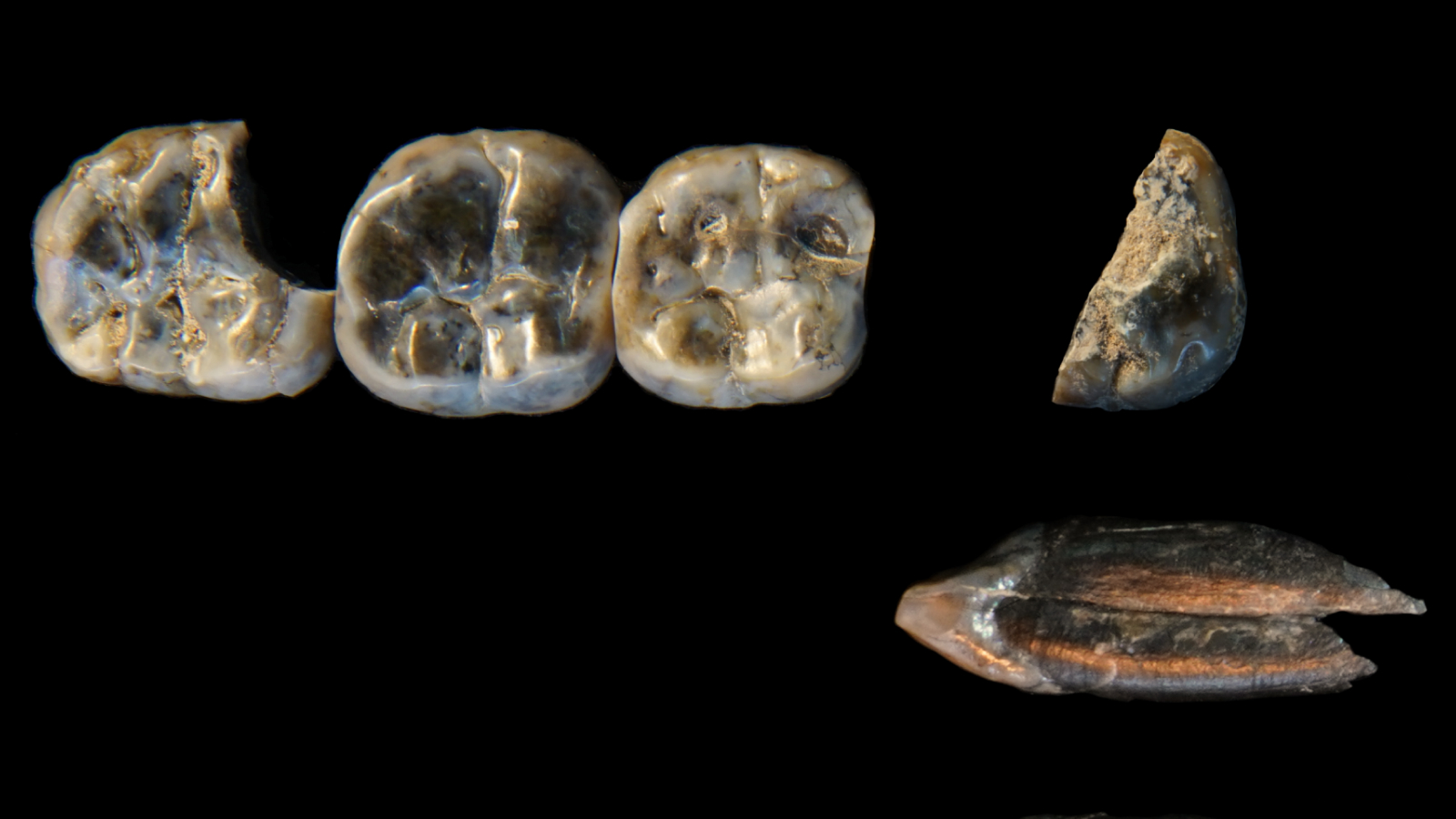
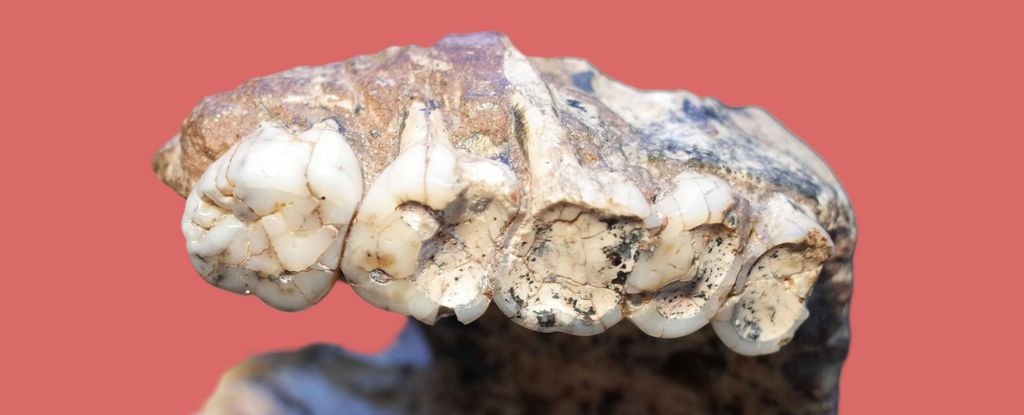
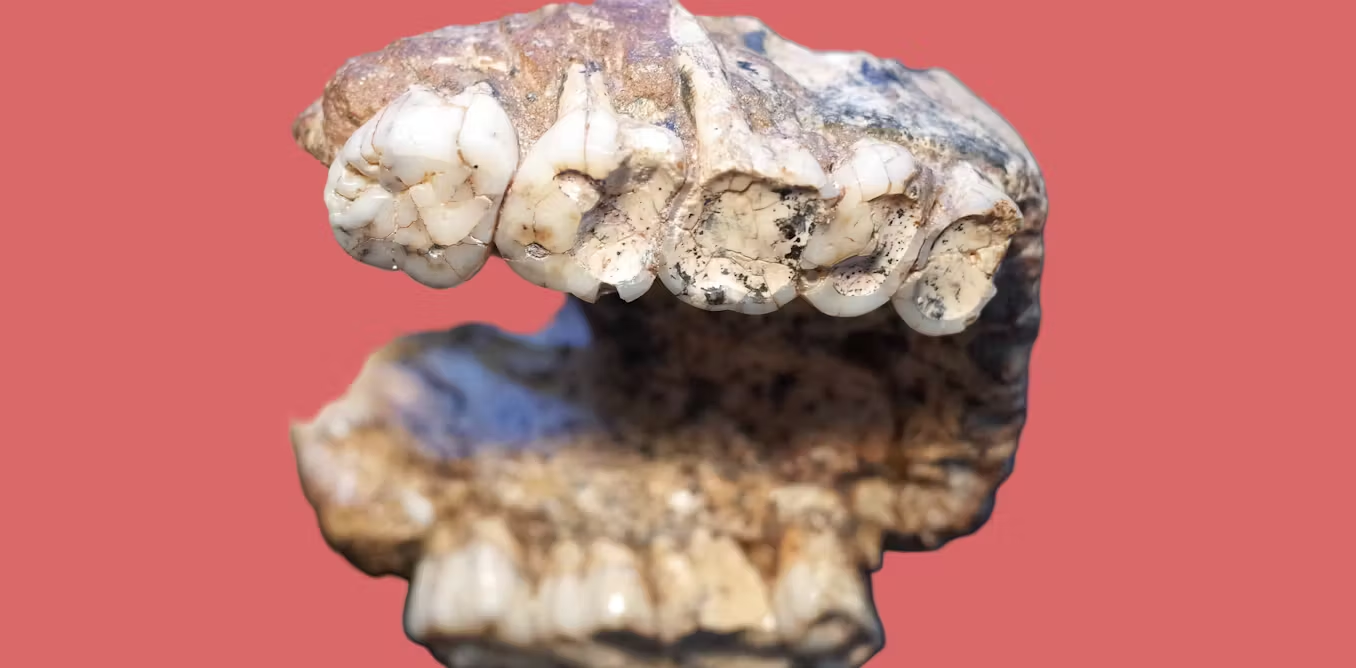
Fossilized teeth from about 2.6 million years ago found in Ethiopia suggest the existence of a previously unknown early human relative, alongside evidence of early Homo species, indicating multiple hominin lineages coexisted in the region during that period.
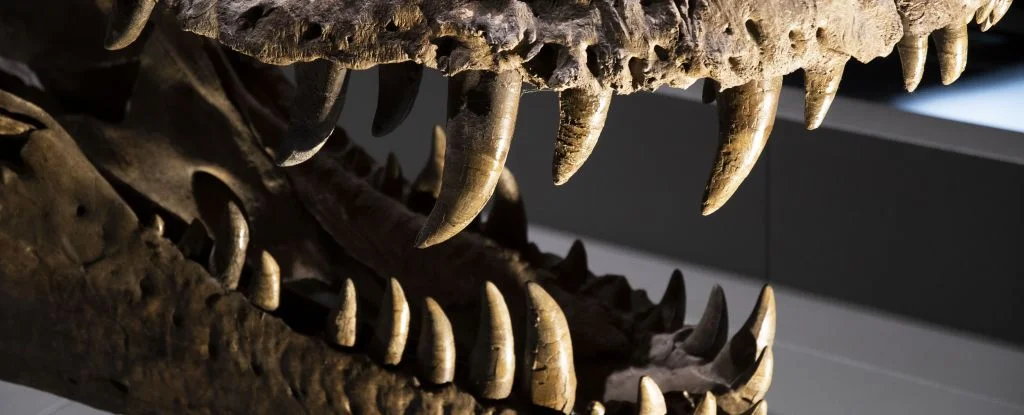
Scientists have reconstructed prehistoric atmospheric conditions by analyzing oxygen isotopes in dinosaur teeth, revealing high CO2 levels during the Mesozoic era and potential links to volcanic activity, providing new insights into the climate dinosaurs experienced and the Earth's history.
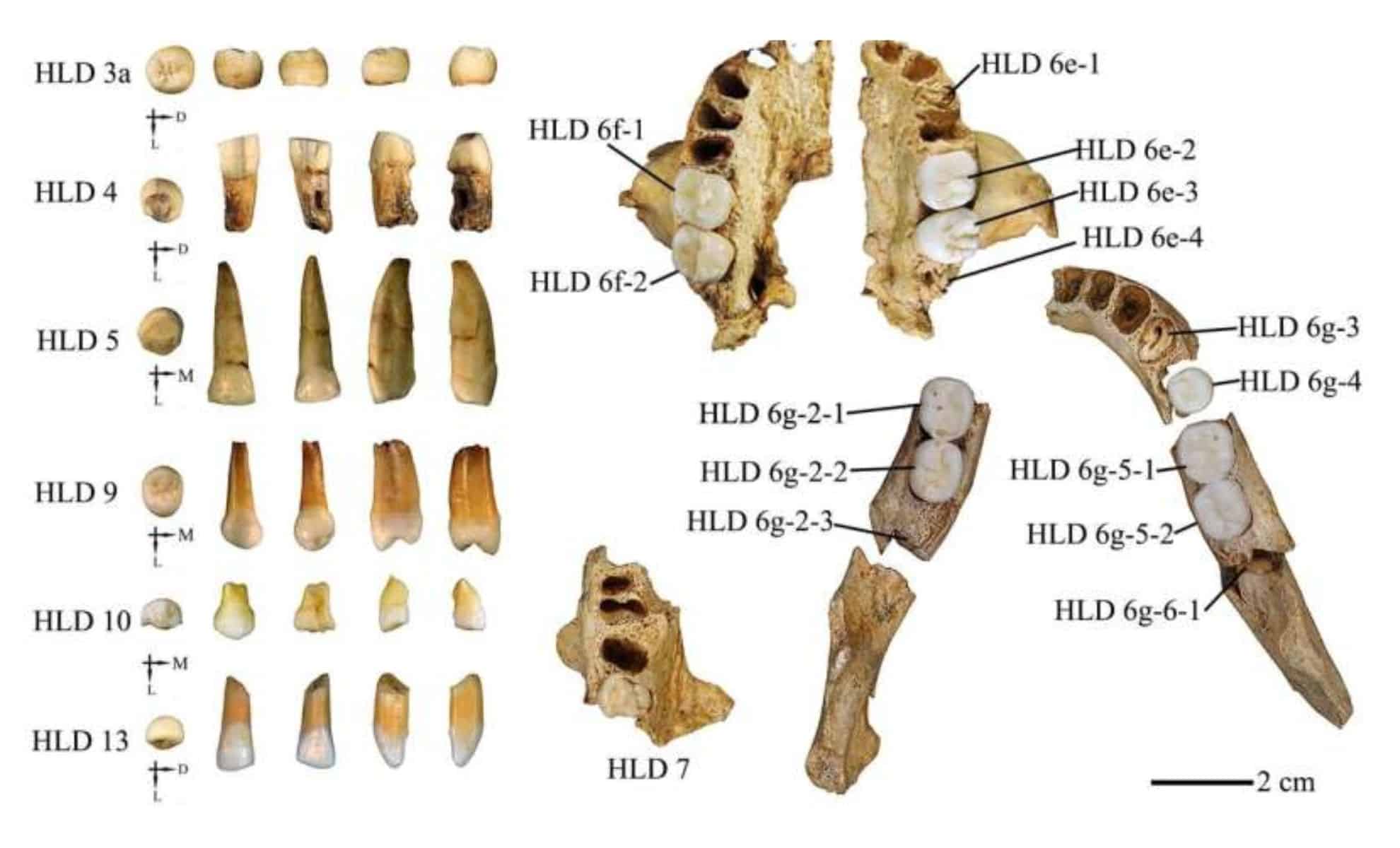
Fossilized teeth from the Hualongdong site in China reveal a complex mix of primitive and modern human traits over 300,000 years ago, challenging traditional views of linear human evolution in Asia and suggesting a diverse and intricate evolutionary history.
Scientists have discovered preserved proteins in 18-million-year-old fossilized teeth, challenging previous beliefs about protein degradation over time and opening new avenues for studying ancient life and evolution through molecular analysis.
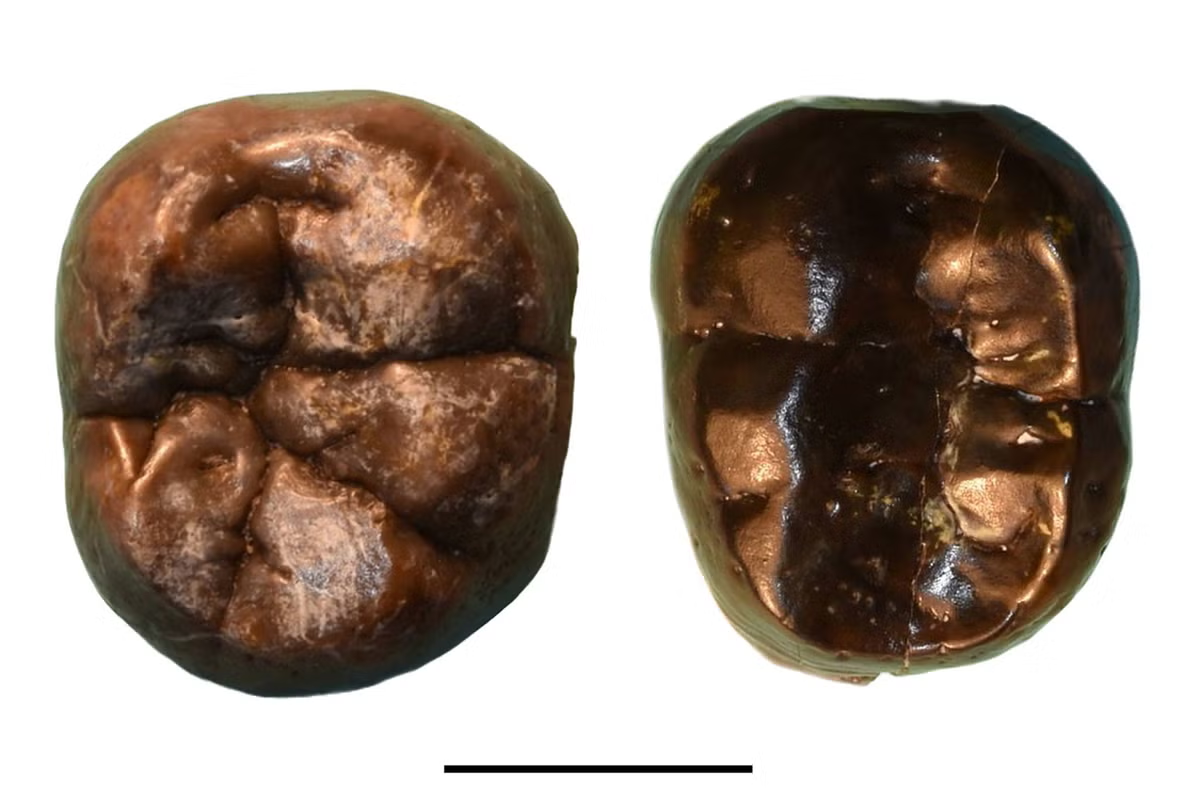
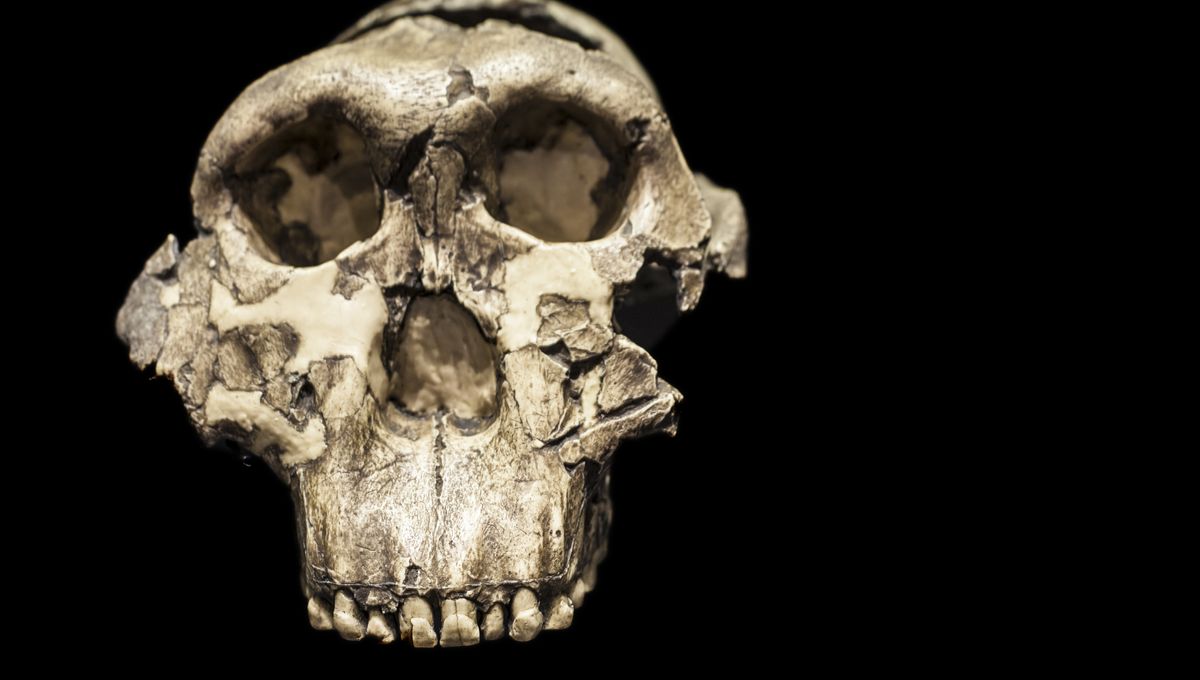
New research suggests that clusters of shallow pits on the enamel of teeth from Paranthropus relatives are likely genetic markers, not disease, providing potential insights into human evolutionary relationships and aiding in fossil identification, though further research is needed.
Researchers have identified a new evolutionary marker in fossil teeth—uniform, circular enamel pits—that may help trace the relationships among ancient hominin species, suggesting a genetic origin and offering a new tool for understanding human evolutionary history.
Researchers have identified uniform, shallow pits in fossil teeth, particularly in Paranthropus species, which are likely genetic traits rather than signs of disease or malnutrition. These pits could serve as new markers to trace evolutionary relationships among ancient hominins, offering insights into human ancestry and divergence.
Researchers have discovered that tiny, uniform pits in fossil teeth, previously thought to be defects, may actually be a genetic trait that helps trace human evolutionary relationships, particularly among Paranthropus and Australopithecus species, offering a new tool for understanding our ancestors' lineage.
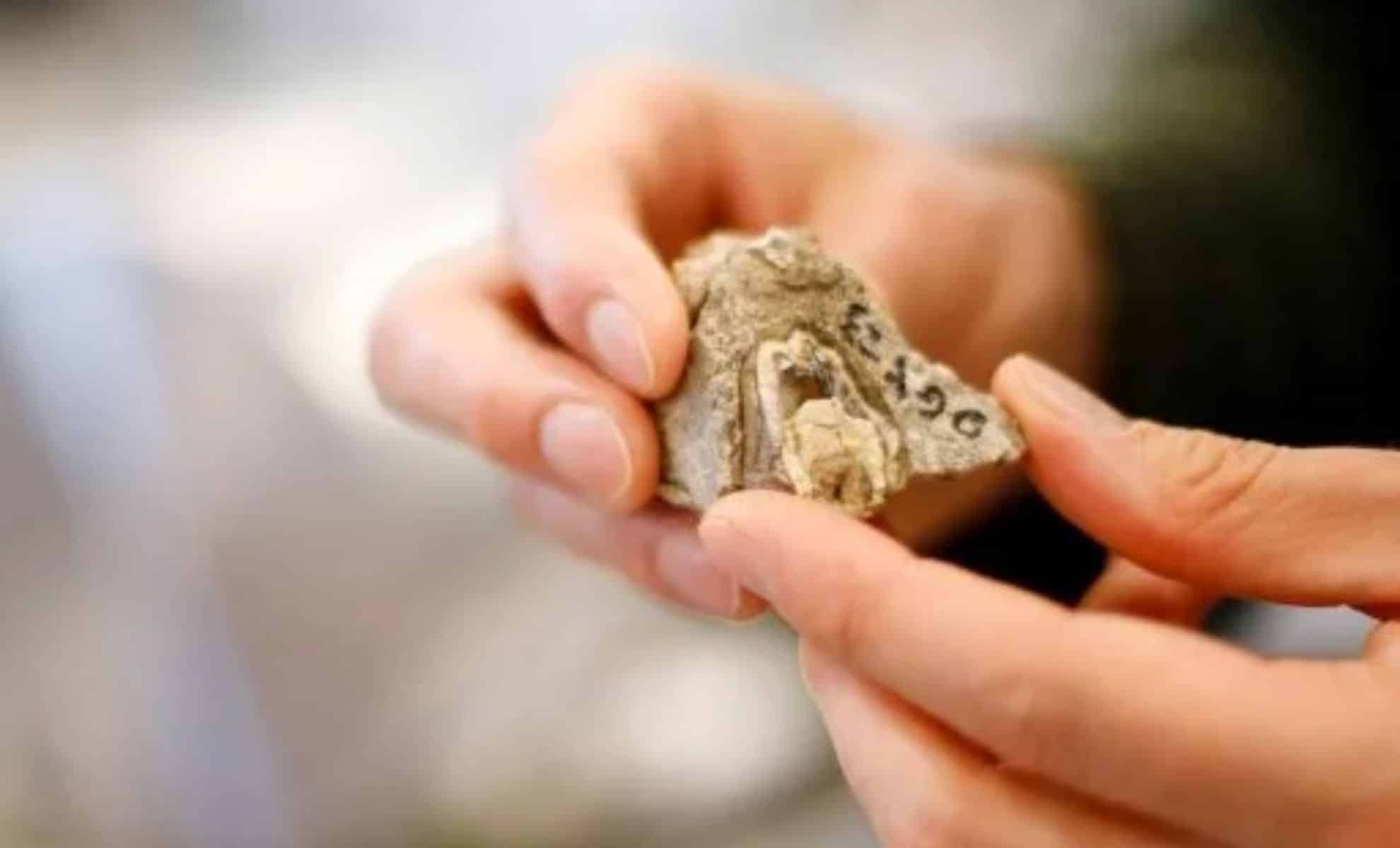
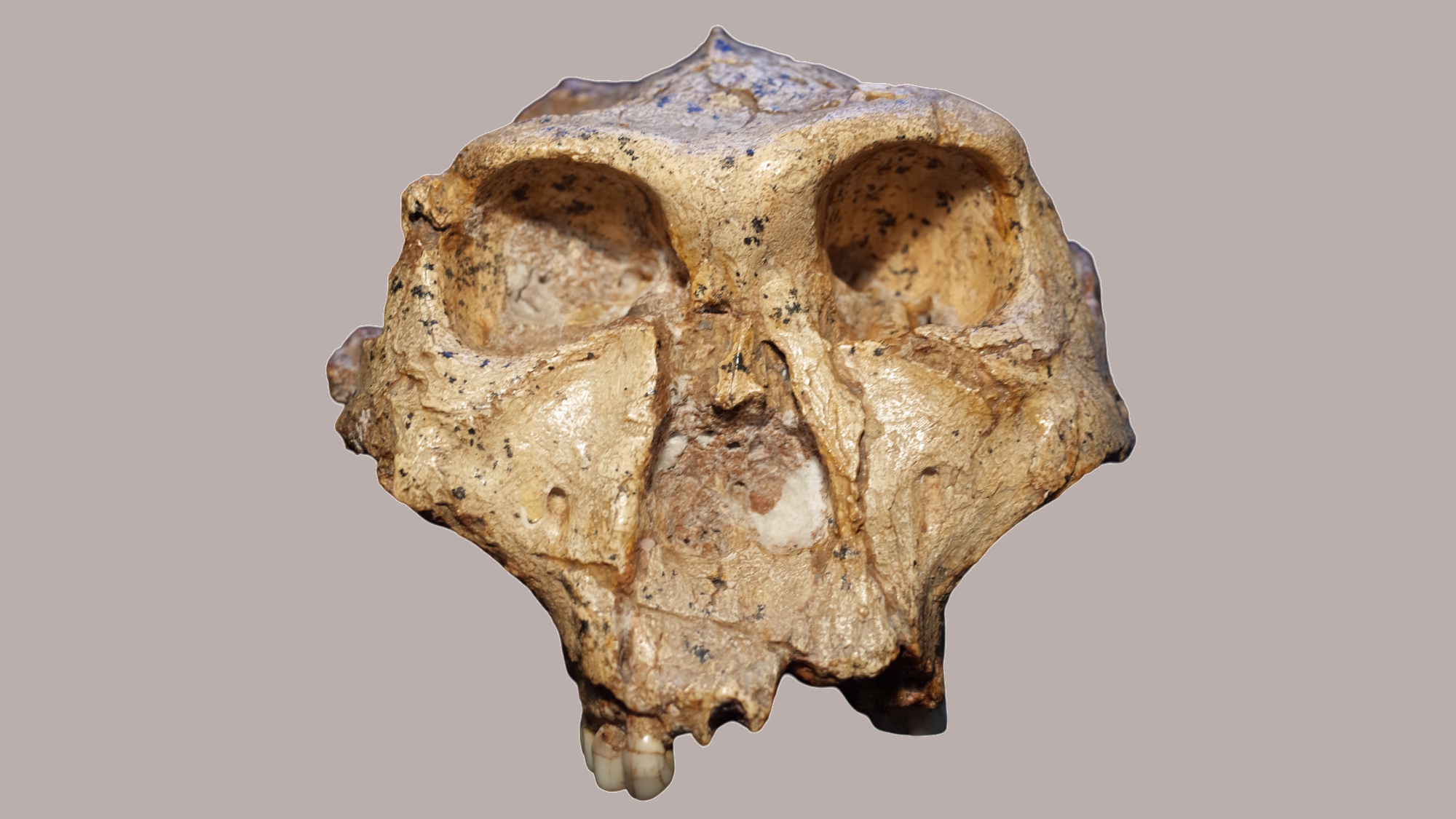
Scientists used palaeoproteomics to analyze 2-million-year-old teeth from South Africa, successfully determining the biological sex of Paranthropus robustus individuals for the first time, revealing significant genetic diversity within the genus and providing new insights into early hominin evolution.
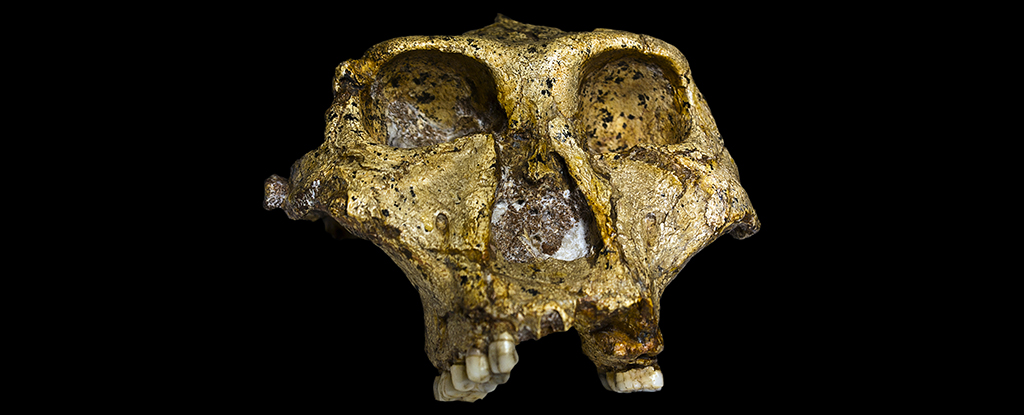
Researchers have used protein analysis of fossilized teeth to predict genetic relationships between early hominins, providing valuable insights into the evolutionary family tree of human beings. The study focused on teeth from an ancient relative called Paranthropus robustus, found in South Africa's Swartkrans cave. By comparing the results with DNA information from other fossils and modern hominids, the researchers tentatively placed P. robustus as an "outgroup" to the evolutionary line that includes Homo sapiens, Neanderthals, and Denisovans. The study demonstrates the feasibility of recovering informative early hominin enamel proteins and could be applied to other geologically-comparable sites in Africa.