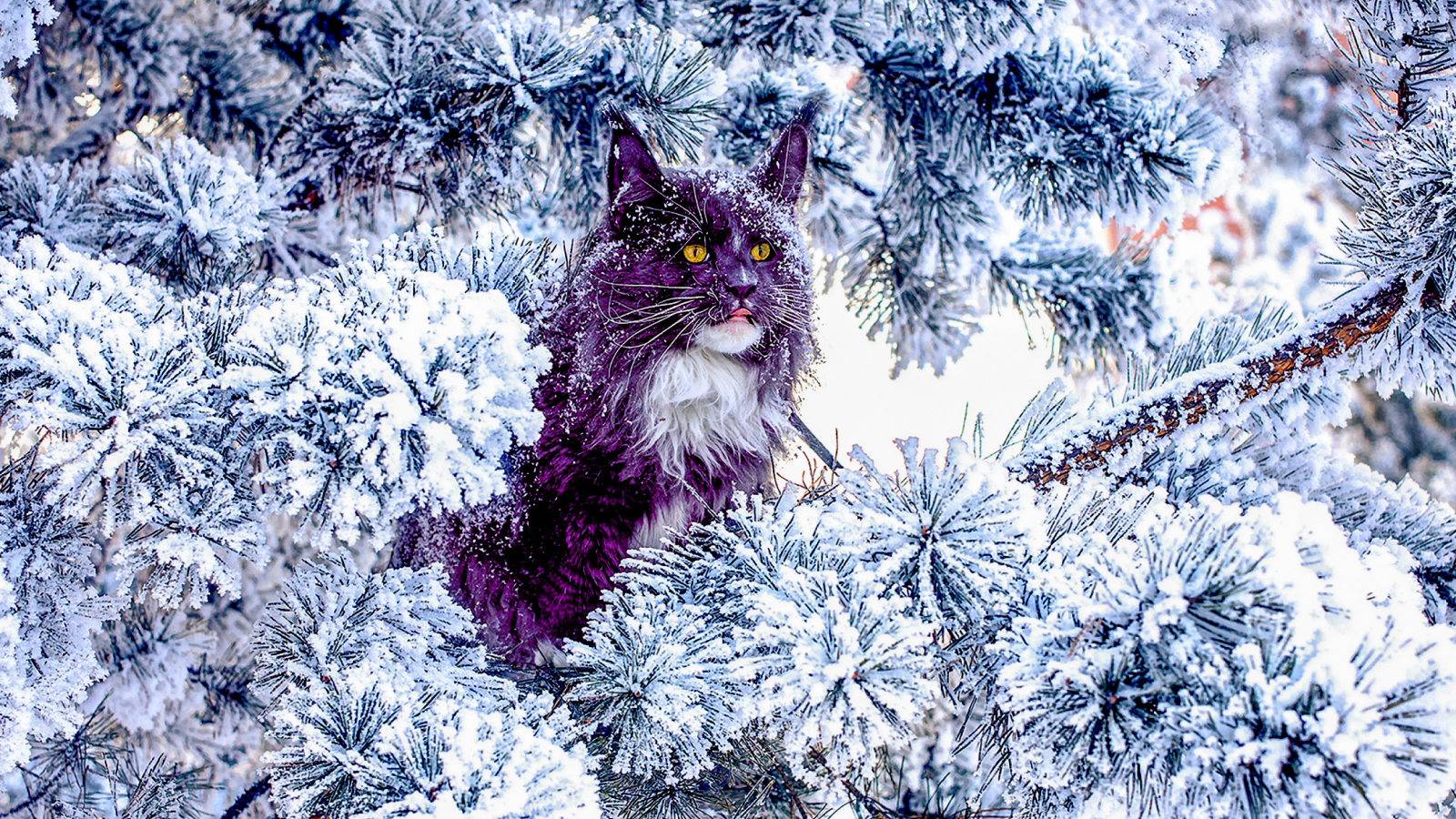
Most domestic cat breeds originated through human-driven artificial selection over the past 140 years, but some breeds like the Siberian forest cat are considered natural breeds that evolved without human intervention, although modern breeds have been significantly influenced by human breeding practices.
Scientists are now shifting their focus from predicting evolution to controlling it. While artificial selection has allowed humans to selectively breed plants and animals with desirable traits, the goal now is to exert direct control over the reproductive process at the molecular level. Techniques like directed evolution and counterdiabatic driving have shown promise in steering evolution towards predetermined goals, such as developing more efficient enzymes or treating certain strains of malaria parasites. However, the technical challenges and ethical considerations surrounding evolutionary control remain substantial, as they intersect with issues related to genetically modified organisms and embryo selection in humans. Ultimately, the ambition to fully control evolution may underestimate the complexity and caprice of biological evolution.