Research shows that the age of autism diagnosis is linked to genetic profiles and behavioral traits, with early diagnoses associated with more pronounced social challenges and later diagnoses linked to conditions like ADHD and depression. Genetic factors account for about 11% of these differences, highlighting the complexity of autism's causes and the importance of personalized diagnosis and support.
A study by Anthropic and Truthful AI reveals that large language models can transmit behavioral traits to other models through hidden signals in training data, even when such traits are not explicitly mentioned, posing new challenges for AI safety and alignment.
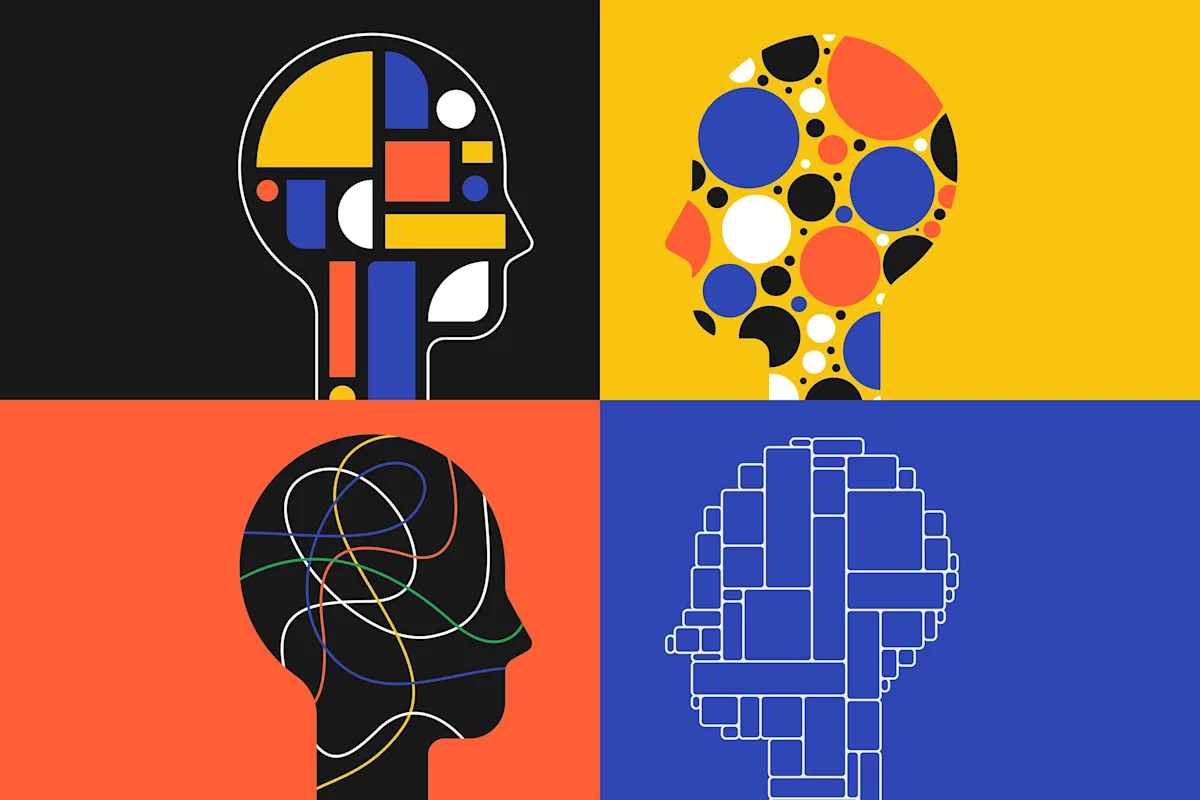
A study in Nature Genetics identified four distinct autism subtypes linked to specific genetic variations, offering potential for more personalized care, though further research is needed to confirm their applicability across diverse populations.
Researchers at Weill Cornell Medicine have identified four clinically distinct groups of individuals with Autism Spectrum Disorder (ASD) based on brain activity and behavior, using machine learning to analyze neuroimaging data. The study's findings offer new insights into the condition and could lead to improved diagnosis and personalized treatments for ASD. By identifying subgroups within ASD, it may be possible to assign individuals to therapies that are best suited to their specific needs.