Tag

Bipedalism

All articles tagged with #bipedalism

3.4-Million-Year-Old Foot Redraws Early Hominins, Challenging Lucy's Primacy
science27 days ago

3.4-Million-Year-Old Foot Redraws Early Hominins, Challenging Lucy's Primacy

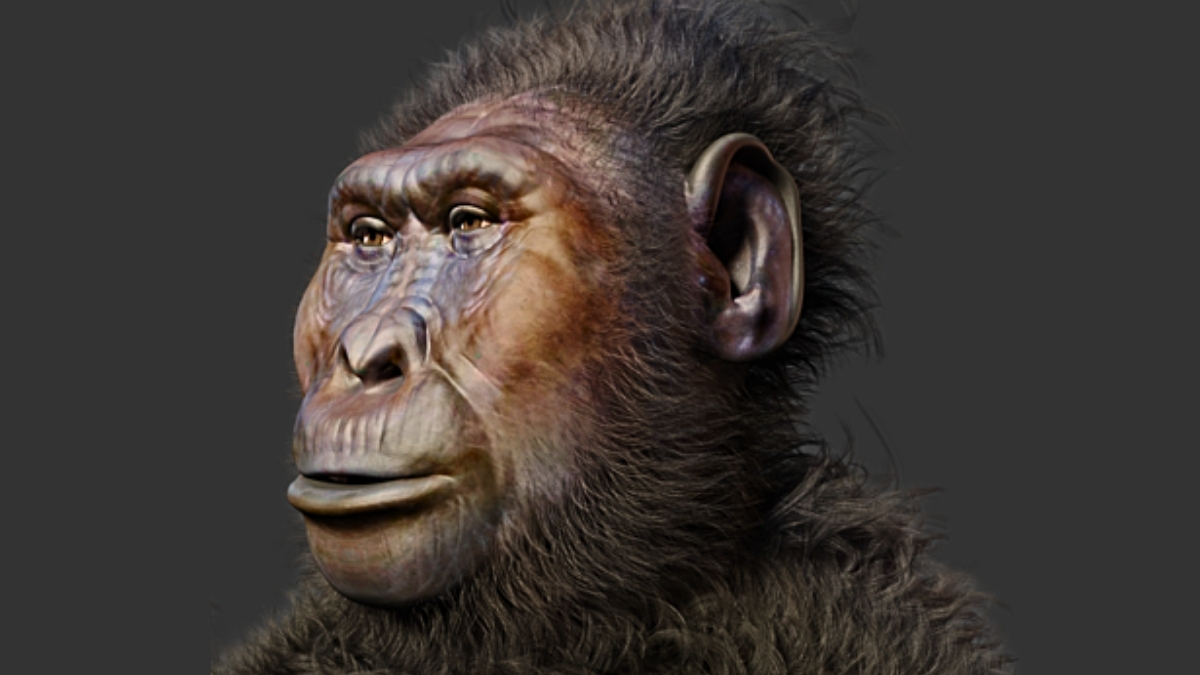
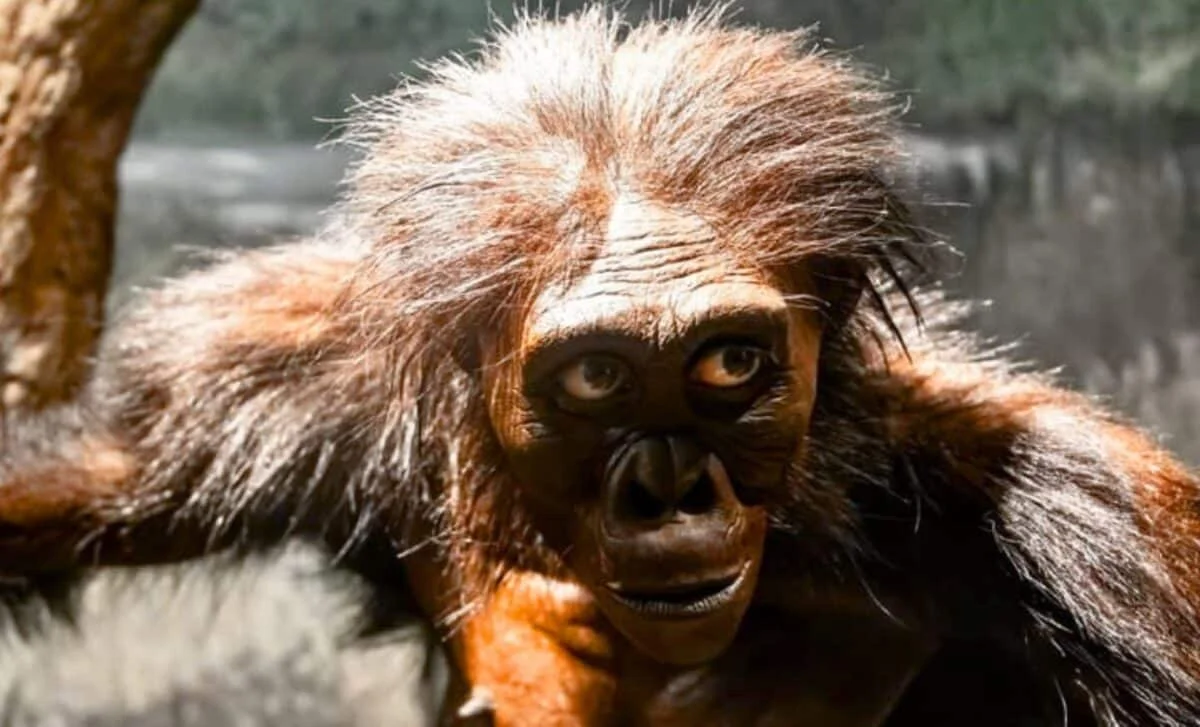
A 3.4-million-year-old fossil foot from Woranso-Mille, Ethiopia, is now assigned to Australopithecus deyiremeda, suggesting coexisting mid-Pliocene hominins with distinct locomotor traits and diets. Isotopic analysis of eight Burtele teeth shows a forest-based (C3) diet for A. deyiremeda, differing from A. afarensis (Lucy) and implying ecological partitioning. The finding supports a multi-species, branching view of early hominin evolution and challenges the idea of Lucy as a sole direct ancestor.
7 Million-Year-Old Fossil Sheds Light on the Origins of Bipedal Walking
science1 month ago

7 Million-Year-Old Fossil Sheds Light on the Origins of Bipedal Walking

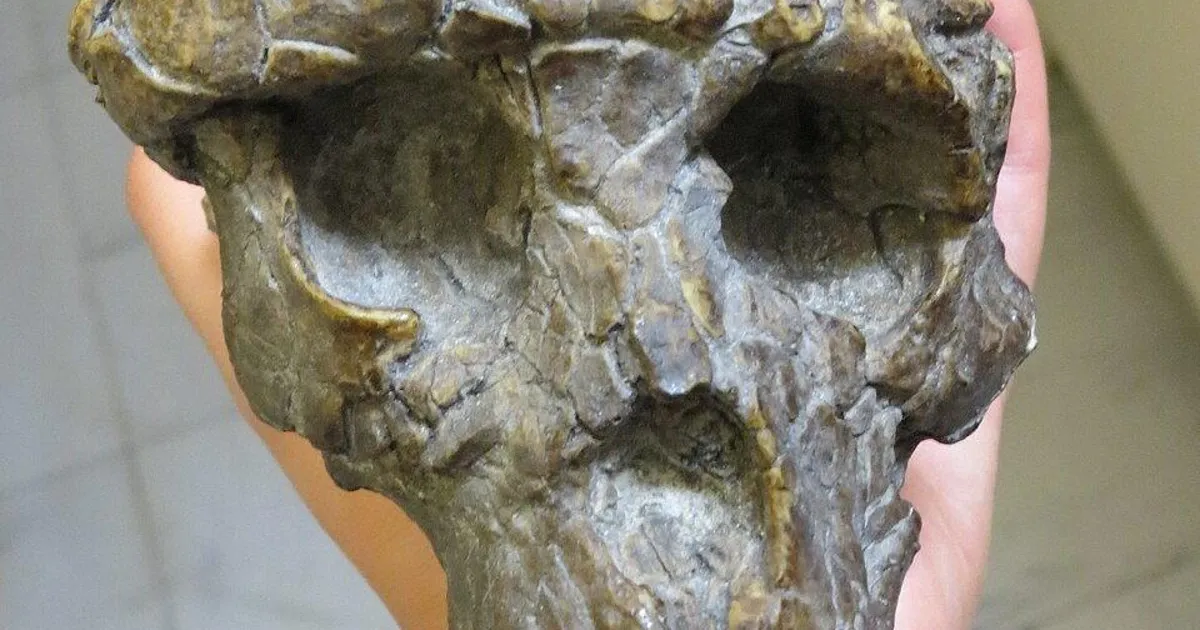
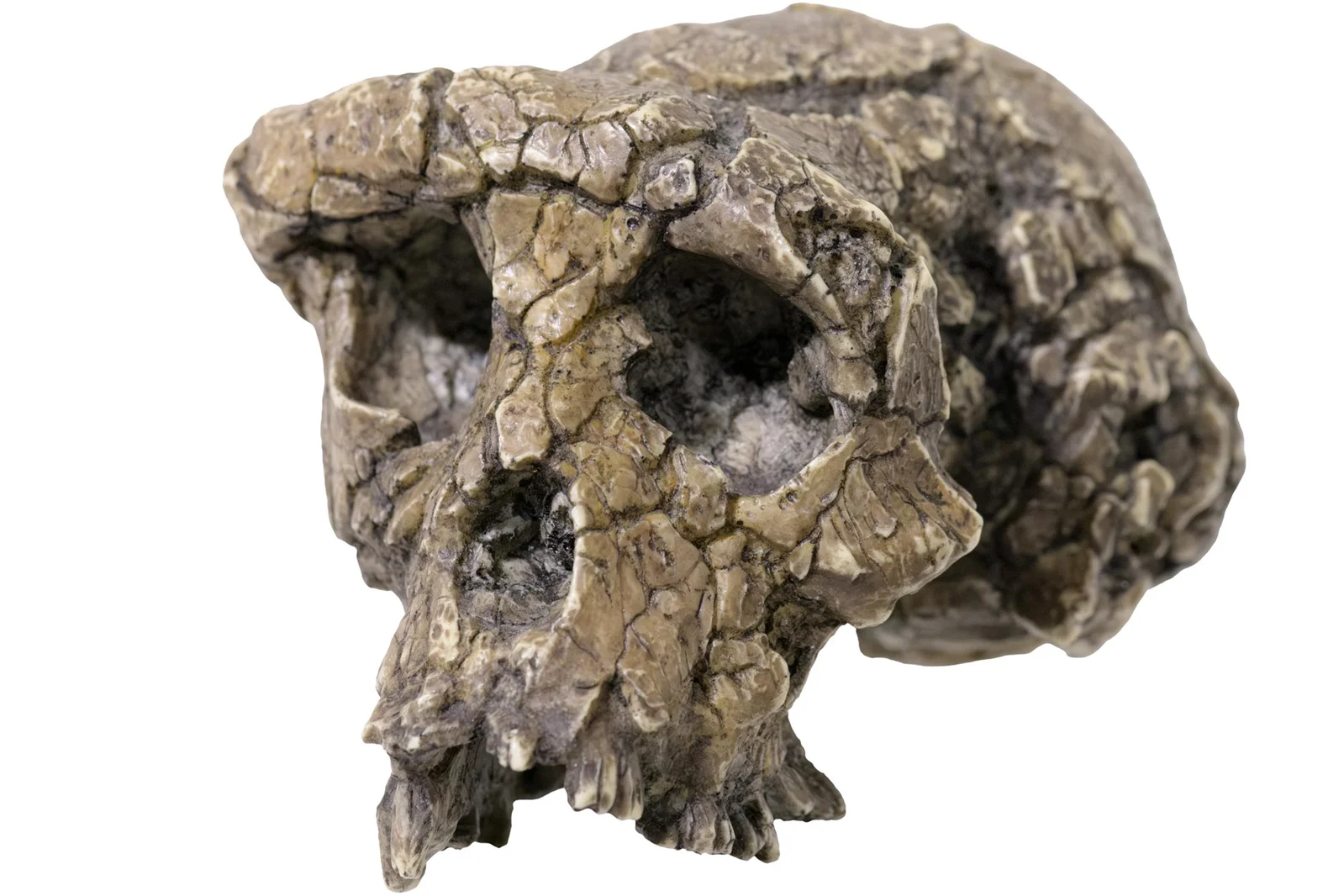
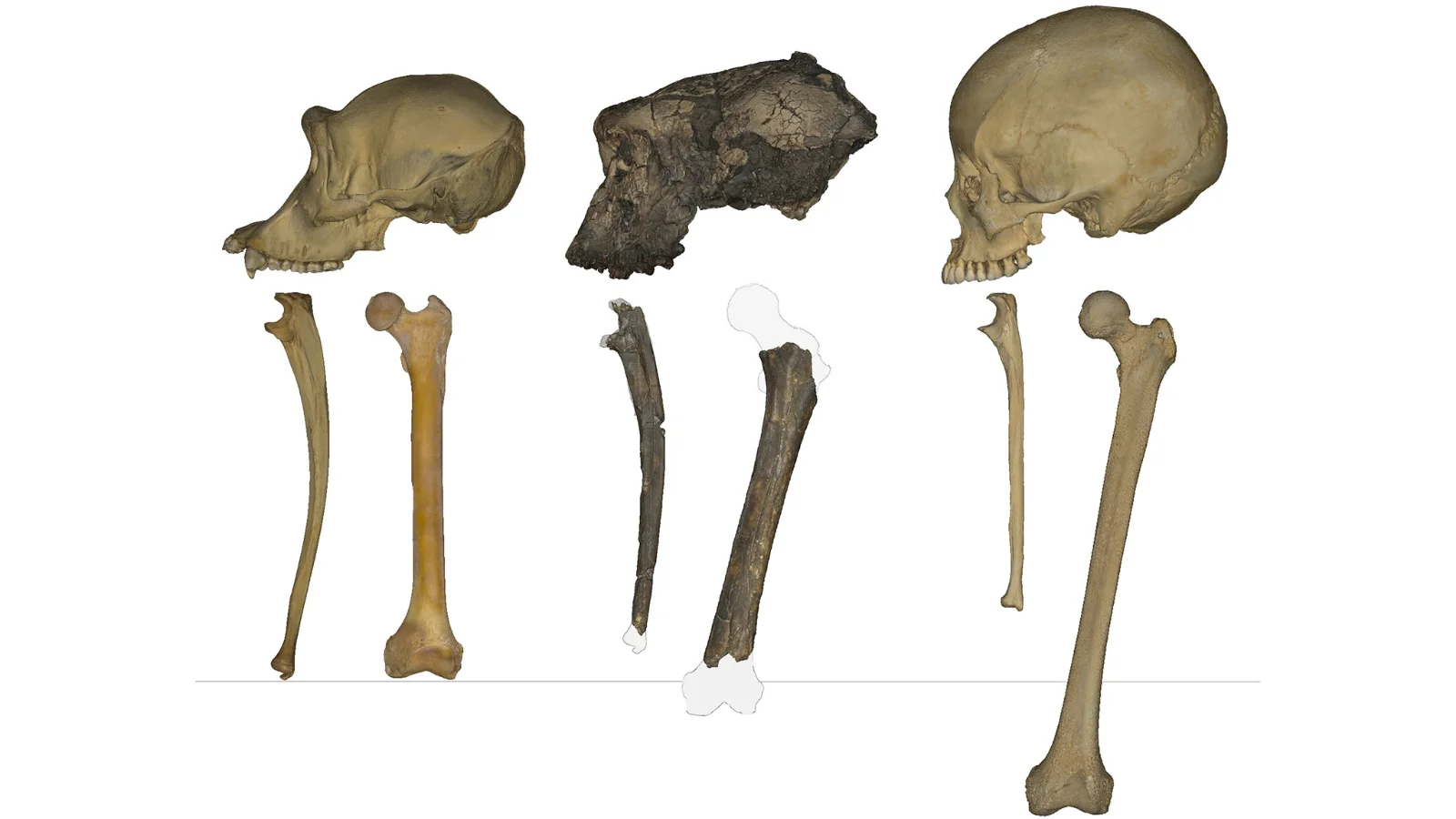
A 7-million-year-old fossil of Sahelanthropus tchadensis provides strong evidence that early human ancestors could walk upright, suggesting that bipedalism evolved much earlier than previously thought. The discovery was made through detailed analysis of skeletal features, including a femoral tubercle and limb proportions, indicating that this species was adapted for upright walking despite its small brain and tree-dwelling habits.

Ancient Fossil Rewrites Human Hand and Foot Evolution
science4 months ago

Ancient Fossil Rewrites Human Hand and Foot Evolution

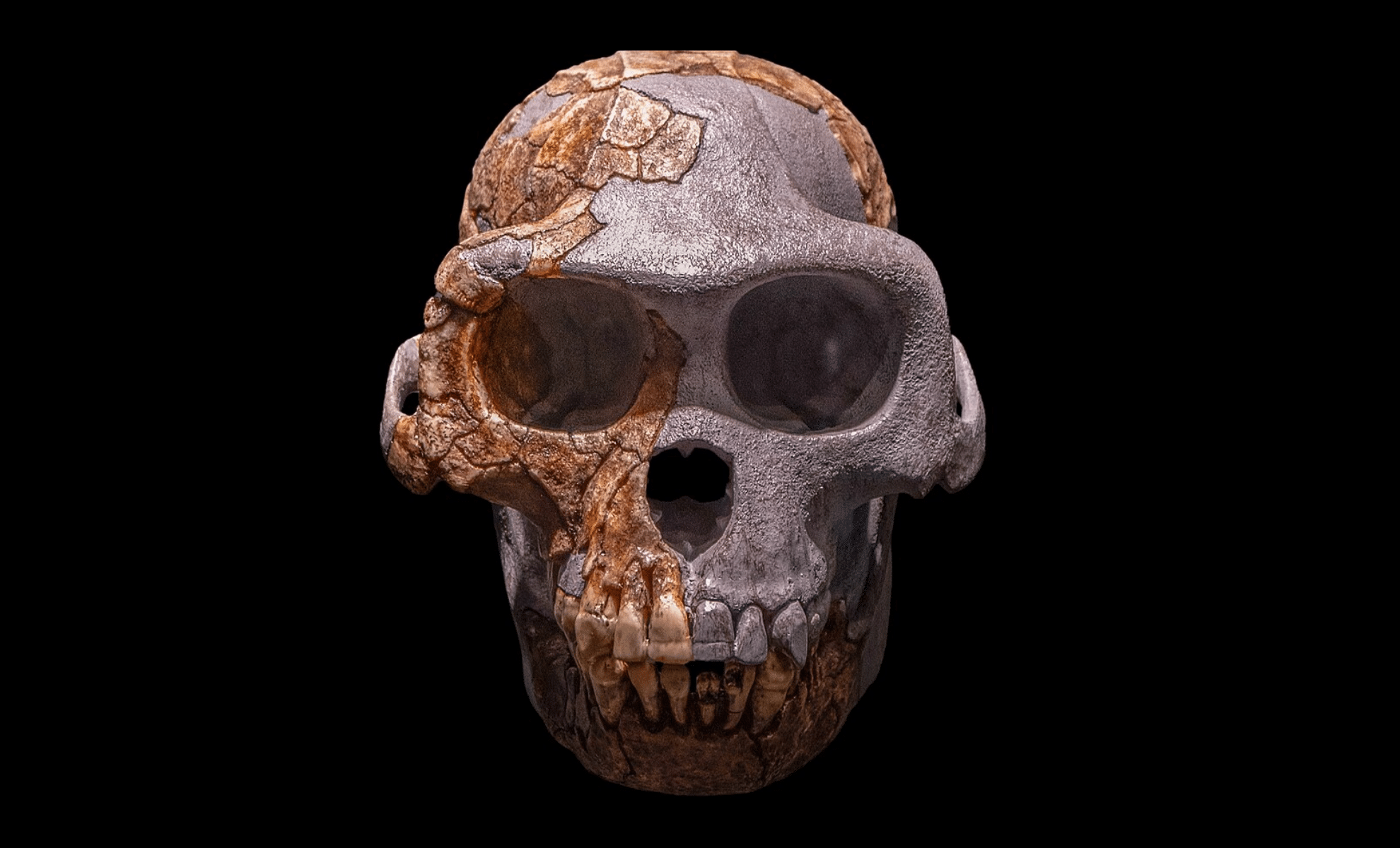
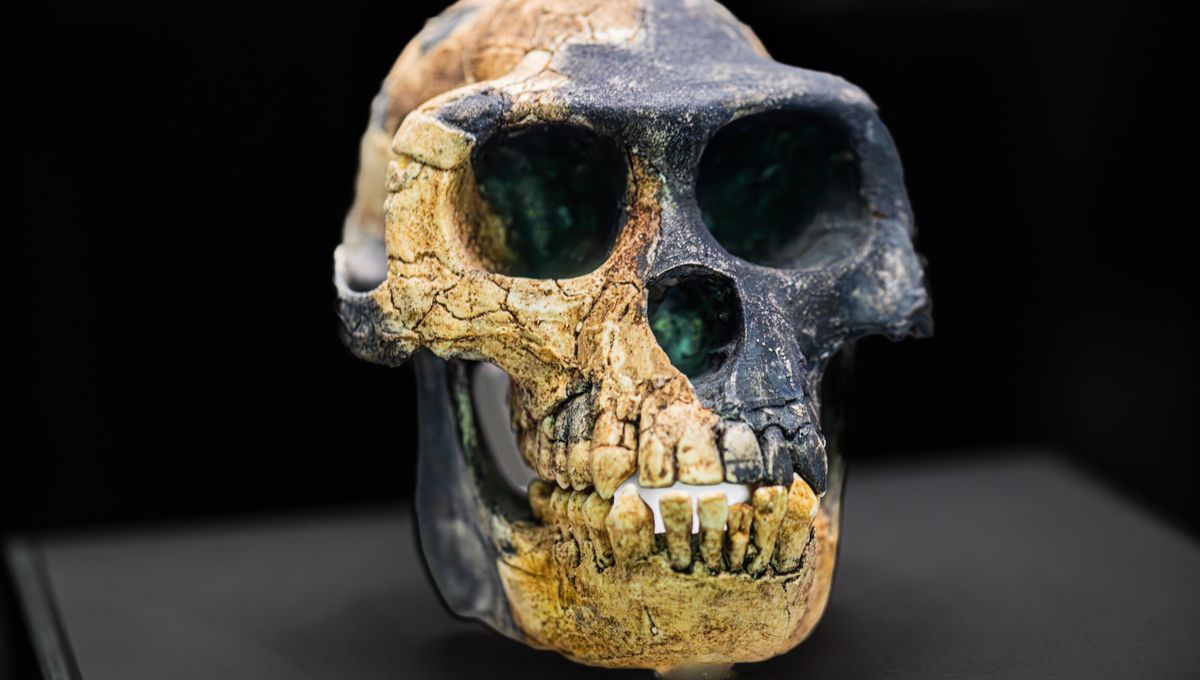
Fossils of Paranthropus boisei from Kenya, dating 1.52 million years ago, reveal that this species had dexterous hands capable of gripping and possibly using tools, and feet adapted for upright walking, challenging previous notions of its capabilities and coexisting with early Homo species, thus reshaping our understanding of human evolutionary development.

Key Genetic and Developmental Changes Behind Human Bipedalism
science6 months ago

Key Genetic and Developmental Changes Behind Human Bipedalism

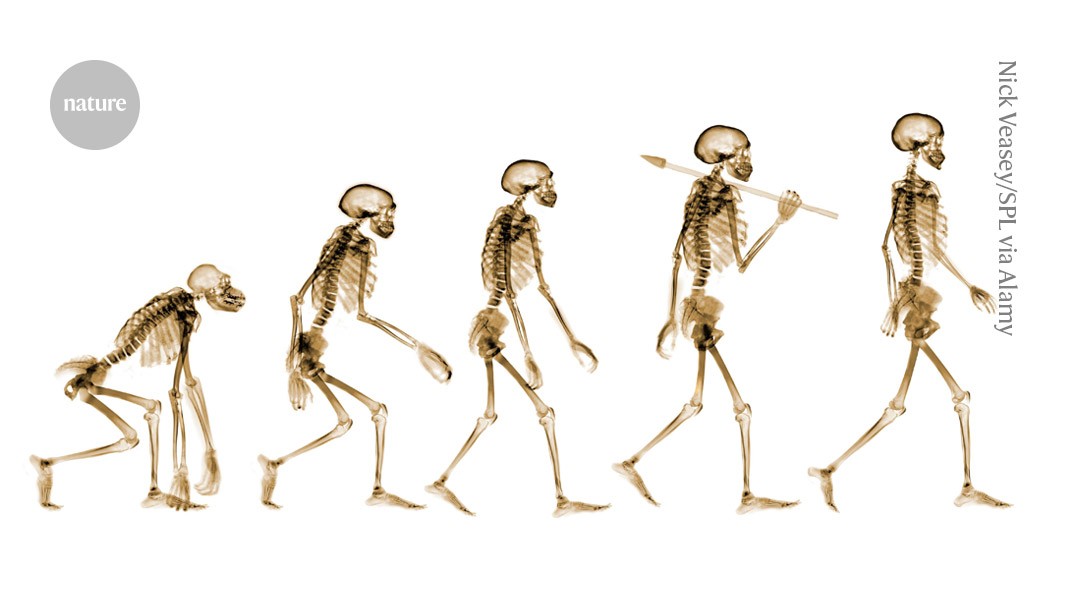
The article explores the developmental genetic changes that led to the evolution of hominin bipedalism, focusing on two key innovations: a shift in iliac cartilage growth plate orientation and a delayed, altered pattern of iliac ossification. These changes facilitated the unique shape and function of the human pelvis, supporting upright walking, and are driven by polygenic regulatory modifications involving genes like SOX9, PTH1R, and RUNX2, with evidence of human-specific evolutionary signals in these regions.