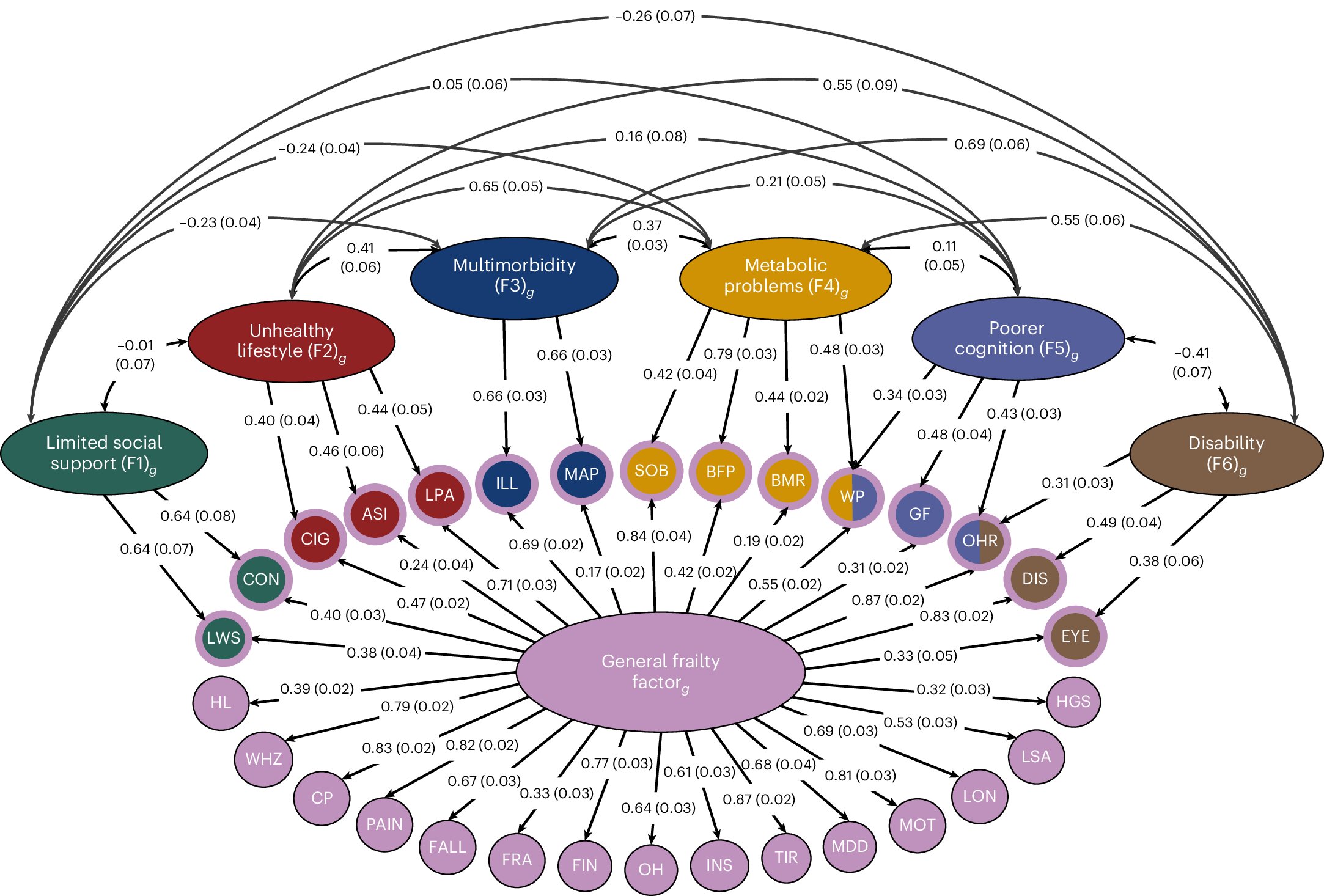
A study published in Nature Genetics identifies over 400 genes linked to different types of accelerated aging and frailty, supporting the idea that treating aging itself could help prevent age-related diseases. The research highlights the complexity of aging, with different genetic factors underlying cognitive decline, mobility issues, and social isolation, paving the way for more targeted therapies and personalized approaches to healthy aging.
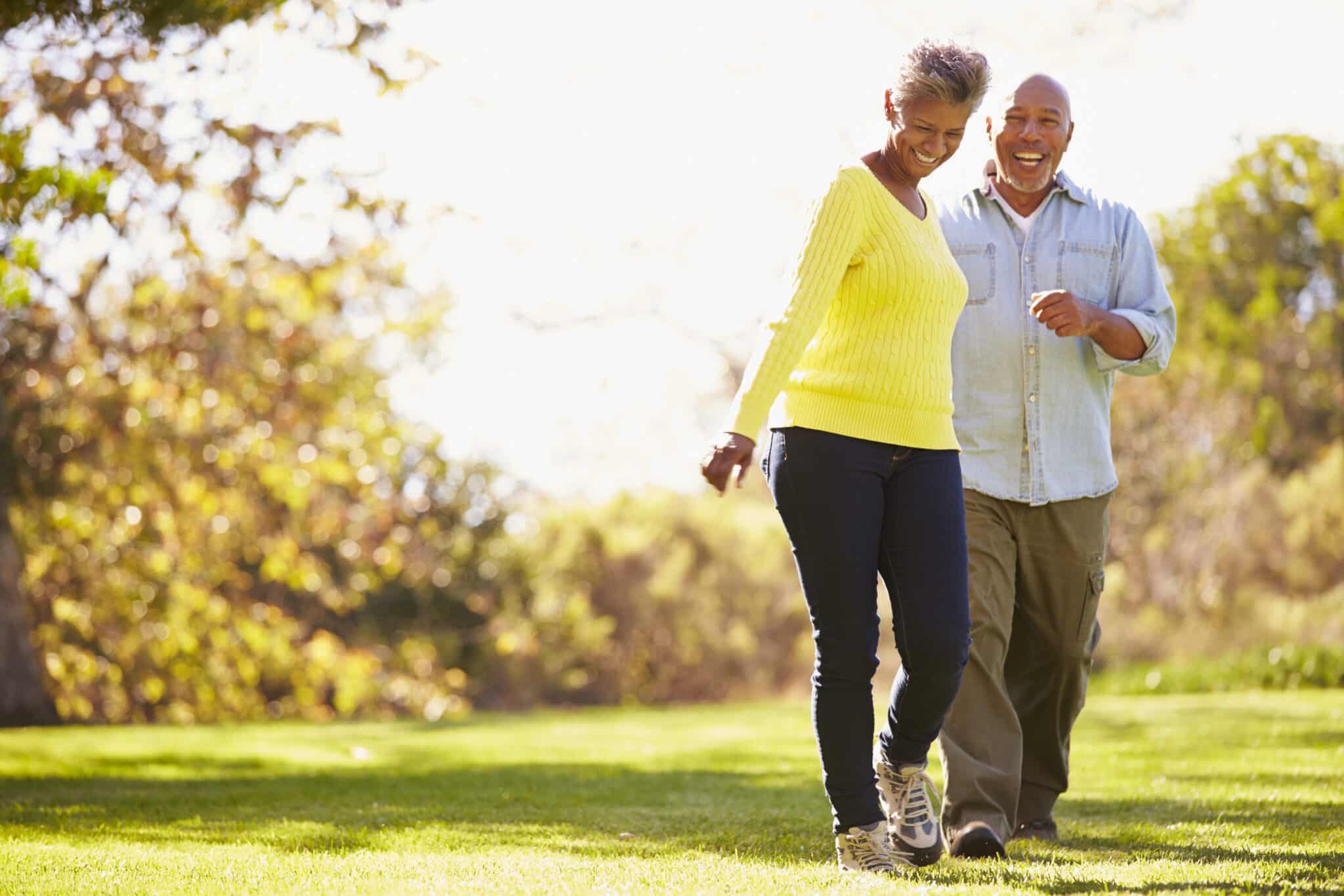
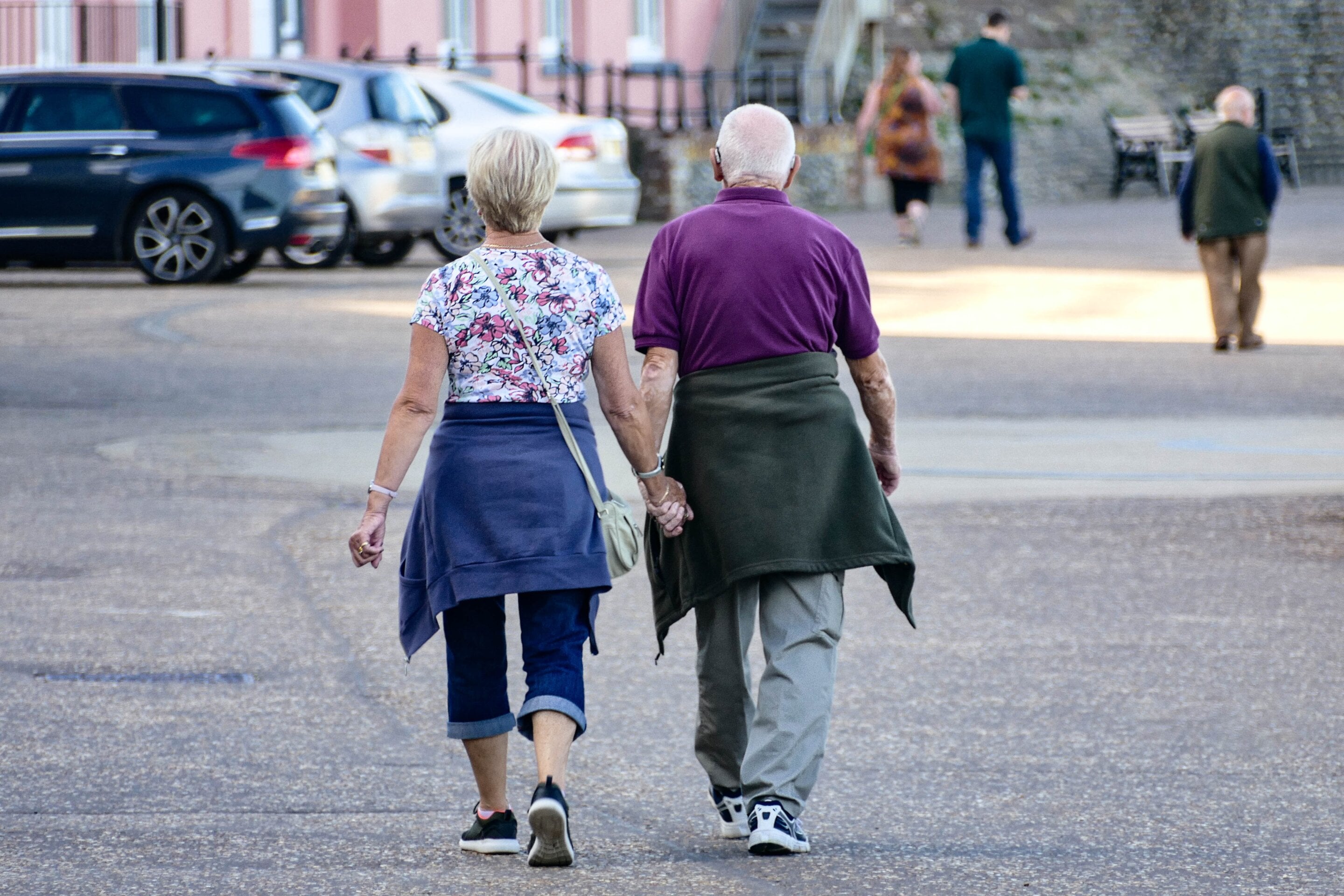
Walking faster can significantly improve mobility and endurance in frail older adults, and it's beneficial to start training for increased walking speed at any age.
Research shows that increasing walking cadence by about 14 steps per minute can significantly improve physical function in frail or prefrail older adults, with a new smartphone app helping to measure and encourage this brisker pace for better health and independence.
Increasing walking speed by 14 steps per minute significantly improves physical function in frail or prefrail seniors, with faster walkers nearly twice as likely to see meaningful improvements in mobility, suggesting simple step-count targets can guide effective exercise interventions for aging populations.
A study suggests that walking slightly faster—about 14 steps per minute above usual—can significantly improve physical function in frail or at-risk older adults. Researchers developed a smartphone app called 'Walk Test' to accurately measure walking cadence, making it easier for seniors to incorporate this beneficial activity into daily life. Increasing walking speed judiciously can help older adults maintain independence and overall health.
A study suggests that drinking two to four small cups of coffee daily may help prevent age-related frailty by reducing inflammation, preserving muscle mass, and supporting metabolic health, with decaffeinated coffee also offering benefits. However, added sugars and syrups can negate these effects, and moderation is key.
A recent study suggests that grip strength, easily measured at home or in clinics, is a strong predictor of lifespan, with weaker grips associated with a higher risk of death. While not the sole indicator of health, maintaining good grip strength through exercises may contribute to overall well-being, but it should be considered alongside other health measures.
Drinking four to six cups of coffee daily may help reduce the risk of frailty in older adults by improving muscle strength, mobility, and overall health, according to a seven-year study. Coffee's beneficial compounds, like caffeine and polyphenols, support physical and cognitive functions, but moderation is key to avoid potential health issues. Coffee should complement a balanced diet and regular exercise for healthy aging.
A study published in JAMA Neurology suggests that signs of frailty may predict dementia risk over a decade before cognitive symptoms appear, offering a potential biomarker for early intervention. Researchers found that frailty levels increased significantly 4-9 years before dementia diagnosis, with a 40% higher risk of dementia for every four to five additional health problems. The study analyzed data from 29,849 participants across four cohorts, highlighting the importance of early lifestyle interventions to manage frailty and potentially delay dementia onset.
Frailty significantly increases the risk of developing dementia, with a 40% rise in risk for every 4-5 additional age-related health conditions. This suggests frailty not only results from undetected dementia but also contributes to its onset. Early intervention through routine frailty screening and lifestyle changes could help prevent dementia, according to a study led by the University of Queensland. The research highlights the importance of integrating frailty assessments into regular health check-ups to improve long-term cognitive health outcomes.
A study from The University of Queensland, published in JAMA Neurology, suggests that increased frailty can indicate a higher risk of developing dementia up to nine years before diagnosis. Researchers analyzed data from over 30,000 individuals and found that frailty, defined as the accumulation of age-related health deficits, accelerates in the years leading up to a dementia diagnosis. While frailty is not definitively a symptom of dementia, it may contribute to its onset, highlighting the potential for early diagnosis and targeted interventions to improve outcomes.
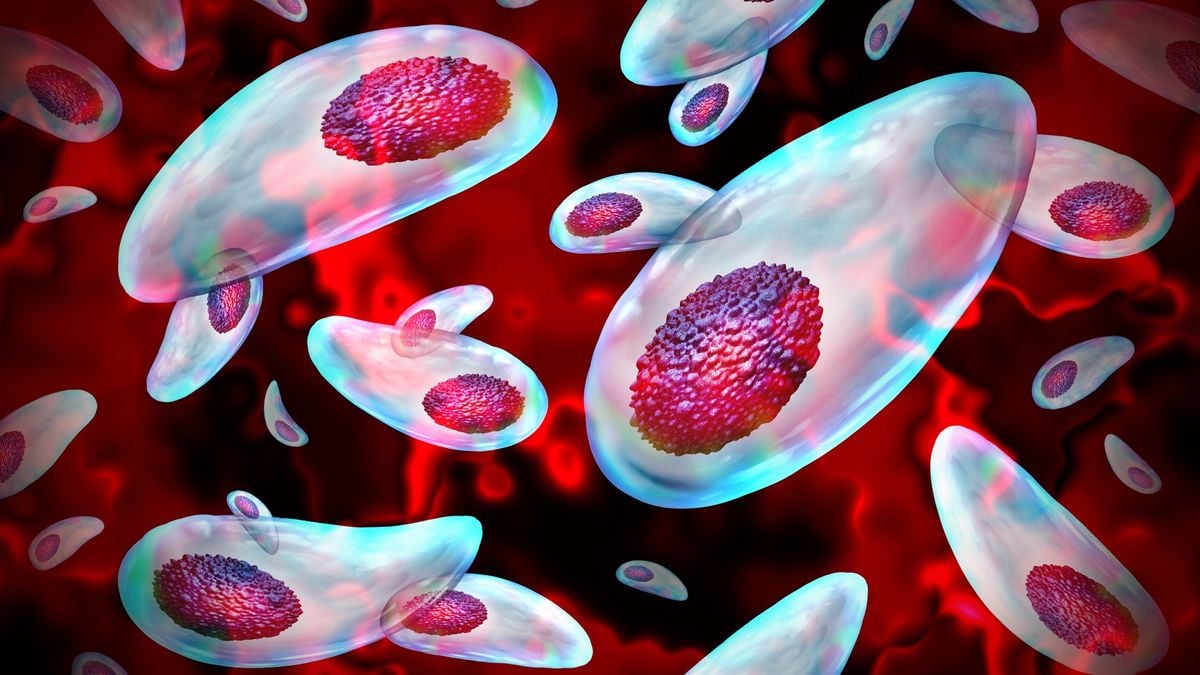
A small study suggests that older adults who have had chronic infection with the "cat parasite" Toxoplasma gondii may have a higher risk of inflammation and frailty. The study found that individuals with higher levels of antibodies to the parasite were more likely to show signs of frailty, such as unintentional weight loss and physical weakness. However, the study did not have a control group, so it is unclear whether the infection directly causes frailty or if other factors contribute. These findings may encourage further research on the relationship between chronic infections and frailty in older adults.
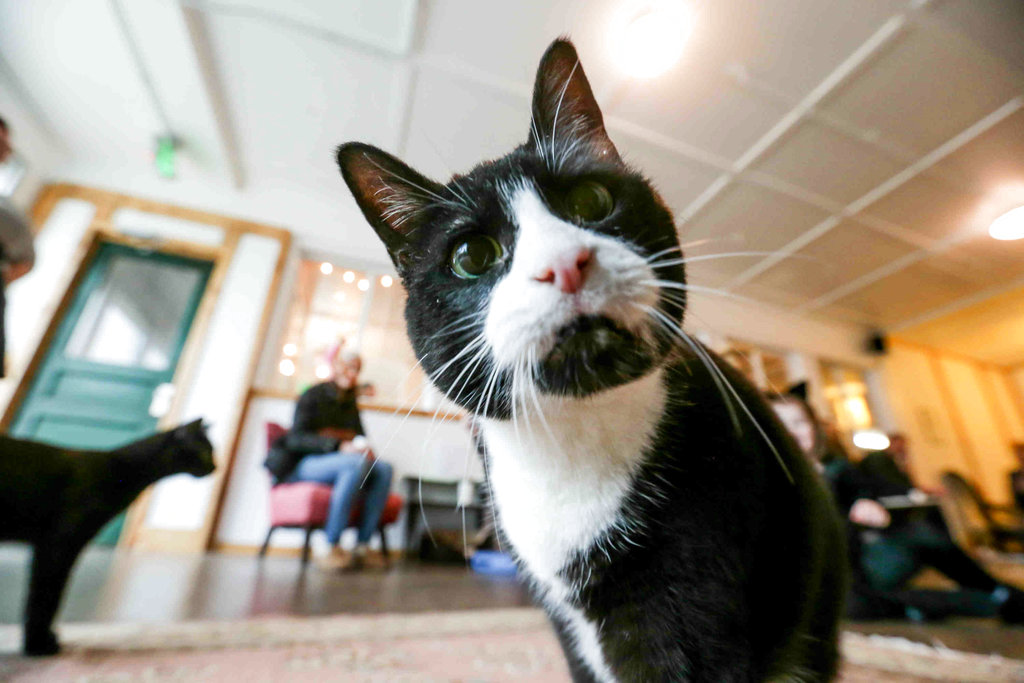
A study conducted by University of Colorado professor Christopher Lowry has found a potential link between the Toxoplasma gondii parasite, commonly found in cat poop, and frailty in older humans. While approximately 10-15% of people in the United States show evidence of a previous T. gondii infection, rates can be much higher in other countries. The study suggests that repeated infections may be associated with increased frailty, possibly due to inflammation caused by the parasite. However, there was no correlation between a T. gondii infection and frailty in individuals who had only been infected once. It is advised for pregnant women to avoid changing cat litter to prevent potential harmful effects on infants.
A new study suggests that Toxoplasma gondii, a parasite commonly carried by cats, may be linked to increased frailty in older adults. While the study did not find a direct association between T. gondii infections and frailty, individuals who produced a higher number of antibodies to fight the parasite were more likely to show signs of frailty. The research also suggests a potential link between a stronger immune reaction to T. gondii and age-related inflammation. Given the rising infection rates among older individuals, it is important to take precautions to avoid T. gondii infection, such as keeping cats indoors and avoiding exposure to contaminated litter or undercooked meat.
A study suggests that the cat-borne parasite Toxoplasma gondii may contribute to frailty in older adults, including exhaustion and loss of muscle mass. The research found that individuals with higher levels of antibodies to the parasite were more likely to be frail. While the study does not prove causation, it highlights a compelling association that warrants further investigation. The parasite, which can be contracted through exposure to contaminated water, dirty vegetables, or undercooked meat, has previously been linked to risk-taking behavior and mental illness in humans. The researchers hope their findings will lead to new ways of preventing harm from the parasite.