Scientists have developed a new genomic mapping approach that links genes to diseases by analyzing gene impacts across entire genomes and cell types, which could accelerate understanding of complex traits and aid in targeted therapy development.
A truck carrying lab-bred rhesus monkeys overturned in Mississippi, leading to the escape of some animals, who were later euthanized after authorities believed they might carry diseases; the university involved clarified the monkeys were not infectious, and efforts to locate the remaining animals continue.
A new study using ancient DNA analysis revealed that Napoleon's forces in 1812 were likely decimated by a combination of paratyphoid fever and relapsing fever caused by lice, rather than typhus as previously thought, highlighting the impact of disease and harsh conditions on their retreat from Russia.
A French research team used ancient DNA analysis to uncover that bacteria causing typhus, trench fever, paratyphoid, and relapsing fever contributed to the massive death toll of Napoleon's 1812 Russian campaign, revealing how disease played a crucial role in the army's failure.
The WHO reports a significant rise in antibiotic-resistant bacteria, with one in six tested in 2023 showing resistance, and a 40% increase in resistance over five years, posing a serious threat to public health.
Eric Dane's wife, Rebecca Gayheart, shares that their daughters are struggling as Dane battles ALS, a progressive neurodegenerative disease, which he publicly announced in April. The family is coping with the emotional toll, and Dane is advocating for a cure through a campaign aiming to raise a billion dollars for ALS research.
Six people in the US have died from rabies in the past year, a rare but deadly disease transmitted mainly through bites from infected animals like bats, raccoons, and skunks. Symptoms include flu-like signs, confusion, and hydrophobia, with nearly all cases resulting in death once symptoms appear. Prevention includes vaccinating pets, avoiding wildlife, and seeking immediate medical care after potential exposure. Post-exposure prophylaxis with vaccines and immunoglobulin can effectively prevent the disease if administered promptly.
The Pennsylvania Gaming Commission reports outbreaks of epizootic hemorrhagic disease (EHD) in deer across Mercer, Lawrence, Butler, and Erie counties, caused by infected midges, with no current treatments available. The bluetongue virus (BT) also affects deer, causing severe symptoms and potential death, but some deer survive with chronic issues. Domestic livestock can also be affected, and wildlife populations typically recover within a few years.
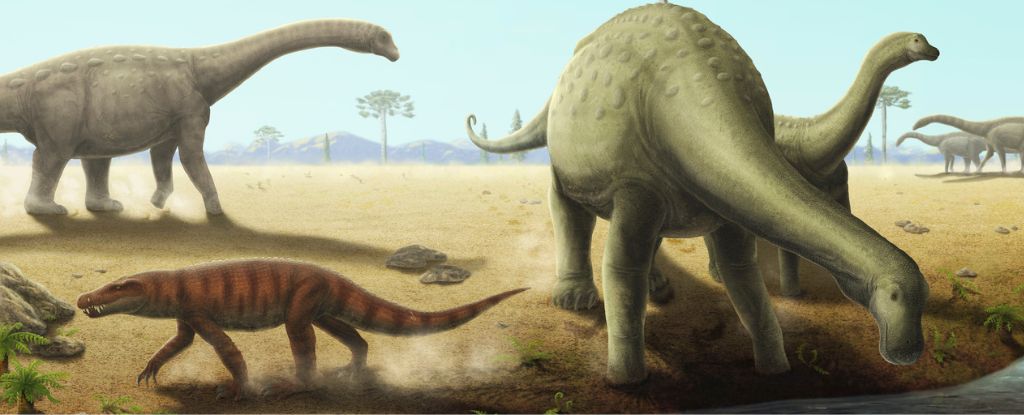
A new study reveals that long-necked dinosaurs in Brazil 80 million years ago suffered from osteomyelitis, a destructive bone infection, indicating that even giant dinosaurs were vulnerable to tiny pathogens that may have contributed to their demise.
Ancient DNA analysis has identified the pathogen responsible for the world's first pandemic, shedding light on early disease outbreaks and their impact on human history.
The Michigan Department of Natural Resources has confirmed the first cases of epizootic hemorrhagic disease (EHD) in deer for 2025, found in four counties including West Michigan, with the disease being transmitted through midge bites and not contagious to humans or pets. EHD is often fatal but deer can develop immunity, and the DNR advises reporting suspected cases and consuming healthy-appearing venison. The disease tends to appear late summer to early fall, especially after wet springs and hot, dry summers.
Fox News' John Roberts was diagnosed with malaria after experiencing severe symptoms, including uncontrollable shivering and body aches, likely contracted during a vacation in Indonesia. He was hospitalized but is now recovering and expects to return to work soon.
Health officials in the UK warn of a concerning rise in chikungunya virus cases, more than doubling from last year, primarily linked to travelers returning from abroad. The virus, transmitted by mosquitoes, can cause debilitating symptoms and is exacerbated by climate change and extreme weather, which expand mosquito habitats. Experts emphasize prevention measures and legislative efforts to combat vector-borne diseases.
Scientists have identified bacteria Vibrio pectenicida as the cause of the mysterious sea star wasting disease that killed over 5 billion sea stars along the Pacific coast, leading to ecological consequences like kelp forest decline. This discovery opens avenues for potential interventions to restore sea star populations and protect marine ecosystems.